The Nature of the Chemical Bond provides a general treatment, essentially nonmathematical, of present (as of 1960) knowledge about the structure of molecules and crystals and the nature of the chemical bond. Among the new features in the third edition are a detailed resonating-valence-bond theory of electron-deficient substances, such as the boranes and ferrocene; a chemical theory of the electronic structure of metals and intermetallic compounds; a discussion of the role of the hydrogen bond in the structures of proteins and nucleic acids; the electroneutrality principle; and other new principles of molecular structure.
The OSU Press is proud to introduce Linus Pauling's How to Live Longer and Feel Better to a new generation of readers interested in achieving excellent health. A New York Times bestseller when it was first published in 1986, Pauling's seminal work proposes taking vitamins and minerals to prevent disease and live a long life. Eminently readable and challenging on many levels, the book compiled for a popular audience a generation of scientific knowledge and helped to revolutionize the way Americans think about nutrition.Pauling's simple, inexpensive plan suggests avoiding sugar, stress, and smoking; working in a job that you like; and being happy with your family. To avoid serious illness and enjoy a longer life, he recommends taking vitamins for optimal health and as insurance against disease.Pauling greatly influenced subsequent research regarding the role of nutrition in healthy living, coining the term ""orthomolecular medicine"" to describe the practice of using vitamins and other substances normally present in the body to improve health and fight viruses, cancer, cardiovascular disease, allergies, arthritis, and other illnesses. Since 1986 the scientific community has paid renewed attention to the field of nutrition; clinical and longevity studies have examined the links between vitamin C and health, for example. Some of Pauling's findings have been challenged, but the essential tenets of his thesis on the importance of nutritional supplements remain undisputed.A new historical introduction by Melinda Gormley details Pauling's life and his fascinating intellectual growth, from his formative years as a molecular chemist to his peace activism and his later interest in nutrition. His extraordinary ability to cross disciplinary boundaries (specifically, using his knowledge of molecular structure to rethink the role of micronutrients in disease) combined with his accessible writing for a lay audience, make How to Live Longer and Feel Better a classic. This new edition includes information on additional resources from the Linus Pauling Institute at Oregon State University.Whether one reads Pauling's book for his prescription for healthy living, for an understanding of his impact on nutritional science today, or for its historical importance, one cannot escape the conclusion that diet and lifestyle are the key to disease prevention.
Delivering Competitive Advantage Through BPM Real-World Business Process Management Some organizations significantly outperform others in their industry. They become more agile by adopting smarter work practices and transforming their business processes to be more dynamic, collaborative, and connected. Often, the business processes themselves create competitive advantage. Increased revenue at reduced cost makes more money for a very effective business. Changing market opportunities, customer demands, new technology and calls for cost reduction can make it seem impossible to keep operational chaos at bay. Competitive advantage is gained when companies reduce operational risk by making sure that internal guidelines and external regulatory requirements are fulfilled. Companies thus offer customers a faster, more accurate and consistent service. Award-Winning, Real-World Case Studies The companies whose award-winning case studies are featured in this book have proven excellence in their creative and successful deployment of advanced and business process management concepts. The positive impact to their corporations includes increased revenues, more productive and satisfied employees, product enhancements, better customer service and quality improvements. Read these detailed case studies to find out how these winners moved the competitive goalposts for their industry.
The Art of Business Process ManagementThis book goes to the heart of what is driving interest in BPM today - the ability to improve and automate how we manage both our business processes and the information that supports them. The authors discuss the impact of new technologies, the mandate for greater transparency and how the ongoing aftershocks of globalization have collectively impacted predictability within the business enterprise.BPM Strategy and Real-World ExecutionBPM is essential to a company's survival in today's hyper-speed business environment. The goal of The Art of BPM is to help empower enterprises to compete at the highest level in any marketplace.This book also provides compelling award-wining case studies written by those who have been through the full BPM experience and describe the skills involved to generate successful ROIs and competitive advantages gained.
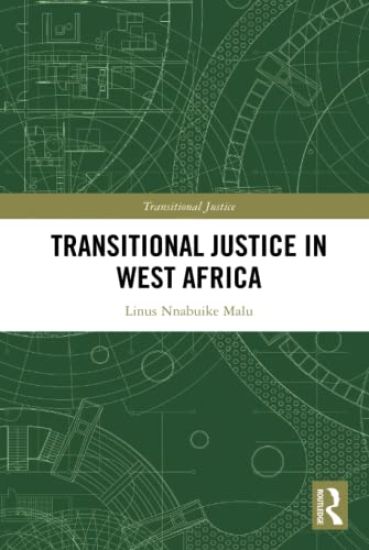
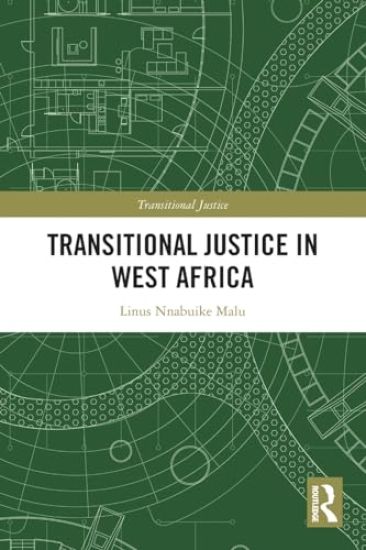
This book explores the challenges of transitional justice in West Africa, specifically how countries in the region have dealt with transitional justice problems in the last 30 years (1990–2020), and how they have managed the process.Using comparative, historical, and legal analyses it examines the politics of justice after violent conflicts in West Africa, the major transitional justice mechanisms established in the region, and how countries have used these institutions to address injustice and the pains of war in some West African countries. The book examines how transitional justice mechanisms have contributed to victims’ rights, reconciliation, and peace in transitional societies, and whether transitional justice mechanisms deployed in West Africa were suitable or ill-fitted, and the politics of deploying them. The book is addressed to a wide audience: policymakers, and graduate and post-graduate students of transitional justice, conflict resolution, peace studies, conflict transformation, international criminal law, law and similar subjects.This book will be of great value to academics and researchers, as well as lecturers in tertiary institutions offering relevant courses; legal practitioners; peace practitioners/NGOs; and those working in the field of transitional justice and human rights.
This book explores the challenges of transitional justice in West Africa, specifically how countries in the region have dealt with transitional justice problems in the last 30 years (1990–2020), and how they have managed the process.Using comparative, historical, and legal analyses it examines the politics of justice after violent conflicts in West Africa, the major transitional justice mechanisms established in the region, and how countries have used these institutions to address injustice and the pains of war in some West African countries. The book examines how transitional justice mechanisms have contributed to victims’ rights, reconciliation, and peace in transitional societies, and whether transitional justice mechanisms deployed in West Africa were suitable or ill-fitted, and the politics of deploying them. The book is addressed to a wide audience: policymakers, and graduate and post-graduate students of transitional justice, conflict resolution, peace studies, conflict transformation, international criminal law, law and similar subjects.This book will be of great value to academics and researchers, as well as lecturers in tertiary institutions offering relevant courses; legal practitioners; peace practitioners/NGOs; and those working in the field of transitional justice and human rights.