Kirjojen hintavertailu. Mukana 11 699 587 kirjaa ja 12 kauppaa.

Kirjahaku

Etsi kirjoja tekijän nimen, kirjan nimen tai ISBN:n perusteella.

1000 tulosta hakusanalla Maximo Serrano Hercules

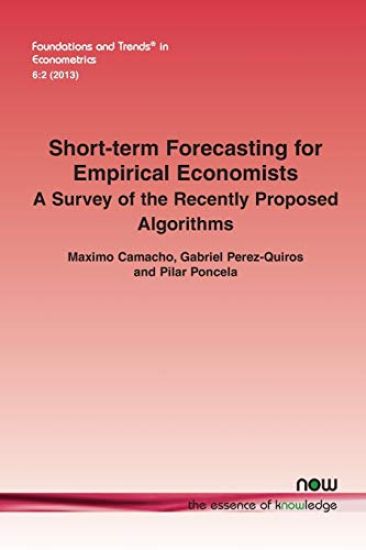
Short-term Forecasting for Empirical Economists

Short-term Forecasting for Empirical Economists

Maximo Camacho; Gabriel Perez-Quiros; Pilar Poncela

now publishers Inc
2013
nidottu
The economic shocks brought about by the Great Recession triggered drastic reactions by policy makers and private agents alike. Such dramatic economic consequences have lead economics agents to acknowledge the need for new tools to monitor economic developments in real time, and learn early detection methods to foresee downturns and recoveries.Short-term Forecasting for Empirical Economists seeks to close the gap between research and applied short-term forecasting. The authors review some of the key theoretical results and empirical findings in the recent literature on short-term forecasting, and translate these findings into economically meaningful techniques to facilitate their widespread application to compute short-term forecasts in economics, and to monitor the ongoing business cycle developments in real time.Short-term Forecasting for Empirical Economists is divided into five sections. Section 1 outlines what forecasting frameworks are surveyed and why. Section 2 introduces the notation and main characteristics of the data for short term forecasting. Section 3 reviews the main models used for this purpose and addresses the role of the number of series in factor models. Section 4 illustrates the forecasting performance of the different models reviewed in Section 3 through an empirical application. Finally, Section 5 reviews the main results and proposes some lines for further research.
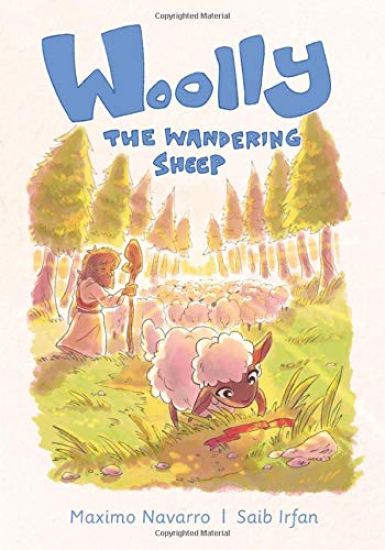
Woolly the Wandering Sheep

Woolly the Wandering Sheep

Maximo Navarro

Independently Published
2019
nidottu
Do you ever wander in life? Do you ever leave the things you need, in pursuit of the things you want?One day Woolly the Sheep wanted an adventure, so he wandered away from the Shepherd and found a herd of goats. But when he wandered into an unfamiliar place, his excitement soon turned to fear. Before Woolly could overcome this obstacle, he first needed to overcome his own emotions. He then discovered contentment and a sense of belonging.
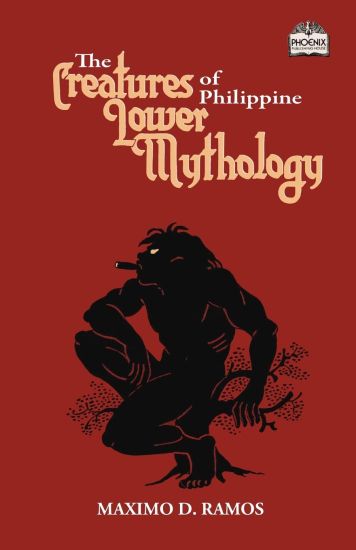
The Creatures of Philippine Lower Mythology

The Creatures of Philippine Lower Mythology

Maximo D Ramos

Independently Published
2019
pokkari
IMAGINARY CREATURES depicted in a people's lower mythology are one of the most important phenomena in their belief systems. This is because the common folk in particular must strive to maintain harmonious relations with these creatures, a continuous process that permeates many aspects of their everyday lives and requires the intercession of a special person in the community who acts as the medium of communication between them.The subject of Maximo D. Ramos's work is the creatures of Philippine lower mythology, as this level of folklore is called. In undertaking this study, Dr. Ramos directed his efforts to two principal tasks: (1) making a taxonomic classification of all the beings which in his opinion fall within the framework of the problem as found in Philippine folk beliefs, and (2) correlating the implications of these beliefs, in terms of these classifications, to education, particularly on the elementary level.The taxonomic classification is intended to help clear up the confusion that attended earlier studies of these creatures. This is indeed the first attempt to systematize the identities of these Philippine mythological beings for the benefit of folklore scholarship. More specifically, Ramos writes: "Where names, traits, and functions appear to have become confused ... through the process of transfer that constantly occurs in traditional lore, it was thought fruitful to point these out and then attempt to account for them".In spite of the very extensive Christianization of the Filipinos-particularly the lowlanders-these mythical entities still persist in their traditional belief systems, hence the student of folk traditions cannot ignore them if he is to achieve greater relevance in his studies. Little by little the perspective from which these creatures have been traditionally viewed is bound to change until they are accepted as part of our cultural heritage. This change is bringing about an understanding of these creatures' function in our society.The present work is primarily taxonomic in nature but it sheds light into many of the dark corners of Philippine folklore studies and brings to the reader a fuller understanding of the most maligned inhabitants of the Philippine other- world. Herein lies the major contribution of Dr. Ramos-a basic recognition and a deeper insight into the cultural heritage of the Filipino.
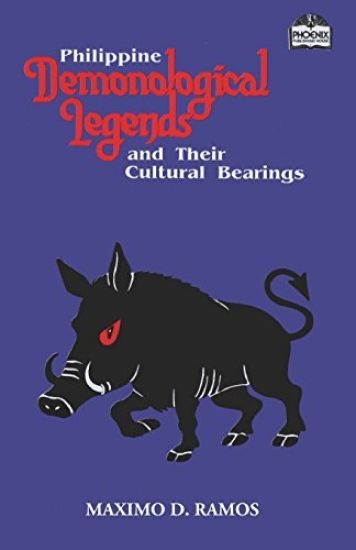
Philippine Demonological Legends and Their Cultural Bearings

Philippine Demonological Legends and Their Cultural Bearings

Maximo D Ramos

Createspace Independent Publishing Platform
1990
pokkari
IN THE PHILIPPINES, folk healers continue to have extensive practice back home, prescribing cures to appease demonological beings whose domain, they say, the patient has violated. At twilight the healer casts uncooked rice or puts a bowl of saltless boiled chicken where the patient last worked or played before becoming ill. The healer then begs the spirits to accept the offering, forgive the patient's trespass, and heal him.The farmer also offers rice cakes, cigars or cigarettes, wine
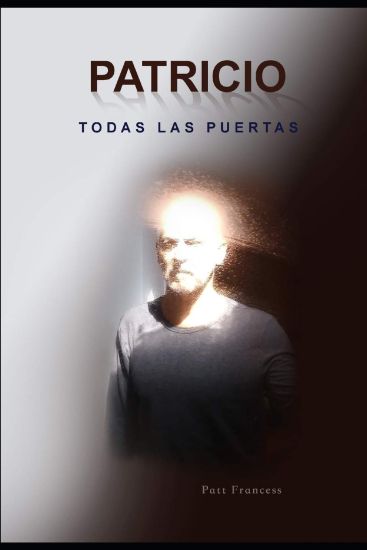
Patricio Todas Las Puertas

Patricio Todas Las Puertas

Maximo Caminero; Patt Francess

Independently Published
2018
nidottu
Tiene la vida un camino marcado? existe un destino premeditado para cada uno de nosotros?. En esta fascinante novela el personaje principal Patricio, tratara de dar respuesta a estas preguntas que a veces nos abordan, la muerte y su misterio, el amor, la felicidad, la soledad y muchas m s de las situaciones diarias que enfrentamos a trav s de nuestro breve paso en esta dimensi n terrena. La aventura y el humor que Patt Francess inserta en este libro con una constante dosis de filosof a, nos har apegarnos a su lectura en busca de encontrar las respuestas a las muchas preguntas que de l surgen. Todas Las Puertas, resultar n un camino did ctico, misterioso y ameno y en ocasiones infinito.
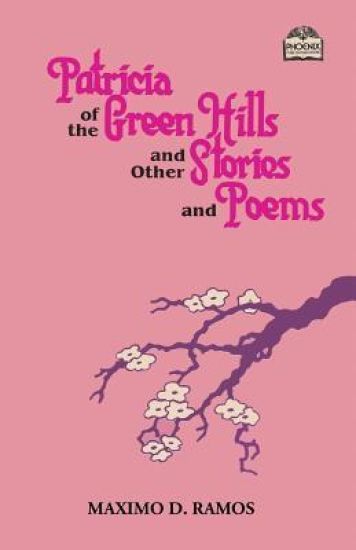
Patricia of the Green Hills and Other Stories and Poems

Patricia of the Green Hills and Other Stories and Poems

Maximo D Ramos

Independently Published
2018
pokkari
"Patricia of the Green Hills" is a collection of Filipiniana poems and short stories with reflections of life and folkways while growing up in the Philippines. Dr. Ramos never relaxed his own personal pursuit of the Muse and continued to write short stories, poems, and essays. At the same time, he devoted special attention to serious research on Philippine mythology and folklore. All these were done as he taught and performed administrative duties at the Philippine Normal College and later at the University of the East. We know that his legacy will fire the imagination of Filipino students and inspire them to know more about their own heritage, history, folkways and folklore and to write them down for others to enjoy and appreciate.I. PoemsFAUNANovemberHighway SignThe CobraAmbushThe SpringPrizeThe GeckoThe CalfThe CrocodileA Bleeding-Heart BirdVILLAGE AND CITYBarrio SceneBurial Jar TextProcessionPast Midnight in the BarrioManila Street SceneWhen I See a Barongbarong NeighborhoodView from the HighwayStoneCalvaryWARThe Beach Two Years AfterMount SamatBrown MenSeashoreLa Jeunesse de L'AnneeThe FathersCarol-Not for ChristmasRecalling Tale of How an Antique IsleLetter from MindanaoYOUTHTo Virgins Taking an ExaminationThe Way My Truelove BathesLove Song to PatriciaThe QuarrelYouthFLORABamboo BirthA Tree in BloomA Nameless PlantThe FenceThe Tree They FelledDawn in a KainginJUNGLEMotortruck in the JungleThe PythonDawn on the Maguindanao RiverLiguasan MarshVoice of the WildernessHunterLEGENDSOfferingThe Old Man of the Termite MoundThe Banana StoneA Girl Does Not Sweep Her YardA Bus PassengerThere Are MerfolkThe Elf TreeA Vanishing HitchikerThe MangmangldtGardeningSEA AND SKYAtollThe BatherPearl-DiverIslandVintasOceanWings Under the MoonII. Short StoriesSummertime in LomilogEntry November 9Planting Time and the CrowsThe Witch's WoodAir DuelThe StormDeath of the Old HouseBig House, Big HousePlane Crash in the RicefieldA Nipa House in SuburbiaThe Man and the JungleThe House at the Bend of the RoadWho Sink to RestJunglePatricia of the Green HillsThe Belle of the Wedding PartyIn the GullyDeath in a JungleThe Bells of SantiagoFlame Trees in the JungleVisit in the NightUncle Sabas and the JeepneyA HomecomingChristmas Far AwayChin Bo-HingAmbushThe PythonShadowsWeekend in BallayDark ValleyGreen River, Brown River
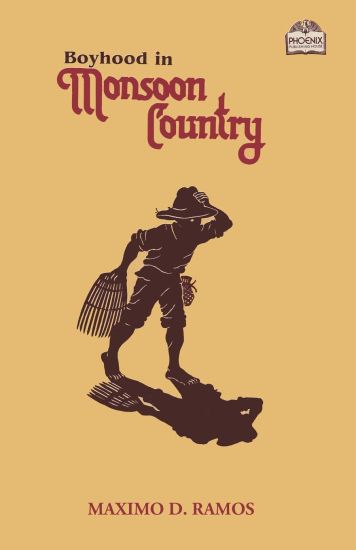
Boyhood in Monsoon Country

Boyhood in Monsoon Country

Maximo D Ramos

Independently Published
2018
pokkari
Maximo D. Ramos wrote a number of books detailing the history and culture of the Philippines. Boyhood in Monsoon Country is a collection of little essays about village life as a boy. It is not just the content here, which presents a fascinating range of topics from the food to the bird life to even the mythological creatures that kept him and his friends scared of entering into the woods -- what really speaks to the reader is the lyrical and conversational quality of the writing. Ramos's observations are often hilarious, often poignant, and always stream of consciousness, like a warm grandfather relaying his adventures to his grandchildren who gather around him to take it all in. As Ramos explores his own life and times, his invitation is a simple but profound one: now that he has shared his life, he implores the reader to think about and celebrate their own. Reading Boyhood in Monsoon Country feels like an exchange of lives-- a conversation that lets us into Ramos' world, and encourages us to think of the humanity that unites us all.Contents: Early School DaysWe Had Gizzards of IronWe Had Food Specials, TooOur Peer GroupThe Games We PlayedThe Birds We KnewOur Homely NamesThe Harmful Gods of Our CountrysideWe Had Just About All We NeededA Note to Agents of ChangeThe Magic of Old Place-NamesHoliday in BlackSweet Were the Uses of NecromancyPicnicHoly Week in Monsoon CountryGlossary of lloko Term
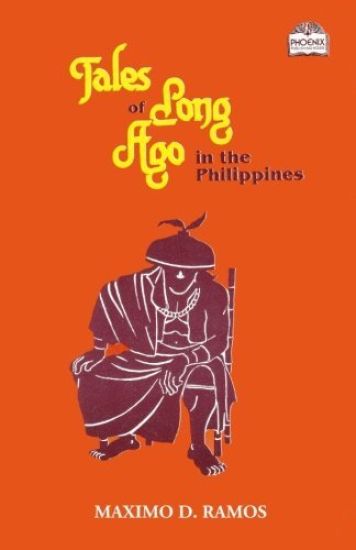
Tales of Long Ago in the Philippines

Tales of Long Ago in the Philippines

Maximo D Ramos

Createspace Independent Publishing Platform
1990
pokkari
A collection of 37 Myths, Legends, and Folktales from around the Philippines that showcase the rich and diverse cultural identity throughout the archipelago. The book includes some illustrations, making it a wonderful collection to share with children of Filipino ancestry, or anyone interested in learning about different cultures from around the globe. ORIGIN MYTHS: How the Earth Was Created Why the Sky Rose High How the Sun and the Moon Came to Be Why the Sea Is Salt The First Monkey The Origin of the Owl and Other Creatures Legend of the Black Cat All-Head Juan Why the Snail Tastes Bitter How the Crocodile Learned to Hunt Why the Egret Rides on the Carabao ANIMAL TALES: The Tortoise and the Ban-og The Crocodile and the Monitor Lizard The Monkey, the Tortoise, and the Banana Tree The Guest Who Broke His Promise The Tortoise and the Lizard Bobowaya and Amomo-ay The Lizard's Treachery The Monkey and the Tortoise TALES TO LAUGH OVER: The Foolish Fishermen and the Carabao The Tale of Padol How Monsai Enslaved His Master The Foolish Farmer and His Carabao The Hunter and His Wife The Ginger of Aunt Guinampang ADVENTURE TALES: The Two Neighbors and the Crocodile Tale of the White Squash Datu Omar and the Elf The Woodcutter and the Python Mangosparos and the Monkeys Six Brothers and a Cat The Boy and the Crocodile The Magic Ring Tale of Two Women HERO TALES: The Magic Tree The Love of Rajah Mangandiri The Bird that Stole the Sultan's Beard
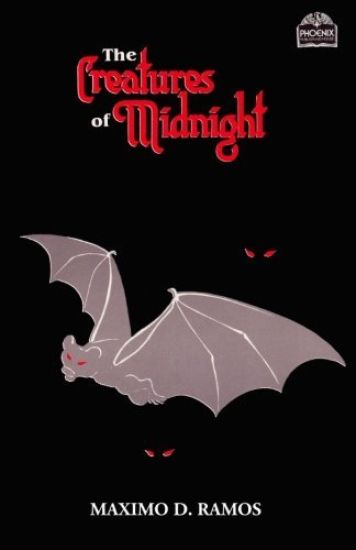
The Creatures Of Midnight

The Creatures Of Midnight

Maximo D Ramos

Createspace Independent Publishing Platform
1990
pokkari
This book tells about 85 creatures of legend from Philippine Folklore. Many people believe that they exist and are afraid of them. The people of the ancient Philippines believed many things about the unseen creatures of the Philippine storyland. If you have met a good storyteller, he may have told you interesting legends about these creatures. And you may have asked a lot of questions about them which he could not answer. If you want to know more about these beings, turn the pages of this book, look at the pictures, and enjoy what is said about them.We call them creatures of midnight because it is said that they show themselves to people about the middle of the night.
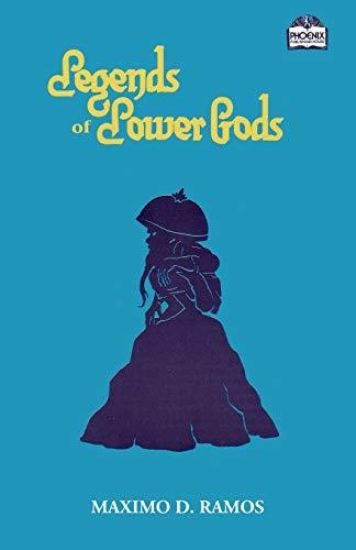
Legends of Lower Gods

Legends of Lower Gods

Maximo D Ramos

Createspace Independent Publishing Platform
1990
pokkari
A WIDE VARIETY of pre-Islamic and pre-Christian deities haunt the Philippine countryside. This explains why few of our village folk venture out after dark.These pre-Spanish gods I have classified under twelve groups: 1. Demons
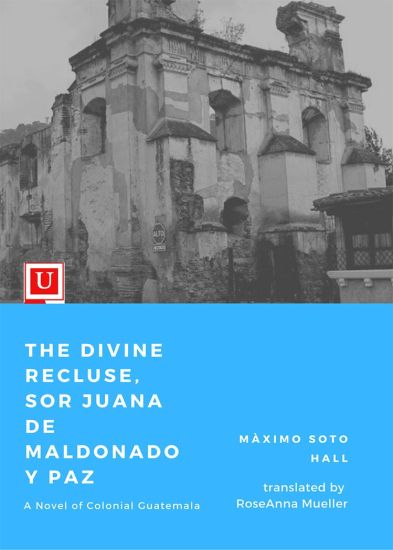
The Divine Recluse

The Divine Recluse

Maximo Soto Hall

Universitas Press
2022
nidottu
This is the first English translation of a modern Guatemalan classic, based on the life of Sor Juana (1598-1668), the poet-nun who has inspired several other Latin American authors.
Distant Connections: The Memory Basis of Creative Analogy

Distant Connections: The Memory Basis of Creative Analogy

Máximo Trench; Ricardo A. Minervino

Springer Nature Switzerland AG
2020
nidottu
Analogical thinking lies at the core of human cognition, pervading from the most mundane to the most extraordinary forms of creativity. By connecting poorly understood phenomena to learned situations whose structure is well articulated, it allows reasoners to expand the boundaries of their knowledge. The first part of the book begins by fleshing out the debate around whether our cognitive system is well-suited for creative analogizing, and ends by reviewing a series of studies that were designed to decide between the experimental and the naturalistic accounts. The studies confirm the psychological reality of the surface bias revealed by most experimental studies, thus claiming for realistic solutions to the problem of inert knowledge. The second part of the book delves into cognitive interventions, while maintaining an emphasis on the interplay between psychological modeling and instructional applications. It begins by reviewing the first generation of instructional interventions aimed at improving the later retrievability of educational contents by highlighting their abstract structure. Subsequent chapters discuss the most realistic avenues for devising easily-executable and widely-applicable ways of enhancing access to stored knowledge that would otherwise remain inert. The authors review results from studies from both others and their own lab that speak of the promise of these approaches. ?
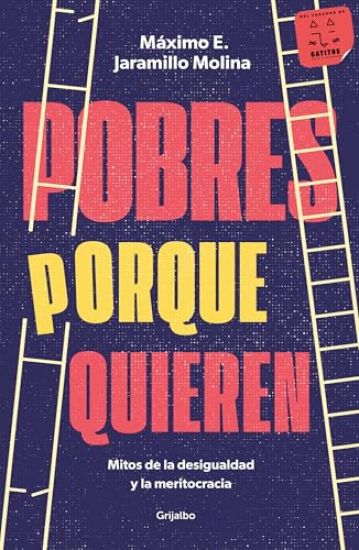
Pobres Porque Quieren. Mitos de la Desigualdad Y La Meritocracia /Poor Because They Want to Be
«Un manifiesto que nos invita a dejar atr s la inercia, los mitos que discriminan, y la falsa neutralidad frente a las ra ces de la desigualdad. -PATRICIA MERCADO, senadora de la Rep blica M xico y el resto de Latinoam rica son sociedades sumamente desiguales. Pero tambi n son sociedades que creen fervientemente en los mitos de la narrativa meritocr tica y, en gran medida, perciben dichas desigualdades como leg timas. El problema no es solo que exista la meritocracia, sino los efectos morales y subjetivos perversos que provoca. Bajo esa narrativa se cree que cada quien recibe lo que merece: que el pobre es pobre porque quiere y que el rico es rico por talentoso y trabajador. En este libro M ximo E. Jaramillo Molina --doctor en Sociolog a y creador del proyecto Gatitos contra la Desigualdad-- detalla c mo la narrativa meritocr tica resulta funcional para legitimar la extrema acumulaci n a la par de la pobreza extrema. A lo largo de siete cap tulos el autor busca desmontar los distintos mitos --«los pobres son pobres porque quieren , «con esfuerzo y talento cualquiera puede volverse millonario , «el patriarcado y el racismo no existen, se trata de clasismo , «la educaci n te sacar de pobre , «los j venes prefieren no tener viviendas , «los programas sociales hacen dependientes del gobierno a sus beneficiarios -- que sostienen la narrativa meritocr tica en sociedades con desigualdad extrema y creciente, como la mexicana. Pobres porque quieren es un llamado a derrumbar esta narrativa que ha hecho que las personas se creen una visi n individualista del mundo, olvidando que los logros de cada quien son resultados colectivos y de su contexto. Este libro es una argumentaci n profunda a favor de que en M xico no hay pobres porque as lo quieran: hay pobreza porque hay riqueza descomunal; hay opresi n, dominaci n y explotaci n, y esto, nos dice el autor, tiene que quedarnos claro para exigir cambios transformativos en nuestra sociedad. ENGLISH DESCRIPTION "A manifesto urging us to overcome inertia, discard discriminatory myths, and reject false neutrality in the face of deep-seated inequality." PATRICIA MERCADO, Mexican Senator Mexico and the rest of Latin America are sharply unequal societies. But they are also societies with a fervent belief in the myth of meritocracy, and their inequalities are largely perceived as legitimate. The problem is not only the existence of meritocracy, but also its perverse moral and subjective effects. According to this narrative, everyone gets what they deserve: The poor are poor because they want to be, and the rich got that way because they are talented and hardworking. In this book, M ximo E. Jaramillo Molina -- PhD in Sociology and creator of the Gatitos contra la Desigualdad (Cats against Inequality) project -- explains how the narrative of meritocracy works to legitimize extremes of wealth and poverty. In seven chapters, he debunks the myths -- "poor people are poor because they want to be," "anyone can become a millionaire through hard work and talent," "there's no such thing as patriarchy or racism; the real issue is classism," "education is the ticket out of poverty," "young people would rather not own homes," "social programs make their beneficiaries dependent on the government"-- that underpin the narrative of meritocracy in societies characterized by extreme and spiraling poverty, such as Mexico. Poor Because They Want to Be calls on us to refute ideas such as these, which encourage an individualistic view of the world while ignoring the fact that personal achievements are collective results and a product of their context. This book is a compelling argument that Mexico's poor aren't that way because they want to be; instead, poverty exists because of the unequal distribution of wealth, because of oppression, domination and exploitation. This reality must be understood before transformative social change is possible.