A Children's Bookshelf Selection: Each month our editor's pick the best books for children and young adults by age to be a part of the children's bookshelf. These are editorial recommendations made by our team of experts. Our monthly reading list includes a mix of bestsellers and top new releases and evergreen books that will help enhance a child's reading life.
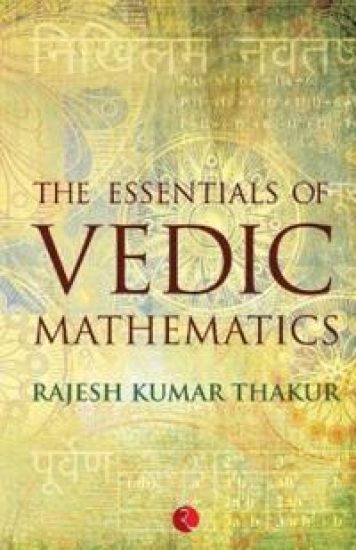
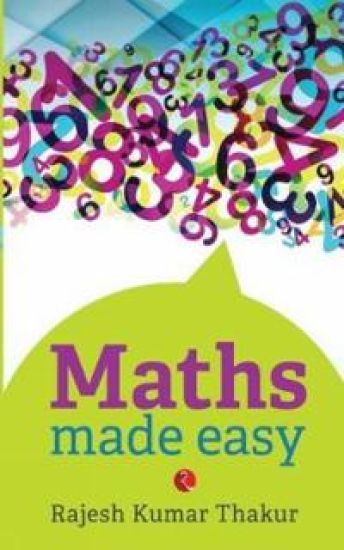
Since the time of human evolution, the affinity of human beings with numbers is well known. The Quipu helped people count sheep in herd, peebles helped Pythagoras to think of number like triangular numbers, square numbers and the journey to search for numbers is still continuing. This book talks about different kind of numbers-Numbers named on Mathematicians, Figurative numbers, Quotation of numbers besides focussing on characteristics of numbers from 0 to 100. This book certainly helps the 'num
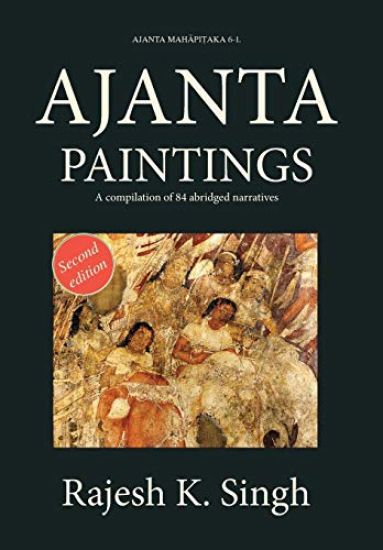
This book contains: Colour photographs of 70 Ajanta narrative paintings. 84 abridged Buddhist legends. Elementary introduction to the Ajanta paintings. Information based on the current research. A window to deeper studies. References to the scholarly works that first identified the nearest textual sources of the painted legends.
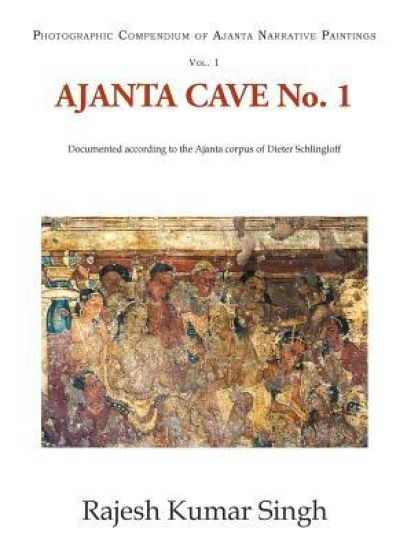
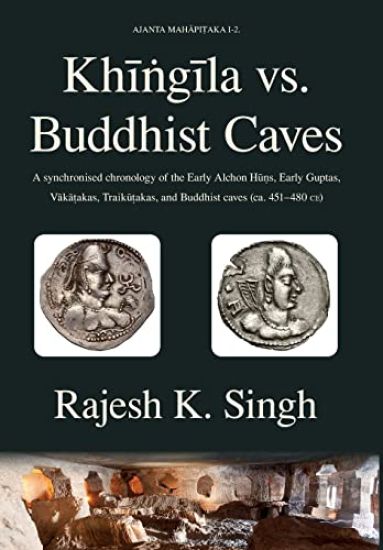
This monograph is meant for the researchers of South Asian studies with a focussed interest on the history and art of the late fifth century CE.The new study proposes a reconstructive chronology of the times. It clarifies that the fifth-century rock-cut monuments of India were all Buddhist with only a few exceptions. The excavations had begun in the peaceful times of circa 461/462 CE. However, by circa 480 CE all the cave temples were abandoned even before completion. The study re-examines the cause of the abandonment and presents some new revelations.It was ca. 465 CE when the Hephthalite Hūṇs attacked the Early Alchon Hūṇs in the Greater Gandhāra region forcing the Buddhist monks to disperse inter alia towards the Deccan, which was then peaceful. Many Buddhist rock-cut sites were flourishing there under the Gupta-Vākāṭaka-Traikūṭakas: Bagh, Ajanta, Ellora, Mahāḍ, Dhārāśiva (Jain), Banoṭī, Ghaṭotkaca, Nasik, Loṇāḍ, Kondavite, and Kanheri.The ousted Alchons led by Mahāṣāhi Khīṅgīla (r. ca. 440 to 492-496 CE) advanced into India and came up to the Narmada-Tapti valleys. The new intrusions witnessed many battles, particularly those of ca. 469, 472, and 477 CE wherein many great Indian emperors and kings were perished: Kumāragupta I, Nāgabhaṭa, Ghaṭōtkacagupta, Skandagupta, Narasimhagupta, Narendra Sena, Ravisāmba, Kumāragupta II, Hari Ṣeṇa, and Dahrasena.These disturbances in India now forced the migrant Gandhāran and the resident Deccani monks to escape to distant lands including Kucha in Central Asia. Consequently, there was catalysed the Kuchean Period III, which witnessed the introduction of many Gandhāran and Deccani ideas.Finally Buddhagupta ousted the Alchons in ca. 478 CE. The persistent defeat had taught the Alchons a lesson. They now imbibed the Indian values of liberalism as statecraft, which allowed them unobstructed rule for the next one century and two decades (ca. 479-ca. 600 CE) when they ruled from Greater Gandhāra to the Narmada valley.The new picture comes out when we attempt to synchronise and iron out the anachronisms from the known chronologies of the Early Alchons, Early Guptas, Vākāṭakas, Traikūṭakas, Gandhāra, and the rock-cut monuments of India and Kucha in the late 5th century CE. It is revealed that the monasteries were abandoned due to the attacks by the Early Alchon Hūṇs.
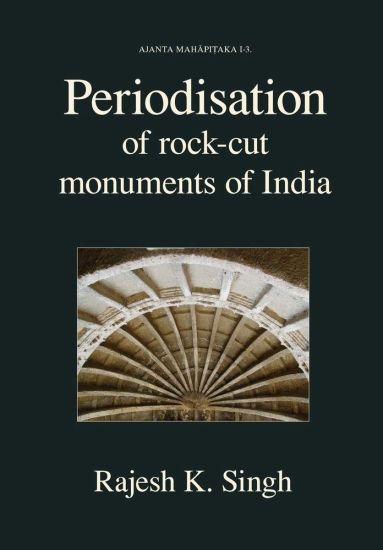
This monograph is meant for advanced researchers of South Asian architecture of the ancient times. Here you will find a novel periodisation system to better understand how the rock-cut architecture developed across time.Many unknown and lesser known facts will be found here suggesting that the rock-cut monuments of India developed through eight periods and five intervals. Data and interpretations will be found that indicate that on several junctures the Deccani rock-cut art and architecture were inspired by some compelling Gandhāran ideas.There were also some junctures when Deccani ideas inspired the developments in other lands, such as Kucha in Central Asia. It is also revealed how the early Kuchean 'central pillar caves' inspired the later developments in the Buddhist caves of Aurangabad and the Śaivite cave temples of Konkan and the Deccan.The periodisation system may be useful when no other reliable data such as inscriptions are available.
"Anubhav" as a memoir based on a special experience of life and dedicated to every poor child who is doing great things in his young age. Seeing the courage of his work, even the word "Anubhav" seems small. In this book, small memoirs based on personal experience have been presented very well in a practical way keeping in mind the everyday events. Today, in the world of English medium education, even children can understand and follow the article without meaning, hence colloquial Hindi has been used.
कला-मन' का अपना ही एक ललित स्वाद और संवाद है। राजेश कुमार व्यास कलाओं को लेकर एक खिड़की और आकाश एक साथ रचते हैं-खिड़की कलाओं को देखने-सुनने की और आकाश वह, जहाँ कुछ रचनात्मक घटित हो रहा है, जिसे देखने में हमें आनंद मिलता है। कलाएँ स्वयं अपने रचनाकारों के माध्यम से, मानो कुछ नया खोजती रहती हैं और पुराने को सहेजती भी हैं, जिसका नया होना, होते रहना कभी समाप्त नहीं होता। व्यास के लेखन में इस तथ्य का, इस बोध का, कलाओं के मर्म का भान सदा बना रहता है। एक जगह वह लिखते हैं-कला क्]या है? आकार, रंग, अंतरिक्ष (स्पेस) का सम्मिलित सौंदर्य ही तो है ''''संगीत, नृत्य-चित्र, नाट्य को अपने में बसाते हम कला के समय में रूपांतरित हो जाते हैं। हम वह नहीं रहते, जो पहले थे। कला के समय का इससे बड़ा सच और क्या हो सकता है कलाओं का अंतर्सबंध भी राजेश कुमार व्यास की इस रचना में लगातार ध्वनित होता है। कलाओं के बारे में लिखते हुए वह, मानो पाठक को कलाओं के संसार में आने का निमंत्रण देते हैं। सुखद है कि व्यास नियमित ढंग से कलाओं पर लिखते हैं । उनको उत्सव- सा मानते हैं और उनमें विन्यस्त विचारों को रेखांकित करते हैं । निश्चय ही उनके लेखन से हिंदी में कला-लेखन समृद्ध हो रहा है। इसमें भला क्या संदेह कि एक बड़ा पाठक वर्ग उनकी इस पुस्तक को भी प्रीतिपूर्वक अपनाएगा, जिस तरह वह पहले भी अपनाता रहा है। -प्रयाग शुक्ल
This text provides extensive knowledge and information on selecting suitable samples, employing appropriate collection methods, and dispatching them correctly, as well as diagnosing microbial and parasitic agents, clinical pathology, and histopathology from a single source, which can help overcome the challenges frequently encountered in field laboratories.In addition to providing formats for common disease diagnosis and reporting, the text also offers contact information for diagnostic firms and labs. To ensure that procedures can be used by a variety of laboratory personnel, including veterinary officers, students, and technicians, the procedures are described in simple language for assessing an animals health.It is hoped that this book, titled Veterinary Clinical Diagnostic Techniques, will greatly benefit its users in the field of disease diagnosis.
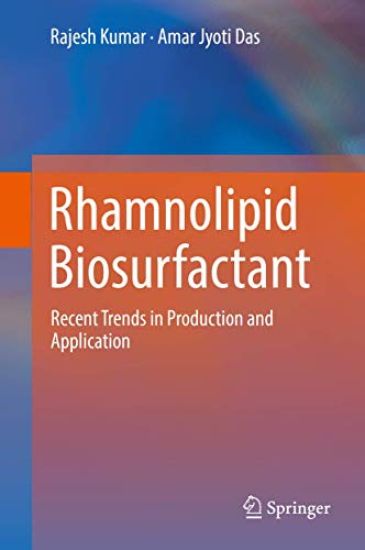
This book highlights the recent developments on rhamnolipid biosurfactant, its properties, role on the natural environment and various applications. Recently, it has shown promising application in Environment, Agriculture, food, petroleum, and pharmaceutical industries due to its environment-friendly and easily degradable nature. The book emphasizes on the various techniques that are utilized for the detection and isolation of rhamnolipid biosurfactant from microorganisms. It highlights the various aspects of the rhamnolipid biosurfactants including structural characteristics, production, and its application. The book presents the current knowledge and the latest advances in the function-based metagenomics strategies to facilitate the exploration of the novel biosurfactants.