Kirjojen hintavertailu. Mukana 12 016 292 kirjaa ja 12 kauppaa.

Kirjahaku

Etsi kirjoja tekijän nimen, kirjan nimen tai ISBN:n perusteella.

1000 tulosta hakusanalla Virginia Woolf

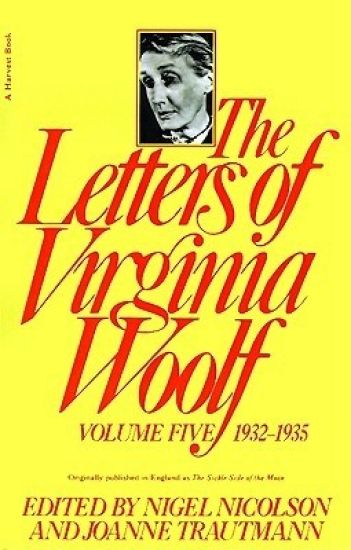
Letters of Virginia Woolf 1932-1935

Letters of Virginia Woolf 1932-1935

Virginia Woolf; Nigel Nicolson

Mariner Books Classics
1982
nidottu
The penultimate volume of Woolf's letters, when the author was between the ages of 50 and 53, covers the composition of the Years and the death of Lytton Strachey and Roger Fry. "Her wit flashes, often unexpectedly, in letters of almost every kind" (New Yorker). Edited by Nigel Nicolson and Joanne Trautmann; Introduction by Nigel Nicolson; Index.
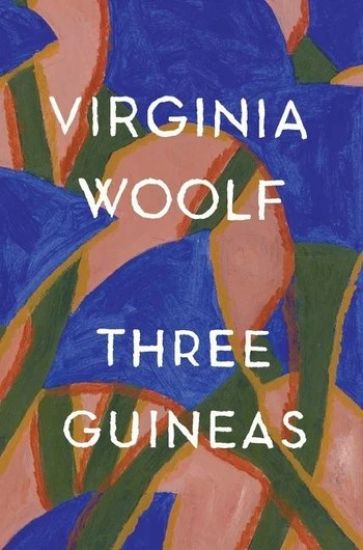
Three Guineas: The Virginia Woolf Library Authorized Edition

Three Guineas: The Virginia Woolf Library Authorized Edition

Virginia Woolf; Mark Hussey

Mariner Books Classics
1963
nidottu
"Though we see the same world, we see it through different eyes." Setting out to answer the question "How are we to prevent war?" Virginia Woolf argues that the inequalities between women and men must first be addressed. Framing her arguments in the form of a letter, Woolf wittily ponders to whom--among the many who have requested it--she will donate a guinea. As she works out her reasons for which causes she will support, Woolf articulates a vision of peace and political culture as radical now as it was when first published on the eve of the Second World War. A founding text of cultural theory, Three Guineas can also help us understand the twenty-first-century realities of endless war justified by "unreal loyalties." "Witty, scornful, deeply serious...If you are a woman, or anti-war, or both, read it."--The New Yorker
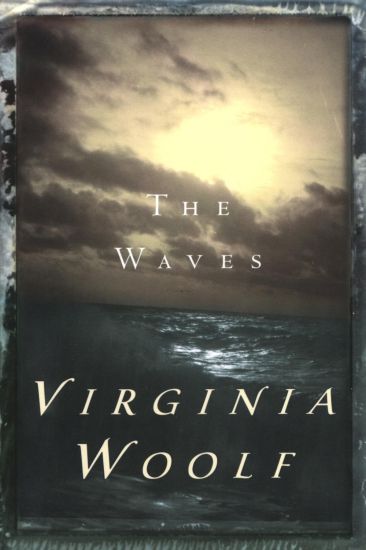
The Waves: The Virginia Woolf Library Authorized Edition

The Waves: The Virginia Woolf Library Authorized Edition

Virginia Woolf; Mark Hussey

Mariner Books Classics
1950
nidottu
"I am made and remade continually. Different people draw different words from me." Innovative and deeply poetic, The Waves is often regarded as Virginia Woolf's masterpiece. It begins with six children--three boys and three girls--playing in a garden by the sea, and follows their lives as they grow up, experience friendship and love, and grapple with the death of their beloved friend Percival. Instead of describing their outward expressions of grief, Woolf draws her characters from the inside, revealing their inner lives: their aspirations, their triumphs and regrets, their awareness of unity and isolation.
Virginia Woolf and the Literature of the English Renaissance
This book examines the profound effect, on a major critic and novelist of the twentieth century, of the period of English literature's greatest glory, the Renaissance. Beginning in the sixteenth century with the poems and plays of Shakespeare and his contemporaries, and with prose writings such as Hakluyt's Voyages, and continuing through the great lyric poets of the seventeenth century, the Renaissance influenced every aspect of Virginia Woolf's work. All her available writing - letters, diaries, reading-notes, drafts of essays, and novels, and feminist polemic - are explored in this illuminating study of Virginia Woolf's varied reactions to the period and its impact on her fiction and criticism. Each of the novels, in particular, is shown to integrate some element of Renaissance literature in its language, characterization, and often structure, enriching the fiction; thus this study deepens our understanding of Woolf's creative process, and our enjoyment of the works.
Virginia Woolf and Poetry

Virginia Woolf and Poetry

Emily Kopley

Oxford University Press
2021
sidottu
Virginia Woolf's career was shaped by her impression of the conflict between poetry and the novel, a conflict she often figured as one between masculine and feminine, old and new, bound and free. In large part for feminist reasons, Woolf promoted the triumph of the novel over poetry, even as she adapted some of poetry's techniques for the novel in order to portray the inner life. Woolf considered poetry the rival form to the novel. A monograph on Woolf's sense of genre rivalry thus offers a thorough reinterpretation of the motivations and aims of her canonical work. Drawing on unpublished archival material and little-known publications, the book combines biography, book history, formal analysis, genetic criticism, source study, and feminist literary history. Woolf's attitude towards poetry is framed within contexts of wide scholarly interest: the decline of the lyric poem, the rise of the novel, the gendered associations with these two genres, elegy in prose and verse, and the history of English Studies. Virginia Woolf and Poetry makes three important contributions. It clarifies a major prompt for Woolf's poetic prose. It exposes the genre rivalry that was creatively generative to many modernist writers. And it details how holding an ideology of a genre can shape literary debates and aesthetics.
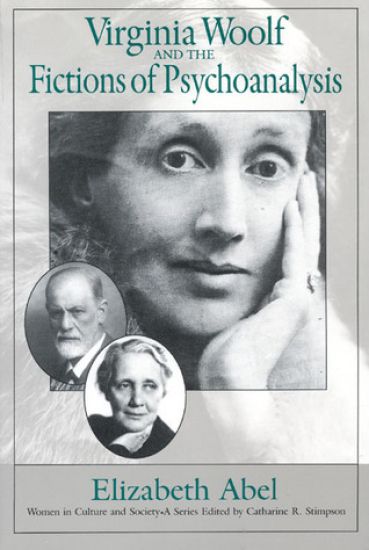
Virginia Woolf and the Fictions of Psychoanalysis

Virginia Woolf and the Fictions of Psychoanalysis

Elizabeth Abel

University of Chicago Press
1993
nidottu
"A stunning, brilliant, absolutely compelling reading of Woolf through the lens of Kleinian and Freudian psychoanalytic debates about the primacy of maternality and paternality in the construction of consciousness, gender, politics, and the past, and of psychoanalysis through the lens of Woolf's novels and essays. In addition to transforming our understanding of Woolf, this book radically expands our understanding of the historicity and contingent construction of psychoanalytic theory and our vision of the potential of psychoanalytic feminism."—Nancy J. Chodorow, University of California at Berkeley "Virginia Woolf and the Fictions of Psychoanalysis brings Woolf's extraordinary craftsmanship back into view; the book combines powerful claims about sexual politics and intellectual history with the sort of meticulous, imaginative close reading that leaves us, simply, seeing much more in Woolf's words than we did before. It is the most exciting book on Woolf to come along in some time."—Lisa Ruddick, Modern Philology
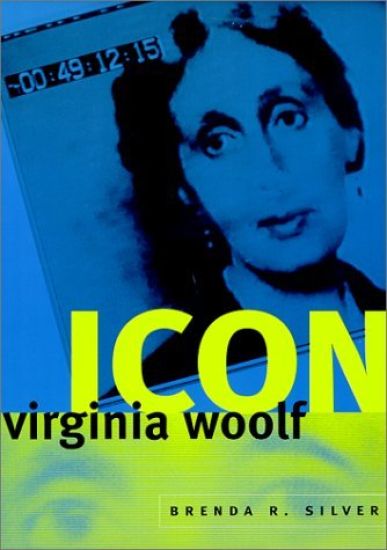
Virginia Woolf Icon

Virginia Woolf Icon

Brenda R. Silver

University of Chicago Press
2000
sidottu
This text is about "Virginia Woolf": the face that sells more postcards than any other at Britain's National Portrait Gallery, the name that Edward Albee's play linked with fear, the cultural icon so rich in meanings that it has been used to market everything from the "New York Review of Books" to Bass Ale. Brenda Silver analyzes Virginia Woolf's surprising visibility in both high and popular culture, showing how her image and authority have been claimed or challenged in debates about art, politics, anger, sexuality, gender, class, the canon, feminism, race and fashion. From Virginia Woolf's 1937 appearance on the cover of "Time" magazine to her roles in theatre, film and television, Silver traces the often contradictory representations and the responses they provoke, highlighting the recurring motifs that associate Virginia Woolf with fear. By looking more closely at who is afraid and the contexts in which she is perceived to be frightening, Silver illustrates how Virginia Woolf has become the site of conflicts about cultural boundaries and legitimacy that continue to rage at the end of the 20th century.
Virginia Woolf Icon

Virginia Woolf Icon

Brenda R. Silver

University of Chicago Press
2000
nidottu
This text is about "Virginia Woolf": the face that sells more postcards than any other at Britain's National Portrait Gallery, the name that Edward Albee's play linked with fear, the cultural icon so rich in meanings that it has been used to market everything from the "New York Review of Books" to Bass Ale. Brenda Silver analyzes Virginia Woolf's surprising visibility in both high and popular culture, showing how her image and authority have been claimed or challenged in debates about art, politics, anger, sexuality, gender, class, the canon, feminism, race and fashion. From Virginia Woolf's 1937 appearance on the cover of "Time" magazine to her roles in theatre, film and television, Silver traces the often contradictory representations and the responses they provoke, highlighting the recurring motifs that associate Virginia Woolf with fear. By looking more closely at who is afraid and the contexts in which she is perceived to be frightening, Silver illustrates how Virginia Woolf has become the site of conflicts about cultural boundaries and legitimacy that continue to rage at the end of the 20th century.
Virginia Woolf’s Ethics of the Short Story
Virginia Woolf's Ethics of the Short Story aims at a synthetic appraisal of Woolf's short stories as a space of encounter and a site of resistance. It throws a new light on Woolf's short stories as foregrounding the ethical as well as the political and the aesthetic and shows how they participate fully in her creative process.
Virginia Woolf - Mrs Dalloway

Virginia Woolf - Mrs Dalloway

Michael Whitworth

Red Globe Press
2015
sidottu
Virginia Woolf's Mrs Dalloway (1925) has long been recognised as one of her outstanding achievements and one of the canonical works of modernist fiction. Each generation of readers has found something new within its pages, which is reflected in its varying critical reception over the last ninety years. As the novel concerns itself with women's place in society, war and madness, it was naturally interpreted differently in the ages of second wave feminism, the Vietnam War and the anti-psychiatry movement.This has, of course, created a rather daunting number of different readings. Michael H. Whitworth contextualizes the most important critical work and draws attention to the distinctive discourses of critical schools, noting their endurance and interplay. Whitworth also examines how adaptations, such as Michael Cunningham's The Hours, can act as critical works in themselves, creating an invaluable guide to Mrs Dalloway.
Virginia Woolf's Bloomsbury, Volume 1
This volume features new essays by eminent and emerging Woolf scholars, focusing on the aesthetics and influences of Virginia Woolf's work. Themes include eco-criticism, conceptions of intellectual women, spaces and places, and Woolf beyond Bloomsbury. The volume opens with a personal reflection by Cecil Woolf, nephew of Leonard and Virginia Woolf.
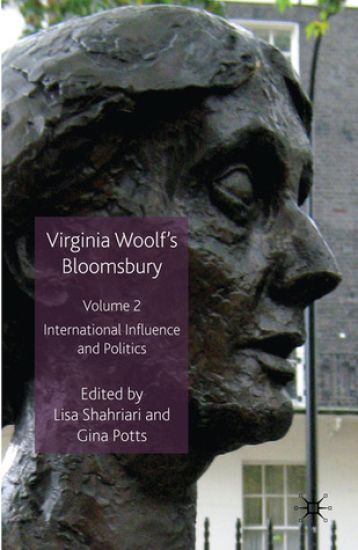
Virginia Woolf’s Bloomsbury, Volume 2
This volume features new essays by eminent and emerging Woolf scholars from around the world, focusing on Virginia Woolf's and Bloomsbury's politics. Themes include war, freedom of the press, economics and cultural production, the Hogarth Press, the global circulation of ideas, and transformations to the public sphere.
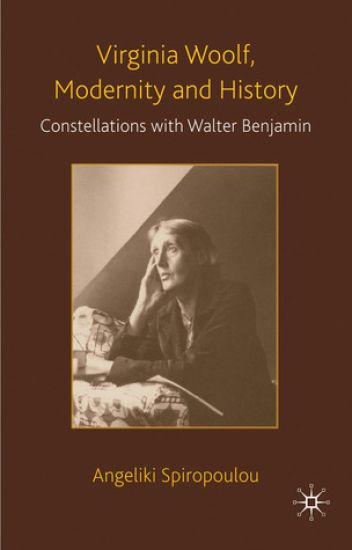
Virginia Woolf, Modernity and History

Virginia Woolf, Modernity and History

Angeliki Spiropoulou

Palgrave Macmillan
2010
sidottu
This book analyses the representation of the past and the practice of historiography in the fiction and critical writings of Virginia Woolf, and draws parallels between Woolf's historiographical imagination and the thought of Walter Benjamin, the German philosopher of history and key theorist of modernity.
Virginia Woolf: To the Lighthouse / The Waves
Two of Virginia Woolf's most influential works, To the Lighthouse and The Waves reveal the quintessence of her experimentation with narrative technique in depicting the passage of time and the nature of human consciousness. This guide includes an outline of the critical reception of Woolf's work -- placing these two texts in the context of her oeuvre -- as well as extracts from her own writing on these novels and an exploration of the birth of Woolf studies in the mid-twentieth century.
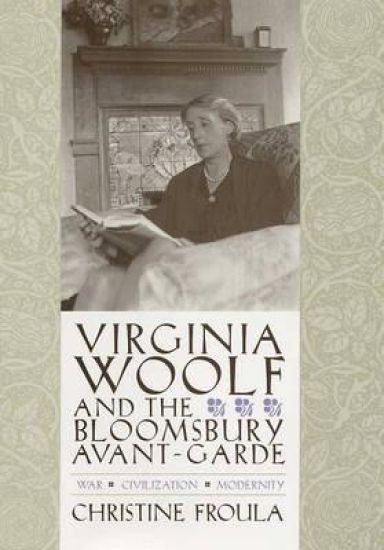
Virginia Woolf and the Bloomsbury Avant-garde

Virginia Woolf and the Bloomsbury Avant-garde

Christine Froula

Columbia University Press
2004
sidottu
Virginia Woolf and the Bloomsbury Avant-Garde traces the dynamic emergence of Woolf's art and thought against Bloomsbury's public thinking about Europe's future in a period marked by two world wars and rising threats of totalitarianism. Educated informally in her father's library and in Bloomsbury's London extension of Cambridge, Virginia Woolf came of age in the prewar decades, when progressive political and social movements gave hope that Europe "might really be on the brink of becoming civilized," as Leonard Woolf put it. For pacifist Bloomsbury, heir to Europe's unfinished Enlightenment project of human rights, democratic self-governance, and world peace-and, in E. M. Forster's words, "the only genuine movement in English civilization"- the 1914 "civil war" exposed barbarities within Europe: belligerent nationalisms, rapacious racialized economic imperialism, oppressive class and sex/gender systems, a tragic and unnecessary war that mobilized sixty-five million and left thirty-seven million casualties. An avant-garde in the twentieth-century struggle against the violence within European civilization, Bloomsbury and Woolf contributed richly to interwar debates on Europe's future at a moment when democracy's triumph over fascism and communism was by no means assured. Woolf honed her public voice in dialogue with contemporaries in and beyond Bloomsbury- John Maynard Keynes and Roger Fry to Sigmund Freud (published by the Woolfs'Hogarth Press), Bertrand Russell, T. S. Eliot, E. M. Forster, Katherine Mansfield, and many others-and her works embody and illuminate the convergence of aesthetics and politics in post-Enlightenment thought. An ambitious history of her writings in relation to important currents in British intellectual life in the first half of the twentieth century, this book explores Virginia Woolf's narrative journey from her first novel, The Voyage Out, through her last, Between the Acts.