Kirjojen hintavertailu. Mukana 11 627 220 kirjaa ja 12 kauppaa.

Kirjahaku

Etsi kirjoja tekijän nimen, kirjan nimen tai ISBN:n perusteella.

422 tulosta hakusanalla "Tissue Engineering"

Stem Cell Therapy and Tissue Engineering for Cardiovascular Repair
In excess of 7 million people worldwide die of coronary heart disease each year. Only one-third of these heart attack victims recover completely. The remainder suffer the consequences of myocardial infarction and its ill fated remodeling process, resulting in chronic congestive heart failure. This malady alone is the leading cause of hospital admissions in the United States. New breakthroughs in stem cell therapy and tissue engineering have promised to reverse this dismal outcome by cardiovascular repair. World authorities, including scientists and regulatory authorities, have joined in a collaborative effort to present for the reader the first collective review of stem cell therapy for the treatment of cardiovascular disease. These contributions in basic science, pre-clinical and clinical experience guided by the regulatory pathways, assure a rapid course of translational research and clinical trials. The contents of this publication will become a prerequisite for those preparing to meet the challenges of this exciting and potentially rewarding field of stem cell research.
PDE Modeling of Tissue Engineering and Regenerative Medicine

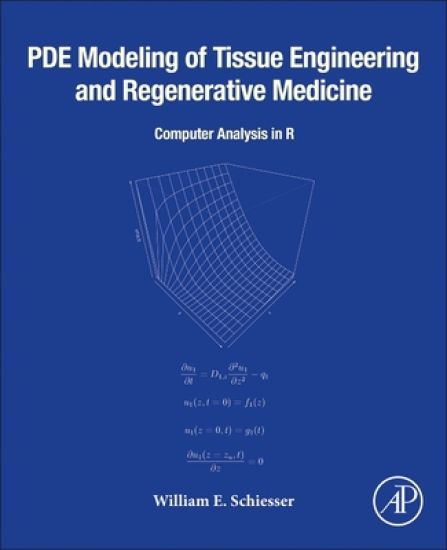
PDE Modeling of Tissue Engineering and Regenerative Medicine

William E. Schiesser

ELSEVIER SCIENCE PUBLISHING CO INC
2022
nidottu
PDE Modeling of Tissue Engineering and Regenerative Medicine: Computer Analysis in R presents the formulation and computer implementation of mathematical models for the forefront research areas of tissue engineering and regenerative medicine. The mathematical model discussed in this book consists of a system of eight partial differential equations (PDEs) with dependent variables. The computer-based example models are presented through routines coded in R—a quality, open-source scientific computing system that is readily available from the Internet. Formal mathematics is minimized, e.g., no theorems and proofs. Includes detailed examples that the reader can execute on modest computers.
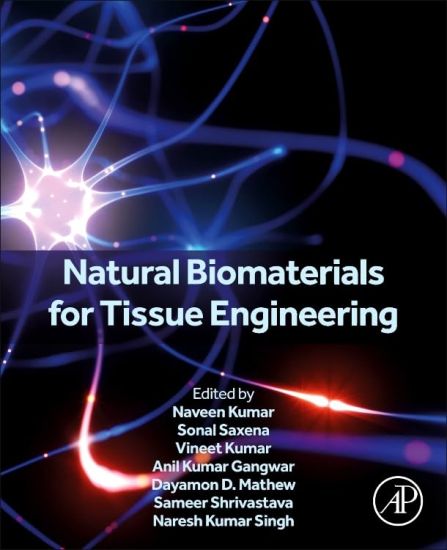
Natural Biomaterials for Tissue  Engineering

Natural Biomaterials for Tissue Engineering

ELSEVIER SCIENCE PUBLISHING CO INC
2024
nidottu
Natural Biomaterials for Tissue Engineering is a comprehensive reference that provides in-depth principles for supporting and enabling knowledge during the tissue production process, focusing on different cell systems. The tissue fabrication process is illustrated with specific examples for more than 30 tissues, which may soon lead to new tissue engineering therapies. The section coverage includes an overall introduction, decellularization protocols specific to each tissue, characterization, materials and methods, cell seeding process, preclinical evaluation in laboratory animals, clinical applications, limitations, conclusion, and future challenges. Readers may turn to this up-to-date coverage for a widespread understanding of regenerative medicine, which will be useful to students and experts alike.
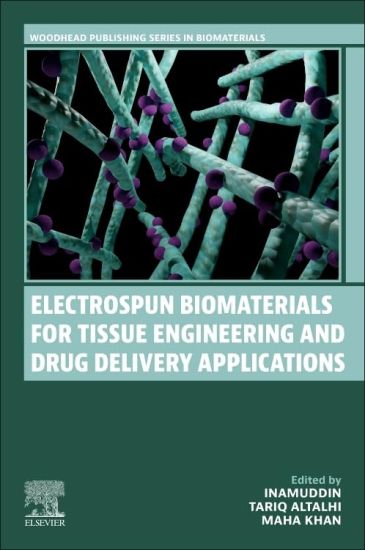
Electrospun Biomaterials for Tissue Engineering and Drug Delivery Applications
Electrospun Biomaterials for Tissue Engineering and Drug Delivery Applications introduces the fundamental principles of electrospinning and provides an understanding of the electrospinning process, including the selection of polymers, solvent systems, and processing parameters to achieve desired properties. Tissue engineering applications of electrospun nanofibers across a wide range of tissues and organs is covered, including bone, cartilage, skin, blood vessels, and more. This book also explores the growing role of electrospun biomaterials in wound dressings and controlled drug delivery systems, reviewing a broad selection of material classes such as starch, cellulose, chitosan, and gelatin. “Electrospun Biomaterials for Tissue Engineering and Drug Delivery Applications” is a useful resource for researchers and postgraduate students working in the fields of biomaterials, tissue engineering, and pharmaceutical sciences.
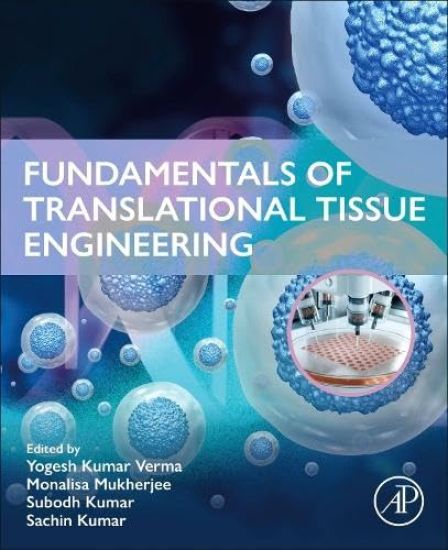
Fundamentals of Translational Tissue Engineering

Fundamentals of Translational Tissue Engineering

ELSEVIER SCIENCE PUBLISHING CO INC
2025
nidottu
Fundamentals of Translational Tissue Engineering explores the practical dimensions of tissue engineering (TE), outlining the intricate path of development of tissue engineered products. The book navigates the reader through the fundamental aspects and challenges in TE, equipping the reader with insights crucial to comprehending the journey a tissue engineered product traverses on its way to clinical translation. The first section, Material Sciences, provides the reader with a general overview covering the basics of scaffolds, biomaterials and techniques, while the larger, second section, Biological and Clinical Aspects, discussing the biological perspectives relating to tissue engineering. This is a multi-disciplinary work that will be ideal for audiences of varying levels of expertise, from the novice exploring fundamental concepts or the seasoned professionals seeking comprehensive information, readers of all backgrounds will be able to access and benefit from this tailored approach.
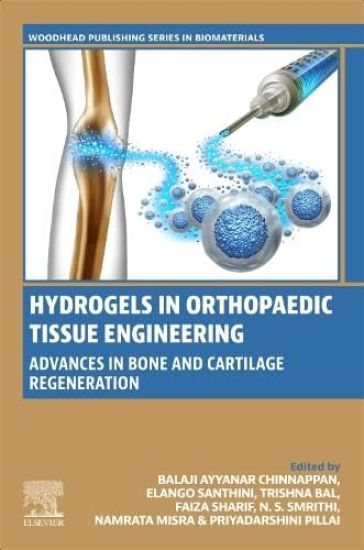
Hydrogels in Orthopaedic Tissue Engineering

Hydrogels in Orthopaedic Tissue Engineering

Balaji Ayyanar Chinnappan; Elango Santhini; Trishna Bal; Faiza Sharif; N. S. Smrithi; Namrata Misra; Priyadarshini Pillai

Elsevier - Health Sciences Division
2026
nidottu
Hydrogels in Orthopaedic Tissue Engineering: Advances in Bone and Cartilage Regeneration is a comprehensive evaluation of new and existing biomaterials transforming orthopedic care: in particular, it examines the science and application of hydrogels, showcasing their remarkable ability to mimic natural tissue environments, promote healing, and integrate seamlessly with the body. It reviews recent advances in hydrogel technology, including their design, synthesis, and functionalization for enhanced biocompatibility and mechanical properties. Each chapter provides an in-depth analysis of hydrogel-based strategies for repairing and regenerating bone and cartilage, addressing critical challenges such as vascularization, cell differentiation, and long-term stability. Through detailed case, the book offers invaluable insights for researchers, clinicians, and biomedical engineers
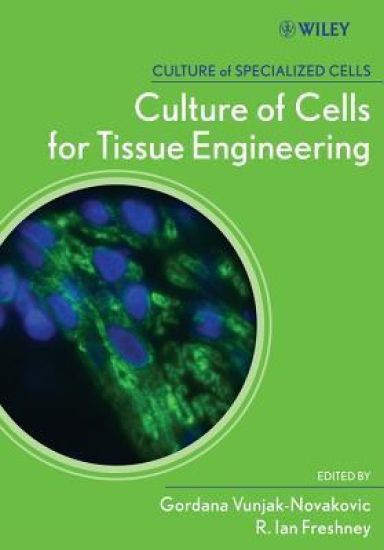
Culture of Cells for Tissue Engineering
Step-by-step, practical guidance for the acquisition, manipulation, and use of cell sources for tissue engineering Tissue engineering is a multidisciplinary field incorporating the principles of biology, chemistry, engineering, and medicine to create biological substitutes of native tissues for scientific research or clinical use. Specific applications of this technology include studies of tissue development and function, investigating drug response, and tissue repair and replacement. This area is rapidly becoming one of the most promising treatment options for patients suffering from tissue failure. Written by leading experts in the field, Culture of Cells for Tissue Engineering offers step-by-step, practical guidance for the acquisition, manipulation, and use of cell sources for tissue engineering. It offers a unique focus on tissue engineering methods for cell sourcing and utilization, combining theoretical overviews and detailed procedures. Features of the text include: Easy-to-use format with a two-part organizationLogically organized—part one discusses cell sourcing, preparation, and characterization and the second part examines specific engineered tissuesEach chapter covers: structural and functional properties of tissues, methodological principles, culture, cell selection/expansion, cell modifications, cell seeding, tissue culture, analytical assays, and a detailed description of representative studiesEnd-of-chapter features include useful listings of sources for reagents, materials, and supplies, with the contact details of the suppliers listed at the end of the bookA section of elegant color plates to back up the figures in the chapters Culture of Cells for Tissue Engineering gives novice and seasoned researchers in tissue engineering an invaluable resource. In addition, the text is suitable for professionals in related research, particularly in those areas where cell and tissue culture is a new or emerging tool.
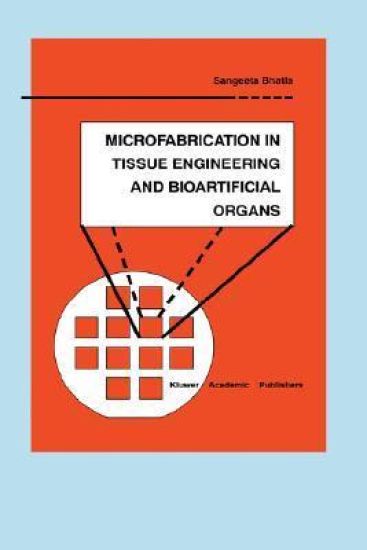
Microfabrication in Tissue Engineering and Bioartificial Organs
The Microsystems Series has as its goal the creation of an outstanding set of textbooks, references, and monographs on subjects that span the broad field of microsystems. Exceptional PhD dissertations provide a good starting point for such a series, because, unlike monographs by more senior authors, which must compete with other professional duties for attention, the dissertation becomes the sole focus of the author until it is completed. Conversion to book form is then a streamlined process, with final editing and book production completed within a few months. Thus we are able to bring important and timely material into book form at a pace which tracks this rapidly developing field. Our first four books in the series were drawn from the more physics-oriented side of the microsystems field, including such diverse subjects as computer-aided design, atomic-force microscopy, and ultrasonic motion detection. Now, with Sangeeta Bhatia's work, we enter the realm of biology. Her use of artifically structured substrates to encourage the liver cells to form orderly assemblies is a fine example of how microfabrication technology can contribute to cell biology and medicine. I am pleased to be able to add this very new and very interesting work to the Microsystems Series. Stephen D. Senturia Cambridge MA Microfabrication in Tissue Engineering and Bioartificial Organs Foreword One of the emerging applications of microsystems technology in biology and medicine is in the field of tissue engineering and artificial organs. In order to function, cells need to receive proper signals from their environment.
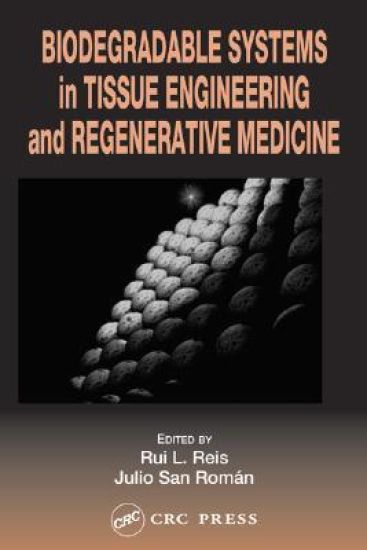
Biodegradable Systems in Tissue Engineering and Regenerative Medicine
Conventional materials technology has yielded clear improvements in regenerative medicine. Ideally, however, a replacement material should mimic the living tissue mechanically, chemically, biologically and functionally. The use of tissue-engineered products based on novel biodegradable polymeric systems will lead to dramatic improvements in health care. The most important materials in development for use in tissue engineering, replacement, and regeneration are based on polymers and on composites reinforced with bioactive ceramics. The first book to address the topic in an integrated manner, Biodegradable Systems in Tissue Engineering and Regenerative Medicine presents an extensive description of biodegradable polymers used in medicine and explores their design, development, and processing. The authors discuss the performance of biodegradable systems and the special requirements that should be taken into account when evaluating their biocompatibility. Included are several methodologies for tailoring cell adhesion and proliferation on the surface of biodegradable polymers. This book represents a coordinated effort by outstanding international experts, and provides an integrated, forward-looking perspective. By joining together the most active groups in the field, the editors offer a unified approach, representing diverse fields of study, to produce a revolution in regenerative medicine.
Standardisation in Cell and Tissue Engineering
The increased use of biodegradable synthetic or natural scaffolds combined with cells and/or biological molecules, in order to create functional replacement tissue in a damaged tissue site, has led to the need for the development of ‘best practice’ methods in the area of tissue engineering to help ensure the creation of safe, high quality products. Standardisation in cell and tissue engineering introduces concepts and current practice in the field of cell and tissue engineering to a wide audience and aims to provide awareness of the importance of standardisation in this area while suggesting directions for further investigation. Part one provides an overview of methods for cell and tissue engineering and includes chapters on the fundamentals of cell and matrix biology for tissue engineering, 3D collagen biomatrix development, and control and vascularisation of tissue-engineered constructs. Part two begins with a chapter exploring the methods and protocols of standardisation in cell and tissue engineering before moving on to highlight issues of quality control in cell and tissue engineering, standardised chemical analysis and testing of biomaterials and principles of good laboratory practice (GLP) for in vitro cell culture applications. Standardisation in cell and tissue engineering is a standard reference for leading research groups, government agencies, regulatory bodies, and researchers and technicians at all levels across the whole range of disciplines using cell culture within the pharmaceutical, biotechnology and biomedical industries.
Nanomaterials in Tissue Engineering
Nanomaterial technologies can be used to fabricate high-performance biomaterials with tailored physical, chemical, and biological properties. They are therefore an area of interest for emerging biomedical technologies such as scaffolding, tissue regeneration, and controlled drug delivery. Nanomaterials in tissue engineering explores the fabrication of a variety of nanomaterials and the use of these materials across a range of tissue engineering applications. Part one focuses on the fabrication of nanomaterials for tissue engineering applications and includes chapters on engineering nanoporous biomaterials, layer-by-layer self-assembly techniques for nanostructured devices, and the synthesis of carbon based nanomaterials. Part two goes on to highlight the application of nanomaterials in soft tissue engineering and includes chapters on cardiac, neural, and cartilage tissue engineering. Finally, the use of nanomaterials in hard tissue engineering applications, including bone, dental and craniofacial tissue engineering is discussed in part three. Nanomaterials in tissue engineering is a standard reference for researchers and tissue engineers with an interest in nanomaterials, laboratories investigating biomaterials, and academics interested in materials science, chemical engineering, biomedical engineering and biological sciences.
Biopolymer Methods in Tissue Engineering
There is an urgent need to develop new approaches to treat conditions as- ciated with the aging global population. The surgeon’s approach to many of these problems could be described as having evolved through three stages: Removal: Traditionally, diseased or badly damaged tissues and structures might simply be removed. This was appropriate for limbs and non-essential organs, but could not be applied to structures that were critical to sustain life. An additional problem was the creation of disability or physical deformity that in turn could lead to further complications. Replacement: In an effort to treat wider clinical problems, or to overcome the limitations of amputation, surgeons turned to the use of implanted materials and medical devices that could replace the functions of biological structures. This field developed rapidly in the 1960s and 1970s, with heart valve and total joint replacement becoming common. The term “biomaterial” was used increasingly to describe the materials used in these operations, and the study of biomaterials became one of the first truly interdisciplinary research fields. Today, biomaterials are employed in many millions of clinical procedures each year and they have become the mainstay of a very successful industry.
Stem Cell and Tissue Engineering

Stem Cell and Tissue Engineering

Krishna Pramanik

TAYLOR FRANCIS LTD
2024
sidottu
This book covers conventional clinical treatment methods for handling bone, cartilage, and related disorders along with their limitations and highlights the current state of the art of tissue engineering as an alternative for regenerating such defective tissue. Potential biomimetic scaffolding materials and their development, desired properties, modifications, and optimizations are described. The design and advancement in fabrication, characterization, properties, and biological functions of scaffolds, their integration with stem cells, and various bioreactor systems for tissue regeneration are presented. It further reviews in vitro and in vivo (pre-clinical) assessments of tissue constructs, involved translational challenges, and strategies in various stages of neo-tissue production.Features:Discusses the key aspects of generating engineered bone, cartilage, and associated tissues through tissue engineering approachDescribes multiple engineering principles, and processes involved in the various stages of developing biomaterials and scaffoldsCovers integration of stem cells with scaffolds, including assessment of tissue grafts, and translational strategyExplores key factors influencing tissue graft generation in bioreactors and challenges involved in various stagesIncludes several exercises including review questions and numerical problems for better understanding of the subjectThis book is aimed at researchers, students, and professionals in biomedical engineering, tissue engineering, stem cells, biomaterials, and orthopaedics.
Stem Cell and Tissue Engineering

Stem Cell and Tissue Engineering

Krishna Pramanik

TAYLOR FRANCIS LTD
2025
nidottu
This book covers conventional clinical treatment methods for handling bone, cartilage, and related disorders along with their limitations and highlights the current state of the art of tissue engineering as an alternative for regenerating such defective tissue. Potential biomimetic scaffolding materials and their development, desired properties, modifications, and optimizations are described. The design and advancement in fabrication, characterization, properties, and biological functions of scaffolds, their integration with stem cells, and various bioreactor systems for tissue regeneration are presented. It further reviews in vitro and in vivo (pre-clinical) assessments of tissue constructs, involved translational challenges, and strategies in various stages of neo-tissue production. Features: Discusses the key aspects of generating engineered bone, cartilage, and associated tissues through tissue engineering approach Describes multiple engineering principles, and processes involved in the various stages of developing biomaterials and scaffolds Covers integration of stem cells with scaffolds, including assessment of tissue grafts, and translational strategy Explores key factors influencing tissue graft generation in bioreactors and challenges involved in various stages Includes several exercises including review questions and numerical problems for better understanding of the subject This book is aimed at researchers, students, and professionals in biomedical engineering, tissue engineering, stem cells, biomaterials, and orthopaedics.
Computer-Aided Tissue Engineering

Computer-Aided Tissue Engineering

Springer-Verlag New York Inc.
2020
sidottu
This volume details protocols encompassing different aspects of computer aided design and manufacturing of 3D scaffolds and biofabricated constructs for tissue engineering applications. Chapters are divided into four parts covering optimization of scaffold architectures for computer aided tissue engineering, synthetic routes to biomaterials compatible, technological platforms and manufacturing processes, and relevant applicative scenarios. Written in the highly successful Methods in Molecular Biology series format, chapters include introductions to their respective topics, lists of the necessary materials and reagents, step-by-step, readily reproducible laboratory protocols, and tips on troubleshooting and avoiding known pitfalls. Authoritative and cutting-edge, Computer-Aided Tissue Engineering: Methods and Protocols aims to be useful for new and experienced laboratory researchers working on different aspects of corneal regeneration.
Computer-Aided Tissue Engineering

Computer-Aided Tissue Engineering

SPRINGER-VERLAG NEW YORK INC.
2021
nidottu
This volume details protocols encompassing different aspects of computer aided design and manufacturing of 3D scaffolds and biofabricated constructs for tissue engineering applications. Chapters are divided into four parts covering optimization of scaffold architectures for computer aided tissue engineering, synthetic routes to biomaterials compatible, technological platforms and manufacturing processes, and relevant applicative scenarios. Written in the highly successful Methods in Molecular Biology series format, chapters include introductions to their respective topics, lists of the necessary materials and reagents, step-by-step, readily reproducible laboratory protocols, and tips on troubleshooting and avoiding known pitfalls. Authoritative and cutting-edge, Computer-Aided Tissue Engineering: Methods and Protocols aims to be useful for new and experienced laboratory researchers working on different aspects of corneal regeneration.
Biomaterials Science and Tissue Engineering

Biomaterials Science and Tissue Engineering

Bikramjit Basu

Cambridge University Press
2017
sidottu
A comprehensive text in the field of biomaterials science and tissue engineering, covering fundamental principles and methods related to processing-microstructure-property linkages as applied to biomaterials science. Essential concepts and techniques of the cell biology are discussed in detail, with a focus quantitatively and qualitatively evaluating cell-material interaction. It gives detailed discussion on the processing, structure and properties of metals, ceramics and polymers, together with techniques and guidelines. Comprehensive coverage of in vitro and in vivo biocompatibility property evaluation of materials for bone, neural as well as cardiovascular tissue engineering applications, together with representative protocols. Supported by several multiple-choice questions, fill in the blanks, review questions, numerical problems and solutions to selected problems, this is an ideal text for undergraduate and graduate students in understanding fundamental concepts and the latest developments in the field of biomaterials science.
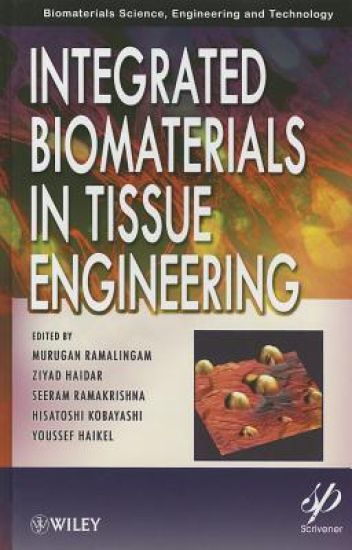
Integrated Biomaterials in Tissue Engineering
This book acts as a self-contained resource for understanding the current technological advancement of biomaterials towards tissue engineering applications. It covers impact of biomaterials at different length scales such as macro/micro/nano/ level and offers extensive discussion on cell-biomaterial interactions with illustrative examples. This resource offer a multi-disciplinary approach for the adaptability of integrated biomaterials in tissue repair and reconstruction.
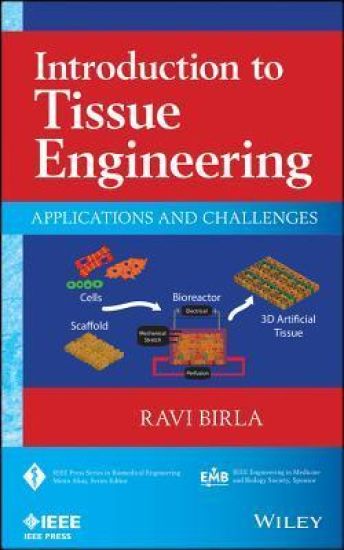
Introduction to Tissue Engineering

Introduction to Tissue Engineering

Ravi Birla

John Wiley Sons Inc
2014
sidottu
A comprehensive reference and teaching aid on tissue engineering—covering everything from the basics of regenerative medicine to more advanced and forward thinking topics such as the artificial liver, bladder, and trachea Regenerative medicine/tissue engineering is the process of replacing or regenerating human cells, tissues, or organs to restore or establish normal function. It is an incredibly progressive field of medicine that may, in the near future, help with the shortage of life-saving organs available through donation for transplantation. Introduction to Tissue Engineering: Applications and Challenges makes tissue engineering more accessible to undergraduate and graduate students alike. It provides a systematic and logical eight-step process for tissue fabrication. Specific chapters have been dedicated to provide in-depth principles for many of the supporting and enabling technologies during the tissue fabrication process and include biomaterial development and synthesis, bioreactor design, and tissue vascularization. The tissue fabrication process is further illustrated with specific examples for liver, bladder, and trachea. Section-coverage includes an overall introduction of tissue engineering; enabling and supporting technologies; clinical applications; and case studies and future challenges. Introduction to Tissue Engineering: Presents medical applications of stem cells in tissue engineeringDeals with the effects of chemical stimulation (growth factors and hormones)Covers current disease pathologies and treatment options (pacemakers, prosthesis)Explains bioengineering, design and fabrication, and critical challenges during tissue fabricationOffers PowerPoint slides for instructorsFeatures case studies and a section on future directions and challenges As pioneering individuals look ahead to the possibility of generating entire organ systems, students may turn to this text for a comprehensive understanding and preparation for the future of regenerative medicine.