Kirjojen hintavertailu. Mukana 11 717 486 kirjaa ja 12 kauppaa.

Kirjahaku

Etsi kirjoja tekijän nimen, kirjan nimen tai ISBN:n perusteella.

1000 tulosta hakusanalla Alexander Winchell

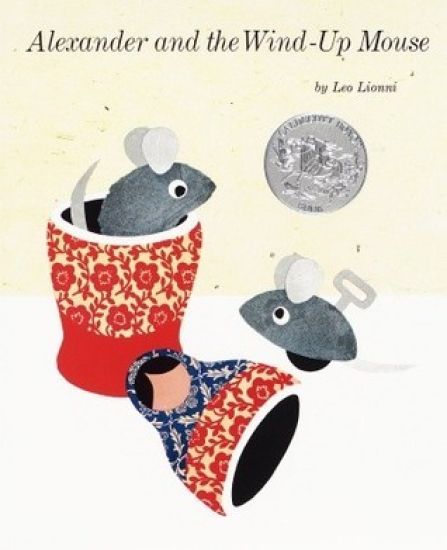
Alexander and the Wind-Up Mouse

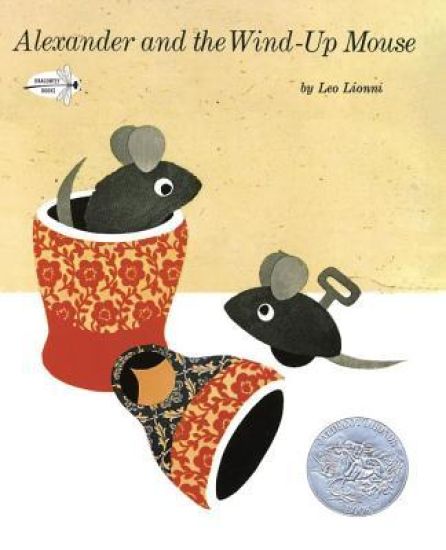
Alexander and the Wind-Up Mouse

Leo Lionni

Dragonfly Books
2017
pokkari
Pezzettino lives in a world in which everyone is big and does daring and wonderful things. But he is small, just a little piece, which is the meaning of pezzettino in Italian. I must be a piece of somebody. I must belong to someone else, he thinks. How Pezzettino learns that he belongs to no one but himself is the joyous and satisfying conclusion to this beautiful mosaic style picture book."
Alexander Hamilton

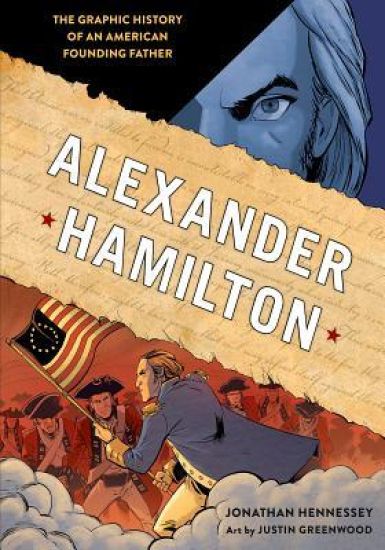
Alexander Hamilton

Jonathan Hennessey

Ten Speed Press
2017
nidottu
A graphic novel biography of the American legend who inspired the hit Broadway musical Hamilton. Alexander Hamilton was one of the most influential figures in United States history--he fought in the Revolutionary War, helped develop the Constitution, and as the first Secretary of the Treasury established landmark economic policy that we still use today. Cut down by a bullet from political rival Aaron Burr, Hamilton has since been immortalized alongside other Founding Fathers such as George Washington and Thomas Jefferson--his likeness even appears on the ten-dollar bill. In this fully-illustrated and impeccably researched graphic novel-style history, author Jonathan Hennessey and comic book illustrator Justin Greenwood bring Alexander Hamilton's world to life, telling the story of this improbable hero who helped shape the United States of America.
Alexander Pope

Alexander Pope

Alexander Pope

Routledge
1988
nidottu
Alexander Pope's technical polish and intellectual poise appeal to the subtlest audience. This selection includes The Rape of the Lock, Eloisa to Abelard, and extracts from The Dunciad and the translation of Homer.
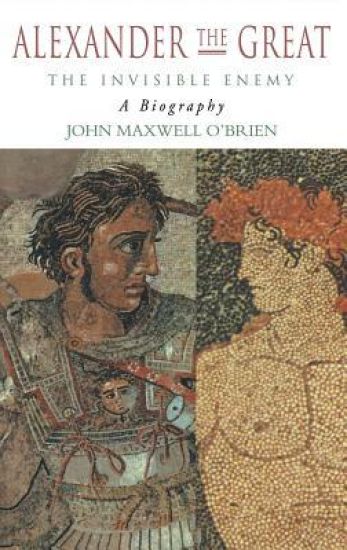
Alexander the Great: The Invisible Enemy

Alexander the Great: The Invisible Enemy

John Maxwell O'Brien

Routledge
1992
sidottu
Despite Alexander the Great's unprecedented accomplishments, during the last seven years of his life, this indomitable warrior became increasingly unpredictable, sporadically violent, megalomaniacal, and suspicious of friends as well as enemies. What could have caused such a lamentable transformation? This biography seeks to answer that question by assessing the role of alcohol in Alexander the Great's life, using the figure of Dionysus as a symbol of its destructive effects on his psyche. The unique methodology employed in this book explores various aspects of Alexander's life while maintaining an historical framework. The exposition of the main theme is handled in such a way that the biography will appeal to general readers as well as scholars.
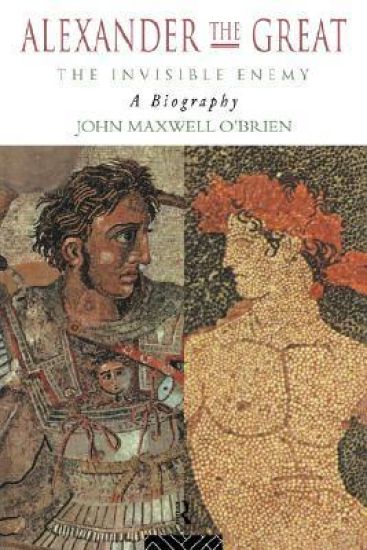
Alexander the Great: The Invisible Enemy

Alexander the Great: The Invisible Enemy

John Maxwell O'Brien

Routledge
1994
nidottu
Despite Alexander the Great's unprecedented accomplishments, during the last seven years of his life, this indomitable warrior became increasingly unpredictable, sporadically violent, megalomaniacal, and suspicious of friends as well as enemies. What could have caused such a lamentable transformation? This biography seeks to answer that question by assessing the role of alcohol in Alexander the Great's life, using the figure of Dionysus as a symbol of its destructive effects on his psyche. The unique methodology employed in this book explores various aspects of Alexander's life while maintaining an historical framework. The exposition of the main theme is handled in such a way that the biography will appeal to general readers as well as scholars.
Alexander Pope
The Critical Heritage gathers together a large body of critical sources on major figures in literature. Each volume presents contemporary responses to a writer's work, enabling students and researchers to read for themselves, for example, comments on early performances of Shakespeare's plays, or reactions to the first publication of Jane Austen's novels.The carefully selected sources range from landmark essays in the history of criticism to journalism and contemporary opinion, and little published documentary material such as letters and diaries. Significant pieces of criticism from later periods are also included, in order to demonstrate the fluctuations in an author's reputation.Each volume contains an introduction to the writer's published works, a selected bibliography, and an index of works,authors and subjects.The Collected Critical Heritage set will be available as a set of 68 volumes and the series will also be available in mini sets selected by period (in slipcase boxes) and as individual volumes.
Alexander Pope

Alexander Pope

Paul Baines

Routledge
2000
sidottu
So many questions surround the key figures in the English literary canon, but most books focus on one aspect of an author's life or work, or limit themselves to a single critical approach. Alexander Pope is a comprehensive, user-friendly guide which: * offers information on Pope's life, contexts and works * outline the major critical issues surrounding his works, from the time they were written to the present *explains the full range of different critical views and interpretations * offers guides to further reading in each area discussed.
Alexander Pope

Alexander Pope

Paul Baines

Routledge
2000
nidottu
So many questions surround the key figures in the English literary canon, but most books focus on one aspect of an author's life or work, or limit themselves to a single critical approach. Alexander Pope is a comprehensive, user-friendly guide which: * offers information on Pope's life, contexts and works * outline the major critical issues surrounding his works, from the time they were written to the present *explains the full range of different critical views and interpretations * offers guides to further reading in each area discussed.
Alexander Pope and his Critics
Warton's Essay on the Genius and Writings of Pope was one of the most influential critical works of the eighteenth century. Warton's sustained commentary on the most significant English poet of the century was read as both a promotion of Pope's literary genius, and an attack on it, and as such attracted strong opinion. At the same time its comparative critical method, drawing upon the important cultural and political events of the eighteenth century, provided a highly influential critical and creative model. This three-volume set reprints Joseph Warton's An Essay on the Genius and Writings of Pope (in two volumes), along with other responses to Pope (and Warton). The collection brings together significant documents both in the formation of eighteenth-century opinion of Pope and in the development of eighteenth century criticism. A new introduction by the editor, and an appendix discussing the revisions between editions of Warton's Essay will give the set extra value to the researcher.
Alexander the Great

Alexander the Great

Richard Stoneman

Routledge
2004
sidottu
Alexander the Great by Richard Stoneman is an introduction to the career and impact of the great Macedonian conqueror and the main themes of his reign. As well as tackling problems of interpretation, the author includes:an examination of the written and other sources and the problems of working with themdiscussion of archaeological and numismatic evidencean outline of the Macedonian backgroundinsight into Alexander's education and ideasexploration of Alexander's claim to divinityassessment of Alexander's short and long-term achievementsa study of his influence in antiquity.
Alexander the Great

Alexander the Great

Richard Stoneman

Routledge
2004
nidottu
Alexander the Great by Richard Stoneman is an introduction to the career and impact of the great Macedonian conqueror and the main themes of his reign. As well as tackling problems of interpretation, the author includes:an examination of the written and other sources and the problems of working with themdiscussion of archaeological and numismatic evidencean outline of the Macedonian backgroundinsight into Alexander's education and ideasexploration of Alexander's claim to divinityassessment of Alexander's short and long-term achievementsa study of his influence in antiquity.
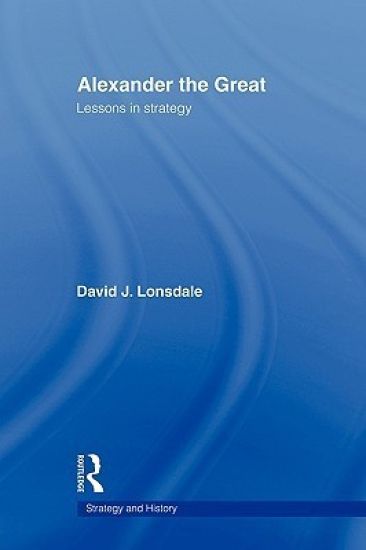
Alexander the Great: Lessons in Strategy

Alexander the Great: Lessons in Strategy

David J. Lonsdale

Routledge
2007
sidottu
This book offers a strategic analysis of one of the most outstanding military careers in history, identifying the most pertinent strategic lessons from the campaigns of Alexander the Great. David Lonsdale argues that since the core principles of strategy are eternal, the study and analysis of historical examples have value to the modern theorist and practitioner. Furthermore, as strategy is so complex and challenging, the remarkable career of Alexander provides the ideal opportunity to understand best practice in strategy, as he achieved outstanding and continuous success across the spectrum of warfare, in a variety of circumstances and environments. This book presents the thirteen most pertinent lessons that can be learned from his campaigns, dividing them into three categories: grand strategy, military operations, and use of force. Each of these categories provides lessons pertinent to the modern strategic environment. Ultimately, however, the book argues that the dominant factor in his success was Alexander himself, and that it was his own characteristics as a strategist that allowed him to overcome the complexities of strategy and achieve his expansive goals.
Alexander Dalrymple and the Expansion of British Trade
Alexander Dalrymple was once described as the man who, after Hakluyt, had done most for the spread of Britain’s commerce. In this important new work, Dr. Fry discusses Dalrymple’s extensive contribution to knowledge about New Guinea and his pioneer attempt to establish a free port on Balambangan, and shows that his interest in the possibility of a North-West Passage and his influence in government circles were to be a major factor in bringing about Vancouver’s survey.Dalrymple’s research and theories about the great Southern Continent led to his appointment by the Royal Society as commander of the 1768 expedition, and though the Admiralty countermanded this decision and appointed instead Captain Cook, Dalrymple’s geographical researches were the motivating force behind the initiation of the search for Terra Australis. Dr. Fry throws interesting new light on Dalrymple’s relations with Cook, which, he argues, have been consistently misrepresented.Dalrymple became an expert navigator and surveyor during his years as captain of East India snows, and he became in turn hydrographer of the East India Company and the Admiralty. His work in this field revolutionised chart-making and was a contribution of incalculable value to Britain’s maritime supremacy in the nineteenth century. This classic book was first published in 1970.
Alexander The Great

Alexander The Great

E.A. Wallis Budge

Routledge
2012
nidottu
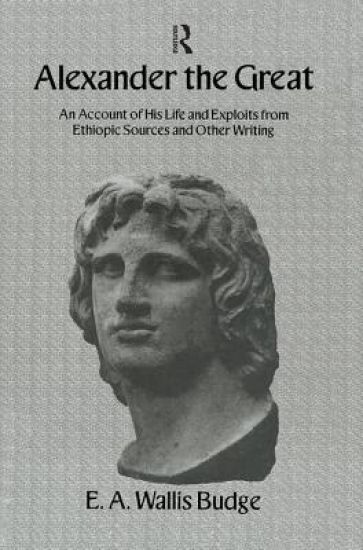
First published in 2012. Written by one of the most remarkable and erudite scholars of the early twentieth century, this book gives a unique and authoritive picture of one of the greatest men in history. The object of this work is to present lovers of legend and history Alexander, translations of all Ethiopic accounts of that man in English and to add to this necessary commentary.
Alexander the Great: Lessons in Strategy

Alexander the Great: Lessons in Strategy

David J. Lonsdale

Routledge
2009
nidottu
This book offers a strategic analysis of one of the most outstanding military careers in history, identifying the most pertinent strategic lessons from the campaigns of Alexander the Great. David Lonsdale argues that since the core principles of strategy are eternal, the study and analysis of historical examples have value to the modern theorist and practitioner. Furthermore, as strategy is so complex and challenging, the remarkable career of Alexander provides the ideal opportunity to understand best practice in strategy, as he achieved outstanding and continuous success across the spectrum of warfare, in a variety of circumstances and environments. This book presents the thirteen most pertinent lessons that can be learned from his campaigns, dividing them into three categories: grand strategy, military operations, and use of force. Each of these categories provides lessons pertinent to the modern strategic environment. Ultimately, however, the book argues that the dominant factor in his success was Alexander himself, and that it was his own characteristics as a strategist that allowed him to overcome the complexities of strategy and achieve his expansive goals.
Alexander Pope
The Critical Heritage gathers together a large body of critical sources on major figures in literature. Each volume presents contemporary responses to a writer's work, enabling students and researchers to read for themselves, for example, comments on early performances of Shakespeare's plays, or reactions to the first publication of Jane Austen's novels. The carefully selected sources range from landmark essays in the history of criticism to journalism and contemporary opinion, and little published documentary material such as letters and diaries. Significant pieces of criticism from later periods are also included, in order to demonstrate the fluctuations in an author's reputation. Each volume contains an introduction to the writer's published works, a selected bibliography, and an index of works,authors and subjects. The Collected Critical Heritage set will be available as a set of 68 volumes and the series will also be available in mini sets selected by period (in slipcase boxes) and as individual volumes.
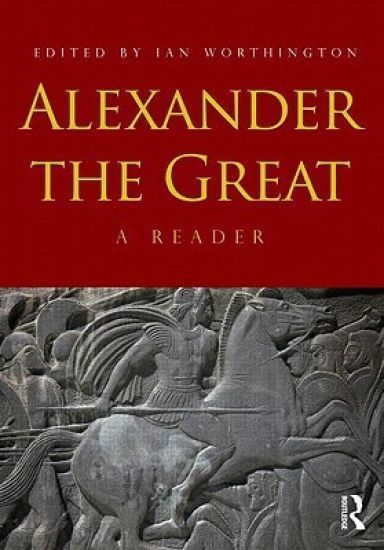
Alexander the Great
This exciting new edition is an indispensable guide for undergraduates to the study of Alexander the Great, showing the problems of the ancient source material, and making it clear that there is no single approach to be taken.The twelve thematic chapters contain a broad selection of the most significant published articles about Alexander, examining the main areas of debate and discussion:The SourcesAlexander’s Influences and the Macedonian Background Alexander’s Aims Alexander’s Battles and Generalship Alexander and the Greeks Alexander and the Persian Empire Alexander, India and the Gedrosian Desert From Mass Marriage to Death Alexander and the ‘Unity of Mankind’ Alexander and Deification Alexander and ConspiraciesAlexander: The ‘Great’? The Reader has the distinctive feature of translating a substantial number of the more inaccessible primary sources; each chapter is also prefaced with a succinct introduction to the topic under consideration.
Alexander the Great
This exciting new edition is an indispensable guide for undergraduates to the study of Alexander the Great, showing the problems of the ancient source material, and making it clear that there is no single approach to be taken.The twelve thematic chapters contain a broad selection of the most significant published articles about Alexander, examining the main areas of debate and discussion:The SourcesAlexander’s Influences and the Macedonian Background Alexander’s Aims Alexander’s Battles and Generalship Alexander and the Greeks Alexander and the Persian Empire Alexander, India and the Gedrosian Desert From Mass Marriage to Death Alexander and the ‘Unity of Mankind’ Alexander and Deification Alexander and ConspiraciesAlexander: The ‘Great’? The Reader has the distinctive feature of translating a substantial number of the more inaccessible primary sources; each chapter is also prefaced with a succinct introduction to the topic under consideration.