Physiologie du duel / par Alfred d'AlmbertDate de l'edition originale: 1853Sujet de l'ouvrage: DuelCe livre est la reproduction fidele d'une oeuvre publiee avant 1920 et fait partie d'une collection de livres reimprimes a la demande editee par Hachette Livre, dans le cadre d'un partenariat avec la Bibliotheque nationale de France, offrant l'opportunite d'acceder a des ouvrages anciens et souvent rares issus des fonds patrimoniaux de la BnF.Les oeuvres faisant partie de cette collection ont ete numerisees par la BnF et sont presentes sur Gallica, sa bibliotheque numerique.En entreprenant de redonner vie a ces ouvrages au travers d'une collection de livres reimprimes a la demande, nous leur donnons la possibilite de rencontrer un public elargi et participons a la transmission de connaissances et de savoirs parfois difficilement accessibles.Nous avons cherche a concilier la reproduction fidele d'un livre ancien a partir de sa version numerisee avec le souci d'un confort de lecture optimal. Nous esperons que les ouvrages de cette nouvelle collection vous apporteront entiere satisfaction.Pour plus d'informations, rendez-vous sur www.hachettebnf.fr
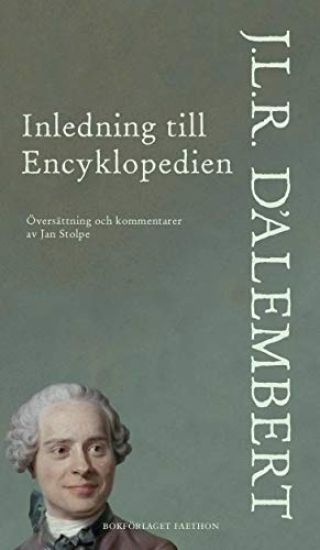
Matematikern och upplysningsta nkaren Jean Le Rond d Alembert hade tillsammans med Denis Diderot det redaktionella ansvaret fo r den monumentala Encyklopedien, till vilken han fo rfattade mer a n tusen artiklar samt en inledning. Ha r beskriver han Encyklopediens plan, metod och filosofi pa ett sa uppslagsrikt sa tt denna hans Inledning fra n 1751 blir en introduktion inte bara till det verk som Voltaire en ga ng kallade fo r »ett Babel« da r »det goda, det onda, det sanna och det falska, det allvarliga och det la ttsamma, allt a r blandat«, utan ocksa till hela det va ldiga komplex vi ka nner som upplysningen. Jan Stolpe har till denna utga va reviderat sin o versa ttning fra n 1981. Sven-Olov Wallenstein har skrivit efterordet.
Denne bog rummer et udvalg af tekster fra 'Den franske Encyklopædi'. Dette omfattende opslagsværk blev til i perioden 1751-72 med Diderot og d’Alembert som hovedredaktører og er blevet selve symbolet på oplysningsbevægelsen. Encyklopædiens udtalte ambition var at samle al verdens kundskab, teoretisk såvel som praktisk, for at denne kunne spredes til så mange mennesker som muligt i fremskridtet og oplysningens navn. Værket var et kollektivt projekt – intet mindre kunne gøre det, når der var tale om den encyklopædiske ambition at samle hele verdens viden i bogform. Blandt bidragyderne finder vi – ud over de to redaktører – navne som Voltaire og Jaucourt.De udvalgte artikler – med tilhørende plancher – centrerer sig især om oplysningstænkernes opgør med kirke, tradition og politiske uretfærdigheder. Over for en viden baseret på tradition, autoritet, overtro og frygt stillede man sin egen oplyste, sanddruelige og humane viden. På grund af dette stærke oplysningsmotiv og værkets altomfattende karakter lader encyklopædien sig beskrive som oplysningens bibel og som anledning til en række af tidens største kampe om meningsfrihed.
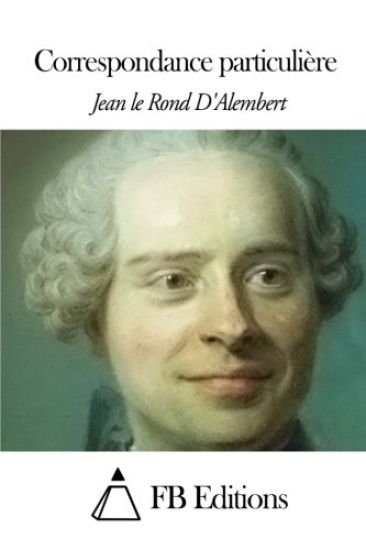
"Correspondance particuli re" par Jean le Rond d'Alembert. Jean le Rond d'Alembert tait un math maticien, philosophe et encyclop diste fran ais (1717-1783)
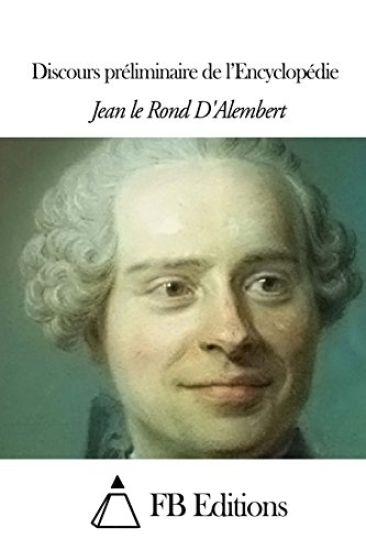
"Discours pr liminaire de l'Encyclop die" par Jean le Rond d'Alembert. Jean le Rond d'Alembert tait un math maticien, philosophe et encyclop diste fran ais (1717-1783)
"Sur la destruction des J suites en France" par Jean le Rond d'Alembert. Jean le Rond d'Alembert tait un math maticien, philosophe et encyclop diste fran ais (1717-1783)
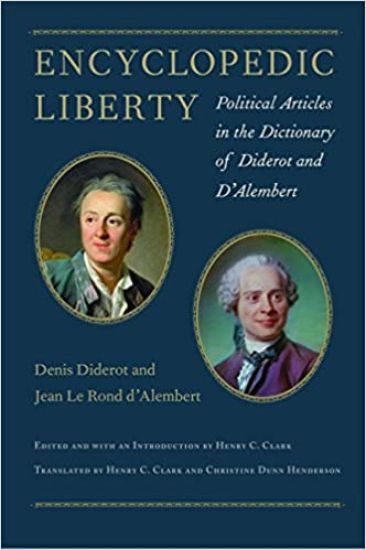
Often described as the culmination of the French Enlightenment, the Encyclopédie was collected to not only serve as a comprehensive reference work, but to "change the way men think" about every aspect of the human and natural worlds. In his celebrated "Preliminary Discourse" to the compilation, d'Alembert traced an entire history of modern philosophy and science designed to chart the way toward a sweeping Baconian project of improving the world through usable knowledge. This anthology is the first endeavor to bring together the most significant political writing from the entire twenty-million-word compendium. It includes eighty-one of the most original, controversial and representative articles on political ideas, practices, and institutions, many translated into English for the first time. The articles cover such topics as the foundations of political order, the relationship between natural and civil liberty, the different types of constitutional regimes, the role of the state in economic and religious affairs, and the boundaries between manners, morals, and laws. In addition to Diderot's early and important articles "Political Authority," the "Citizen," and "Natural Right" and the substantial treatments of subjects such as the "Legislator" (by Saint-Lambert), "Representation" (by d'Holbach), "Population" (by Damilaville), and "Political Economy" (by Quesnay), the anthology will also introduce to many English-language readers the tireless figure of Chevalier Louis de Jaucourt (170480), who wrote about 18,000 articles, or about 25 percent of the Encyclopédie. Jaucourt's numerous articles on political topics did much to solidify the new political teachings of the natural-law tradition, the English Whig writers, the Huguenot diaspora, and particularly Montesquieu, whose Spirit of the Laws had appeared shortly before the first volume of the Encyclopédie itself.
Often described as the culmination of the French Enlightenment, the Encyclopédie was collected to not only serve as a comprehensive reference work, but to "change the way men think" about every aspect of the human and natural worlds. In his celebrated "Preliminary Discourse" to the compilation, d'Alembert traced an entire history of modern philosophy and science designed to chart the way toward a sweeping Baconian project of improving the world through usable knowledge. This anthology is the first endeavor to bring together the most significant political writing from the entire twenty-million-word compendium. It includes eighty-one of the most original, controversial and representative articles on political ideas, practices, and institutions, many translated into English for the first time. The articles cover such topics as the foundations of political order, the relationship between natural and civil liberty, the different types of constitutional regimes, the role of the state in economic and religious affairs, and the boundaries between manners, morals, and laws. In addition to Diderot's early and important articles "Political Authority," the "Citizen," and "Natural Right" and the substantial treatments of subjects such as the "Legislator" (by Saint-Lambert), "Representation" (by d'Holbach), "Population" (by Damilaville), and "Political Economy" (by Quesnay), the anthology will also introduce to many English-language readers the tireless figure of Chevalier Louis de Jaucourt (170480), who wrote about 18,000 articles, or about 25 percent of the Encyclopédie. Jaucourt's numerous articles on political topics did much to solidify the new political teachings of the natural-law tradition, the English Whig writers, the Huguenot diaspora, and particularly Montesquieu, whose Spirit of the Laws had appeared shortly before the first volume of the Encyclopédie itself.