Kirjojen hintavertailu. Mukana 12 016 292 kirjaa ja 12 kauppaa.

Kirjahaku

Etsi kirjoja tekijän nimen, kirjan nimen tai ISBN:n perusteella.

1000 tulosta hakusanalla David Jason

Blasco Ibáñez en Japón: 100 años de un viaje transoceánico y su relato (1923-1924)
En 1923, el escritor espa ol Vicente Blasco Ib ez, por entonces una de las principales figuras de la literatura mundial gracias el xito de su novela 'Los cuatro jinetes del Apocalipsis', se embarc en un crucero de lujo para circunnavegar el planeta. Fruto de dicha aventura es el fascinante relato de viajes 'La vuelta al mundo de un novelista', publicado en tres vol menes entre 1924 y 1925. Dentro de dicho recuento, Jap n ocupa un espacio preponderante, tanto en extensi n como en implicaci n descriptiva y anal tica por parte del autor. Un siglo despu s, este libro expone las claves del protagonismo de Jap n en el relato de Blasco Ib ez y ofrece una edici n anotada de los cap tulos que el escritor dedic a su recorrido por tierras japonesas. El estudio previo del personaje y de la concepci n del viaje, as como las glosas a pie de p gina de la edici n anotada, permitir n al p blico lector comprender mejor el trasfondo de la traves a transoce nica, descifrar referencias culturales e hist ricas y disfrutar a n m s la lectura del entretenido e instructivo cuaderno de bit coras. Adem s, el personal investigador interesado en el desarrollo del hispanismo en Jap n encontrar en este libro una visi n novedosa del nacimiento y la evoluci n del estudio de la lengua y la literatura espa olas y de las culturas hisp nicas en el pa s del sol naciente y descubrir la extraordinaria aportaci n de Blasco Ib ez en este campo.

Japonskoe iskusstvo garmonichnoj zhizni

Japonskoe iskusstvo garmonichnoj zhizni

Mari Fujimoto; David Buckler; Michael Kenna

Alpina Publisher
2024
sidottu
v knige dany kratkie i tochnye opisanija 43 bazovykh ponjatij japonskoj kultury, mnogie iz kotorykh ne znakomy rossijskomu chitatelju;izuchenie knigi khorosho pomogaet snjat stress, nachat vosprinimat proiskhodjaschee bolee filosofski i stat bolee garmonichnoj lichnostju;unikalnye khajku Basjo i potrjasajuschie raboty vsemirno izvestnogo pejzazhnogo fotografa Majkla Kenny (my vybrali matovuju melovannuju bumagu dlja pechati knizhnogo bloka, chtoby sokhranit vsju ikh krasotu) prekrasno dopolnjajut osnovnoj tekst;knigu mozhno chitat s ljubogo mesta, k nej khochetsja vozvraschatsja v poiskakh mudrosti i podderzhki, i ona nastolko krasiva, chto budet prekrasnym podarkom tseniteljam podlinnoj krasoty i estetiki.V Japonii, strane s mnogovekovoj istoriej i ochen vysokim urovnem zhizni, vysshim dostizheniem dlja cheloveka schitaetsja obretenie garmonii. Ona voploschaetsja v prinjatii nesovershenstva mira, starenija i dazhe smerti, v tonkom chuvstvovanii krasoty i dostizhenii balansa vo vsekh sferakh.V knige lingvista Mari Fudzimoto rasskazyvaetsja o 43 bazovykh tsennostjakh japonskoj kultury, kotorye pomogajut ponjat sebja, stat blizhe k prirode, primiritsja s techeniem vremeni i uluchshit otnoshenija s blizkimi. Sredi etikh ponjatij est i shiroko izvestnye, naprimer kajdzen, vabi-sabi, ikigaj, i prakticheski neznakomye nam khansej, sunao, sibui i mnogie drugie. Tekst dopolnjajut khajku velikogo Matsuo Basjo, poeticheskie esse vljublennogo v Japoniju juzhnoafrikantsa Devida Baklera i raboty priznannogo mastera cherno-beloj fotografii Majkla Kenny.Tsitata"Kakoe opredelenie vy dadite ponjatiju krasoty, chto nazovete ee voploscheniem? Sobor Parizhskoj Bogomateri, "Rozhdenie Venery" ili, mozhet byt, "Devushku s zhemchuzhnoj serezhkoj"? Konechno, vse eti proizvedenija iskusstva soderzhat osnovnye elementy krasoty: simmetriju, proportsionalnost, molodost i zhiznennuju silu. Nas, kak pravilo, privlekajut eti "polozhitelnye" kachestva, togda kak urodstvo, nesovershenstvo, starost i smert schitajutsja v zapadnom mire ottalkivajuschimi. Traditsionnaja japonskaja estetika, naprotiv, osnovana na neprerekaemoj prirodnoj istine: vse prekhodjasche, nichto ne vechno, nichto ne idealno. Krasota prisutstvuet v kazhdoj grani nashej zhizni - ot rozhdenija do smerti, ot nesovershenstva do bezuprechnosti, ot urodstva do izjaschestva. Sejchas, zhivja v Nju-Jorke, ja nakhozhu takuju filosofiju bolee privlekatelnoj, chem kogda-libo prezhde. Eti idei na protjazhenii vekov byli chastju japonskoj kultury, i ja dumaju, chto oni otkryvajut nam put k bolee podlinnomu vosprijatiju zhizni."Mari FudzimotoOsobennostiPolnotsvetnaja pechatMatovaja melovannaja bumaga 150 gIlljustrirovannoe izdaniePerevodchik: Volkov Konstantin
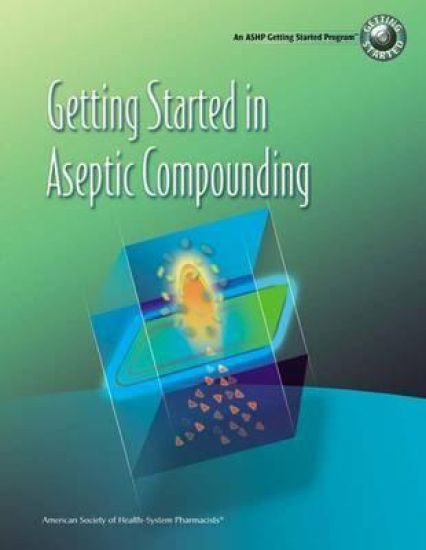
Getting Started in Aseptic Compounding Video Training Program

Getting Started in Aseptic Compounding Video Training Program

Karen Davis; Jason Sparks

Amer Soc of Health System
2008
pokkari
Getting Started in Aseptic Compounding offers an easy-to-understand introduction to: the principles that support aseptic compounding; proper PPE and hygiene; compounding equipment and materials, and aseptic compounding technique in action.In addition, examples of commonly seen poor-techniques are thoughtfully presented, so students can learn how to avoid errors.Developed in collaboration with skilled technician educators - who are also experienced certified technicians, this video training program brings you the most practical training tools possible. These videos make no assumptions about a viewer's prior knowledge, and uses sound educational design to introduce concepts plainly and clearly.Each 45 minute program presents topics in a logical sequence. The video program can be watched in its entirety or by topic to facilitate its use in multiple settings and to give instructors and facilities the flexibility to create their own teaching experience. Whether your training program is facility or school-based, you'll love the flexibility these programs provide.Instructors will have the capacity to go as fast or as slow as is required, tailoring the presentation of the material to the pace of instruction and the time limits of the class.Available in both DVD and VHS formats, each video is designed to be used with a companion workbook that has plenty of exercises and self-assessment questions to ensure your students and staff get the most out of their training time. We strongly encourage you to have a copy of the workbook for each trainee.
Miss Misery's Movie Massacre Comic Magazine: Heartless

Miss Misery's Movie Massacre Comic Magazine: Heartless

Kiera Davis; Jason Dube; Nicole Guzman

Independently Published
2019
nidottu
From the hit cult television show "Movie Massacre" comes the comic book adaptation. Miss Misery will host and present a different 1-shot horror comic each issue to be spotlighted and published. "Heartless"- A story about how death opens doors. **This is a Mature readers comic feature which can contain Graphic Violence, Possible Nudity, Sexual Situations, and Gore.This issue includes Interview with Malvolia (Horror Mistress), SFX tutorial, Spooky drink recipes, Miss Misery photo shoot gallery and centerfold, Episode reviews, and Pophorror's Top 11 Women in Horror to watch, Horror comic listing, and more.**This is a Mature readers publication.
Real Eyez Nation Magazine

Real Eyez Nation Magazine

Melissa C Water; Jason A Carr; Shirley Davis

Lulu.com
2023
pokkari
Real Eyez Nation Magazine takes Derealization to Realization in this series on trauma and dissociation, with six sections over 100 pages with an original and minimalistic design. As a nonprofit for CPTSD, all dissociative disorders, and loved ones, Multiplied By One Org creates to educate and engage a general audience and researchers. Information on Maladaptive Daydreaming, Depersonalization, Derealization, Fugue, and Dissociative Identity Disorder is a relatable window of understanding and empathy to lived experience. Interviews feature Prof. Eli Somer, Jane Heart of "The Many Sides of Jane," An Infinite Mind, Olga Trujillo, Shelly Kolton MD, Beauty After Bruises, and Shirley Davis. Read about the services of Multiplied By One Org for the community, find helpful resources, or delve into articles of interest or research. As the result of hundreds of volunteer hours, this project is a labour of love and passion for a cause, mission, and vision for this community and our future. With a vision "to instill a validation of individual experience that is so widespread, it fills the gap in mental health equality," Multiplied By One Org presents Real Eyez Nation Magazine.
A Framework for Programming and Budgeting for Cybersecurity

A Framework for Programming and Budgeting for Cybersecurity

John S. Davis; Martin C. Libicki; Stuart E. Johnson; Jason Kumar; Michael Watson; Andrew Karode

RAND
2016
pokkari
Cybersecurity professionals are faced with the dilemma of selecting from a large set of cybersecurity defensive measures while operating with a limited set of resources with which to employ the measures. This report explains the menu of actions for defending an organization against cyberattack and recommends an approach for organizing the range of actions and evaluating cybersecurity defensive activities.
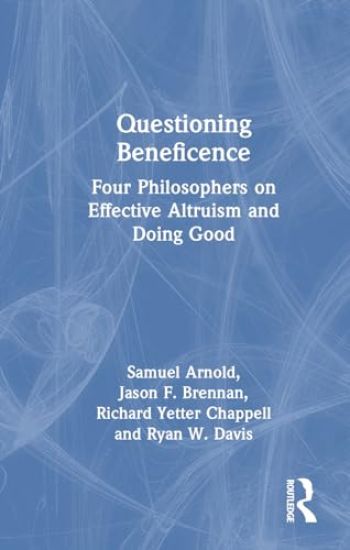
Questioning Beneficence

Questioning Beneficence

Samuel Arnold; Jason F. Brennan; Richard Yetter Chappell; Ryan W. Davis

TAYLOR FRANCIS LTD
2024
nidottu
Effective Altruism is a movement and a philosophy that has reinvigorated the debate about the nature of beneficence. At base, it is the consistent application of microeconomic principles to beneficent action. The movement has exposed that many forms of giving do little good (or do active harm), but others do tremendous good.Questioning Beneficence uses Effective Altruism as a launch pad to ask hard questions about beneficence more generally. Must we be Effective Altruists, or are Effective Altruism and the ideas driving the movement a mistake? How much should we give—if anything— and how should we give it? What are the respective roles of different kinds of institutions? Is charity anti-democratic and do billionaire philanthropists have too much power? Is Effective Altruism just utilitarianism in disguise?Questioning Beneficence is written by four philosophers, each with distinct points of view. It introduces a new standard for debating ideas in philosophy as each author poses and answers three questions and each of his three co-authors responds to those questions in turn. Finally, the first author replies to his co-authors’ responses. Throughout the book, there is a spirit of curiosity, intellectual risk taking, and truth-seeking, rather than point-scoring and one-upmanship. This book demonstrates what open-minded, real dialogue on an important issue can be at its very best.Key Features:Introduces a new roundtable format for philosophical debates: each of four authors takes the lead in constructing and answering three questions, each co-author then responds, and the first author then replies to the others’ responses.Explores salient philosophical questions raised by beneficence, likeCan philanthropy be undemocratic?Why are people so bad at charity and what can we do about it?How important is beneficence compared to other values?Can Effective Altruism be part of a meaningful moral life? Consistently written in a clear and engaging style, suitable for both undergraduate students and curious general readers
Questioning Beneficence

Questioning Beneficence

Samuel Arnold; Jason F. Brennan; Richard Yetter Chappell; Ryan W. Davis

TAYLOR FRANCIS LTD
2024
sidottu
Effective Altruism is a movement and a philosophy that has reinvigorated the debate about the nature of beneficence. At base, it is the consistent application of microeconomic principles to beneficent action. The movement has exposed that many forms of giving do little good (or do active harm), but others do tremendous good.Questioning Beneficence uses Effective Altruism as a launch pad to ask hard questions about beneficence more generally. Must we be Effective Altruists, or are Effective Altruism and the ideas driving the movement a mistake? How much should we give—if anything— and how should we give it? What are the respective roles of different kinds of institutions? Is charity anti-democratic and do billionaire philanthropists have too much power? Is Effective Altruism just utilitarianism in disguise?Questioning Beneficence is written by four philosophers, each with distinct points of view. It introduces a new standard for debating ideas in philosophy as each author poses and answers three questions and each of his three co-authors responds to those questions in turn. Finally, the first author replies to his co-authors’ responses. Throughout the book, there is a spirit of curiosity, intellectual risk taking, and truth-seeking, rather than point-scoring and one-upmanship. This book demonstrates what open-minded, real dialogue on an important issue can be at its very best.Key Features:Introduces a new roundtable format for philosophical debates: each of four authors takes the lead in constructing and answering three questions, each co-author then responds, and the first author then replies to the others’ responses.Explores salient philosophical questions raised by beneficence, likeCan philanthropy be undemocratic?Why are people so bad at charity and what can we do about it?How important is beneficence compared to other values?Can Effective Altruism be part of a meaningful moral life? Consistently written in a clear and engaging style, suitable for both undergraduate students and curious general readers
A Teacher's Guide to Adapted Physical Education

A Teacher's Guide to Adapted Physical Education

Martin E. Block; Jason C. Bishop; Ronald. Davis; Alicia. Dixon-Ibarra; Steve. Elliott; Katherine. Ellis; Sean. Healy

Brookes Publishing Co
2016
sidottu
A healthy, active lifestyle for all students: That's the promise of physical education, and the goal of this comprehensive textbook. Now in a thoroughly updated fourth edition, this text prepares current and future PE teachers to lead welcoming, inclusive classes where every student participates, makes friends, and learns new skills and values. K—12 physical educators will get cutting-edge research and guidance on inclusive education, concrete strategies for planning and implementing an adapted PE program, and valuable disability-specific information. An essential resource for preparing both general PE teachers and adapted PE teachers, this text will provide a solid foundation for gym classes that meet every student's needs. WHAT'S NEW:9 new chapters on teaching students with specific disabilities. These significant new additions make this book an ideal primary text for Adapted Physical Education (APE) courses.Aligns with key elements from the NASPE standards for general physical education and the Adapted Physical Education National Standards for APEMore student-friendly features: updated tips and reproducible forms for planning and teaching, chapter objectives, additional resources, and more case studiesMore photos and illustrations throughout the book to emphasize key pointsSELECTED TOPICS COVERED: Program planning and assessment * instructional modifications * curricular modifications * game modifications * autism * intellectual disabilities * learning disabilities * ADHD * behavior disorders * hearing loss * visual impairments * physical disabilities * social acceptance * safety issues * positive behavior support * community-based recreation * diversity issues FOR INSTRUCTORS: Includes PowerPoint slides and sample syllabi for using the text in Inclusion in PE or APE classes
Technology Play and Brain Development

Technology Play and Brain Development

Doris Bergen; Darrel R. Davis; Jason T. Abbitt

Routledge
2015
sidottu
Technology Play and Brain Development brings together current research on play development, learning technology, and brain development. The authors first navigate the play technology and brain development interface, highlighting the interactive qualities that make up each component. Next, they survey the changes in play materials and the variations in time periods for play that have occurred over the past 15-20 years, and then explain how these changes have had the potential to affect this play/brain developmental interaction. The authors also cover various types of technology-augmented play materials used by children at age levels from infancy to adolescence, and describe the particular qualities that may enhance or change brain development. In so doing, they present information on previous and current studies of the play and technology interface, in addition to providing behavioral data collected from parents and children of varied ages related to their play with different types of play materials. Significantly, they discuss how such play may affect social, emotional, moral, and cognitive development, and review futurist predictions about the potential qualities of human behavior needed by generations to come. The authors conclude with advice to toy and game designers, parents, educators, and the wider community on ways to enhance the quality of technology-augmented play experiences so that play will continue to promote the development of human characteristics needed in the future.