NEW YORK TIMES BESTSELLER In this warm and moving anthology, a group of bestselling authors and writers pay tribute to legendary, larger-than-life New York Times bestselling author Dorothea Benton Frank and her literary legacy.Inspired by the title Dorothea Benton Frank planned for her next book--Reunion Beach--these close friends and colleagues channeled their creativity, admiration, and grief into stories and poems that celebrate this remarkable woman and her abiding love for the Lowcountry of her native South Carolina--a land of beauty, history, charm, and Gullah magic she so brilliantly brought to life in her acclaimed novels. From Elin Hilderbrand, #1 New York Times bestselling author, a sequel to Summer of '69.From Adriana Trigiani, New York Times bestselling author, comes a heartwarming, humorous interview from the hereafter with Pat Conroy and Dorothea Benton Frank, two beloved icons of Southern literature.From Patti Callahan, bestselling author of Becoming Mrs. Lewis and Surviving Savannah, comes The Bridemaids, a story about a trip to the South Carolina beach.From Mary Alice Monroe, New York Times bestselling author, Mother and Child Reunion, a heartwarming story set under the warm South Carolina sun.Reunion Beach also features letters, short stories, poems, and essays from: Mary Norris, New York Times bestselling author and staff writer for The New YorkerCassandra King Conroy, bestselling and award-winning author of Tell Me A StoryNathalie Dupree, James Beard Award-winning cookbook authorMarjory Wentworth, former Poet Laureate of South CarolinaGervais Hagerty, author of In Polite CompanyJacqueline Bouvier Lee, Peter Frank, Victoria Peluso, and William FrankInfused with Dorothea Benton Frank's remarkable spirit, Reunion Beach is a literary homage and beautiful keepsake that keeps this dearly missed writer's flame burning bright.
NEW YORK TIMES BESTSELLER In this warm and moving anthology, a group of bestselling authors and writers pay tribute to legendary, larger-than-life New York Times bestselling author Dorothea Benton Frank and her literary legacy.Inspired by the title Dorothea Benton Frank planned for her next book--Reunion Beach--these close friends and colleagues channeled their creativity, admiration, and grief into stories and poems that celebrate this remarkable woman and her abiding love for the Lowcountry of her native South Carolina--a land of beauty, history, charm, and Gullah magic she so brilliantly brought to life in her acclaimed novels. From Elin Hilderbrand, #1 New York Times bestselling author, a sequel to Summer of '69.From Adriana Trigiani, New York Times bestselling author, comes a heartwarming, humorous interview from the hereafter with Pat Conroy and Dorothea Benton Frank, two beloved icons of Southern literature.From Patti Callahan, bestselling author of Becoming Mrs. Lewis and Surviving Savannah, comes The Bridemaids, a story about a trip to the South Carolina beach.From Mary Alice Monroe, New York Times bestselling author, Mother and Child Reunion, a heartwarming story set under the warm South Carolina sun.Reunion Beach also features letters, short stories, poems, and essays from: Mary Norris, New York Times bestselling author and staff writer for The New YorkerCassandra King Conroy, bestselling and award-winning author of Tell Me A StoryNathalie Dupree, James Beard Award-winning cookbook authorMarjory Wentworth, former Poet Laureate of South CarolinaGervais Hagerty, author of In Polite CompanyJacqueline Bouvier Lee, Peter Frank, Victoria Peluso, and William FrankInfused with Dorothea Benton Frank's remarkable spirit, Reunion Beach is a literary homage and beautiful keepsake that keeps this dearly missed writer's flame burning bright.
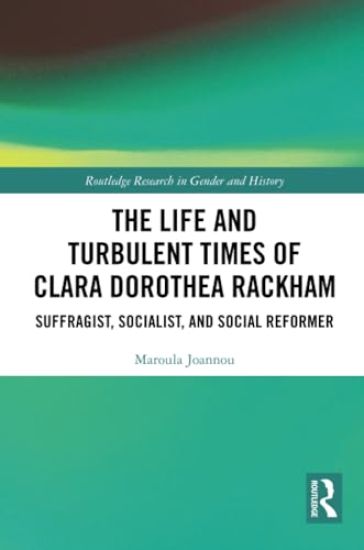
This is the first critical study of Clara Dorothea Rackham née Tabor (1875–1966), a towering figure in the suffrage, labour, co-operative, peace, and adult education movements but virtually forgotten today. This clearly written and engaging study is based on unpublished primary sources including Rackham’s unpublished speeches, letters, diaries, and contemporary media coverage of her work in local and national archives. It reassesses this remarkable woman not only as a politician who changed the face of Cambridge, the university city in which she lived and worked, but also as a public intellectual whose feminist advocacy of a fair, just, and equal society helped pave the way to Britain’s postwar settlement and Welfare State. Rackham came to prominence as Chairman of the National Union of Women’s Suffrage Societies, as a government factory inspector, and championing the rights of unemployed women in the 1930s. An early broadcaster on BBC radio, and among the first women appointed magistrates and councillors, her name became synonymous with enlightened local government. The transformation of women’s lives in Victorian and twentieth-century Britain is crucial to understanding Rackham’s ideals, intellectual formation, and priorities as a Labour Party politician.This book will be of interest to historians and students of gender, history, and women’s lives.
This is the first critical study of Clara Dorothea Rackham née Tabor (1875–1966), a towering figure in the suffrage, labour, co-operative, peace, and adult education movements but virtually forgotten today. This clearly written and engaging study is based on unpublished primary sources including Rackham’s unpublished speeches, letters, diaries, and contemporary media coverage of her work in local and national archives. It reassesses this remarkable woman not only as a politician who changed the face of Cambridge, the university city in which she lived and worked, but also as a public intellectual whose feminist advocacy of a fair, just, and equal society helped pave the way to Britain’s postwar settlement and Welfare State. Rackham came to prominence as Chairman of the National Union of Women’s Suffrage Societies, as a government factory inspector, and championing the rights of unemployed women in the 1930s. An early broadcaster on BBC radio, and among the first women appointed magistrates and councillors, her name became synonymous with enlightened local government. The transformation of women’s lives in Victorian and twentieth-century Britain is crucial to understanding Rackham’s ideals, intellectual formation, and priorities as a Labour Party politician.This book will be of interest to historians and students of gender, history, and women’s lives.
For most performers, life after the show ended was either feast or famine. For all the glitter, makeup, scenery, and a few nights of local fame, most actors and actresses did not achieve the recognition and remuneration of their well-known contemporaries. Their work was a job; the pay was good when there was work. When they were "resting" (a polite term for out of work), they depended on their savings, if they had any, and the charity of friends and relatives to get through the lean times. Having young children complicated this situation. Fame-starved entertainers joined a theater company and took the show on the road. Since the companies could keep actors employed for weeks or months at a time, which meant their children either tagged along or were left behind. For some lucky children, the Dorothea Dix Hall Association offered stability, good food, education and the comfort of a home environment. Through the words of those closest to it, these letters reveal the brief but valuable history of this charitable organization-and the fond memories it created.
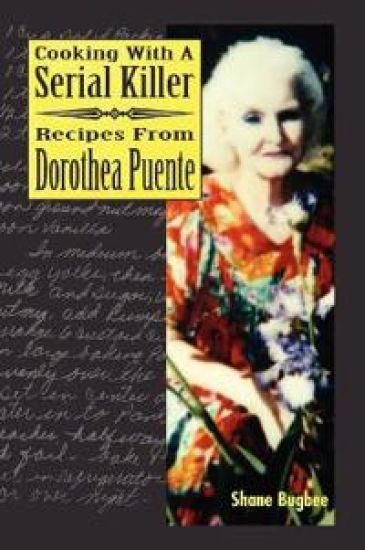
"Grandmotherly Dorthea Puente is becoming as renowned for her cooking as for being a notorious mass murder, serial killer and all around psycho"...THE SUN DORTHEA PUENTE has been accused of a lot of things...being a bad cook isn't one of them. You see, Dorothea ran a boarding house in Sacramento, Ca. and the care she provided was above and beyond other care providers, but one thing everyone involved in this case keyed in on was how awesome ALL of her tenants thought the cooking was...one tenant went as far as saying " Every Dinner at Dorothea's was like Thanksgiving Dinner!" NONE OF THEM WERE MURDERED...THEY DIED OF NATURAL CAUSES...I COULDN'T DO THAT ANYHOW, I'M NOT THAT TYPE OF PERSON...I'M TOO CARING AND I WORRY TOO MUCH ABOUT MY PEOPLE EATING...EVERYBODY CAN TELL YOU THAT, WHY WOULD I SPEND MONEY FATTENING THEN UP IF I WAS GOING TO KILL THEM." ...DOROTHEA PUENTE Convicted Killer/Gormet Cook
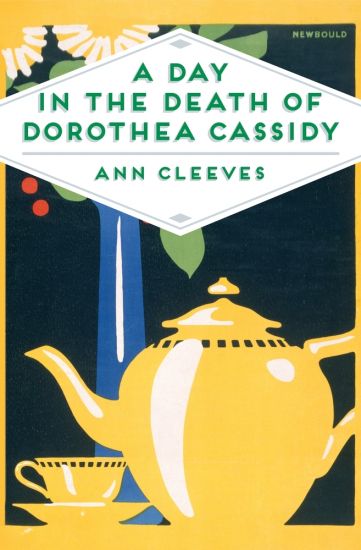
A Day in the Death of Dorothea Cassidy is the third novel in the Inspector Ramsay series by Ann Cleeves, author of the Shetland and Vera Stanhope crime series.For Dorothea Cassidy Thursdays were special. Every week she would look forward to the one day she could call her own, a welcome respite from the routine duties that being a vicar's wife entailed. But one Thursday in June was to be more special than any other. It was the day that Dorothea Cassidy was strangled.As the small town of Otterbridge prepares for its summer carnival, Inspector Stephen Ramsay begins a painstaking reconstruction of Dorothea's last hours. He soon discovers that she had taken on a number of deserving cases – a sick and lonely old woman, a disturbed adolescent, a compulsive gambler, a single mother with a violent boyfriend and a child in care – and even her close family have their secrets to hide. All these people are haunted, in one way or another, by Dorothea's goodness. But which of them could have possibly wanted her dead?It is not until a second body is discovered that Ramsay starts to understand how Dorothea lived – and why she died. With the carnival festivities in full swing and dusk falling in Otterbridge, Ramsay's murder investigation reaches its chilling climax . . .'Nobody does unsettling undercurrents better than Ann Cleeves' – Val McDermid, author of The Mermaids Singing
The third novel in the Inspector Ramsay series by Sunday Times bestselling author Ann Cleeves. One horrific Thursday, the much-loved vicarâ??s wife is strangled. Inspector Ramsay is determined to find her killer â?? but the bodies are piling up, and everyoneâ??s got something to hide . . .
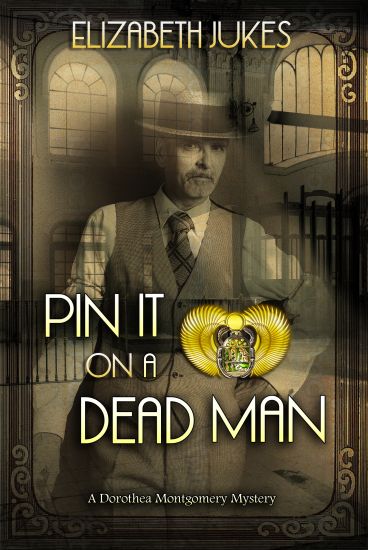
In 1926 even the small Canadian town of Willowsdown is caught up in the world's Pharaoh frenzy. When Dorothea Montgomery's sister makes the trek from England to visit, she brings with her a rare jewel encrusted beetle pin excavated from an Egyptian archaeological dig. At a community Christmas party the good folk of Willowsdown admire the pin in all its exotic splendour but by the end of the evening it has disappeared. The painful task of viewing neighbours as theft suspects is intensifed when the town's disliked funeral director is discovered dead in one of his own coffins. Dorothea's discriminating eye for detail and her depth of understanding of human nature make her notably qualified to sort out theft and murder.