
Kirjahaku
Etsi kirjoja tekijän nimen, kirjan nimen tai ISBN:n perusteella.
1000 tulosta hakusanalla Elizabeth Gaskell
Part of the Hero Classics series“As far as she could see, her life was ordained to be lonely, and she must her nature to her life, and, if possible, bring the two into harmony. When she could employ herself in fiction, all was comparatively well. The characters were her companions in the quiet hours, which she spent utterly alone, unable often to stir out of doors for many days together.”When Charlotte Bronte’s father asked Gaskell to write his daughter’s biography, his main concern was to preserve the legacy of Charlotte and present an authorised take on her life as opposed to the speculations and gossip in the yellow papers. Gaskell and Charlotte had met on just a few occasions, so the biographer had to do profound research to actually delve into her mysterious life. From Charlotte’s own notes to various letters she had access to, Gaskell is seen mapping through a range of sources to find out the truth of her life. Right from the first pages of the text, we can distinctly spot Gaskell’s artistic infusions of metaphors and the poetic descriptions of the setting as well as doing justice with the life of Charlotte Bronte. This biography is all that is needed for Bronte’s readers as well as the admirers of inventive stylistic takes in non-fictional writing.Upon its publication in 1857, The Life of Charlotte Bronte quite predictably caused controversy, so much so that the biographer was threatened with a legal action. Exciting exploration into Charlotte’s life and the criticism which followed, this makes it a must read for Bronte students and fans.The Hero Classics series:MeditationsThe ProphetA Room of One’s OwnIncidents in the Life of a Slave GirlThe Art of WarThe Life of Charlotte BronteThe RepublicThe PrinceNarrative of the Life of Frederick Douglass, an American Slave
With an Introduction by David Stuart Davies. 'In the great mirror opposite I saw myself, and right behind, another wicked fearful self, so like me my soul seemed to quiver within me, as though not knowing to which similitude of body it belonged'. Elizabeth Gaskell is better known today for her pioneering social novels such as Mary Barton (1848) but she also wrote some fascinating tales of the supernatural and the macabre, which are collected here in this volume. The real charm of this dark anthology is its variety. Unlike so many writers of this kind of material, Gaskell allows the story to fit the style rather than the other way around and as result there is a charming freshness to each tale. This remarkable author uses different voices, tones and topics to engage her readers and as you turn from one story to the next you cannot be quite sure what to expect.
With an Introduction and Notes by Dinny Thorold, University of Westminster Gaskell’s last novel, widely considered her masterpiece, follows the fortunes of two families in nineteenth century rural England. At its core are family relationships – father, daughter and step-mother, father and sons, father and step-daughter – all tested and strained by the romantic entanglements that ensue. Despite its underlying seriousness, the prevailing tone is one of comedy. Gaskell vividly portrays the world of the late 1820s and the forces of change within it, and her vision is always humane and progressive. The story is full of acute observation and sympathetic character-study: the feudal squire clinging to old values, his naturalist son welcoming the new world of science, the local doctor and his scheming second wife, the two girls brought together by their parent’s marriage…
With an Introduction and Notes by Professor Emeritus John Chapple, University of Hull. The sheer variety and accomplishment of Elizabeth Gaskell's shorter fiction is amazing. This new volume contains six of her finest stories that have been selected specifically to demonstrate this, and to trace the development of her art. As diverse in setting as in subject matter, these tales move from the gentle comedy of life in a small English country town in Dr Harrison's Confessions, to atmospheric horror in far north-west Wales with The Doom of the Griffiths. The story of Cousin Phillis, her masterly tale of love and loss, is a subtle, complex and perceptive analysis of changes in English national life during an industrial age, while the gripping Lois the Witch recreates the terrors of the Salem witchcraft trials in seventeenth-century New England, as Gaskell shrewdly shows the numerous roots of this furious outbreak of delusion. Whimsically modified fairy tales are set in a French chateau, while an engaging love story poetically evokes peasant life in wine-growing Germany.
Elizabeth Gaskell’s first novel depicts nothing less than the great clashes between capital and labour, which arose from rapid industrialisation and problems of trade in the mid-nineteenth century. But these clashes are dramatized through personal struggles. John Barton has to reconcile his personal conscience with his socialist duty, risking his life and liberty in the process. His daughter Mary is caught between two lovers, from opposing classes – worker and manufacturer. And at the heart of the narrative lies a murder which implicates them all. Mary Barton was published in 1848, at a time of great social ferment in Europe, and it reflects its revolutionary moment through an English lens. Elizabeth Gaskell wrote her first novel about the world in which she lived – Manchester at the height of the industrial revolution. As the wife of a Unitarian minister she was solidly middle-class; but she also had close contact with the working classes around her, sympathised with them, and represented their extreme distresses in her fiction. She is radical in taking on their dialect, imagining the realities of their lives, and placing a working woman at the centre of her fiction. If to our eyes her vision remains limited, it was an honest vision, for which she was much criticised in her own time, by her own class.
Paul Manning becomes clerk to the engineer of a new railway line, Mr Holdsworth. Manning introduces Holdsworth to his distant relative, the Holmans. The engineer and Phillis Holman fall in love, although neither declares their feelings to the other. Holdsworth confides to Manning that it is his intention to ask for Phillis' hand in marriage.
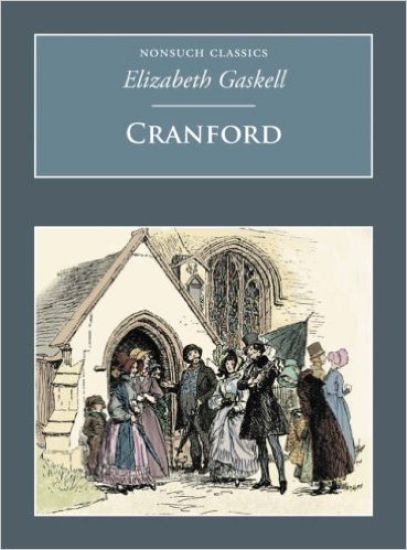
Presents a collection of linked short stories about the inhabitants of the eponymous small provincial town. Interweaving comic episodes with social comment, this title is a celebration of the better side of human nature, in which kindness and generosity of spirit triumph over adversity.
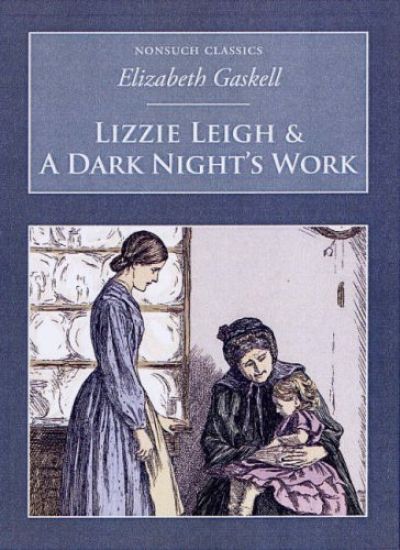
Opening with the death of James Leigh on Christmas Morning, 'Lizzie Leigh' tells the story of his family, and in particular his estranged daughter, the eponymous Lizzie, who disappeared from their lives when she became pregnant out of wedlock. When he dies, they go to Manchester to look for her and her brother, Will, falls in love with the respectable Susan Palmer, but feels he cannot declare his love because of his sister's disgrace. Elizabeth Gaskell here deals with important issues that were often ignored during the Victorian era.In 'A Dark Night's Work,' Edward Wilkins, a rich attorney, wants only the best for his daughter, Ellinor, who is in love with Ralph Corbet, despite Ralph's father believing an attorney's daughter to be beneath him. In a moment of passion Edward kills his partner, Mr Dunster, who had been embezzling his money and thus threatening Ellinor's chances of marrying the man she loves. It is a classic tale of the timeless themes of love and guilt.
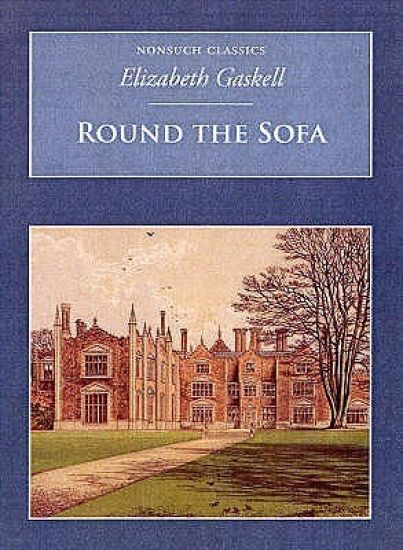
The narrator, Miss Greatorex, is invited to join a party of friends who meet on a weekly basis 'round the sofa' in Mrs Dawson's house. When Mrs Dawson mentions her cousin Lady Ludlow, Miss Greatorex wants to find out more about her and the storytelling begins.
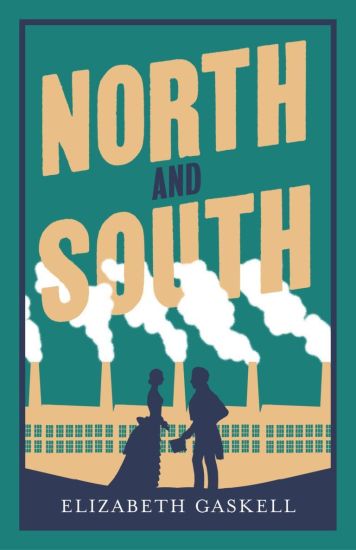
Having grown up in London and rural southern England, Margaret Hale moves with her father to the northern industrial city of Milton. She is shocked by the poverty she encounters and dismayed by the unsympathetic attitude of the textile-mill owner John Thornton, whose factory workers are engaged in an acrimonious strike. Against this backdrop of social unrest, the relationship between the two is tumultuous, and it takes further upheaval and tragedy for them to see each other in a different light. First serialized in Dickens's magazine Household Words in the same period as Hard Times, North and South shares its famous counterpart's concern with the inequality and hardship generated by the Industrial Revolution in northern England, while at the same time creating one of the nineteenth century's most memorable and engaging female protagonists in Margaret Hale.
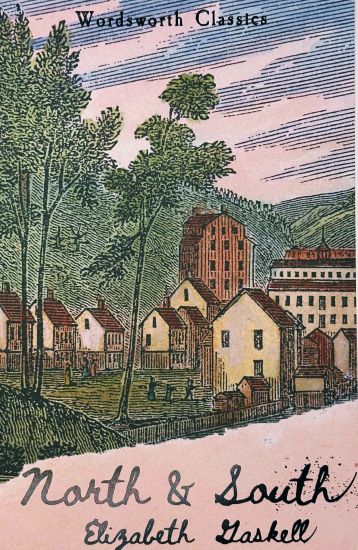
With an Introduction and Notes by Dr Patsy Stoneman, University of Hull. Set in the mid-19th century, and written from the author's first-hand experience, North and South follows the story of the heroine's movement from the tranquil but moribund ways of southern England to the vital but turbulent north. Elizabeth Gaskell's skilful narrative uses an unusual love story to show how personal and public lives were woven together in a newly industrial society. This is a tale of hard-won triumphs - of rational thought over prejudice and of humane care over blind deference to the market. Readers in the twenty-first century will find themselves absorbed as this Victorian novel traces the origins of problems and possibilities which are still challenging a hundred and fifty years later: the complex relationships, public and private, between men and women of different classes.
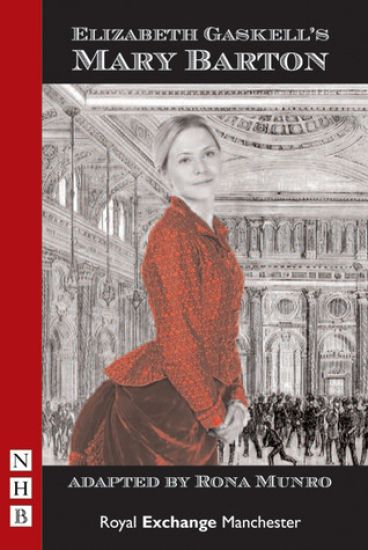
Elizabeth Gaskell's panoramic novel of Victorian England, adapted for the stage by the author of Iron and The James Plays. Manchester in the 1840s. By day, Mary Barton works in a dress shop making gowns for the daughters of the newly moneyed mill owners. By night, Mary aspires to join their class. As she strives to better herself, murder, intrigue and romance take over her life and the lives of those she loves. Fast-paced, epic and exciting, Mary Barton presents a panorama of Manchester life from the mill owners' new prosperity to the thousands of ordinary people living and dying in their factories. Rona Munro's adaptation of Mary Barton was premiered at the Royal Exchange, Manchester, in 2006.
Published in 1848, MARY BARTON was the first novel of Elizabeth Gaskell, later to become celebrated as the author of CRANFORD, MARY BARTON - a better book than CRANFORD - was written after she has married a Manchester clergyman, and it combines a typically sturdy romantic plot with striking descriptions of working people and their lives as she had encountered them in northern mills. Despite this grim setting, the book has all this author's well-known charm and considerable power to involve the reader in the lives of her characters. More accessible than George Eliot, less frenzied than Charlotte Bronte, Mrs Gaskell is a novelist whose wit, human warmth and sharp eye for detail bring ordinary experience to vivid life.
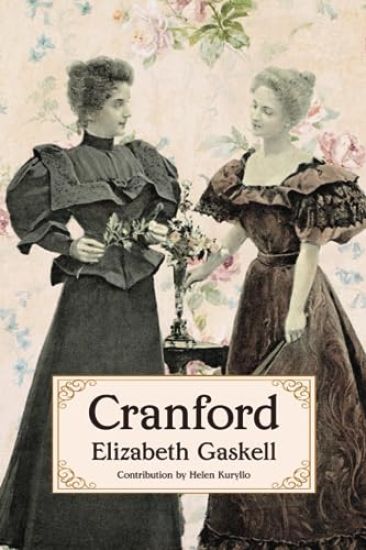
In the small village of Cranford, some twenty miles from the bustling industrial city of Drumble, the lives of the town's eccentric, endearing characters are revealed in a tapestry of intimate vignettes that reveal the social intricacies of nineteenth-century English society. With humor, heart, and wit, Elizabeth Gaskell imagines a world populated by a loyal circle of female friends whose idiosyncrasies and camaraderie form the fabric of this captivating narrative. As the industrial revolution impacts the town and societal norms evolve, Cranford faces both external and internal changes. The gentle Miss Matty Jenkyns and her fellow Cranfordians navigate the challenges of their shifting landscape with grace and tenacity, providing a heartwarming and insightful glimpse into the lives of ordinary people in an extraordinary setting. The saga of their tribulations and joys is a must-read for all fans of the work of Jane Austen and the Bront sisters. Cranford is not just the story of a place; it's a celebration of community and the enduring power of human connections.This Warbler Classics edition includes an essay about the subtly subversive nature of Cranford-a pioneering novel in its time-and a detailed biographical timeline.
Set amid the rapidly changing social, spiritual, and moral landscape of the industrial revolution, North and South is a forceful, brilliant, and romantic novel about freedom and the cost of profit.When Margaret Hale, a minister’s daughter, relocates with her family to Milton in the north of England she witnesses firsthand the brutal working conditions in Milton’s factories and mills. Her liberal education has given her strong convictions, but little common sense, and her pity finds a mostly unsympathetic ear among the gruff mill workers and their families. Magaret is most vexed by a local industrialist and mill-owner, John Thornton, whom she considers contemptuous and bull-headed. But through her clashes with Thornton and her growing affinity for the workers and their plight for survival, Margaret comes to see the world as a much more complicated place, and that her earlier pity was not charity but a kind of arrogance.Thunderously philosophical and compulsively readable, North and South is a vivid portrayal of not only unthinking conformity or selfish individualism, but the power of vulnerability and change.
Elizabeth Cleghorn Gaskell, n e Stevenson (29 September 1810 - 12 November 1865), often referred to simply as Mrs Gaskell, was a British novelist and short story writer during the Victorian era. Her novels offer a detailed portrait of the lives of many strata of society, including the very poor, and are of interest to social historians as well as lovers of literature. Gaskell was also the first to write a biography of Charlotte Bronte, The Life of Charlotte Bronte, which was published in 1857.