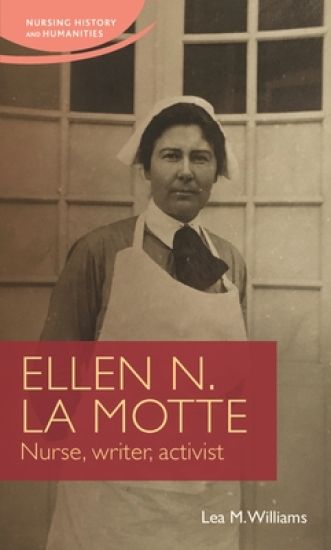
Ellen La Motte: nurse, writer, activist, is a biography of La Motte that traces the arc of her life, from her birth in Louisville, Kentucky, in 1873 to her death in Washington, D.C. in 1961. It integrates original unexamined sources such as diaries, unpublished manuscripts, and publishing contracts along with primary sources—letters, newspaper articles, health department reports, and public records—with an examination of her prolific published writings, about topics as diverse as tuberculosis nursing, women’s suffrage, nursing during the Great War, and the opium trade. It considers of how she developed as a nurse, writer, and activist once she entered the Johns Hopkins Training School for Nurses in 1898 and grew into a potent force in the anti-tuberculosis campaign. Gaining experience speaking and writing on behalf of controversial causes, La Motte put her talents to use on behalf of the fight for the vote for women, nursing during World War I and the anti-opium campaign.
An enthralling Victorian sensation novel where secrets, infidelity, and mistaken identities collide in a tale of passion. Set in the sprawling English countryside, East Lynne follows the misfortunes of Lady Isabel Vane. Left penniless and homeless when her father dies, Isabel is left with no choice but to marry a lawyer, Archibald Carlyle, who buys her former home East Lynne. He's a caring man, but when his sister moves in she seems set on making Isabel's life miserable. A tangled web of misunderstandings and betrayal ensues as the novel explores the consequences of choices made in the pursuit of happiness. This volume is part of the Mothers of the Macabre series, celebrating the gothic horror masterpieces of pioneering women writers who played a pivotal role in shaping and advancing the genre. First published in 1861, East Lynne was a Victorian bestseller and is known for its hilariously dramatic and tragic plot. A must-read for fans of gothic horror, Ellen Wood's masterful work has had multiple stage and screen adaptations.
Ellen Keys tredje rike, en studie fver radikalismen by Vitalis Norstr m. This book is a reproduction of the original book published in 1902 and may have some imperfections such as marks or hand-written notes.
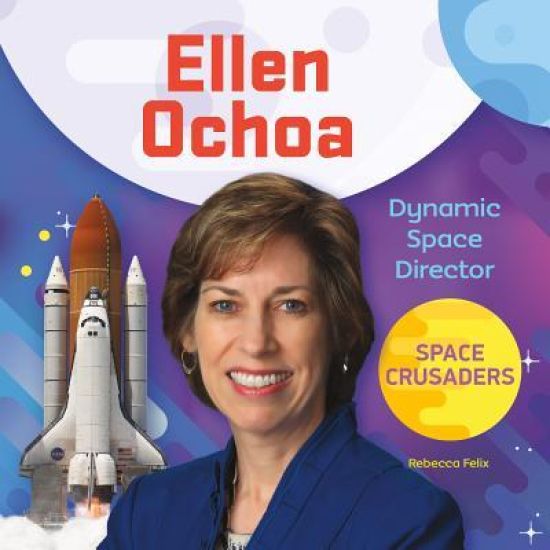
Meet Ellen Ochoa, history's first Hispanic female astronaut Follow Ochoa's story as she works at NASA's Ames Research Center while attempting to become an astronaut. Her persistence pays off when she is chosen to be an astronaut on her third try Learn about her accomplishments from her space shuttle missions through her retirement as the director of the Johnson Space Center. Infographics, historic photos, and a glossary enhance readers' understanding of this topic. Additional features include a table of contents, an index, a timeline and fun facts. Aligned to Common Core Standards and correlated to state standards. Checkerboard Library is an imprint of Abdo Publishing, a division of ABDO.
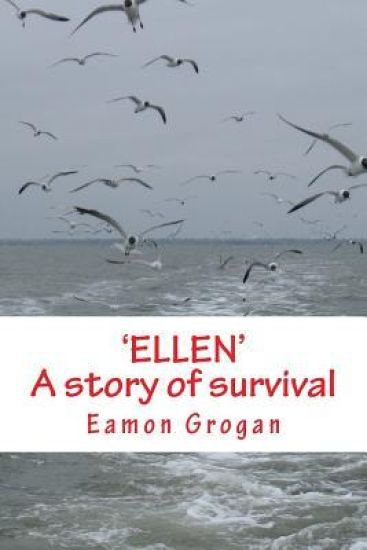
Ellen was born into a poor tenant farmer family before the cholera epidemic in 1831, in Cashel, Co Tipperary. This book follows her story through the landlord-tenant era of The Great Famine of the 1840's, the coffin ships that carried so many emigrants from Ireland, and life in America during the Californian Gold Rush and The American Civil War.There are insights into the historical events happening in Ireland at the time, along with a look at the social and economic background of what life was like for rich and poor alike in Ireland.Eamon Grogan is a retired teacher and lives in Cashel. Among the other books he has published are the crime-thrillers "Exiled by Evil" and "What might have been". He has also published a historical account of the life of Michael Doheny, who was involved in Daniel O Connell's Repeal Movement, The Young Irelander's Revolution of 1848, and was one of the founding members of The Fenian Movement in New York in 1855.
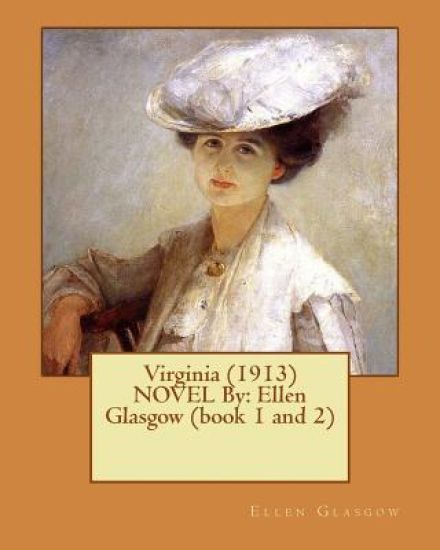
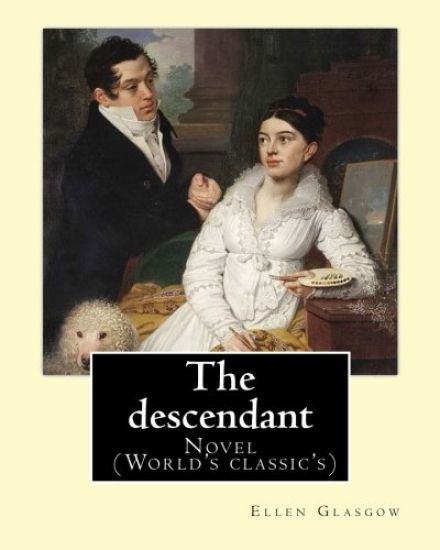
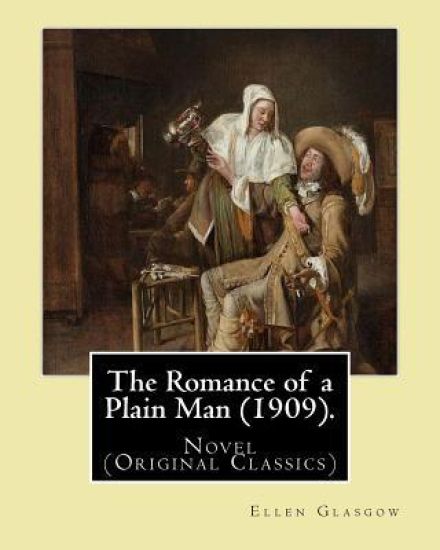
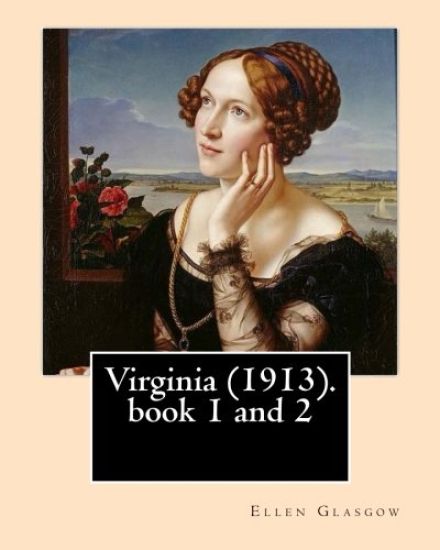
Virginia (1913) is a novel by Ellen Glasgow about a wife and mother who in vain seeks happiness by serving her family. This novel, her eleventh, marked a clear departure from Glasgow's previous work-she had written a series of bestsellers before publishing Virginia-in that it attacked, in a subtle yet unmistakable way, the very layer of society that constituted her readership. Also, as its heroine, though virtuous and god-fearing, is denied the happiness she is craving, its plot did not live up to readers' expectations as far as poetic justice is concerned and was bound to upset some of them. Today, Virginia is seen by many as an outstanding achievement in Glasgow's career, exactly because the author defied literary convention by questioning the foundations of American society around the dawn of the 20th century, be it capitalism, religion or racism. Born in 1864 to a clergyman and his dutiful wife, Virginia grows up as a Southern belle in the town of Dinwiddie, Virginia. Her education is strictly limited to the bare minimum, with anything that might disturb her quiet and comfortable existence vigorously avoided. Thus prepared for life, Virginia falls for the first handsome young man who crosses her path-Oliver Treadwell, the black sheep of a family of capitalist entrepreneurs who, during the time of Reconstruction, brought industry and the railroad to the South. Oliver, who has been abroad and has only recently arrived in Dinwiddie, is a dreamer and an intellectual. An aspiring playwright, his literary ambitions are more important to him than money, and he refuses his uncle's offer to work in his bank. However, when Virginia falls in love with him he realizes that he must be able to support a family, and eventually accepts his uncle's offer to work for the railroad. The young couple get married and have three children, a boy and two girls. Gradually perfecting her household skills, Virginia is able to get by on very little money. When, after many years, Oliver's first play is put on the stage in New York City, his expectations are high. However, the show is a complete failure as the play is far too intellectual and radical for a Broadway audience who wants to be entertained rather than reformed. Reading about the flop in the local newspaper, Virginia for the first time in her life leaves her children, asking her mother to take care of them for a day or two, and takes the night train to New York to be with, and console, her husband-only to be rejected by him, who is in a state of severe depression. When he has recovered from the shock, Oliver makes yet another concession to society and public taste and starts writing "trash". Throughout the years, Virginia leads a vicarious life: She is happy when her husband and children are happy; she makes sure their clothes are in perfect condition while neglecting her own outward appearance; and she is eager to provide for her children the education she herself has been denied. When, at one point, she realizes that the women her age whom she has known since childhood still look quite young while she has aged prematurely, she quickly persuades herself to believe that a life of altruistic subservience is more than worthwhile, that living and acting the way she does is her duty and God's will. Her father's sudden if honourable death-he unsuccessfully tries to prevent the lynching of an innocent young African American and is stabbed in the process by an angry and drunken young man-adds to the gloom that starts creeping into her life, especially when she sees that, as a widow, her mother suddenly loses all her will to live. When she dies only a few months after her husband, Virginia has a premonition that her own fate when losing Oliver could be a similar one.... Ellen Anderson Gholson Glasgow (April 22, 1873 - November 21, 1945) was an American novelist who portrayed the changing world of the contemporary South.