
Kirjahaku
Etsi kirjoja tekijän nimen, kirjan nimen tai ISBN:n perusteella.
1000 tulosta hakusanalla Julian Sharp

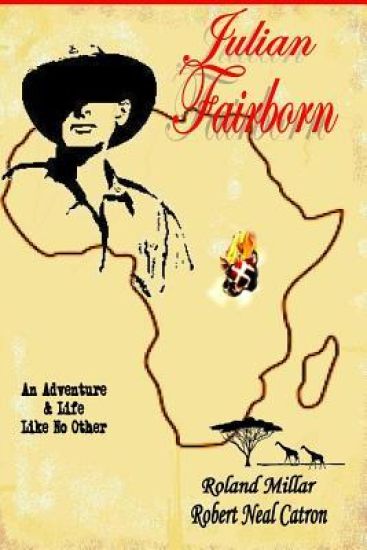
A classic work of literary excellence. Nothing less than the adventure of a lifetime in Africa when the world was poised on the edge of the political and military upheaval of the late 1930's, with relevance reaching into the present day.
Are you that child struggling with big emotions? That child who has experienced some hard stuff? That child who can't seem to form relationships with adults? That child who has "behaviors" that keep getting in the way? That child who feels like no one understands their story?This book is hope for THAT CHILD.Are you that adult who has children in your home? That adult who works directly with children? That adult who needs some extra tools to help children with big emotions? Or that adult who feels lost when having to manage a child's behaviors?This book is hope for THAT ADULT.

Julian Mortimer; A Brave Boy's Struggle for Home and Fortune
Harry Castlemon
Createspace Independent Publishing Platform
2016
nidottu

Julian Mortimer: A Brave Boy's Struggle for Home and Fortune
Harry Castlemon
Createspace Independent Publishing Platform
2016
nidottu
Bressant, A NOVEL (1873) by Julian Hawthorne (Original Version)
Julian Hawthorne
Createspace Independent Publishing Platform
2016
nidottu
Julian Hawthorne (June 22, 1846 - July 21, 1934) was an American writer and journalist, the son of novelist Nathaniel Hawthorne and Sophia Peabody. He wrote numerous poems, novels, short stories, mystery/detective fiction, essays, travel books, biographies and histories. As a journalist he reported on the Indian Famine for Cosmopolitan magazine, and the Spanish-American War for the New York Journal.Hawthorne entered Harvard College in 1863, but did not graduate. He was tutored privately in German by James Russell Lowell, a professor/writer who encouraged Nathaniel Hawthorne's work.It was during his freshman year at Harvard that he learned of his father's death, coincidentally the same day he was initiated into a fraternity. Years later, he wrote of the incident: I was initiated into a college secret society-a couple of hours of grotesque and good-humored rodomontade and horseplay, in which I cooperated as in a kind of pleasant nightmare, confident, even when branded with a red-hot iron or doused head-over heels in boiling oil, that it would come out all right. The neophyte is effectively blindfolded during the proceedings, and at last, still sightless, I was led down flights of steps into a silent crypt, and helped into a coffin, where I was to stay until the Resurrection...Thus it was that just as my father passed from this earth, I was lying in a coffin during my initiation into Delta Kappa Epsilon. He studied civil engineering in America and Germany, was engineer in the New York City Dock Department under General McClellan (1870-72), spent 10 years abroad, and on his return edited his father's unfinished Dr. Grimshawe's Secret (1883). While in Europe he wrote the novels: Bressant (1873); Idolatry (1874); Garth (1874); Archibald Malmaison (1879); and Sebastian Strome (1880). Hawthorne wrote two books about his parents, called Nathaniel Hawthorne and His Wife (1884-85) and Hawthorne and His Circle (1903). In the latter, he responded to a remark from his father's friend Herman Melville that the famous author had a "secret". Julian dismissed this, claiming Melville was inclined to think so only because "there were many secrets untold in his own career," causing much speculation.The younger Hawthorne also wrote a critique of his father's novel The Scarlet Letter that was published in The Atlantic Monthly in April 1886. Julian Hawthorne published an article in the October 24, 1886, issue of the New York World titled "Lowell in a Chatty Mood" based on a long interview with James Russell Lowell. Hawthorne reported that Lowell called the Prince of Wales "immensely fat" as well as other negative comments on British royals and politicians. Lowell angrily complained that the article made him seem like "a toothless old babbler". In 1889 there were reports that Hawthorne was one of several writers who had, under the name of "Arthur Richmond," published in the North American Review devastating attacks on President Grover Cleveland and other leading Americans. Hawthorne denied the reports...
Idolatry, a romance (1874), By Julian Hawthorne (original version)
Julian Hawthorne
Createspace Independent Publishing Platform
2016
nidottu
Julian Hawthorne (June 22, 1846 - July 21, 1934) was an American writer and journalist, the son of novelist Nathaniel Hawthorne and Sophia Peabody. He wrote numerous poems, novels, short stories, mystery/detective fiction, essays, travel books, biographies and histories. As a journalist he reported on the Indian Famine for Cosmopolitan magazine, and the Spanish-American War for the New York Journal.Hawthorne entered Harvard College in 1863, but did not graduate. He was tutored privately in German by James Russell Lowell, a professor/writer who encouraged Nathaniel Hawthorne's work.It was during his freshman year at Harvard that he learned of his father's death, coincidentally the same day he was initiated into a fraternity. Years later, he wrote of the incident: I was initiated into a college secret society-a couple of hours of grotesque and good-humored rodomontade and horseplay, in which I cooperated as in a kind of pleasant nightmare, confident, even when branded with a red-hot iron or doused head-over heels in boiling oil, that it would come out all right. The neophyte is effectively blindfolded during the proceedings, and at last, still sightless, I was led down flights of steps into a silent crypt, and helped into a coffin, where I was to stay until the Resurrection...Thus it was that just as my father passed from this earth, I was lying in a coffin during my initiation into Delta Kappa Epsilon. He studied civil engineering in America and Germany, was engineer in the New York City Dock Department under General McClellan (1870-72), spent 10 years abroad, and on his return edited his father's unfinished Dr. Grimshawe's Secret (1883). While in Europe he wrote the novels: Bressant (1873); Idolatry (1874); Garth (1874); Archibald Malmaison (1879); and Sebastian Strome (1880). Hawthorne wrote two books about his parents, called Nathaniel Hawthorne and His Wife (1884-85) and Hawthorne and His Circle (1903). In the latter, he responded to a remark from his father's friend Herman Melville that the famous author had a "secret". Julian dismissed this, claiming Melville was inclined to think so only because "there were many secrets untold in his own career," causing much speculation.The younger Hawthorne also wrote a critique of his father's novel The Scarlet Letter that was published in The Atlantic Monthly in April 1886. Julian Hawthorne published an article in the October 24, 1886, issue of the New York World titled "Lowell in a Chatty Mood" based on a long interview with James Russell Lowell. Hawthorne reported that Lowell called the Prince of Wales "immensely fat" as well as other negative comments on British royals and politicians. Lowell angrily complained that the article made him seem like "a toothless old babbler". In 1889 there were reports that Hawthorne was one of several writers who had, under the name of "Arthur Richmond," published in the North American Review devastating attacks on President Grover Cleveland and other leading Americans. Hawthorne denied the reports.
Saxon Studies (1876), By Julian Hawthorne: Saxon studies(1876) Saxony (Germany) -- Description and travel, Saxony (Germany) -- Social life and customs
Julian Hawthorne
Createspace Independent Publishing Platform
2016
nidottu
Saxon studies(1876) Saxony (Germany) -- Description and travel, Saxony (Germany) -- Social life and customs. Julian Hawthorne (June 22, 1846 - July 21, 1934) was an American writer and journalist, the son of novelist Nathaniel Hawthorne and Sophia Peabody. He wrote numerous poems, novels, short stories, mystery/detective fiction, essays, travel books, biographies and histories. As a journalist he reported on the Indian Famine for Cosmopolitan magazine, and the Spanish-American War for the New York Journal.Hawthorne entered Harvard College in 1863, but did not graduate. He was tutored privately in German by James Russell Lowell, a professor/writer who encouraged Nathaniel Hawthorne's work.It was during his freshman year at Harvard that he learned of his father's death, coincidentally the same day he was initiated into a fraternity. Years later, he wrote of the incident: I was initiated into a college secret society-a couple of hours of grotesque and good-humored rodomontade and horseplay, in which I cooperated as in a kind of pleasant nightmare, confident, even when branded with a red-hot iron or doused head-over heels in boiling oil, that it would come out all right. The neophyte is effectively blindfolded during the proceedings, and at last, still sightless, I was led down flights of steps into a silent crypt, and helped into a coffin, where I was to stay until the Resurrection...Thus it was that just as my father passed from this earth, I was lying in a coffin during my initiation into Delta Kappa Epsilon. He studied civil engineering in America and Germany, was engineer in the New York City Dock Department under General McClellan (1870-72), spent 10 years abroad, and on his return edited his father's unfinished Dr. Grimshawe's Secret (1883). While in Europe he wrote the novels: Bressant (1873); Idolatry (1874); Garth (1874); Archibald Malmaison (1879); and Sebastian Strome (1880). Hawthorne wrote two books about his parents, called Nathaniel Hawthorne and His Wife (1884-85) and Hawthorne and His Circle (1903). In the latter, he responded to a remark from his father's friend Herman Melville that the famous author had a "secret". Julian dismissed this, claiming Melville was inclined to think so only because "there were many secrets untold in his own career," causing much speculation.The younger Hawthorne also wrote a critique of his father's novel The Scarlet Letter that was published in The Atlantic Monthly in April 1886. Julian Hawthorne published an article in the October 24, 1886, issue of the New York World titled "Lowell in a Chatty Mood" based on a long interview with James Russell Lowell. Hawthorne reported that Lowell called the Prince of Wales "immensely fat" as well as other negative comments on British royals and politicians. Lowell angrily complained that the article made him seem like "a toothless old babbler". In 1889 there were reports that Hawthorne was one of several writers who had, under the name of "Arthur Richmond," published in the North American Review devastating attacks on President Grover Cleveland and other leading Americans. Hawthorne denied the reports.
Dust: a novel, By Julian Hawthorne (Classic Books)
Julian Hawthorne
Createspace Independent Publishing Platform
2016
nidottu
Julian Hawthorne (June 22, 1846 - July 21, 1934) was an American writer and journalist, the son of novelist Nathaniel Hawthorne and Sophia Peabody. He wrote numerous poems, novels, short stories, mystery/detective fiction, essays, travel books, biographies and histories. As a journalist he reported on the Indian Famine for Cosmopolitan magazine, and the Spanish-American War for the New York Journal.Hawthorne entered Harvard College in 1863, but did not graduate. He was tutored privately in German by James Russell Lowell, a professor/writer who encouraged Nathaniel Hawthorne's work.It was during his freshman year at Harvard that he learned of his father's death, coincidentally the same day he was initiated into a fraternity. Years later, he wrote of the incident: I was initiated into a college secret society-a couple of hours of grotesque and good-humored rodomontade and horseplay, in which I cooperated as in a kind of pleasant nightmare, confident, even when branded with a red-hot iron or doused head-over heels in boiling oil, that it would come out all right. The neophyte is effectively blindfolded during the proceedings, and at last, still sightless, I was led down flights of steps into a silent crypt, and helped into a coffin, where I was to stay until the Resurrection...Thus it was that just as my father passed from this earth, I was lying in a coffin during my initiation into Delta Kappa Epsilon. He studied civil engineering in America and Germany, was engineer in the New York City Dock Department under General McClellan (1870-72), spent 10 years abroad, and on his return edited his father's unfinished Dr. Grimshawe's Secret (1883). While in Europe he wrote the novels: Bressant (1873); Idolatry (1874); Garth (1874); Archibald Malmaison (1879); and Sebastian Strome (1880). Hawthorne wrote two books about his parents, called Nathaniel Hawthorne and His Wife (1884-85) and Hawthorne and His Circle (1903). In the latter, he responded to a remark from his father's friend Herman Melville that the famous author had a "secret". Julian dismissed this, claiming Melville was inclined to think so only because "there were many secrets untold in his own career," causing much speculation.The younger Hawthorne also wrote a critique of his father's novel The Scarlet Letter that was published in The Atlantic Monthly in April 1886. Julian Hawthorne published an article in the October 24, 1886, issue of the New York World titled "Lowell in a Chatty Mood" based on a long interview with James Russell Lowell. Hawthorne reported that Lowell called the Prince of Wales "immensely fat" as well as other negative comments on British royals and politicians. Lowell angrily complained that the article made him seem like "a toothless old babbler". In 1889 there were reports that Hawthorne was one of several writers who had, under the name of "Arthur Richmond," published in the North American Review devastating attacks on President Grover Cleveland and other leading Americans. Hawthorne denied the reports.
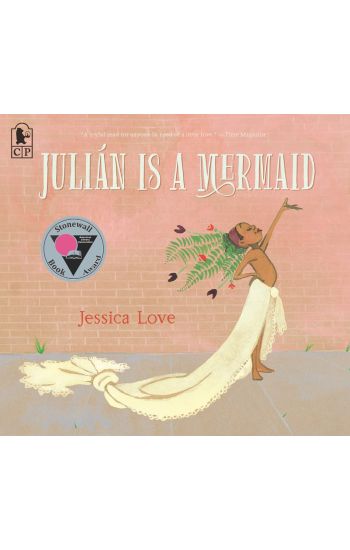
A New York Times bestseller "A powerful affirmation of individuality, creative expression, and unconditional acceptance." --Shelf Awareness (starred review) While riding the subway home from the pool with his abuela one day, Juli n notices three women spectacularly dressed up. Their hair billows in brilliant hues, their dresses end in fish tails, and their joy fills the train car. When Juli n gets home, daydreaming of the magic he's seen, all he can think about is dressing up in his own fabulous mermaid costume: a butter-yellow curtain for his tail, the fronds of a potted fern for his headdress. But what will Abuela think about the mess he makes--and even more importantly, what will she think about how Juli n sees himself? Mesmerizing and full of heart, this 2019 Stonewall Book Award winner is a jubilant picture of self-love and a radiant celebration of individuality.
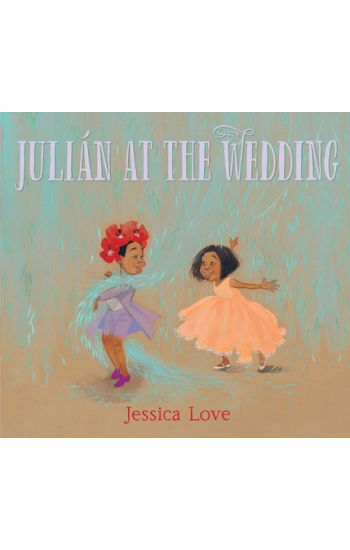
The star of Juli n Is a Mermaid makes a joyful return--and finds a new friend--at a wedding to be remembered. Juli n and his abuela are going to a wedding. Better yet, Juli n is in the wedding. Weddings have flowers and kissing and dancing and cake. And this wedding also has a new friend named Marisol. It's not long before Juli n and Marisol set off for some magic and mischief of their own, and when things take an unexpected turn, the pair learns that everything is easier with a good friend by your side. Jessica Love returns with a joyful story of friendship and individuality in this radiant follow-up to Juli n Is a Mermaid.
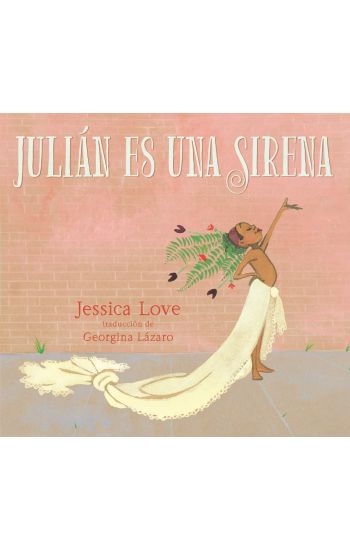
En un exuberante libro ilustrado, un ni o ve a unas mujeres disfrazadas de sirenas y se queda lleno de asombro y con ganas de deslumbrar al mundo. Un d a, tras salir de la piscina, mientras regresa a casa en tren con su abuela, Juli n ve a tres mujeres vestidas con unos trajes espectaculares. Sus cabelleras flotan en el aire con brillantes colores, sus vestidos tienen colas de pescado y su regocijo inunda el vag n del tren. Cuando Juli n llega a casa, hechizado por la magia que acaba de ver, solo piensa en vestirse como ellas con su propio fabuloso disfraz de sirena: se pone una cortina amarilla color mantequilla como cola y las frondas de una planta de helecho como tocado de la cabeza. Pero qu pensar su abuela del desorden que ha hecho--y m s importante a n--qu pensar de la imagen que tiene Juli n de s mismo? Cautivante y genuino, el libro de Jessica Love, galardonado con el premio Stonewall, es una jubilosa y radiante celebraci n del amor por uno mismo y de la individualidad.