Kirjojen hintavertailu. Mukana 11 717 486 kirjaa ja 12 kauppaa.

Kirjahaku

Etsi kirjoja tekijän nimen, kirjan nimen tai ISBN:n perusteella.

1000 tulosta hakusanalla Kaye Dobbie

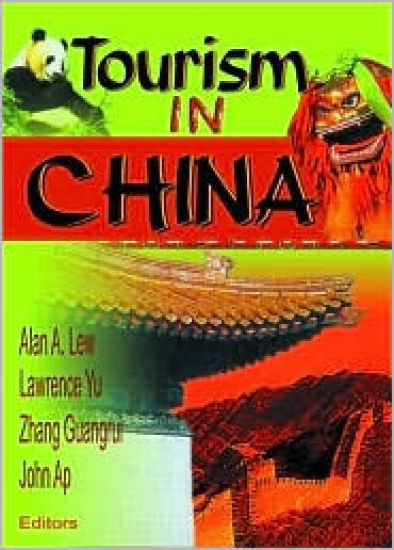
Tourism in China

Tourism in China

Kaye Sung Chon; Zhang Guangrui; Alan A. Lew; John Ap; Lawrence Yu

Routledge Member of the Taylor and Francis Group
2002
sidottu
Examine China's impact on the world tourism market!Tourism in China is a comprehensive study of tourism and the travel industry in China--past, present, and future. Since joining many of its Asia-Pacific neighbors in identifying tourism as a vehicle for socioeconomic growth and poverty alleviation, China has become the leader in the Asian travel industry, surpassing all forecasts with high and constant growth in international and domestic tourism activity. In fact, the World Trade Organization predicts that by 2020, China will become the world's leading tourism destination, receiving 145 million visitors. This timely book examines the diverse opportunities and challenges the country's tourism industry faces in meeting those projections.A unique, interdisciplinary guide that appeals to practitioners and academics, Tourism in China has been called “probably the most in-depth analysis of China's tourism industry” by the World Trade Organization's Dr. Harsh Varma. The book presents a collection of articles--scholarly in nature, comprehensive in scope--that serves as a significant (and much-needed) reference on Chinese tourism, though not including minority or border tourism, or the Hong Kong or Taiwan markets. The industry's historical development, its impact on the Chinese economy and ecology, and its current and future markets are examined extensively.Tourism in China also examines:the impressions of Western travelers in China during the 19th century the tourism boom and its development since 1978 the development of ecotourism in China's nature reserves the effect of the tourism boom on the hotel industry the development of theme parks in China.With two-thirds of China's provincial governments committed to making tourism one of their pillar industries, it is essential that tourism professionals, academics, and students around the world have a thorough understanding of this leader in current and future world travel. Tourism in China provides a detailed look at how the country’s tourism industry was built and how it will continue to expand. Helpful tables and figures, as well as a glossary of relevant terms, make the information easy to access and understand.
Tourism in China

Tourism in China

Kaye Sung Chon; Zhang Guangrui; Alan A. Lew; John Ap; Lawrence Yu

Routledge Member of the Taylor and Francis Group
2002
nidottu
Examine China's impact on the world tourism market!Tourism in China is a comprehensive study of tourism and the travel industry in China--past, present, and future. Since joining many of its Asia-Pacific neighbors in identifying tourism as a vehicle for socioeconomic growth and poverty alleviation, China has become the leader in the Asian travel industry, surpassing all forecasts with high and constant growth in international and domestic tourism activity. In fact, the World Trade Organization predicts that by 2020, China will become the world's leading tourism destination, receiving 145 million visitors. This timely book examines the diverse opportunities and challenges the country's tourism industry faces in meeting those projections.A unique, interdisciplinary guide that appeals to practitioners and academics, Tourism in China has been called “probably the most in-depth analysis of China's tourism industry” by the World Trade Organization's Dr. Harsh Varma. The book presents a collection of articles--scholarly in nature, comprehensive in scope--that serves as a significant (and much-needed) reference on Chinese tourism, though not including minority or border tourism, or the Hong Kong or Taiwan markets. The industry's historical development, its impact on the Chinese economy and ecology, and its current and future markets are examined extensively.Tourism in China also examines:the impressions of Western travelers in China during the 19th century the tourism boom and its development since 1978 the development of ecotourism in China's nature reserves the effect of the tourism boom on the hotel industry the development of theme parks in China.With two-thirds of China's provincial governments committed to making tourism one of their pillar industries, it is essential that tourism professionals, academics, and students around the world have a thorough understanding of this leader in current and future world travel. Tourism in China provides a detailed look at how the country’s tourism industry was built and how it will continue to expand. Helpful tables and figures, as well as a glossary of relevant terms, make the information easy to access and understand.
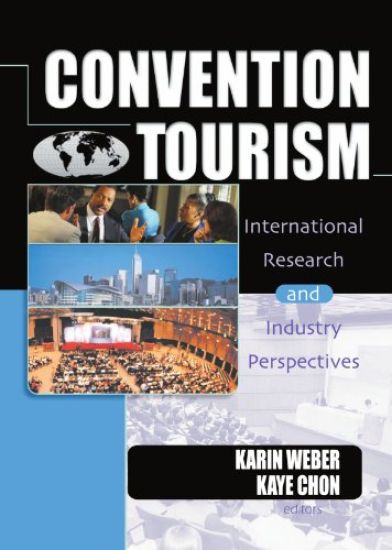
Convention Tourism

Convention Tourism

Kaye Sung Chon; Karin Weber

Routledge Member of the Taylor and Francis Group
2002
sidottu
Stay up to date on international trends in convention tourism! Convention Tourism: International Research and Industry Perspectives is a thorough analysis of the industry’s key markets, combining insightful articles with detailed case studies. Equally valuable as a professional handbook, research reference guide, and textbook, this comprehensive book includes an account of the history of convention tourism and its economic contributions, marketing and human resources analyses, global and regional developments, and research issues and challenges. Convention Tourism addresses issues critical to the three key regions of the convention and meeting industry--North America, Europe, and Asia-Pacific. The book features a wide range of material from the top educators around the world, reflecting an international perspective befitting the industry’s growing trend toward globalization. Convention Tourism also presents in-depth studies that focus on the United States, the Mediterranean, Australia, and Korea, and takes a look ahead at likely business, technological, and social trends that are likely to affect the convention industry in the coming years. Convention Tourism also examines: proposed economic impact assessment framework regional planning and development initiatives education and training programs from industry associations and universities research resources international meeting managementAs more and more international sites compete with traditional markets for lucrative convention contracts, it is crucial that professionals, researchers, and academics have a global understanding of the industry’s past, present, and future. Convention Tourism is an essential overview of the most important element of the business tourism industry.
Convention Tourism

Convention Tourism

Kaye Sung Chon; Karin Weber

Routledge Member of the Taylor and Francis Group
2002
nidottu
Stay up to date on international trends in convention tourism! Convention Tourism: International Research and Industry Perspectives is a thorough analysis of the industry’s key markets, combining insightful articles with detailed case studies. Equally valuable as a professional handbook, research reference guide, and textbook, this comprehensive book includes an account of the history of convention tourism and its economic contributions, marketing and human resources analyses, global and regional developments, and research issues and challenges. Convention Tourism addresses issues critical to the three key regions of the convention and meeting industry--North America, Europe, and Asia-Pacific. The book features a wide range of material from the top educators around the world, reflecting an international perspective befitting the industry’s growing trend toward globalization. Convention Tourism also presents in-depth studies that focus on the United States, the Mediterranean, Australia, and Korea, and takes a look ahead at likely business, technological, and social trends that are likely to affect the convention industry in the coming years. Convention Tourism also examines: proposed economic impact assessment framework regional planning and development initiatives education and training programs from industry associations and universities research resources international meeting managementAs more and more international sites compete with traditional markets for lucrative convention contracts, it is crucial that professionals, researchers, and academics have a global understanding of the industry’s past, present, and future. Convention Tourism is an essential overview of the most important element of the business tourism industry.
Handbook for Distance Learning in Tourism

Handbook for Distance Learning in Tourism

Kaye Sung Chon

Routledge Member of the Taylor and Francis Group
2005
sidottu
Deliver quality instruction to your studentson-campus or offThe Handbook for Distance Learning in Tourism is a practical, down-to-earth guide to developing and using print-based and Internet-based flexible learning resources for courses where students rarely, if ever, attend on-campus classes. Whether you’re a teacher who needs to develop course notes into a flexible learning package, a Web site, or both, or you just want information about how to teach in a flexible environment, the book will provide the help you need-in language you can understand. Designed to guide you through the completion of a projector a semesterthis hands-on book offers strategies, suggestions, hints, and examples, and includes a hotel and tourism case study that illustrates effective concepts and strategies.Written by Gary Williams, co-editor of The Internet and Travel and Tourism Education (Haworth), this unique book will help you develop print-based and Internet-based learning resources instead of focusing only on one or the other, breaking down the barriers placed between learning environments. The strategies presented are timeless, with no comparisons of specific commercial or noncommercial products to become outdated and no Web site addresses to become useless. The book makes extensive use of tables, graphics, and illustrations and has its own Web site that’s regularly updated, listing online resources arranged on a chapter-by-chapter basis.The Handbook for Distance Learning in Tourism examines: the roles and characteristics of a project manager developing and buying resources considerations before committing to a project maximizing project ownership ensuring quality content educational design guidelines media foundations production, design, and maintenance of print resources developing and using Web sites computer-mediated contact course management systems (CMS) and much more!The Handbook for Distance Learning in Tourism is an invaluable guidebook for educators working in the field of hotel and tourism management as well as academics, project managers, and educational designers who are interested in flexible learning developments.
Handbook for Distance Learning in Tourism

Handbook for Distance Learning in Tourism

Kaye Sung Chon

Routledge Member of the Taylor and Francis Group
2005
nidottu
Deliver quality instruction to your studentson-campus or offThe Handbook for Distance Learning in Tourism is a practical, down-to-earth guide to developing and using print-based and Internet-based flexible learning resources for courses where students rarely, if ever, attend on-campus classes. Whether you’re a teacher who needs to develop course notes into a flexible learning package, a Web site, or both, or you just want information about how to teach in a flexible environment, the book will provide the help you need-in language you can understand. Designed to guide you through the completion of a projector a semesterthis hands-on book offers strategies, suggestions, hints, and examples, and includes a hotel and tourism case study that illustrates effective concepts and strategies.Written by Gary Williams, co-editor of The Internet and Travel and Tourism Education (Haworth), this unique book will help you develop print-based and Internet-based learning resources instead of focusing only on one or the other, breaking down the barriers placed between learning environments. The strategies presented are timeless, with no comparisons of specific commercial or noncommercial products to become outdated and no Web site addresses to become useless. The book makes extensive use of tables, graphics, and illustrations and has its own Web site that’s regularly updated, listing online resources arranged on a chapter-by-chapter basis.The Handbook for Distance Learning in Tourism examines: the roles and characteristics of a project manager developing and buying resources considerations before committing to a project maximizing project ownership ensuring quality content educational design guidelines media foundations production, design, and maintenance of print resources developing and using Web sites computer-mediated contact course management systems (CMS) and much more!The Handbook for Distance Learning in Tourism is an invaluable guidebook for educators working in the field of hotel and tourism management as well as academics, project managers, and educational designers who are interested in flexible learning developments.
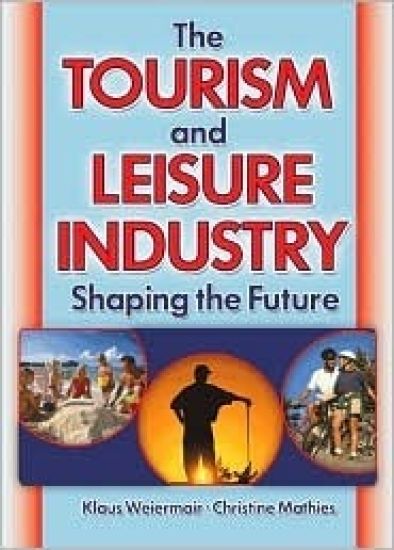
The Tourism and Leisure Industry

The Tourism and Leisure Industry

Kaye Sung Chon

Routledge Member of the Taylor and Francis Group
2004
sidottu
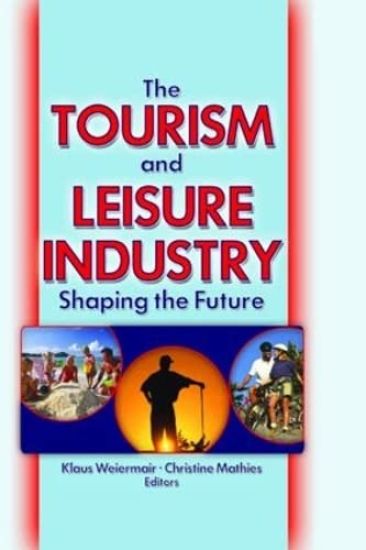
Find out how the ways we live and work are changing the ways in which we play! As populations grow and urbanization increases, social class, income, and ethnicity are influencing where and when people travel. The Tourism and Leisure Industry: Shaping the Future gives you the knowledge and skills you need to keep your business on top of this competitive field. An essential read for all leisure and tourism experts, this book analyzes and explains demographics, global supply and demand, globalization, intercultural behavior, and mobility to help you forecast future consumer needs. This insightful book also predicts new markets and products to help you tailor your business to the tourism and leisure trends of the next generation. The Tourism and Leisure Industry: Shaping the Future evaluates traditional leisure time activities, such as theme parks and sporting events as well as the fastest growing activities, such as leisure-based wellness resorts. Find out what the populations of different countries are expecting from their free time in terms of temporal aspects, benefits, and location. Get up-to-date advice on information technology and see how it will be changing the way you do business. The Tourism and Leisure Industry: Shaping the Future focuses on a variety of factors impacting tourism today, including: changes in social values intercultural technology races changed economic market conditions changing lifestyle trends population growth networked economies the growing market for senior travelersThe Tourism and Leisure Industry: Shaping the Future is your contemporary guide to the next steps in the evolution of tourism and leisure. Filled with tables and figures to help you organize and understand the information it presents, this book is easy to read yet suitable for any expert in the leisure field. With case studies, research reports, and extensive bibliographies, it is a vital resource for destination managers, consultants, and teachers alike.
The Tourism and Leisure Industry

The Tourism and Leisure Industry

Kaye Sung Chon

Routledge Member of the Taylor and Francis Group
2004
nidottu
Find out how the ways we live and work are changing the ways in which we play! As populations grow and urbanization increases, social class, income, and ethnicity are influencing where and when people travel. The Tourism and Leisure Industry: Shaping the Future gives you the knowledge and skills you need to keep your business on top of this competitive field. An essential read for all leisure and tourism experts, this book analyzes and explains demographics, global supply and demand, globalization, intercultural behavior, and mobility to help you forecast future consumer needs. This insightful book also predicts new markets and products to help you tailor your business to the tourism and leisure trends of the next generation. The Tourism and Leisure Industry: Shaping the Future evaluates traditional leisure time activities, such as theme parks and sporting events as well as the fastest growing activities, such as leisure-based wellness resorts. Find out what the populations of different countries are expecting from their free time in terms of temporal aspects, benefits, and location. Get up-to-date advice on information technology and see how it will be changing the way you do business. The Tourism and Leisure Industry: Shaping the Future focuses on a variety of factors impacting tourism today, including: changes in social values intercultural technology races changed economic market conditions changing lifestyle trends population growth networked economies the growing market for senior travelersThe Tourism and Leisure Industry: Shaping the Future is your contemporary guide to the next steps in the evolution of tourism and leisure. Filled with tables and figures to help you organize and understand the information it presents, this book is easy to read yet suitable for any expert in the leisure field. With case studies, research reports, and extensive bibliographies, it is a vital resource for destination managers, consultants, and teachers alike.
Ocean Travel and Cruising

Ocean Travel and Cruising

Kaye Sung Chon; Arthur Asa Berger

Routledge Member of the Taylor and Francis Group
2004
sidottu
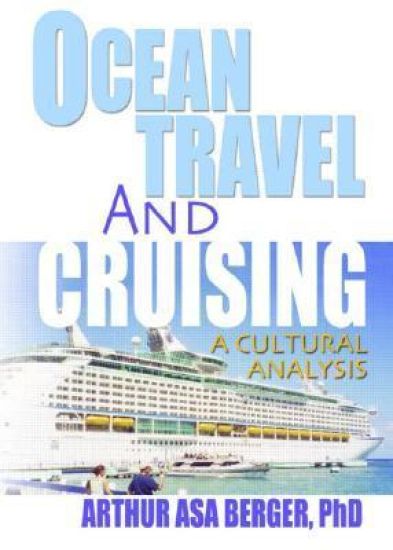
A one-of-a-kind analysis of ocean cruising! In Ocean Travel and Cruising: A Cultural Analysis, noted author Arthur Asa Berger turns his critical eye to the phenomenon of ocean cruising. This academically solid yet reader-friendly book brings a multidisciplinary cultural studies approach to the subject, examining ocean cruising from economic, semiotic, sociological, psychoanalytic, and marketing perspectives, and offering insights not provided by the more traditional sociological approaches to the subject. You'll explore cruise demographics, the relationship between cruising and gender, the sociology of dining on cruise ships, hedonism and pleasure seeking, the compulsion to cruise, consolidation in the industry, the exploitation of workers on cruise ships, and a great deal more. Here's a section-by-section rundown of what's in store for you and your students in this one-of-a-kind new text: The Economics of Cruising examines cruise categories, industry consolidation, worker exploitation, and ways that cruise lines make money aside from ticket sales. This section also compares the costs of cruises vs. land-based vacations and fills you in on the typical weekly food and beverage consumption of the Carnival line's complement of ships, which sheds light on how a cruise line can, for a mere $10, provide a food array that would cost a restaurant or hotel $33 to $40. Signs at SeaThe Semiotics of Cruising provides you with a quick primer on semiotics and then discusses the cruise ship as a sign system and then breaks the system down to its component parts, discussing dining rooms, cabins/staterooms, dress codes, spatiality, luxury signifiers, the perceived elitism of the cruise experience, the role of photography, and more. A Sociological Analysis of Cruising explores cruise demographics and their meaning, time budgeting on cruises, the sociology of dining, new trends in cruising, and the meaning of gender in relation to ocean cruising. A particularly intriguing chapter is A Psychoanalytic Interpretation of Cruising. Beginning with a look at the compulsion to cruise, this section explores cruising's relationship with the unconscious, the paradise myth, hedonism and pleasure seeking, the desire for unconditional love, psychological regression, and more. In Selling Smooth Sailing: Advertising and Marketing Cruises, you'll examine print advertisements from eight major cruise lines, look at what they have in common and what the differences are between the messages each cruise line hopes to convey via the style and content of their ads and brochures. Cruising (on) the Internet looks at the intersection of the information superhighway with the world of cruising. You'll learn about the cruise lines' own Web sites, travel agency sites, Internet sites designed to rate and review cruises and cruise ships, and more. Notes from a Cruise Journal shares the author’s on-site reflections and impressions of a weeklong cruise from Los Angeles to Puerto Vallarta, Mexico, and back. Written in accessible, jargon-free language that will appeal to students at all levels, Ocean Travel and Cruising: A Cultural Analysis is the most recent of a very small selection of scholarly studies of ocean cruising available in English. Make it a part of your cultural studies, leisure studies, sociology, travel/tourism/hospitality, popular culture, or American studies course this semester!
Ocean Travel and Cruising

Ocean Travel and Cruising

Kaye Sung Chon; Arthur Asa Berger

Routledge Member of the Taylor and Francis Group
2004
nidottu
A one-of-a-kind analysis of ocean cruising! In Ocean Travel and Cruising: A Cultural Analysis, noted author Arthur Asa Berger turns his critical eye to the phenomenon of ocean cruising. This academically solid yet reader-friendly book brings a multidisciplinary cultural studies approach to the subject, examining ocean cruising from economic, semiotic, sociological, psychoanalytic, and marketing perspectives, and offering insights not provided by the more traditional sociological approaches to the subject. You'll explore cruise demographics, the relationship between cruising and gender, the sociology of dining on cruise ships, hedonism and pleasure seeking, the compulsion to cruise, consolidation in the industry, the exploitation of workers on cruise ships, and a great deal more. Here's a section-by-section rundown of what's in store for you and your students in this one-of-a-kind new text: The Economics of Cruising examines cruise categories, industry consolidation, worker exploitation, and ways that cruise lines make money aside from ticket sales. This section also compares the costs of cruises vs. land-based vacations and fills you in on the typical weekly food and beverage consumption of the Carnival line's complement of ships, which sheds light on how a cruise line can, for a mere $10, provide a food array that would cost a restaurant or hotel $33 to $40. Signs at SeaThe Semiotics of Cruising provides you with a quick primer on semiotics and then discusses the cruise ship as a sign system and then breaks the system down to its component parts, discussing dining rooms, cabins/staterooms, dress codes, spatiality, luxury signifiers, the perceived elitism of the cruise experience, the role of photography, and more. A Sociological Analysis of Cruising explores cruise demographics and their meaning, time budgeting on cruises, the sociology of dining, new trends in cruising, and the meaning of gender in relation to ocean cruising. A particularly intriguing chapter is A Psychoanalytic Interpretation of Cruising. Beginning with a look at the compulsion to cruise, this section explores cruising's relationship with the unconscious, the paradise myth, hedonism and pleasure seeking, the desire for unconditional love, psychological regression, and more. In Selling Smooth Sailing: Advertising and Marketing Cruises, you'll examine print advertisements from eight major cruise lines, look at what they have in common and what the differences are between the messages each cruise line hopes to convey via the style and content of their ads and brochures. Cruising (on) the Internet looks at the intersection of the information superhighway with the world of cruising. You'll learn about the cruise lines' own Web sites, travel agency sites, Internet sites designed to rate and review cruises and cruise ships, and more. Notes from a Cruise Journal shares the author’s on-site reflections and impressions of a weeklong cruise from Los Angeles to Puerto Vallarta, Mexico, and back. Written in accessible, jargon-free language that will appeal to students at all levels, Ocean Travel and Cruising: A Cultural Analysis is the most recent of a very small selection of scholarly studies of ocean cruising available in English. Make it a part of your cultural studies, leisure studies, sociology, travel/tourism/hospitality, popular culture, or American studies course this semester!
Casino Industry in Asia Pacific

Casino Industry in Asia Pacific

Kaye Sung Chon; Cathy Hc Hsu

Routledge Member of the Taylor and Francis Group
2006
sidottu
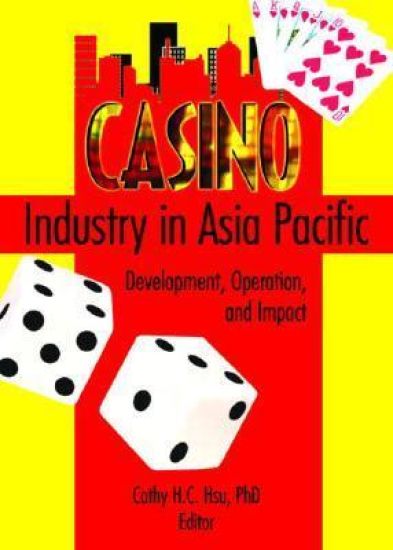
This single volume gives you comprehensive information on Asia-Pacific gaming!Casino Industry in Asia Pacific: Development, Operation, and Impact is a one-of-a-kind comprehensive review of the gaming industry in various countries in the Asia-Pacific region. This valuable resource thoroughly details the history, the operational issues, and the impact of casino gaming in Australia, Korea, Macao, and Southeast Asiaand the Pachinko phenomenon in Japan. International authorities discuss crucial issues that involve policy makers and casino developers, allowing industry players a global perspective as they consider various important viewpoints in their long-range planning. Casino Industry in Asia Pacific is organized into three sections: Development, Operation, and Impact. Chapters in the Development section provide a thorough history of gaming for Australia, Japan, Korea, Macao, and Southeast Asia. Laws and regulations are also reviewed for each location. In the Operation section, each chapter analyzes an important casino operational issue, including regulations, licensing and due diligence, internal control and auditing, and rolling commissions. The last section reviews the economic and social impacts for various regions. Chinese culture and gaming are also examined in detail to illustrate the intertwined relationship between gaming and people’s daily life. Extensive bibliographies, helpful tables, and fascinating photographs are also included.Casino Industry in Asia Pacific discusses: casino history and gaming legislation in Australia, Korea, and Macao Japan’s form of gamblingPachinko gaming in Southeast Asia suggestions for Asian gaming jurisdictions casino licensing investigations accounting, internal controls, and casino auditing the use of non-negotiable chips the societal and economic impacts of gaming in Australia the impacts of casinos in Korea gaming and Chinese culture Casino Industry in Asia Pacific: Development, Operation, and Impact is an essential resource for graduate students, advanced undergraduate students, educators, researchers, gaming policymakers and lobbyists, concerned civic organization leaders and members, casino developers and executives, hotel professionals, travel and tourism professionals, and anyone interested in the gaming industry.
Casino Industry in Asia Pacific

Casino Industry in Asia Pacific

Kaye Sung Chon; Cathy Hc Hsu

Routledge Member of the Taylor and Francis Group
2006
nidottu
This single volume gives you comprehensive information on Asia-Pacific gaming!Casino Industry in Asia Pacific: Development, Operation, and Impact is a one-of-a-kind comprehensive review of the gaming industry in various countries in the Asia-Pacific region. This valuable resource thoroughly details the history, the operational issues, and the impact of casino gaming in Australia, Korea, Macao, and Southeast Asiaand the Pachinko phenomenon in Japan. International authorities discuss crucial issues that involve policy makers and casino developers, allowing industry players a global perspective as they consider various important viewpoints in their long-range planning. Casino Industry in Asia Pacific is organized into three sections: Development, Operation, and Impact. Chapters in the Development section provide a thorough history of gaming for Australia, Japan, Korea, Macao, and Southeast Asia. Laws and regulations are also reviewed for each location. In the Operation section, each chapter analyzes an important casino operational issue, including regulations, licensing and due diligence, internal control and auditing, and rolling commissions. The last section reviews the economic and social impacts for various regions. Chinese culture and gaming are also examined in detail to illustrate the intertwined relationship between gaming and people’s daily life. Extensive bibliographies, helpful tables, and fascinating photographs are also included.Casino Industry in Asia Pacific discusses: casino history and gaming legislation in Australia, Korea, and Macao Japan’s form of gamblingPachinko gaming in Southeast Asia suggestions for Asian gaming jurisdictions casino licensing investigations accounting, internal controls, and casino auditing the use of non-negotiable chips the societal and economic impacts of gaming in Australia the impacts of casinos in Korea gaming and Chinese culture Casino Industry in Asia Pacific: Development, Operation, and Impact is an essential resource for graduate students, advanced undergraduate students, educators, researchers, gaming policymakers and lobbyists, concerned civic organization leaders and members, casino developers and executives, hotel professionals, travel and tourism professionals, and anyone interested in the gaming industry.
Community Destination Management in Developing Economies

Community Destination Management in Developing Economies

Kaye Chon Sung

Routledge Member of the Taylor and Francis Group
2006
sidottu
The practical, user-friendly guide to creating a sustainable future for destinations in developing economiesCommunity Destination Management in Developing Economies is a user-friendly guide that provides a comprehensive view of the issues facing planners, policymakers, and destination managers who attempt to ensure a sustainable future for community destinations in developing economies. Travel and tourism experts from a wide range of disciplines discuss illustrative case studies and effective practical approaches for various facets of destination management. This book explains in detail the complex task of destination management, making the needed basic knowledge and skills understandable to all readers. Community Destination Management in Developing Economies is divided into three sections. The first section provides a basic introduction to community tourism destination management with a special emphasis on community participation and practical case studies. The second section reviews the basic tools essential for managing destinations, such as Environmental Impact Assessments (EIA), Geographic Information Systems (GIS), remote sensing technologies, good governance, and carrying capacity. The final section provides a wide range of illuminating case studies designed to illustrate both the conceptual issues discussed in the first part along with the tools developed in the second part. The book is extensively referenced and has several helpful figures, tables, and photographs to clarify concepts and topics.Community Destination Management in Developing Economies topics include: the principles of sustainable tourism product marketing and development financing destination planning organizational structure and management destination site management and operations the nature of tourism participation of the community in development projects Environmental Impact Assessments (EIA) Geographic Information Systems (GIS) remote sensing technology historic resource management the concept and application of good governance carrying capacity as a destination management tool preservation of heritage in tourism computer visualization technology festival and event tourism and more! Community Destination Management in Developing Economies is essential reading for urban planners and managers, tourism planners, economic development officials, politicians and policymakers working at the local level, consultants working in developing economies, officials from aid agencies and development banks responsible for developing and approving development projects for tourism purposes, educators and students, and those without tourism planning and development training who need this specialized information.
Community Destination Management in Developing Economies

Community Destination Management in Developing Economies

Kaye Chon Sung

Routledge Member of the Taylor and Francis Group
2006
nidottu
The practical, user-friendly guide to creating a sustainable future for destinations in developing economiesCommunity Destination Management in Developing Economies is a user-friendly guide that provides a comprehensive view of the issues facing planners, policymakers, and destination managers who attempt to ensure a sustainable future for community destinations in developing economies. Travel and tourism experts from a wide range of disciplines discuss illustrative case studies and effective practical approaches for various facets of destination management. This book explains in detail the complex task of destination management, making the needed basic knowledge and skills understandable to all readers. Community Destination Management in Developing Economies is divided into three sections. The first section provides a basic introduction to community tourism destination management with a special emphasis on community participation and practical case studies. The second section reviews the basic tools essential for managing destinations, such as Environmental Impact Assessments (EIA), Geographic Information Systems (GIS), remote sensing technologies, good governance, and carrying capacity. The final section provides a wide range of illuminating case studies designed to illustrate both the conceptual issues discussed in the first part along with the tools developed in the second part. The book is extensively referenced and has several helpful figures, tables, and photographs to clarify concepts and topics.Community Destination Management in Developing Economies topics include: the principles of sustainable tourism product marketing and development financing destination planning organizational structure and management destination site management and operations the nature of tourism participation of the community in development projects Environmental Impact Assessments (EIA) Geographic Information Systems (GIS) remote sensing technology historic resource management the concept and application of good governance carrying capacity as a destination management tool preservation of heritage in tourism computer visualization technology festival and event tourism and more! Community Destination Management in Developing Economies is essential reading for urban planners and managers, tourism planners, economic development officials, politicians and policymakers working at the local level, consultants working in developing economies, officials from aid agencies and development banks responsible for developing and approving development projects for tourism purposes, educators and students, and those without tourism planning and development training who need this specialized information.
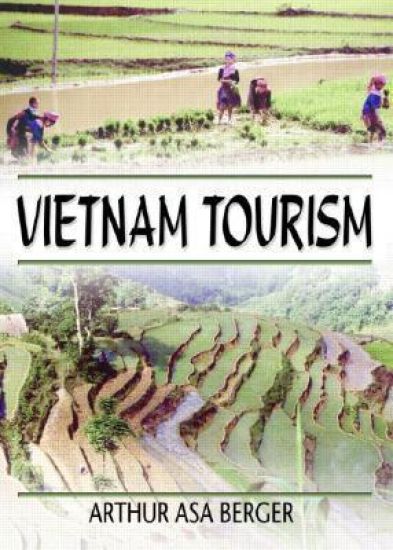
Vietnam Tourism

Vietnam Tourism

Kaye Sung Chon; Arthur Asa Berger

Routledge Member of the Taylor and Francis Group
2005
sidottu
Explore the travel/tourism possibilities of this exotic yet tourist-friendly countryVietnam Tourism presents a unique ethnographic-semiotic analysis of some of the most important touristic icons in Vietnamese culture. In addition, it offers a firsthand analysis of many aspects of daily life in Vietnam and a semiotic analysis of Vietnam’s dominant cultural symbols. A twelve-page photo section brings vibrant images of this unique country to life.Vietnam Tourism also presents an essential overview of what Vietnam has to offer tourists, looking at the exciting possibilitiesand the potential pitfallsof visiting this extraordinary country. Although Vietnam is a Third World country, it has excellent tourism companies and many wonderful sitesfrom Halong Bay and Hue to extraordinary temples and beautiful beaches. The book paints a vivid portrait of this country’s hidden gems and popular tourist destinations, exploring the problems and possibilities Vietnam faces in developing its tourism industry.In Vietnam Tourism, you’ll find information that is essential for anyone who needs to be in the know about this increasingly popular tourist destination. This reader-friendly book will leave you better informed about: the rapid construction of hotels in important tourist sites: there are now hotels of all kindsfrom super luxurious ones to middle-range, three-star hotels, down to very primitive hotelsin most of the country’s important tourist venues daily life in Vietnam’s teeming cities, in its religious enclaves, and in its unique rural areas the meaning and relevance (semiotics) of commonplace objects in Vietnam, including Pho (a traditional soup that is often eaten for breakfast and is found everywhere in the country), conical straw hats, spring rolls, pith helmets, dong (Vietnamese currency), water puppetry, etc. important sites that tourists often visit, including the Ho Chi Minh museum, Ha Noi, the Cu Chi Tunnels, the unforgettable Cao Dai Cathedral at Tay Ninh, the Mekong Delta, and Ho Chi Minh City (Saigon) images of Vietnam created by travel writerswhat the tourist guidebooks have to say, and how they relate to the reality of the author’s personal experience in VietnamAfter reading Vietnam Tourism, you (and your students) will have a wealth of knowledge to draw upon. This is an ideal book to read before visiting Vietnam yourselfor recommending/planning a trip for others. The fresh insights it presents will help make any trip to the region more rewarding for the traveler.
Vietnam Tourism

Vietnam Tourism

Kaye Sung Chon; Arthur Asa Berger

Routledge Member of the Taylor and Francis Group
2005
nidottu
Explore the travel/tourism possibilities of this exotic yet tourist-friendly countryVietnam Tourism presents a unique ethnographic-semiotic analysis of some of the most important touristic icons in Vietnamese culture. In addition, it offers a firsthand analysis of many aspects of daily life in Vietnam and a semiotic analysis of Vietnam’s dominant cultural symbols. A twelve-page photo section brings vibrant images of this unique country to life.Vietnam Tourism also presents an essential overview of what Vietnam has to offer tourists, looking at the exciting possibilitiesand the potential pitfallsof visiting this extraordinary country. Although Vietnam is a Third World country, it has excellent tourism companies and many wonderful sitesfrom Halong Bay and Hue to extraordinary temples and beautiful beaches. The book paints a vivid portrait of this country’s hidden gems and popular tourist destinations, exploring the problems and possibilities Vietnam faces in developing its tourism industry.In Vietnam Tourism, you’ll find information that is essential for anyone who needs to be in the know about this increasingly popular tourist destination. This reader-friendly book will leave you better informed about: the rapid construction of hotels in important tourist sites: there are now hotels of all kindsfrom super luxurious ones to middle-range, three-star hotels, down to very primitive hotelsin most of the country’s important tourist venues daily life in Vietnam’s teeming cities, in its religious enclaves, and in its unique rural areas the meaning and relevance (semiotics) of commonplace objects in Vietnam, including Pho (a traditional soup that is often eaten for breakfast and is found everywhere in the country), conical straw hats, spring rolls, pith helmets, dong (Vietnamese currency), water puppetry, etc. important sites that tourists often visit, including the Ho Chi Minh museum, Ha Noi, the Cu Chi Tunnels, the unforgettable Cao Dai Cathedral at Tay Ninh, the Mekong Delta, and Ho Chi Minh City (Saigon) images of Vietnam created by travel writerswhat the tourist guidebooks have to say, and how they relate to the reality of the author’s personal experience in VietnamAfter reading Vietnam Tourism, you (and your students) will have a wealth of knowledge to draw upon. This is an ideal book to read before visiting Vietnam yourselfor recommending/planning a trip for others. The fresh insights it presents will help make any trip to the region more rewarding for the traveler.
The Growth Strategies of Hotel Chains

The Growth Strategies of Hotel Chains

Kaye Sung Chon

Routledge Member of the Taylor and Francis Group
2006
sidottu
How did Accor, Cendant, Choice Hotels International, Marriott, and Hilton become the largest hotel chains in the worldand what strategies will they use to continue their growth?This first-of-its-kind textbook presents a balanced overview of the theory and practice of hotel chains’ growth strategies. It explains in-depth how and why the largest worldwide hotel chains achieved dominant international status and shows how to forecast future developments. Authentic international examples in every chapter bring theoretical concepts into sharp focus. The Growth Strategies of Hotel Chains: Best Practices by Leading Companies is comprised of thirteen chapters, each divided into two parts. The first part sets forth the theory behind an important aspect of growth strategy. The second part of each chapter brings these theoretical arguments to life with specific case examples. For example, in the chapter on franchising, the ten largest hotel franchise businesses in the world are discussed in detailincluding their actual fees and how they function, with helpful commentary on each. This format, designed with educators’ needs in mind, is consistent throughout the text. Charts, tables, and figures make complex information easy to access and understand.The Growth Strategies of Hotel Chains: Best Practices by Leading Companies examines: the question of diversification vs. specialization vertical, horizontal, and diagonal integration acquisitions, mergers, and strategic alliances franchise contracts, management contracts, leaseholds, and ownership branding and globalization why European chains usually expand via property acquisitions and rentals while most American chains prefer management contracts and franchisingPacked with information yet written in language that students and hospitality executives can understand, this unique, comprehensive textbook deserves a place in every teaching/training/professional library.
The Growth Strategies of Hotel Chains

The Growth Strategies of Hotel Chains

Kaye Sung Chon

Routledge Member of the Taylor and Francis Group
2006
nidottu
How did Accor, Cendant, Choice Hotels International, Marriott, and Hilton become the largest hotel chains in the worldand what strategies will they use to continue their growth?This first-of-its-kind textbook presents a balanced overview of the theory and practice of hotel chains’ growth strategies. It explains in-depth how and why the largest worldwide hotel chains achieved dominant international status and shows how to forecast future developments. Authentic international examples in every chapter bring theoretical concepts into sharp focus. The Growth Strategies of Hotel Chains: Best Practices by Leading Companies is comprised of thirteen chapters, each divided into two parts. The first part sets forth the theory behind an important aspect of growth strategy. The second part of each chapter brings these theoretical arguments to life with specific case examples. For example, in the chapter on franchising, the ten largest hotel franchise businesses in the world are discussed in detailincluding their actual fees and how they function, with helpful commentary on each. This format, designed with educators’ needs in mind, is consistent throughout the text. Charts, tables, and figures make complex information easy to access and understand.The Growth Strategies of Hotel Chains: Best Practices by Leading Companies examines: the question of diversification vs. specialization vertical, horizontal, and diagonal integration acquisitions, mergers, and strategic alliances franchise contracts, management contracts, leaseholds, and ownership branding and globalization why European chains usually expand via property acquisitions and rentals while most American chains prefer management contracts and franchisingPacked with information yet written in language that students and hospitality executives can understand, this unique, comprehensive textbook deserves a place in every teaching/training/professional library.