
Kirjahaku
Etsi kirjoja tekijän nimen, kirjan nimen tai ISBN:n perusteella.
1000 tulosta hakusanalla Nicholas Muskovac
Nicholas Ferrar, Two Lives
KESSINGER PUBLISHING CO
2008
pokkari
Nicholas Ferrar, Two Lives
KESSINGER PUBLISHING CO
2008
muu
Twenty Years Before The Mast Or Life In The Forecastle: Being The Experience And Voyages Of Nicholas Peter Isaacs (1845)
Nicholas Peter Isaacs
KESSINGER PUBLISHING, LLC
2008
nidottu
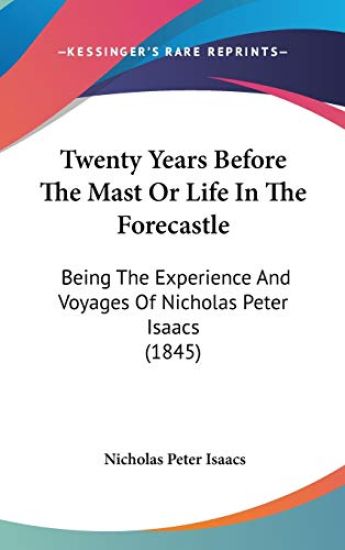
Twenty Years Before The Mast Or Life In The Forecastle: Being The Experience And Voyages Of Nicholas Peter Isaacs (1845)
Nicholas Peter Isaacs
KESSINGER PUBLISHING, LLC
2008
sidottu
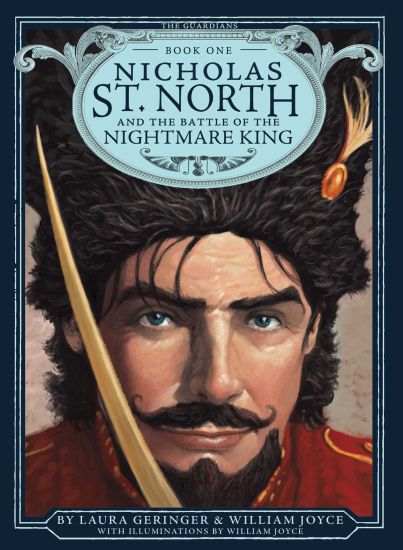
Nicholas St. North and the Battle of the Nightmare King
William Joyce; Laura Geringer
SIMON SCHUSTER
2018
pokkari
Forget naughty or nice—this is a battle of good vs. evil. Discover the origins of St. Nick and follow along as the Guardians start their quest to rid the world of nightmares in the first Guardians chapter book from Academy Award winner William Joyce that inspired the beloved film, The Rise of the Guardians.Before SANTA was SANTA, he was North, Nicholas St. North—a daredevil swordsman whose prowess with double scimitars was legendary. Like any swashbuckling young warrior, North seeks treasure and adventure, leading him to the fiercely guarded village of Santoff Claussen, said to be home to the greatest treasure in all the East, and to an even greater wizard, Ombric Shalazar. But when North arrives, legends of riches have given way to terrors of epic proportions! North must decide whether to seek his fortune…or save the village. When our rebellious hero gets sucked into the chaos (literally), the fight becomes very personal. The Nightmare King and his evil Fearlings are ruling the night, owning the shadows, and sending waves of fear through all of Santoff Clausen. For North, this is a battle worth fighting…and, he’s not alone. There are five other Guardians out there. He only has to find them in time.
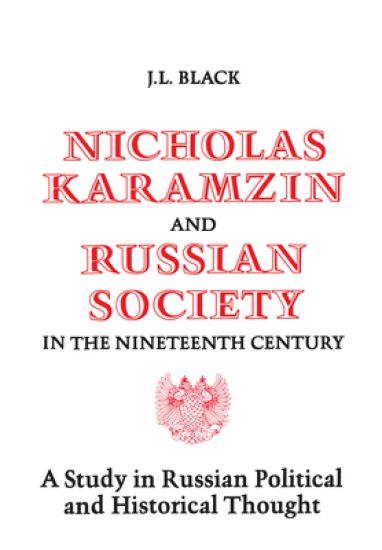
Nicholas Karamzin and Russian Society in the Nineteenth Century
J.L. Black
University of Toronto Press
1975
pokkari
Nicholas Karamzin (1766–1826) was a remarkably active thinker and writer during a time that was trying to all Europeans. A first-hand witness to the French Revolution, Napoleonic suzerainty over Europe, the burning of Moscow, and the Decembrist revolt in St. Petersburg, he presented in his voluminous correspondence and published writings a world view that recognized the weaknesses of the Russian Empire and at the same time foresaw the dangers of both radical change and rigid autocracy. Russian conservatism owes much to this man, even though he would have agreed with very few of those who came after him and were called conservative: he supported autocracy, but was committed to enlightenment; he abhorred constitutions. The fact that his writing had lasting significance has rarely been challenged, but the social and political nature of that contribution has never before been demonstrated. Previous studies of Karamzin have dealt with his literary career. This monograph focuses on the final third of his life, on his career at court (1816–26) and on the cultural heritage he left to the Russian Empire. As the historian of Russia most widely read by his and later generations, his historical interpretations mirrored and helped shape the image Russians had of themselves. Professor Black’s study of Karamzin is crucial to any examination of Russia’s enlightenment, conservatism, historical writing, and national self-consciousness.
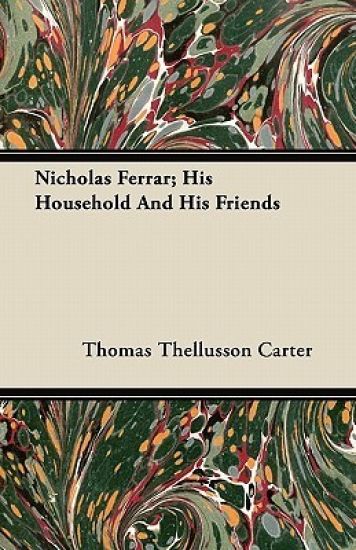
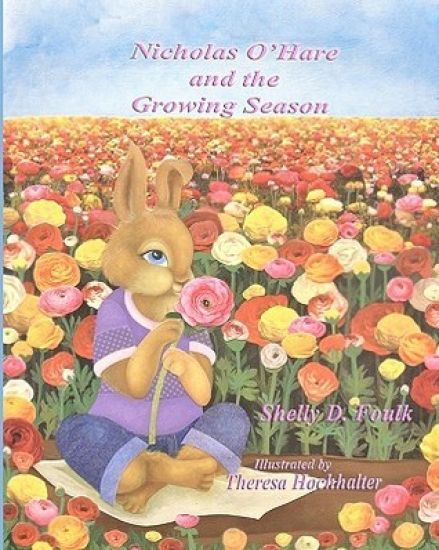
Nicholas O'Hare and the Growing Season
Shelly D. Foulk
Createspace Independent Publishing Platform
2010
nidottu
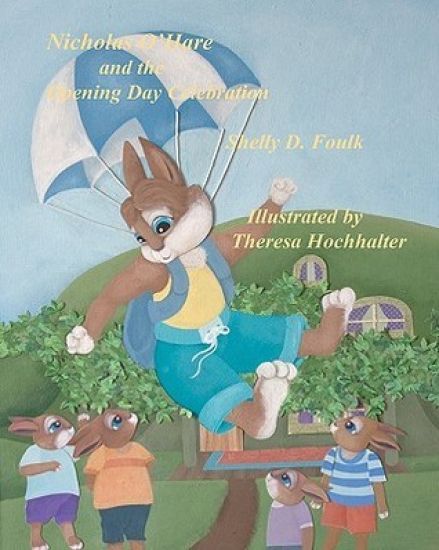
Nicholas O'Hare and the Opening Day Celebration
Shelly D. Foulk
Createspace Independent Publishing Platform
2010
nidottu
Nicholas Nickleby - Sentimental slush or much-maligned melodrama
Joe Broadfoot
Createspace Independent Publishing Platform
2010
nidottu
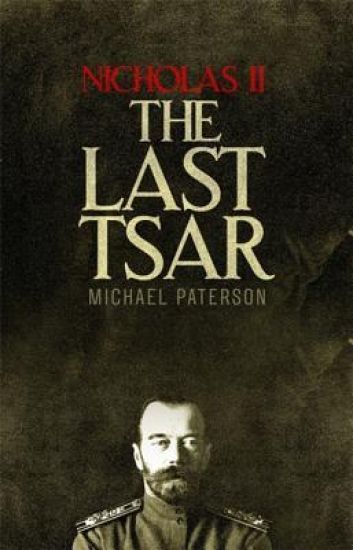
The character of the last Tsar, Nicholas II (1868-1918) is crucial to understanding the overthrow of tsarist Russia, the most significant event in Russian history. Nicholas became Tsar at the age of 26. Though a conscientious man who was passionate in his devotion to his country, he was weak, sentimental, dogmatic and indecisive. Ironically he could have made an effective constitutional monarch, but these flaws rendered him fatally unsuited to be the sole ruler of a nation that was in the throes of painful modernisation. That he failed is not surprising, for many abler monarchs could not have succeeded. Rather to be wondered at is that he managed, for 23 years, to hold on to power despite the overwhelming force of circumstances. Though Nicholas was exasperating, he had many endearing qualities. A modern audience, aware - as contemporaries were not - of the private pressures under which he lived, can empathise with him and forgive some of his errors of judgement. To some readers he seems a fool, to others a monster, but many are touched by the story of a well-meaning man doing his best under impossible conditions. He is, in other words, a biographical subject that engages readers whatever their viewpoint. His family was of great importance to Nicholas. He and his wife, Alexandra, married for love and retained this affection to the end of their lives. His four daughters, all different and intriguing personalities, were beautiful and charming. His son, the family's - and the nation's - hope for the future, was disabled by an illness that had to be concealed from Russia and from the world. It was this circumstance that made possible the nefarious influence of Rasputin, which in turn hastened the end of the dynasty.This story has everything: romance and tragedy, grandeur and misery, human frailty and an international catastrophe that would not only bring down the Tsar but put an end to the glittering era of European monarchies.

Nicholas Love's Mirror and Late Medieval Devotio-Literary Culture
David J. Falls
Routledge
2016
sidottu
Surviving in 59 complete manuscript versions, few English texts of the late medieval period seem to have achieved the popularity of Nicholas Love's fifteenth-century translation and adaptation of the Latin Meditationes Vitae Christi - The Mirror of the Blessed Life of Jesus Christ. The Mirror has received surprisingly little scholarly attention and is often contextualized in terms of its role in the theological conflict between English ecclesiastical orthodoxy and the teachings of heresiarch John Wycliff. David Falls presents a new account of the text's history which de-centralises, but does not disregard, the influence of the Wycliffite controversy. Falls interrogates preconceptions and investigates new possibilities for understanding the composition, circulation, function and use of Love's Mirror by examining both the textual modifications and additions made by Love in his adaptation of the Latin, and places these alterations in context by examining individual copies of the Mirror. The manuscript copies are read as both sites of literary consumption and nexuses of textual transition, demonstrating that it was Love's ability to inscribe his work with "functional diversity" which explains the Mirror's popularity. This book presents a nuanced picture not only of the Mirror's production, circulation and function, but also the dynamic and flourishing devotio-literary culture of late medieval England in which Love's text operated.


Nicholas' Awesome Book Of Puzzles!
Clarity Media
Createspace Independent Publishing Platform
2013
nidottu
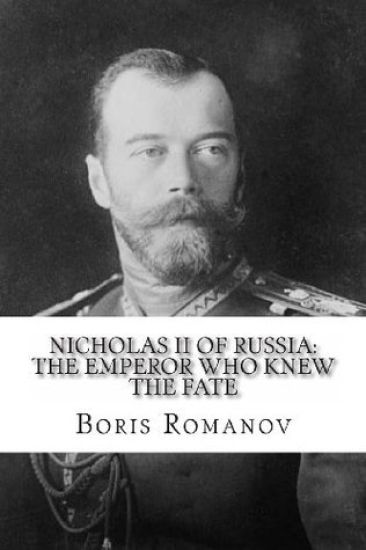
Nicholas II of Russia: the Emperor Who Knew the Fate
Boris Romanov
Createspace Independent Publishing Platform
2013
nidottu