Kirjojen hintavertailu. Mukana 11 342 296 kirjaa ja 12 kauppaa.

Kirjahaku

Etsi kirjoja tekijän nimen, kirjan nimen tai ISBN:n perusteella.

1000 tulosta hakusanalla Randall Calhoun

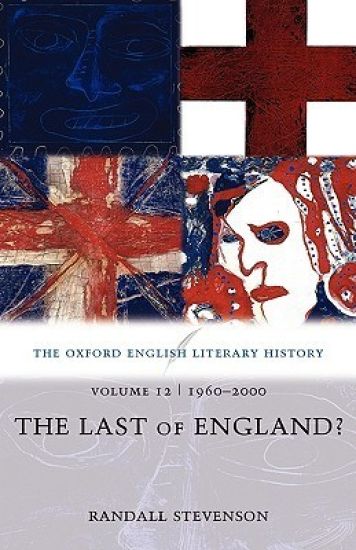
The Oxford English Literary History: Volume 12: 1960-2000: The Last of England?
English Literature in the 1960s soon threw off its post-war weariness and the tepid influences of the previous decade. New voices, new visions, and new commitments profoundly reshaped writing during the sixties, and throughout the rest of the century. Drama thrived on its rapidly rebuilt foundations. New freedoms of style and form revitalised fiction. Poetry, too, gradually recovered the variety and inventiveness of earlier years. As well as comprehensively charting these changes in the literary field, Randall Stevenson persuasively pinpoints their origins in the historical, social, and intellectual pressures of the times. Literary developments are revealingly related to the wider evolution and profound changes in English experience in the late twentieth century - to shadows of war and loss of empire; declining influences of class; shifting relations between the genders; emergent minority and counter-cultures; and the broadening democratization of contemporary life in general. Analyses of the rise of literary theory, of publishing and the book trade, and of the pervasive influences of modernism and postmodernism contribute further to an impressively thorough, insightful description of writing in the later twentieth century - a literary period Stevenson shows to be far more imaginative and exciting than has yet been recognized. Lucid, accessible, and engaging, this volume of the Oxford English Literary History presents a unique illumination of its age - one we have lived through, but are only just beginning to understand. The first full account of its period, it will set the agenda for discussion of late twentieth-century literature for many years to come.
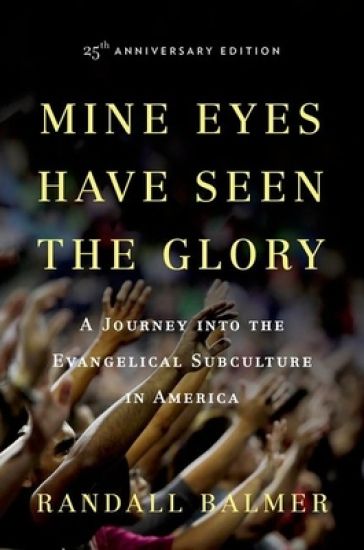
Mine Eyes Have Seen the Glory

Mine Eyes Have Seen the Glory

Randall Balmer

Oxford University Press Inc
2014
nidottu
Randall Balmer's Mine Eyes Have Seen the Glory is an insightful and engaging journey into the world of conservative Christians in America. Originally published twenty-five years ago and the basis for an award-winning PBS documentary, this timely new edition arrives just as recent elections have left an ever-growing number of secular Americans wondering exactly how the other half thinks. From Oregon to Florida, and from Texas to North Dakota, Balmer offers an immensely readable tour of the highways and byways of American evangelicalism. We visit a revival meeting in Florida, an Indian reservation in the Dakotas, a trade show for Christian booksellers, and a fundamentalist Bible camp in the Adirondacks. For this 25th-Anniversary edition, Balmer adds a new chapter and an Afterword. Mine Eyes Have Seen the Glory offers readers a genuine insight into the appeal that the evangelicals movement holds for thousands of Americans.
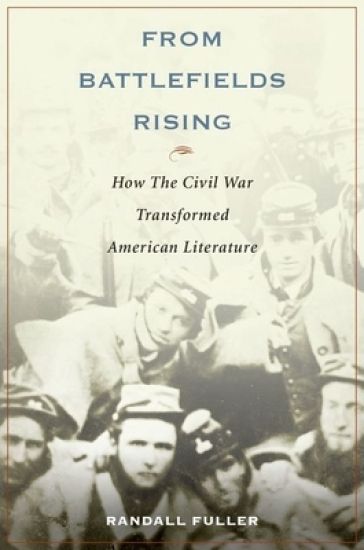
From Battlefields Rising

From Battlefields Rising

Randall Fuller

Oxford University Press Inc
2014
nidottu
When Confederate troops fired on Fort Sumter in April of 1861, Walt Whitman declared it "the volcanic upheaval of the nation"--the bloody inception of a war that would dramatically alter the shape and character of American culture along with its political, racial, and social landscape. Prior to the war, America's leading writers had been integral to helping the young nation imagine itself, assert its beliefs, and realize its immense potential. When the Civil War erupted, it forced them to witness not only unimaginable human carnage on the battlefield, but also the disintegration of the foundational symbolic order they had helped to create. The war demanded new frameworks for understanding the world and new forms of communication that could engage with the immensity of the conflict. It fostered both social and cultural experimentation. From Battlefields Rising explores the profound impact of the war on writers including Walt Whitman, Ralph Waldo Emerson, Herman Melville, Nathaniel Hawthorne, Emily Dickinson, and Frederick Douglass. As the writers of the time grappled with the war's impact on the individual and the national psyche, their responses multiplied and transmuted. Whitman's poetry and prose, for example, was chastened and deepened by his years spent ministering to wounded soldiers; off the battlefield, the anguish of war would come to suffuse the austere, elliptical poems that Emily Dickinson was writing from afar; and Hawthorne was rendered silent by his reading of military reports and talks with soldiers. Calling into question every prior presumption and ideal, the war forever changed America's early idealism-and consequently its literature-into something far more ambivalent and raw. Sketching an absorbing group portrait of the period's most important writers, From Battlefields Rising flashes with forgotten historical details and elegant new ideas. It alters previous perceptions about the evolution of American literature and how Americans have understood and expressed their common history.
Shakespeare and Ecology

Shakespeare and Ecology

Randall Martin

Oxford University Press
2015
nidottu
Shakespeare and Ecology is the first book to explore the topical contexts that shaped the environmental knowledge and politics of Shakespeare and his audiences. Early modern England experienced unprecedented environmental challenges including climate change, population growth, resource shortfalls, and habitat destruction which anticipate today's globally magnified crises. Shakespeare wove these events into the poetic textures and embodied action of his drama, contributing to the formation of a public ecological consciousness, while opening creative pathways for re-imagining future human relationships with the natural world and non-human life. This book begins with an overview of ecological modernity across Shakespeare's work before focusing on three major environmental controversies in particular plays: deforestation in The Merry Wives of Windsor and The Tempest; profit-driven agriculture in As You Like It; and gunpowder warfare and remedial cultivation in Henry IV Parts One and Two, Henry V, and Macbeth. A fourth chapter examines the interdependency of local and global eco-relations in Cymbeline, and the final chapter explores Darwinian micro-ecologies in Hamlet and Antony and Cleopatra. An epilogue suggests that Shakespeare's greatest potential for mobilizing modern ecological ideas and practices lies in contemporary performance. Shakespeare and Ecology illuminates the historical antecedents of modern ecological knowledge and activism, and explores Shakespeare's capacity for generating imaginative and performative responses to today's environmental challenges.
Shakespeare and Ecology

Shakespeare and Ecology

Randall Martin

Oxford University Press
2015
sidottu
Shakespeare and Ecology is the first book to explore the topical contexts that shaped the environmental knowledge and politics of Shakespeare and his audiences. Early modern England experienced unprecedented environmental challenges including climate change, population growth, resource shortfalls, and habitat destruction which anticipate today's globally magnified crises. Shakespeare wove these events into the poetic textures and embodied action of his drama, contributing to the formation of a public ecological consciousness, while opening creative pathways for re-imagining future human relationships with the natural world and non-human life. This book begins with an overview of ecological modernity across Shakespeare's work before focusing on three major environmental controversies in particular plays: deforestation in The Merry Wives of Windsor and The Tempest; profit-driven agriculture in As You Like It; and gunpowder warfare and remedial cultivation in Henry IV Parts One and Two, Henry V, and Macbeth. A fourth chapter examines the interdependency of local and global eco-relations in Cymbeline, and the final chapter explores Darwinian micro-ecologies in Hamlet and Antony and Cleopatra. An epilogue suggests that Shakespeare's greatest potential for mobilizing modern ecological ideas and practices lies in contemporary performance. Shakespeare and Ecology illuminates the historical antecedents of modern ecological knowledge and activism, and explores Shakespeare's capacity for generating imaginative and performative responses to today's environmental challenges.
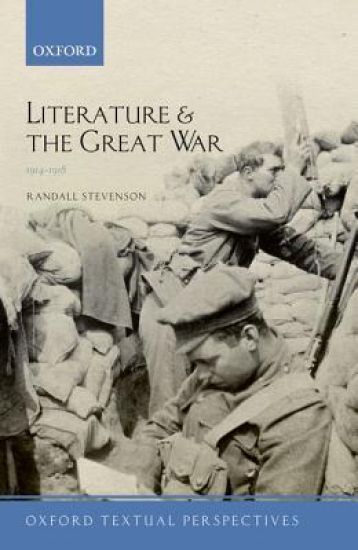
Literature and the Great War 1914-1918

Literature and the Great War 1914-1918

Randall Stevenson

Oxford University Press
2013
sidottu
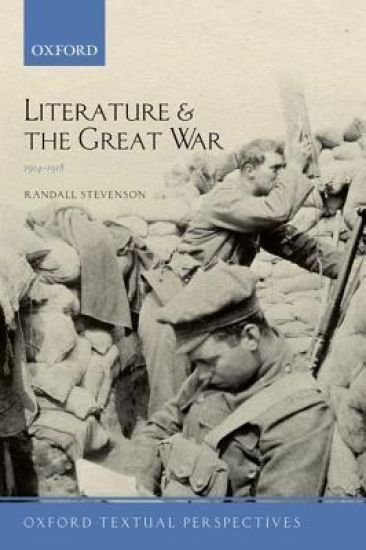
Oxford Textual Perspectives is a new series of informative and provocative studies focused upon literary texts (conceived of in the broadest sense of that term) and the technologies, cultures and communities that produce, inform, and receive them. It provides fresh interpretations of fundamental works and of the vital and challenging issues emerging in English literary studies. By engaging with the materiality of the literary text, its production, and reception history, and frequently testing and exploring the boundaries of the notion of text itself, the volumes in the series question familiar frameworks and provide innovative interpretations of both canonical and less well-known works. The Great War shaped the modern world, and much of its literary imagination. Literature and the Great War insightfully reassesses this impact, analysing a wide range of authors, both established and less well-known, and re-examining critical judgements, popular assumptions - even 'myths' - about war writing that have developed in the century or so that has followed. By looking at all genres of Great War writing in a single volume, the study allows reconsideration of the relative merits of the period's much-praised poetry and its generally less celebrated narrative texts. Randall Stevenson looks far beyond the work of soldier-authors, considering also the role of an older generation of writers - ones whose reputations were established before the war began - as well as the impact of war on the modernist imagination developing afterwards, in the 1920s. Literature and the Great War examines the context in which this literature was produced. Taking into consideration military life, the role of newspapers, war correspondents, politicians and propagandists. The unintelligible violence of the Great War placed a huge amount of pressure on the language, imagination, and textual practice of all who attempted to describe it. Incisively reconsidering these fundamental issues, Literature and the Great War challenges and rejuvenates approaches to its subject, redefining the interconnections of history, culture, and literary imagination in the early decades of the twentieth century.
Literature and the Great War 1914-1918

Literature and the Great War 1914-1918

Randall Stevenson

Oxford University Press
2013
nidottu
Oxford Textual Perspectives is a new series of informative and provocative studies focused upon literary texts (conceived of in the broadest sense of that term) and the technologies, cultures and communities that produce, inform, and receive them. It provides fresh interpretations of fundamental works and of the vital and challenging issues emerging in English literary studies. By engaging with the materiality of the literary text, its production, and reception history, and frequently testing and exploring the boundaries of the notion of text itself, the volumes in the series question familiar frameworks and provide innovative interpretations of both canonical and less well-known works. The Great War shaped the modern world, and much of its literary imagination. Literature and the Great War insightfully reassesses this impact, analysing a wide range of authors, both established and less well-known, and re-examining critical judgements, popular assumptions - even 'myths' - about war writing that have developed in the century or so that has followed. By looking at all genres of Great War writing in a single volume, the study allows reconsideration of the relative merits of the period's much-praised poetry and its generally less celebrated narrative texts. Randall Stevenson looks far beyond the work of soldier-authors, considering also the role of an older generation of writers - ones whose reputations were established before the war began - as well as the impact of war on the modernist imagination developing afterwards, in the 1920s. Literature and the Great War examines the context in which this literature was produced. Taking into consideration military life, the role of newspapers, war correspondents, politicians and propagandists. The unintelligible violence of the Great War placed a huge amount of pressure on the language, imagination, and textual practice of all who attempted to describe it. Incisively reconsidering these fundamental issues, Literature and the Great War challenges and rejuvenates approaches to its subject, redefining the interconnections of history, culture, and literary imagination in the early decades of the twentieth century.
Emerson's Ghosts

Emerson's Ghosts

Randall Fuller

Oxford University Press Inc
2011
nidottu
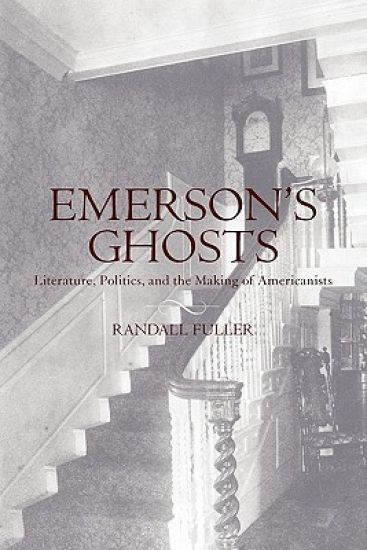
It is increasingly commonplace to find scholars who circle back to Ralph Waldo Emerson and his intellectual heirs as a way of better understanding contemporary social and aesthetic contexts. Why does Emerson's cultural legacy continue to influence writers so forcefully? In this innovative study, Randall Fuller examines the way pivotal twentieth-century critics have understood and deployed Emerson as part of their own larger projects aimed at reconceiving America. He examines previously unpublished material and original research on Van Wyck Brooks, Perry Miller, F.O. Matthiessen, and Sacvan Bercovitch along with other supporting thinkers. An engaging institutional history of American literary studies in the twentieth century, Emerson's Ghosts reveals the unexpected convergent forces that have shaped American cultural history in lasting ways.
Pictures from an Institution

Pictures from an Institution

Randall Jarrell

University of Chicago Press
2010
nidottu
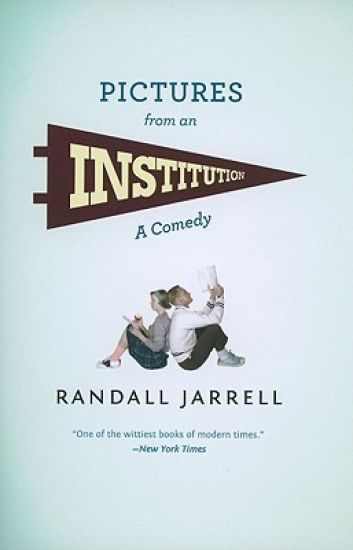
Beneath the unassuming surface of a progressive women's college lurks a world of intellectual pride and pomposity awaiting devastation by the pens of two brilliant and appalling wits. Randall Jarrell's classic novel was originally published to overwhelming critical acclaim in 1954, forging a new standard for campus satire - and instantly yielding comparisons to Dorothy Parker's razor-sharp barbs. Like his fictional nemesis, Jarrell cuts through the earnest conversations at Benton College mischievously - but with mischief nowhere more wicked than when crusading against the vitriolic heroine herself.
Breakfast with Thom Gunn

Breakfast with Thom Gunn

Randall Mann

University of Chicago Press
2009
sidottu
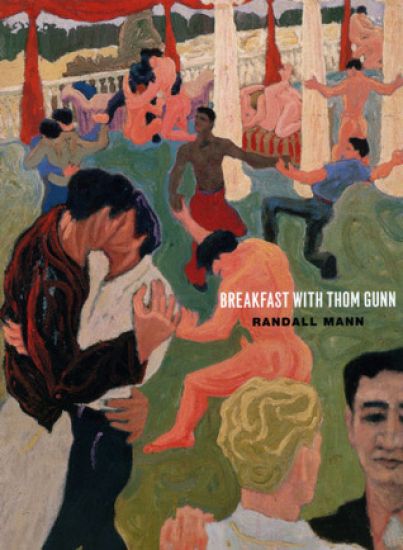
Randall Mann's "Breakfast with Thom Gunn" is a work both direct and unsettling. Haunted by the afterlife of Thom Gunn (1929-2004), one of the most beloved gay literary icons of the twentieth century, the poems are moored in Florida and California, but the backdrop is 'pitiless', the trees 'thin and bloodless', the words 'like the icy water' of the San Francisco Bay. Mann, fiercely intelligent, open yet elusive, draws on the 'graceful erosion' of both landscape and the body, on the beauty that lies in unbeauty. With audacity, anxiety, and unbridled desire, this gifted lyric poet grapples with dilemmas of the gay self embroiled in - and aroused by - a glittering, unforgiving subculture. "Breakfast with Thom Gunn" is at once formal and free, forging a sublime integrity in the fire of wit, intensity, and betrayal.
Breakfast with Thom Gunn

Breakfast with Thom Gunn

Randall Mann

University of Chicago Press
2009
nidottu
Randall Mann's "Breakfast with Thom Gunn" is a work both direct and unsettling. Haunted by the afterlife of Thom Gunn (1929-2004), one of the most beloved gay literary icons of the twentieth century, the poems are moored in Florida and California, but the backdrop is 'pitiless', the trees 'thin and bloodless', the words 'like the icy water' of the San Francisco Bay. Mann, fiercely intelligent, open yet elusive, draws on the 'graceful erosion' of both landscape and the body, on the beauty that lies in unbeauty. With audacity, anxiety, and unbridled desire, this gifted lyric poet grapples with dilemmas of the gay self embroiled in - and aroused by - a glittering, unforgiving subculture. "Breakfast with Thom Gunn" is at once formal and free, forging a sublime integrity in the fire of wit, intensity, and betrayal.
Patriotic Education in a Global Age

Patriotic Education in a Global Age

Randall Curren; Charles Dorn

University of Chicago Press
2018
sidottu
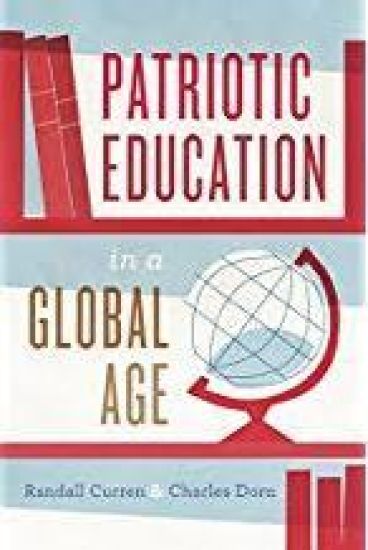
Should schools attempt to cultivate patriotism? If so, why? And what conception of patriotism should drive those efforts? Is patriotism essential to preserving national unity, sustaining vigorous commitment to just institutions, or motivating national service? Are the hazards of patriotism so great as to overshadow its potential benefits? Is there a genuinely virtuous form of patriotism that societies and schools should strive to cultivate? In Patriotic Education in a Global Age, philosopher Randall Curren and historian Charles Dorn address these questions as they seek to understand what role patriotism might legitimately play in schools as an aspect of civic education. They trace the aims and rationales that have guided the inculcation of patriotism in American schools over the years, the methods by which schools have sought to cultivate patriotism, and the conceptions of patriotism at work in those aims, rationales, and methods. They then examine what those conceptions mean for justice, education, and human flourishing. Though the history of attempts to cultivate patriotism in schools offers both positive and cautionary lessons, Curren and Dorn ultimately argue that a civic education organized around three components of civic virtue—intelligence, friendship, and competence—and an inclusive and enabling school community can contribute to the development of a virtuous form of patriotism that is compatible with equal citizenship, reasoned dissent, global justice, and devotion to the health of democratic institutions and the natural environment. Patriotic Education in a Global Age mounts a spirited defense of democratic institutions as it situates an understanding of patriotism in the context of nationalist, populist, and authoritarian movements in the United States and Europe, and will be of interest to anyone concerned about polarization in public life and the future of democracy.
Patriotic Education in a Global Age

Patriotic Education in a Global Age

Randall Curren; Charles Dorn

University of Chicago Press
2018
nidottu
Should schools attempt to cultivate patriotism? If so, why? And what conception of patriotism should drive those efforts? Is patriotism essential to preserving national unity, sustaining vigorous commitment to just institutions, or motivating national service? Are the hazards of patriotism so great as to overshadow its potential benefits? Is there a genuinely virtuous form of patriotism that societies and schools should strive to cultivate? In Patriotic Education in a Global Age, philosopher Randall Curren and historian Charles Dorn address these questions as they seek to understand what role patriotism might legitimately play in schools as an aspect of civic education. They trace the aims and rationales that have guided the inculcation of patriotism in American schools over the years, the methods by which schools have sought to cultivate patriotism, and the conceptions of patriotism at work in those aims, rationales, and methods. They then examine what those conceptions mean for justice, education, and human flourishing. Though the history of attempts to cultivate patriotism in schools offers both positive and cautionary lessons, Curren and Dorn ultimately argue that a civic education organized around three components of civic virtue—intelligence, friendship, and competence—and an inclusive and enabling school community can contribute to the development of a virtuous form of patriotism that is compatible with equal citizenship, reasoned dissent, global justice, and devotion to the health of democratic institutions and the natural environment. Patriotic Education in a Global Age mounts a spirited defense of democratic institutions as it situates an understanding of patriotism in the context of nationalist, populist, and authoritarian movements in the United States and Europe, and will be of interest to anyone concerned about polarization in public life and the future of democracy.
Deadly Imbalances

Deadly Imbalances

Randall Schweller

Columbia University Press
1998
sidottu
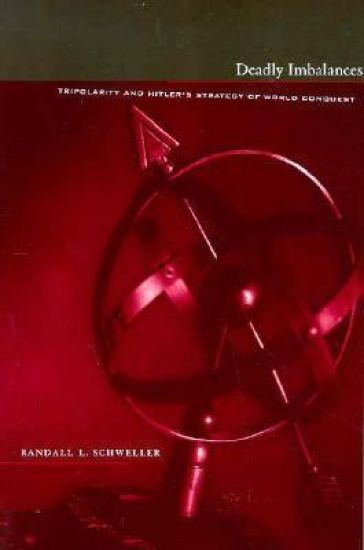
Scholars frequently portray World War II as an epic morality play driven by a villain (Hitler) and a sinner (Chamberlain). This book offers a fresh approach, combining both the attributes of states and the structure of the international system to explain the origins and causes of World War II. Central to the analysis is the argument that the structure of the international system was tripolar - with Germany, the Soviet Union and the United States as the three central powers - and not multipolar and that this needs to be considered in any examination of the antecedent causes and crucial events of the war. Recognizing that both systems and human agents make history, the author presents an amended balance-of-power theory, a balance-of-interests theory - that distinguishes great powers by their relative material strength and the value they place on the status quo. This systems framework is used to examine and explain the dynamics of tripolar systems; how states respond to threats and opportunities; Hitler's strategy of global dominion; and the foreign policy strategies of the other major powers before and during the war.
Deadly Imbalances

Deadly Imbalances

Randall Schweller

Columbia University Press
1998
pokkari
Scholars frequently portray World War II as an epic morality play driven by a villain (Hitler) and a sinner (Chamberlain). This book offers a fresh approach, combining both the attributes of states and the structure of the international system to explain the origins and causes of World War II. Central to the analysis is the argument that the structure of the international system was tripolar - with Germany, the Soviet Union and the United States as the three central powers - and not multipolar and that this needs to be considered in any examination of the antecedent causes and crucial events of the war. Recognizing that both systems and human agents make history, the author presents an amended balance-of-power theory, a balance-of-interests theory - that distinguishes great powers by their relative material strength and the value they place on the status quo. This systems framework is used to examine and explain the dynamics of tripolar systems; how states respond to threats and opportunities; Hitler's strategy of global dominion; and the foreign policy strategies of the other major powers before and during the war.
Protestantism in America

Protestantism in America

Randall Balmer

Columbia University Press
2002
sidottu
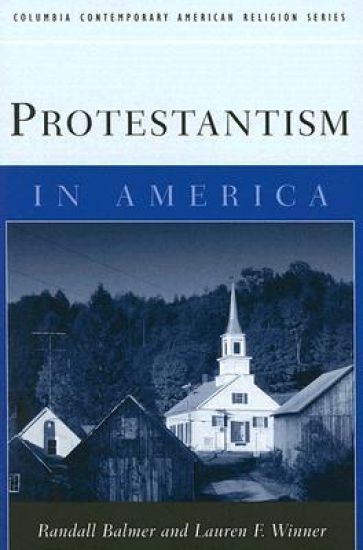
As America has become more pluralistic, Protestantism, with its long roots in American history and culture, has hardly remained static. This finely crafted portrait of a remarkably complex group of Christian denominations describes Protestantism's history, constituent subgroups and their activities, and the way in which its dialectic with American culture has shaped such facets of the wider society as healthcare, welfare, labor relations, gender roles, and political discourse. Part I provides an introduction to the religion's essential beliefs, a brief history, and a taxonomy of its primary American varieties. Part II shows the diversity of the tradition with vivid accounts of life and worship in a variety of mainline and evangelical churches. Part III explores the vexed relationship Protestantism maintains with critical social issues, including homosexuality, feminism, and social justice. The appendices include biographical sketches of notable Protestant leaders, a chronology, a glossary, and an annotated list of resources for further study.
Protestantism in America

Protestantism in America

Randall Balmer

Columbia University Press
2005
pokkari
As America has become more pluralistic, Protestantism, with its long roots in American history and culture, has hardly remained static. This finely crafted portrait of a remarkably complex group of Christian denominations describes Protestantism's history, constituent subgroups and their activities, and the way in which its dialectic with American culture has shaped such facets of the wider society as healthcare, welfare, labor relations, gender roles, and political discourse. Part I provides an introduction to the religion's essential beliefs, a brief history, and a taxonomy of its primary American varieties. Part II shows the diversity of the tradition with vivid accounts of life and worship in a variety of mainline and evangelical churches. Part III explores the vexed relationship Protestantism maintains with critical social issues, including homosexuality, feminism, and social justice. The appendices include biographical sketches of notable Protestant leaders, a chronology, a glossary, and an annotated list of resources for further study.
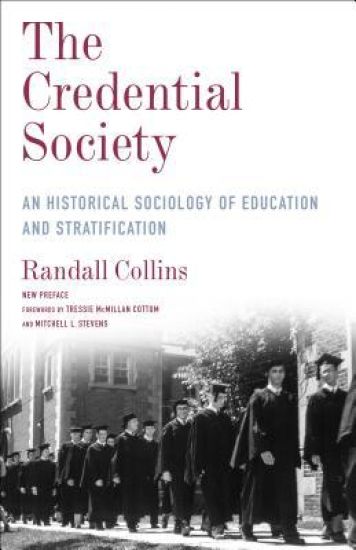
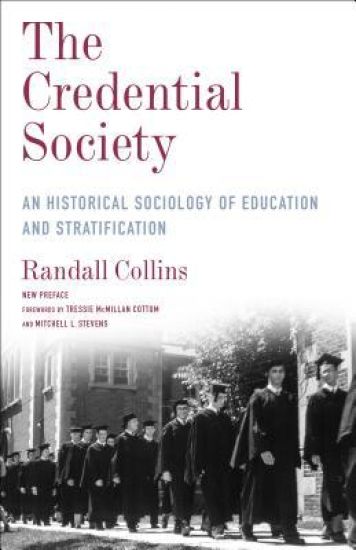
The Credential Society

The Credential Society

Randall Collins; Tressie McMillan Cottom; Mitchell L. Stevens

Columbia University Press
2019
sidottu
The Credential Society is a classic on the role of higher education in American society and an essential text for understanding the reproduction of inequality. Controversial at the time, Randall Collins’s claim that the expansion of American education has not increased social mobility, but rather created a cycle of credential inflation, has proven remarkably prescient.Collins shows how credential inflation stymies mass education’s promises of upward mobility. An unacknowledged spiral of the rising production of credentials and job requirements was brought about by the expansion of high school and then undergraduate education, with consequences including grade inflation, rising educational costs, and misleading job promises dangled by for-profit schools. Collins examines medicine, law, and engineering to show the ways in which credentialing closed these high-status professions to new arrivals. In an era marked by the devaluation of high school diplomas, outcry about the value of expensive undergraduate degrees, and the proliferation of new professional degrees like the MBA, The Credential Society has more than stood the test of time. In a new preface, Collins discusses recent developments, debunks claims that credentialization is driven by technological change, and points to alternative pathways for the future of education.
The Credential Society

The Credential Society

Randall Collins; Tressie McMillan Cottom; Mitchell L. Stevens

Columbia University Press
2019
pokkari
The Credential Society is a classic on the role of higher education in American society and an essential text for understanding the reproduction of inequality. Controversial at the time, Randall Collins’s claim that the expansion of American education has not increased social mobility, but rather created a cycle of credential inflation, has proven remarkably prescient.Collins shows how credential inflation stymies mass education’s promises of upward mobility. An unacknowledged spiral of the rising production of credentials and job requirements was brought about by the expansion of high school and then undergraduate education, with consequences including grade inflation, rising educational costs, and misleading job promises dangled by for-profit schools. Collins examines medicine, law, and engineering to show the ways in which credentialing closed these high-status professions to new arrivals. In an era marked by the devaluation of high school diplomas, outcry about the value of expensive undergraduate degrees, and the proliferation of new professional degrees like the MBA, The Credential Society has more than stood the test of time. In a new preface, Collins discusses recent developments, debunks claims that credentialization is driven by technological change, and points to alternative pathways for the future of education.