Kirjojen hintavertailu. Mukana 11 463 594 kirjaa ja 12 kauppaa.

Kirjahaku

Etsi kirjoja tekijän nimen, kirjan nimen tai ISBN:n perusteella.

1000 tulosta hakusanalla THOMAS LECHFORD

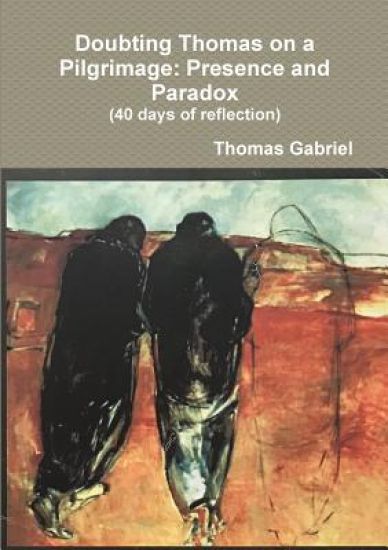
Doubting Thomas on a Pilgrimage: 40 days of reflection
Walking the Camino from St Jean-Pied-de-Port in France to Santiago de Compostela in Western Spain, provided time to ask and reflect on some of those larger life questions. To give time, time without the usual everyday distractions of life at home. To sit with doubt and to practice being rather than doing, to observe rather than ignore.
Thomas Chalmers

Thomas Chalmers

John W Keddie

Lulu.com
2020
pokkari
This is a brief biographical sketch of one of the great leaders of the Scottish Presbyterian Church. Thomas Chalmers (1780-1847) became an outstanding evangelical preacher in the first half of the 19th century. Besides this he was an able mathematician, scientist, social reformer, moral philosopher and theologian. He was a leader of the evangelicals in the years leading up to the 'Disruption' of 1843 when about a third of the ministers and people of the Church of Scotland left the National Church to form the Free Church of Scotland. Previously the Professor of Divinity in Edinburgh University (1828-1843), he became Professor in Theology in the Free Church College up to his passing in 1847. A man of great erudition and piety, his memory should be kept alive as one of the godly 'cloud of witnesses' who call every generation to follow Jesus Christ as they have done in their day.
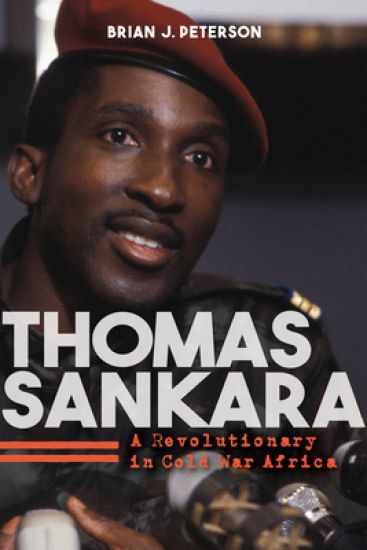
Thomas Sankara

Thomas Sankara

Brian J. Peterson

Indiana University Press
2021
sidottu
Thomas Sankara: A Revolutionary in Cold War Africa offers the first complete biography in English of the dynamic revolutionary leader from Burkina Faso, Thomas Sankara. Coming to power in 1983, Sankara set his sights on combating social injustice, poverty, and corruption in his country, fighting for women's rights, direct forms of democracy, economic sovereignty, and environmental justice. Drawing on government archival sources and over a hundred interviews with Sankara's family members, friends, and closest revolutionary colleagues, Brian J. Peterson details Sankara's political career and rise to power, as well as his assassination at age 37 in 1987, in a plot led by his close friend Blaise Compaoré. Thomas Sankara: A Revolutionary in Cold War Africa offers a unique, critical appraisal of Sankara and explores why he generated such enthusiasm and hope in Burkina Faso and beyond, why he was such a polarizing figure, how his rivals seized power from him, and why T-shirts sporting his image still appear on the streets today.
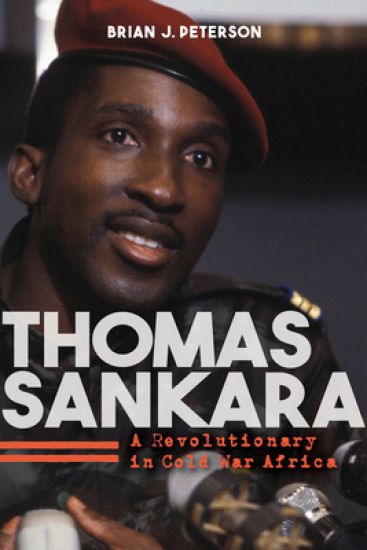
Thomas Sankara

Thomas Sankara

Brian J. Peterson

Indiana University Press
2021
pokkari
Thomas Sankara: A Revolutionary in Cold War Africa offers the first complete biography in English of the dynamic revolutionary leader from Burkina Faso, Thomas Sankara. Coming to power in 1983, Sankara set his sights on combating social injustice, poverty, and corruption in his country, fighting for women's rights, direct forms of democracy, economic sovereignty, and environmental justice. Drawing on government archival sources and over a hundred interviews with Sankara's family members, friends, and closest revolutionary colleagues, Brian J. Peterson details Sankara's political career and rise to power, as well as his assassination at age 37 in 1987, in a plot led by his close friend Blaise Compaoré. Thomas Sankara: A Revolutionary in Cold War Africa offers a unique, critical appraisal of Sankara and explores why he generated such enthusiasm and hope in Burkina Faso and beyond, why he was such a polarizing figure, how his rivals seized power from him, and why T-shirts sporting his image still appear on the streets today.
Thomas Aquinas, Theologian

Thomas Aquinas, Theologian

UNIVERSITY OF NOTRE DAME PRESS
1997
sidottu
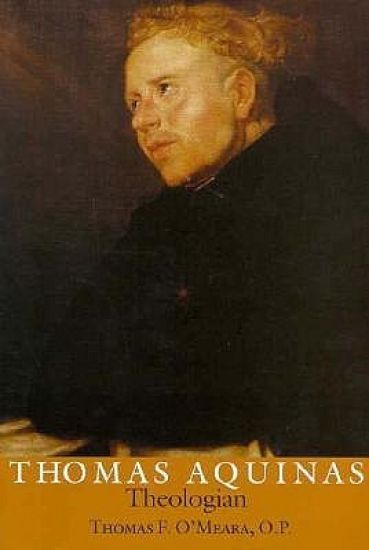
In Thomas Aquinas, Theologian Thomas O'Meara considers Aquinas the theologian and his influence, past and present. O'Meara focuses on Aquinas as teacher and preacher, and theology as the subject of his thought and most of his writings. Studying the Summa Theologiae as well as providing an overview of six centures of interpretation, O'Meara shows how few have understood the structure and intent of Aquinas' theology.
Thomas Aquinas, Theologian

Thomas Aquinas, Theologian

Thomas F. O’Meara

University of Notre Dame Press
1997
nidottu
In Thomas Aquinas, Theologian Thomas O'Meara considers Aquinas the theologian and his influence, past and present. O'Meara focuses on Aquinas as teacher and preacher, and theology as the subject of his thought and most of his writings. Studying the Summa Theologiae as well as providing an overview of six centures of interpretation, O'Meara shows how few have understood the structure and intent of Aquinas' theology.
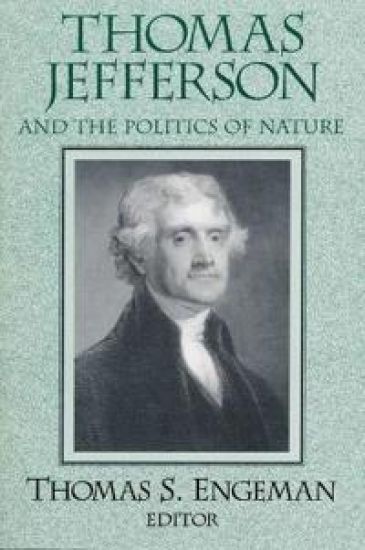
Thomas Jefferson and the Politics of Nature

Thomas Jefferson and the Politics of Nature

Thomas Engeman

University of Notre Dame Press
2000
nidottu
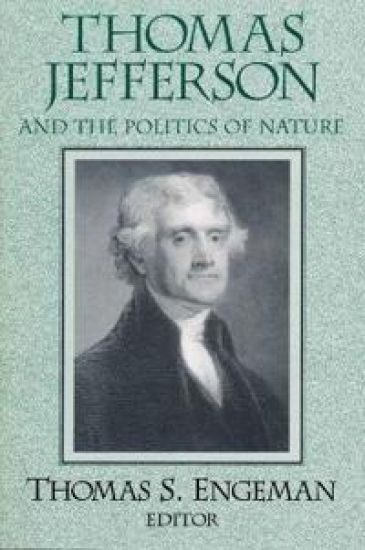
With the equality and liberty of the Declaration of Independence as his fighting words, Thomas Jefferson created American democracy. For the two hundred years since then, he has been studied and debated worldwide, but never more intensely than in recent years. His extensive and influential understanding of democracy's foundation in reason and nature continue to make him one of the most examined American founders. Thomas Jefferson and the Politics of Nature is a collection of the very best current scholarship devoted to Thomas Jefferson as politician, writer, philosopher, Christian, and economist. Lead essayist Michael Zuckert presents his comprehensive interpretation of Jefferson's political thought, which Zuckert considers the best theoretical approach to democracy. While Zuckert moderates Jefferson's natural rights philosophy with a Kantian perspective, Jean Yarbrough responds with the argument that Jefferson incorporates the authors of the Scottish Enlightenment and principles from the Republican tradition to achieve the same moderating effect. Garrett Ward Sheldon looks at the broader cultural influences shaping Jefferson's thought and traces his republicanism to his support of Christian ethics and Aristotle. R. Booth Fowler examines why Jefferson, the leading liberal theorist of the nineteenth century, became the hero of the very different liberalism of the twentieth. Robert Dawidoff considers Jefferson as writer and literary figure instead of political thinker and actor, while Joyce Appleby renews an appreciation of Jefferson's statecraft by a famous reexamination of his commercial agrarian policy. Finally, James Ceaser traces Jefferson's belief in racial inferiority to a speculative new natural science prominent among contemporary European thinkers and argues that Jefferson committed a significant error in reducing politics to such conjectural "facts." This compact text is ideal for professors wishing to offer a one-volume collection of current Jeffersonian scholarship to undergraduate students. Professors and students alike will find that the essays contain prompt, focused, substantive discussions on the key issues facing Jeffersonian scholars. This handy collection will be an invaluable classroom tool for those studying not only Jefferson but also history, political philosophy, and science, as well as the history of ideas.
Thomas Hobbes and the Natural Law

Thomas Hobbes and the Natural Law

Kody W. Cooper

University of Notre Dame Press
2018
sidottu
Has Hobbesian moral and political theory been fundamentally misinterpreted by most of his readers? Since the criticism of John Bramhall, Hobbes has generally been regarded as advancing a moral and political theory that is antithetical to classical natural law theory. Kody W. Cooper challenges this traditional interpretation of Hobbes in Thomas Hobbes and the Natural Law. Hobbes affirms two essential theses of classical natural law theory: the capacity of practical reason to grasp intelligible goods or reasons for action and the legally binding character of the practical requirements essential to the pursuit of human flourishing. Hobbes's novel contribution lies principally in his formulation of a thin theory of the good. This book seeks to prove that Hobbes has more in common with the Aristotelian-Thomistic tradition of natural law philosophy than has been recognized. According to Cooper, Hobbes affirms a realistic philosophy as well as biblical revelation as the ground of his philosophical-theological anthropology and his moral and civil science. In addition, Cooper contends that Hobbes's thought, although transformative in important ways, also has important structural continuities with the Aristotelian-Thomistic tradition of practical reason, theology, social ontology, and law. What emerges from this study is a nuanced assessment of Hobbes's place in the natural law tradition as a formulator of natural law liberalism. This book will appeal to political theorists and philosophers and be of particular interest to Hobbes scholars and natural law theorists.
Thomas Hobbes and the Natural Law

Thomas Hobbes and the Natural Law

Kody W. Cooper

UNIVERSITY OF NOTRE DAME PRESS
2022
nidottu
Has Hobbesian moral and political theory been fundamentally misinterpreted by most of his readers? Since the criticism of John Bramhall, Hobbes has generally been regarded as advancing a moral and political theory that is antithetical to classical natural law theory. Kody W. Cooper challenges this traditional interpretation of Hobbes in Thomas Hobbes and the Natural Law. Hobbes affirms two essential theses of classical natural law theory: the capacity of practical reason to grasp intelligible goods or reasons for action and the legally binding character of the practical requirements essential to the pursuit of human flourishing. Hobbes's novel contribution lies principally in his formulation of a thin theory of the good. This book seeks to prove that Hobbes has more in common with the Aristotelian-Thomistic tradition of natural law philosophy than has been recognized. According to Cooper, Hobbes affirms a realistic philosophy as well as biblical revelation as the ground of his philosophical-theological anthropology and his moral and civil science. In addition, Cooper contends that Hobbes's thought, although transformative in important ways, also has important structural continuities with the Aristotelian-Thomistic tradition of practical reason, theology, social ontology, and law. What emerges from this study is a nuanced assessment of Hobbes's place in the natural law tradition as a formulator of natural law liberalism. This book will appeal to political theorists and philosophers and be of particular interest to Hobbes scholars and natural law theorists.
Thomas Jefferson and the Politics of Nature

Thomas Jefferson and the Politics of Nature

Thomas Engeman

UNIVERSITY OF NOTRE DAME PRESS
2022
sidottu
With the equality and liberty of the Declaration of Independence as his fighting words, Thomas Jefferson created American democracy. For the two hundred years since then, he has been studied and debated worldwide, but never more intensely than in recent years. His extensive and influential understanding of democracy's foundation in reason and nature continue to make him one of the most examined American founders. Thomas Jefferson and the Politics of Nature is a collection of the very best current scholarship devoted to Thomas Jefferson as politician, writer, philosopher, Christian, and economist. Lead essayist Michael Zuckert presents his comprehensive interpretation of Jefferson's political thought, which Zuckert considers the best theoretical approach to democracy. While Zuckert moderates Jefferson's natural rights philosophy with a Kantian perspective, Jean Yarbrough responds with the argument that Jefferson incorporates the authors of the Scottish Enlightenment and principles from the Republican tradition to achieve the same moderating effect. Garrett Ward Sheldon looks at the broader cultural influences shaping Jefferson's thought and traces his republicanism to his support of Christian ethics and Aristotle. R. Booth Fowler examines why Jefferson, the leading liberal theorist of the nineteenth century, became the hero of the very different liberalism of the twentieth. Robert Dawidoff considers Jefferson as writer and literary figure instead of political thinker and actor, while Joyce Appleby renews an appreciation of Jefferson's statecraft by a famous reexamination of his commercial agrarian policy. Finally, James Ceaser traces Jefferson's belief in racial inferiority to a speculative new natural science prominent among contemporary European thinkers and argues that Jefferson committed a significant error in reducing politics to such conjectural "facts." This compact text is ideal for professors wishing to offer a one-volume collection of current Jeffersonian scholarship to undergraduate students. Professors and students alike will find that the essays contain prompt, focused, substantive discussions on the key issues facing Jeffersonian scholars. This handy collection will be an invaluable classroom tool for those studying not only Jefferson but also history, political philosophy, and science, as well as the history of ideas.
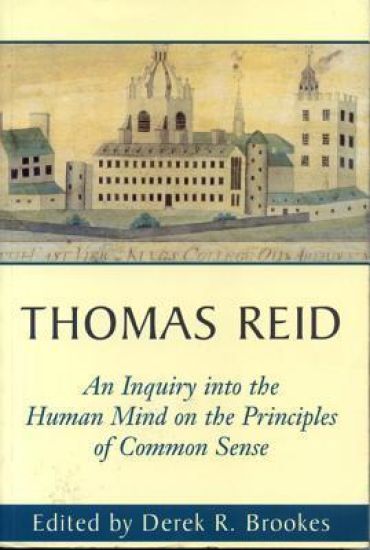
Thomas Reid's An Inquiry into the Human Mind on the Principles of Common Sense
Thomas Reid's Inquiry has long been recognized as a classic philosophical text. Since its first publication in 1764, there have followed no less than forty editions. The proliferation of secondary literature further indicates that Reid's work is flourishing as never before. Yet Reid scholars have been acutely aware of proceeding without the full textual evidence. There exist thousands of unpublished manuscript pages in Reid's hand, many of which relate directly to the composition of Inquiry. Furthermore, no account has been taken of the successive alterations made to the four editions published in Reid's lifetime. The present edition, therefore, aims to present a complete, critically edited text of the Inquiry, accompanied by a judicious selection of manuscript evidence relating to its composition.The volume contains an editor preface presenting the raison d'etre for the edition followed by an introduction giving the central argument of the Inquiry by means of an historical and philosophical account of its formation; an account which also indicates the significance of the MSS contained in the section containing related documents. The critical text is based on the fourth life-time edition (1785), while the textual notes include bibliographical details and allusions, translations, references to secondary literature, and selected passages from Reid's MSS.
Thomas Reid's An Inquiry into the Human Mind on the Principles of Common Sense
Thomas Reid's Inquiry has long been recognized as a classic philosophical text. Since its first publication in 1764, there have followed no less than forty editions. The proliferation of secondary literature further indicates that Reid's work is flourishing as never before. Yet Reid scholars have been acutely aware of proceeding without the full textual evidence. There exist thousands of unpublished manuscript pages in Reid's hand, many of which relate directly to the composition of Inquiry. Furthermore, no account has been taken of the successive alterations made to the four editions published in Reid's lifetime. The present edition, therefore, aims to present a complete, critically edited text of the Inquiry, accompanied by a judicious selection of manuscript evidence relating to its composition.The volume contains an editor preface presenting the raison d'etre for the edition followed by an introduction giving the central argument of the Inquiry by means of an historical and philosophical account of its formation; an account which also indicates the significance of the MSS contained in the section containing related documents. The critical text is based on the fourth life-time edition (1785), while the textual notes include bibliographical details and allusions, translations, references to secondary literature, and selected passages from Reid's MSS.
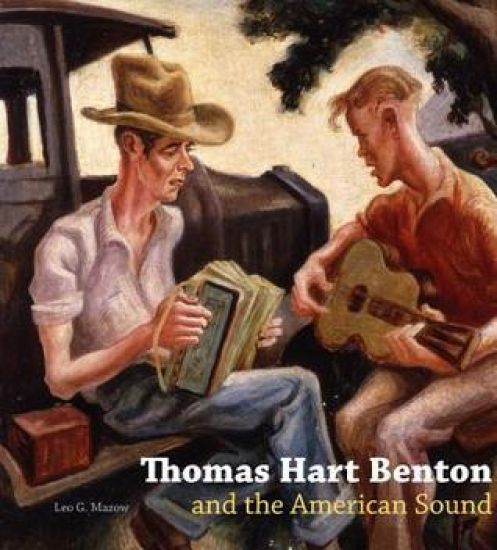
Thomas Hart Benton and the American Sound

Thomas Hart Benton and the American Sound

Leo G. Mazow

Pennsylvania State University Press
2012
sidottu
Alternately praised as “an American original” and lampooned as an arbiter of kitsch, the regionalist painter Thomas Hart Benton has been the subject of myriad monographs and journal articles, remaining almost as controversial today as he was in his own time. Missing from this literature, however, is an understanding of the profound ways in which sound figures in the artist’s enterprises. Prolonged attention to the sonic realm yields rich insights into long-established narratives, corroborating some but challenging and complicating at least as many. A self-taught and frequently performing musician who invented a harmonica tablature notation system, Benton was also a collector, cataloguer, transcriber, and distributor of popular music. In Thomas Hart Benton and the American Sound, Leo Mazow shows that the artist’s musical imagery was part of a larger belief in the capacity of sound to register and convey meaning. In Benton’s pictorial universe, it is through sound that stories are told, opinions are voiced, experiences are preserved, and history is recorded.
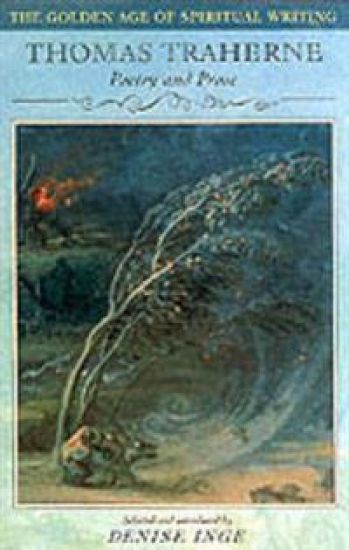
Thomas Traherne

Thomas Traherne

Spck

SPCK Publishing
2002
nidottu
Denise Inge introduces a selection from Thomas Traherne's writing in this, the third volume in this series on seventeenth century spiritual writers. This volume will contain some biographical detail and historical context, the story of the discovery of his work as well as a discussion of its literary and spiritual power. The main body of the anthology will cover both well known works such as a selection from the Centuries and also excerpts from newer discoveries, including a recent find from Lambeth Palace Library. Thomas Traherne 1636?-1674 was schooled at Brasenose College, Oxford, was ordainded and served in the village of Credenhill, Herefordshire.
A Year with Thomas Merton

A Year with Thomas Merton

Thomas Merton

SPCK Publishing
2005
nidottu
Daily reflections from the one of the most influential spiritual writers of the past century Thomas Merton is widely acclaimed as one of the most influential American spiritual writers of the past century. This volume of daily reflections draws from Merton's journals and papers to present, each day, a seasonally appropriate and thought-provoking insight or observation. Each month begins with one of Merton's delightful Zen-style pen-and-ink or black and white photographs.