
Kirjahaku
Etsi kirjoja tekijän nimen, kirjan nimen tai ISBN:n perusteella.
366 tulosta hakusanalla Bari Gilbert
Possiamo dire che almeno a partire dal Cratilo di Platone che la linguistica si occupata del linguaggio: della sua origine, delle sue funzioni, del fondamento della sua capacit di esprimere significati; e pi particolarmente delle diverse parti del discorso e delle loro funzioni, dei diversi tipi di rapporti semantici, del rapporto tra lingua e pensiero, lingua e mondo esterno, lingua e societ umana, e di un gran numero di altri problemi riguardanti la cui lingua rilevante.Tutti questi studi hanno contribuito a far emergere metodi di analisi rigorosi e precisi: sottoponiamo i dati a esami approfonditi e oggettivi, costruiamo ipotesi che cerchiamo di verificare e che rivediamo in base a nuovi dati, preparando cos l'avvento. della linguistica moderna.

Podemos dizer que pelo menos a partir do Cr tilo de Plat o que a lingu stica se preocupa com a linguagem: a sua origem, as suas fun es, a base da sua capacidade de expressar significados; e mais particularmente das diferentes classes gramaticais e das suas fun es, dos diferentes tipos de rela es sem nticas, da rela o entre linguagem e pensamento, linguagem e mundo externo, linguagem e sociedade humana, e um grande n mero de outros problemas relativos a cuja l ngua relevante.Todos estes estudos contribu ram para o surgimento de m todos de an lise rigorosos e precisos: submetemos os dados a exames aprofundados e objetivos, constru mos hip teses que tentamos verificar e que revisamos de acordo com novos dados., preparando assim o advento. da lingu stica moderna.
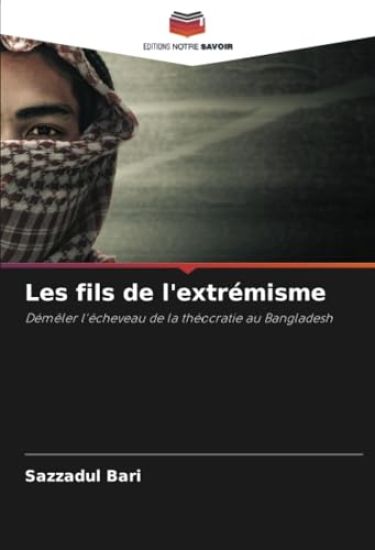
Islamic radicalization and militancy have become global issues, and Bangladesh is no exception, having experienced several militant attacks. Scholarly debates are divided, with some attributing the rise of militancy to a cultural clash between the West and Islam, while others focus on historical political and economic factors such as exploitation and oppression. This study aims to explore the emergence of radicalization and militancy in Bangladesh by examining the politicization of Islam, the structure and ideology of the militant group Jamaat-ul-Mujahideen Bangladesh (JMB), and the socio-political factors behind their rise. Using a multi-sited ethnographic approach, the research reveals that JMB's radical doctrine, influenced by global Wahhabism, targets both non-Muslims and certain Muslim sects. Their emergence was tied to local political and economic interests, with political leaders using JMB to control land disputes. Ultimately, the study suggests that political economy and ideology are deeply intertwined in the rise of Islamic militancy in Bangladesh.
Die Sprache zum Gegenstand der Reflexion zu machen, ist ein Thema, das fast alle Wissenschaften, insbesondere die Geisteswissenschaften, immer wieder neu fasziniert hat. Die Sprache, die als F higkeit ihrer Art zum Menschen geh rt, wird heute von diesem losgel st, um als formales, aber auch soziales Ph nomen analysiert zu werden. Diese neue Perspektive sieht die Sprache als bedeutungsvolle Manifestation, die das soziale Handeln des Menschen strukturiert. In diesem Sinne versuchen die modernen Ans tze zur Sprache, Sinn und Bedeutung in Kommunikationskreisl ufen zwischen Subjekten, die ein soziales Netzwerk bilden, einzugrenzen.
Making language an object of reflection is a subject that has never ceased to intrigue almost all the sciences, particularly the humanities. Language, which is part of man as a faculty of his species, is now detached from man to be analyzed as a formal phenomenon, but also as a social one. This new perspective sees language as a signifying manifestation structuring human social action. In this sense, modern approaches to language attempt to circumscribe meaning and significance within the circuits of communication between subjects forming a social network.
Fare del linguaggio un oggetto di riflessione un tema che non ha mai smesso di incuriosire quasi tutte le scienze, in particolare quelle umane. Il linguaggio, che fa parte dell'uomo come facolt della sua specie, viene ora staccato dall'uomo per essere analizzato come fenomeno formale, ma anche sociale. Questa nuova prospettiva vede il linguaggio come una manifestazione significante che struttura l'azione sociale umana. In questo senso, i moderni approcci al linguaggio cercano di circoscrivere il senso e il significato all'interno di circuiti comunicativi tra soggetti che formano una rete sociale.
Fazer da linguagem um objeto de reflex o um tema que nunca deixou de intrigar quase todas as ci ncias, nomeadamente as humanas. A linguagem, que faz parte do homem enquanto faculdade da sua esp cie, agora destacada do homem para ser analisada como um fen meno formal, mas tamb m social. Esta nova perspetiva v a linguagem como uma manifesta o significante que estrutura a a o social humana. Neste sentido, as abordagens modernas da linguagem tentam circunscrever o sentido e o significado no interior de circuitos de comunica o entre sujeitos que formam uma rede social.




The American fashion designer Ken Scott was a masterful creator of fabrics, mapping out flowers with romanticism and multiplying them as he transformed them into something that stood out and reflected his eclectic personality. Born in Fort Wayne, Indiana, Scott moved to Milan in the 1950s, where he pioneered many colorful patterned fabrics and collections and founded the Falconetto brand. Known for bright floral patterns with peonies, roses, poppies, sunflowers, petunias, and asters, Scott followed a maximalist design philosophy when it came to his vibrant line. In the 1960s, he is said to have been one of the first designers to showcase calf-length skirts in his collection, while in 1970s he rose to fame because of his floral-printed suits for both men and women and unisex catwalks. They called him the fashion gardener, but he was so many things: a gifted painter, an experimental restaurateur, an ingenious textile artist, and one of the most brilliant design savants of the twentieth century. Edited together with the Ken Scott Foundation, including an interview with Alessandro Michele, this book provides an in-depth exploration of his archives and thoroughly reflects his imagination for everything from loungewear and luggage to silk scarves and swimsuits, all joyfully splashed with his colors, sunflowers, poppies, petunias, and peonies.
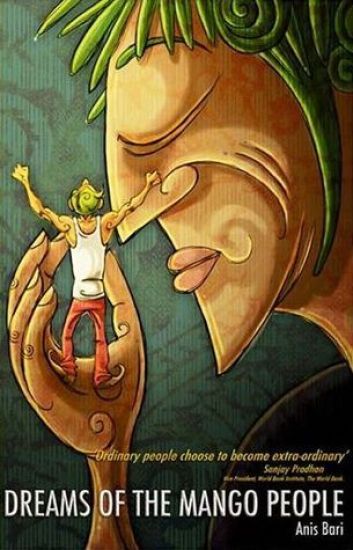
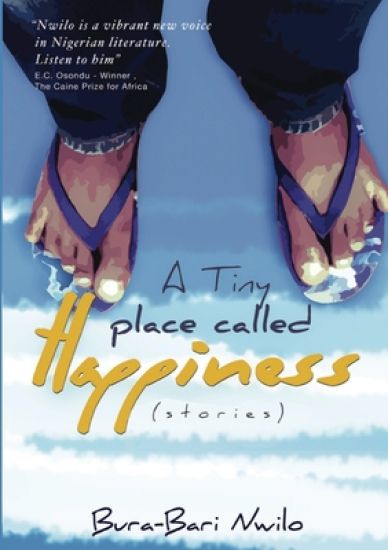
This short story collection understands the narrative of the voiceless. It brings together the lives of dreamers and dreams from the Niger-Delta area of Nigeria-mostly, using experimental and diverse style to explore the human condition. The stories in the collection bring us to a homeland we do not see, and the writer, in turn, offers the narrated cough circumstances of his characters in tender words. Nwilo writes like an aspiration--his voice desires co cry many things and this is the reason we should heed this writer with many stories to tell.

A dog says "bow, wow" in English and "hav, hav" in Hebrew. Whimsical animals in American and Israeli settings compare their varied noises and sounds. Readers can explore which sounds are the same and which are different in droll depictions of animals in Israel and the United States. Basic Hebrew vocabulary, including animal names and sounds, are introduced. Iconic locations like Capitol Hill and Central Park in the United States, and the Dome of the Rock and the Sea of Galilee in Israel are featured in illustrations.
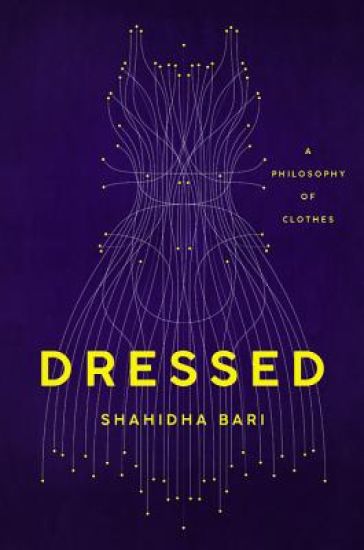
Perfect for readers of Women in Clothes, this beautifully designed philosophical guide to fashion explores art, literature, and film to uncover the hidden meaning of a well-chosen wardrobe. We all get dressed. But how often do we pause to think about what our clothes say? When we dress ourselves, we are presenting to the world an essence of who we are, who we want to be. Dressed ranges freely from suits to suitcases, from Marx's coat to Madame X's gown. Through art and literature, film and philosophy, philosopher Shahidha Bari unveils the surprising personal implications of what we choose to wear. The impeccable cut of Cary Grant's suit projects masculine confidence, just as Madonna's oversized denim jacket and her armful of orange bangles loudly announces big ambition. How others dress tells us something fundamental about them -- we can better understand how people live and what they think through their garments. Clothes tell our stories. Dressed is the thinking person's fashion book. In baring the hidden power of clothes in our culture and our daily lives, Bari reveals how our outfits not only cover our bodies but also reflect our minds.