Kirjojen hintavertailu. Mukana 12 016 292 kirjaa ja 12 kauppaa.

Kirjahaku

Etsi kirjoja tekijän nimen, kirjan nimen tai ISBN:n perusteella.

558 tulosta hakusanalla Beef Baker

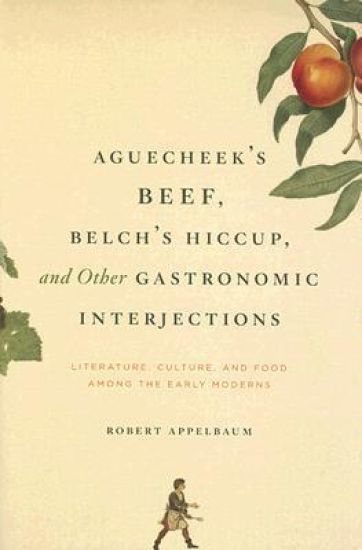
Aguecheek's Beef, Belch's Hiccup, and Other Gastronomic Interjections
We didn’t always eat the way we do today, or think and feel about eating as we now do. But we can trace the roots of our own eating culture back to the culinary world of early modern Europe, which invented cutlery, haute cuisine, the weight-loss diet, and much else besides. Aguecheek’s Beef, Belch’s Hiccup tells the story of how early modern Europeans put food into words and words into food, and created an experience all their own. Named after characters in Shakespeare’s Twelfth Night, this lively study draws on sources ranging from cookbooks to comic novels, and examines both the highest ideals of culinary culture and its most grotesque, ridiculous and pathetic expressions. Robert Appelbaum paints a vivid picture of a world in which food was many things—from a symbol of prestige and sociability to a cause for religious and economic struggle—but always represented the primacy of materiality in life.Peppered with illustrations and a handful of recipes, Aguecheek’s Beef, Belch’s Hiccup will appeal to anyone interested in early modern literature or the history of food.
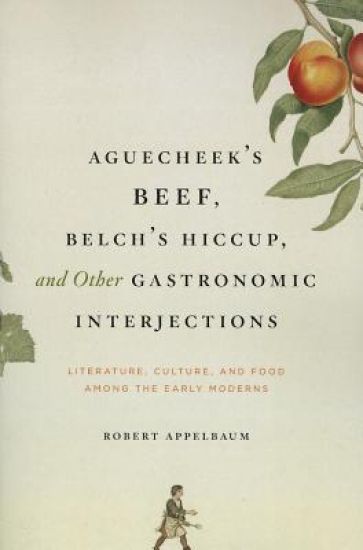
Aguecheek's Beef, Belch's Hiccup, and Other Gastronomic Interjections
We didn't always eat the way we do today, or think and feel about eating as we now do. But we can trace the roots of our own eating culture back to the culinary world of early modern Europe, which invented cutlery, haute cuisine, the weight-loss diet, and much else besides. "Aguecheek's Beef, Belch's Hiccup" tells the story of how early modern Europeans put food into words and words into food, and created an experience all their own. Named after characters in Shakespeare's "Twelfth Night", this lively study draws on sources ranging from cookbooks to comic novels, and examines both the highest ideals of culinary culture and its most grotesque, ridiculous, and pathetic expressions. Robert Appelbaum paints a vivid picture of a world in which food was many things - from a symbol of prestige and sociability to a cause for religious and economic struggle - but always represented the primacy of materiality in life. Peppered with illustrations and a handful of recipes, "Aguecheek's Beef, Belch's Hiccup" will appeal to anyone interested in early modern literature or the history of food.
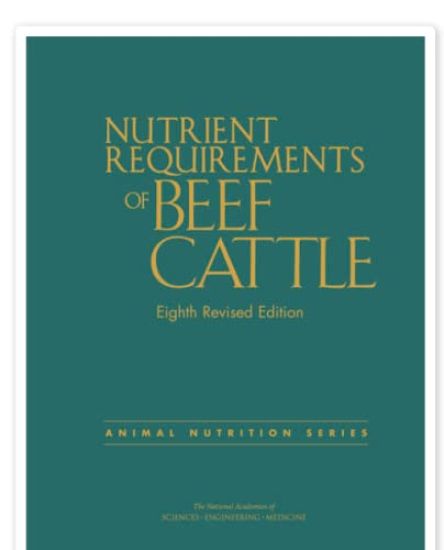
Nutrient Requirements of Beef Cattle
Since 1944, the National Research Council (NRC) has published seven editions of the Nutrient Requirements of Beef Cattle. This reference has guided nutritionists and other professionals in academia and the cattle and feed industries in developing and implementing nutritional and feeding programs for beef cattle. The cattle industry has undergone considerable changes since the seventh revised edition was published in 2000 and some of the requirements and recommendations set forth at that time are no longer relevant or appropriate. The eighth revised edition of the Nutrient Requirements of Beef Cattle builds on the previous editions. A great deal of new research has been published during the past 14 years and there is a large amount of new information for many nutrients. In addition to a thorough and current evaluation of the literature on the energy and nutrient requirements of beef in all stages of life, this volume includes new information about phosphorus and sulfur contents; a review of nutritional and feeding strategies to minimize nutrient losses in manure and reduce greenhouse gas production; a discussion of the effect of feeding on the nutritional quality and food safety of beef; new information about nutrient metabolism and utilization; new information on feed additives that alter rumen metabolism and postabsorptive metabolism; and future areas of needed research. The tables of feed ingredient composition are significantly updated. Nutrient Requirements of Beef Cattle represents a comprehensive review of the most recent information available on beef cattle nutrition and ingredient composition that will allow efficient, profitable, and environmentally conscious beef production.Table of ContentsFront MatterSummary
Disaster Response and Beef Cattle Operations, An Issue of Veterinary Clinics of North America: Food Animal Practice
This issue of Veterinary Clinics of North America: Food Animal Practice focuses on Disaster Response and Beef Cattle Operations, with topics including: Flooding; Tornadoes; Blizzard and range cattle; Blizzard and confined cattle; Wildfire and range cattle; Heat stress episodes in confined cattle; Foreign animal disease outbreaks; Truck accidents on highways; Cattle assessment on site during emergencies; Humane euthanasia and carcass disposal; Emergency nutrition for cattle; Communication during natural disasters and working with authorities; and Mental health during times of disaster.
Simulation Of Beef Cattle Production Systems And Its Use In Economic Analysis

Simulation Of Beef Cattle Production Systems And Its Use In Economic Analysis

Thomas H Spreen; David H Laughlin; Phillip Doren; Odell Walker

CRC Press
2019
sidottu
Economic analysis of beef cattle production has been limited by the inability to fully describe the underlying production process. Except for confined feeding of cattle, beef cattle production is the process of growing cattle who consume forages. The animal and the forage possess attributes of both factors and products of production. The production of forage constitutes one production process, animal growth is another production process, and reproduction by female animals is a third production process. Cattle production involves all three processes in such a manner that each influences the outcome of the other. Each process is itself complex and analysis is further complicated when all three are considered simultaneously.
Simulation Of Beef Cattle Production Systems And Its Use In Economic Analysis

Simulation Of Beef Cattle Production Systems And Its Use In Economic Analysis

Thomas H Spreen; David H Laughlin; Phillip Doren; Odell Walker

CRC Press
2021
nidottu
Economic analysis of beef cattle production has been limited by the inability to fully describe the underlying production process. Except for confined feeding of cattle, beef cattle production is the process of growing cattle who consume forages. The animal and the forage possess attributes of both factors and products of production. The production of forage constitutes one production process, animal growth is another production process, and reproduction by female animals is a third production process. Cattle production involves all three processes in such a manner that each influences the outcome of the other. Each process is itself complex and analysis is further complicated when all three are considered simultaneously.
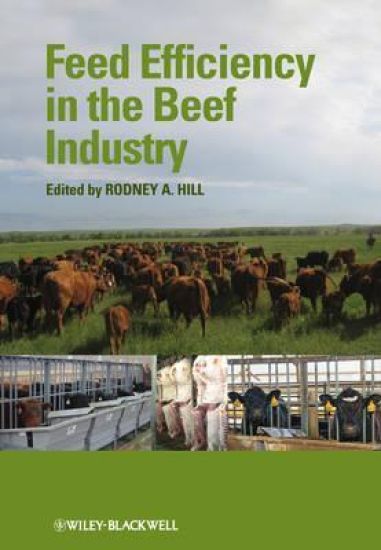
Feed Efficiency in the Beef Industry
Feed Efficiency in the Beef Industry provides a thorough and concise overview of feed efficiency in beef cattle. It frames the great importance of feed efficiency to the industry and details the latest findings of the many scientific disciplines that intersect and aim to improve efficient and sustainable production of nutritious beef. The vast majority of production costs are directly tied to feed. With increased demand for grains to feed a rapidly increasing world population and to supply a new demand for alternative fuels, feed costs continue to increase. In recent years, the negative environmental impacts of inefficient feeding have also been realized; as such feed efficiency is an important factor in both economic viability and environmental sustainability of cattle production. Feed Efficiency in the Beef Industry covers a broad range of topics ranging from economic evaluation of feed efficiency to the physiological and genetic bases of efficient conversion of feed to high quality beef. Chapters also look at how a fuller understanding of feed efficiency is leading to new selective breeding efforts to develop more efficient cattle. With wide-ranging coverage from leading international researchers, Feed Efficiency will be a valuable resource for producers who wish to understand the complexities, challenges, and opportunities to reduce their cost of production, for students studying the topic and for researchers and professionals working in the beef industry.
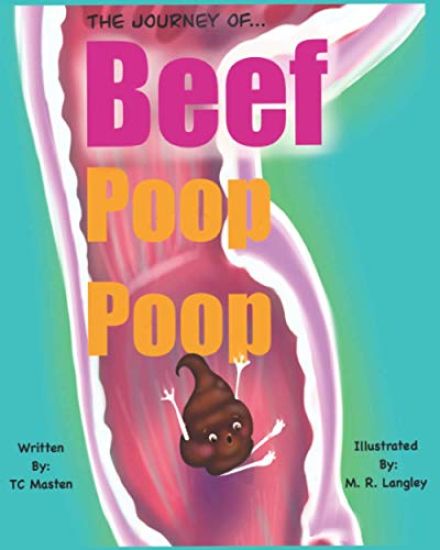
The Journey of Beef Poop Poop
My children are stout carnivores, and getting them to eat vegetables takes creativity and ingenuity. "Beef Poop Poop" underscores the importance of fiber-filled vegetables to help move meat through your bowels, while teaching appropriate anatomy terms for body parts and an ending that makes you giggle.I wrote this book while temporarily separated from my family while working as a nurse. I missed an opportunity to read a bedtime story, so I made one up instead of sitting in my room crying about missed moments This year has been trying for many, my hope is that this book puts a smile on your face Enjoy.
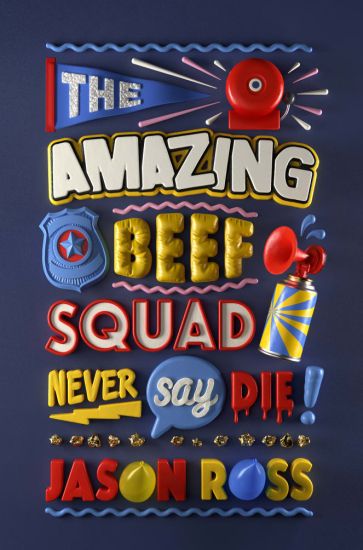
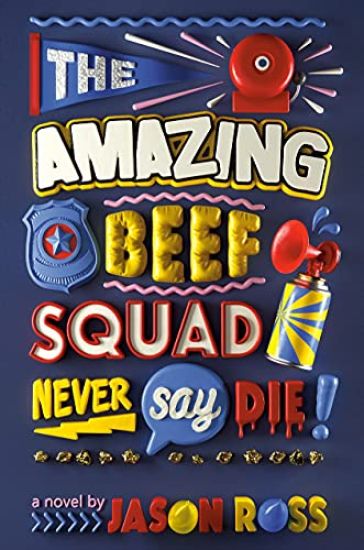
The Amazing Beef Squad: Never Say Die!

The Amazing Beef Squad: Never Say Die!

Jason Ross

Delacorte Press
2021
sidottu
"Juvenile delinquency has never been so fun " --Jon Stewart, comedian, filmmaker, television host Meet the Beef Squad: a group of unforgettable kids who are serious about pranks but also about doing whatever it takes to help the people and places they care about. Nick Rhodes and his friends Pratchett, Hogue, and Jared--together known as Beef Squad--have got seventh grade totally hacked. They make perfect grades by day, pull spectacular pranks by night, play video games in between, and do it all with a zany sense of humor only they find funny. (Because someone has to celebrate National Asparagus Appreciation Day.) But seventh grade is about to strike back Trouble at school and a secret from their town's Gold Rush past put Beef Squad on a collision course with Leonardville's most powerful forces. Now, with the help of robotics teammate Karla Woo, they decide to reveal what's going on, no matter the consequences. This laugh-out-loud story about a group of truly "amazing" and strongminded kids is one middle-grade readers will cheer for.
The Amazing Beef Squad: Never Say Die!
"Juvenile delinquency has never been so fun " --Jon Stewart, comedian, filmmaker, television host Meet the Beef Squad: a group of unforgettable kids who are serious about pranks but also about doing whatever it takes to help the people and places they care about. Nick Rhodes and his friends Pratchett, Hogue, and Jared--together known as Beef Squad--have got seventh grade totally hacked. They make perfect grades by day, pull spectacular pranks by night, play video games in between, and do it all with a zany sense of humor only they find funny. (Because someone has to celebrate National Asparagus Appreciation Day.) But seventh grade is about to strike back Trouble at school and a secret from their town's Gold Rush past put Beef Squad on a collision course with Leonardville's most powerful forces. Now, with the help of robotics teammate Karla Woo, they decide to reveal what's going on, no matter the consequences. This laugh-out-loud story about a group of truly "amazing" and strongminded kids is one middle-grade readers will cheer for.
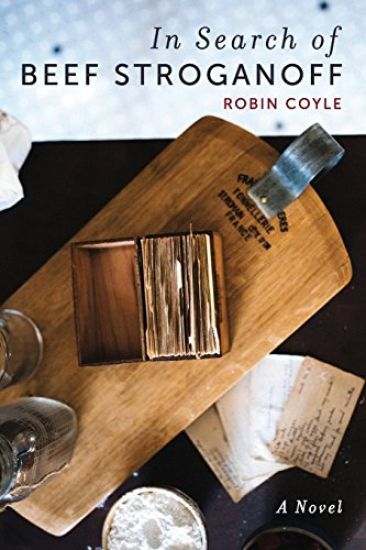
In Search of Beef Stroganoff

In Search of Beef Stroganoff

Robin Coyle

Robin Coyle
2018
nidottu
"Mom never saw me dusted with flour as I pulled a cake from the oven, or with my brow dewy from the steam rising from piquant sauces bubbling on the stove... My mom was gone and my life was the worse for it. It was too late to atone for how I treated her." With no true friends, a talent for shutting the world out, and haunted by regret for her solitary, bitter childhood, Meredith embarks on a journey of self-discovery in search of her mother's fabled recipe for beef stroganoff, which is always just out of reach. Her quest takes her around the world. She meets Adam, a charming restaurateur, Tat, an old-school punk rocker, and Astrid, an elderly woman with a story to tell. Together the unlikely quartet explores their own boundaries and the joy that comes from connecting with the people we love. In the spirit of "Eat, Pray, Love," and "The School of Essential Ingredients," this is a new chapter in the exploration of meaning, love and purpose. It will leave you laughing through your tears.
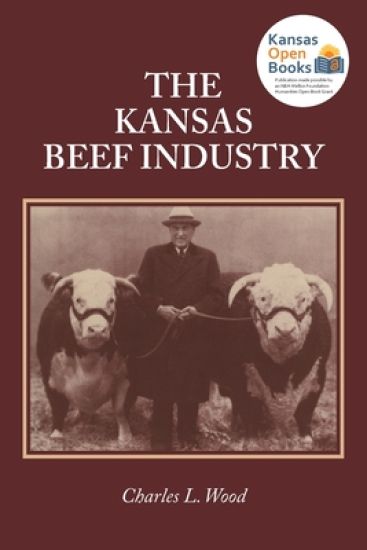
The Kansas Beef Industry

The Kansas Beef Industry

Charles L. Wood

UNIVERSITY PRESS OF KANSAS
2021
nidottu
This book relates the modern development of the Kansas beef cattle industry, combining both the history of production—including specific business problems and the significant work in upbreeding—and an examination of the marketing aspects of the industry that became so important during the twentieth century. Sharpest focus is on the period 1890 to 1940, after the Western beef industry had passed through the transition from using the expansive, open-range method of beef production to the more rational and organized methods of today.Wood presents a detailed discussion of the history of upbreeding. He points out the little-known fact that the fine-blooded animals—especially Herefords—that moved out from the Midwest were probably more important in stocking the ranges of the Plains and the Southwest than the many thousands of Longhorns driven from Texas. He emphasizes the interregional aspect of beef production and the unique role played by Kansas. On the threshold of the Great Plains, Kansas received cattle from both the Midwest and the Southwest for many years—upbred cattle moving South, and stocker cattle moving from the South or Southwest into Kansas for additional maturing before being shipped to the Midwest for fattening or for slaughter.Wood also looks closely at the relationship of cattlemen to government and to big business—railroads, stockyards, and packers. He sees the cattlemen as agricultural producers and business managers, rather than as romantic, self-reliant giants of the earth. Taking issue with the popular myth that cattlemen were and are ruggedly individualistic and disdainful of outside help, Wood discusses the cattlemen's repeated demands for aid, especially during the 1930s.Included in the book is the history of the Kansas Livestock Association, which the author credits as being one of the most significant stock associations in the West during this century. Wood sets the KLA’s growth within the context of the larger organizational revolution in the nation’s business world.A concluding chapter surveys major developments after World War II, including the development of feedlots and irrigation, the new cross-breeding, decentralization of packers, and the advent of trucking to replace railroads. There has been scant information on these topics in the general literature of the Great Plains.
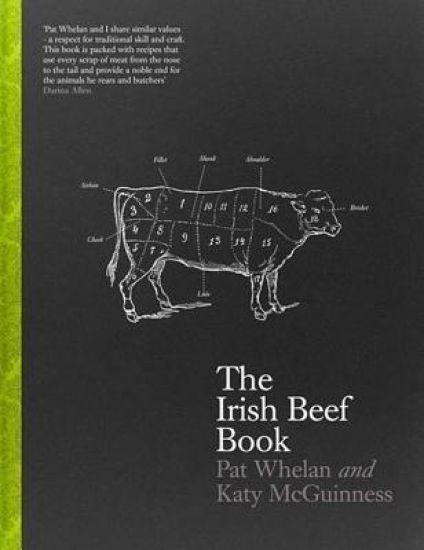
The Irish Beef Book

The Irish Beef Book

Pat Whelan; Katy McGuinness

Gill Books
2023
sidottu
This is the definitive guide to Irish beef, covering every aspect of buying, preparing and cooking it. Pat Whelan, Ireland’s foremost butcher, shares the benefit of his inherited expertise as a fifth-generation farmer and butcher, empowering readers with the knowledge to seek out the very best beef available. Katy McGuinness shows you how to create delicious dishes using every part of the animal with recipes selected to ensure that this is the only guide to cooking beef the domestic cook will ever need. The classics are all included, as are quick and easy midweek suppers and more complex dishes for leisurely weekend entertaining. There is a whole section devoted to the perfect steak, and the chapter on roasting removes the fear factor from Sunday lunchtime once and for all. With beautiful photography taken on the farm as well as in the kitchen, this unique book is one to celebrate.
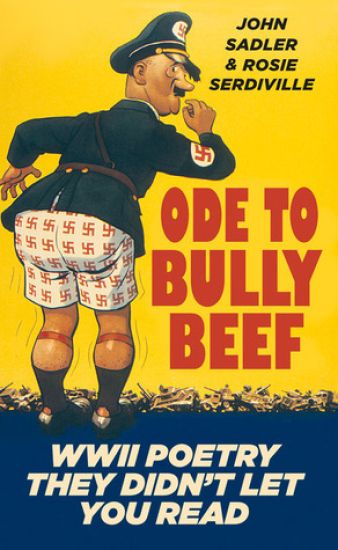
Ode to Bully Beef

Ode to Bully Beef

Rosie Serdiville; John Sadler

The History Press Ltd
2014
nidottu
The Second World War (1939–45) was not greeted with the same lavish outpouring of patriotic fervour that had attended August 1914. Any rags of glory had long since been drowned in the mud of Flanders. The Great War had been heralded as ‘the war to end all wars’; veterans were promised ‘a land fit for heroes’. Both of these vain boasts soon began to sound hollow as depression, unemployment, poverty and a rash of new wars followed. The sons and daughters of those who had embarked upon their own patriotic Calvary did so again in an altogether more sombre spirit. One significant difference between the two conflicts is that, whilst both were industrial wars, the Second World War was far nearer the concept of total war. The growth of strategic air power, in its infancy in 1918, had by 1939 become a reality. In this war, even more widespread and terrible than the last, there were to be no civilians. Death sought new victims everywhere; British citizens were now in the front line, there was to be no respite, no hiding place. This is the poetry and prose of those who were there, ordinary people caught in the terrible maelstrom of mass conflict on a scale hitherto unimagined; this is their testimony.
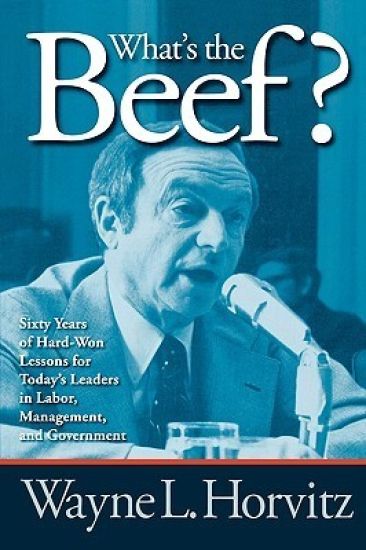
What's the Beef?

What's the Beef?

Wayne L. Horvitz

Hamilton Books
2008
nidottu
Where to start when recounting a career spanning over sixty years which included some of the most significant disputes in the history of U.S. labor management relations? Horvitz starts with lessons learned at his famous father's knee. The father, Aaron Horvitz, was a pioneering labor arbitrator whose name is known and respected by anyone who has ever been seriously involved in the field of labor relations. The story takes off on its own trajectory when Horvitz engages as a young management player in dramatic and sometimes bizarre plant disputes in Bayonne and Perth Amboy, N.J., and Rome, N.Y., and then dives into the enormous labor problems arising from the introduction of containerization on the West Coast waterfront where he meets some of the most colorful figures in labor history and provides snatches of conversation and hilarious stories of their interactions. Horvitz then transports us to the East Coast and a stint in the Carter Administration as the nation's top mediator only to find himself thrust into some of the longest longshore and coal strikes in recent history and a colorful but nonetheless near-disastrous dispute at the Metropolitan Opera. Ultimately, he finds himself up to the eyeballs in the deregulation and disruption of the airlines industry, airline mergers, and the convoluted problems caused by the outmoded cost structure of the nation's railroads. A gifted storyteller, Horvitz gives us a front row seat throughout his lively saga, remembers the most delicious details, and tells only the best stories. While a long term member of the management fraternity, he nonetheless includes an impassioned and articulate argument for the revitalization and restructuring of the now-diminished art of collective bargaining in the global economy.
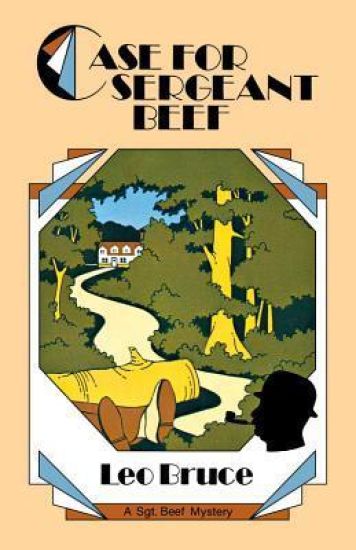
Case for Sergeant Beef

Case for Sergeant Beef

Leo Bruce

Chicago Review Press
1981
pokkari
In the cleverly plotted Case for Sergeant Beef, Mr. Wellington Chickle, a retired watchmaker, plans the perfect murder, but he chooses the wrong victim. The dead man's sister refuses to accept the idea that her brother committed suicide and calls in the unprepossessing Sgt. Beef who unravels the plot with the aid of the local police. Meanwhile, Townsend, Beef’s indefatigable chronicler, comes to a completely different—and completely wrong—conclusion. A delightful read by one of the best mystery plotters who ever lived.