

Kirjahaku
Etsi kirjoja tekijän nimen, kirjan nimen tai ISBN:n perusteella.
1000 tulosta hakusanalla C. H. FIRTH

C-130 E/H Loadmaster Tactical Checklist - Scholar's Choice Edition
Scholar's Choice
2015
pokkari
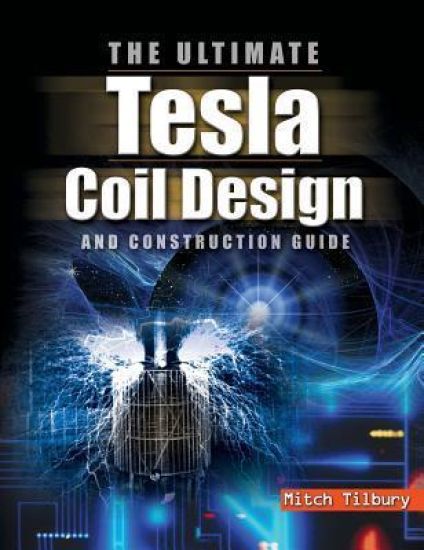
The ULTIMATE Tesla Coil Design and Construction Guide (H/C)
Tilbury
McGraw-Hill Inc.,US
2007
nidottu
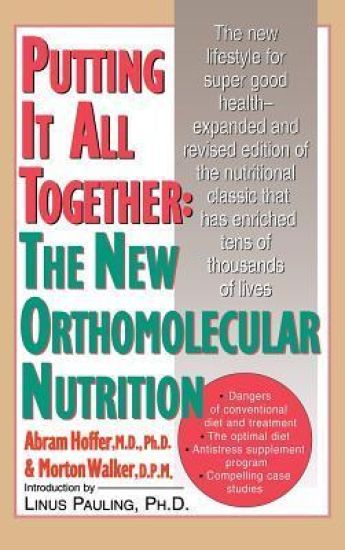
Putting It All Together: The New Orthomolecular Nutrition (H/C)
Abram Hoffer
McGraw-Hill Companies
1998
sidottu
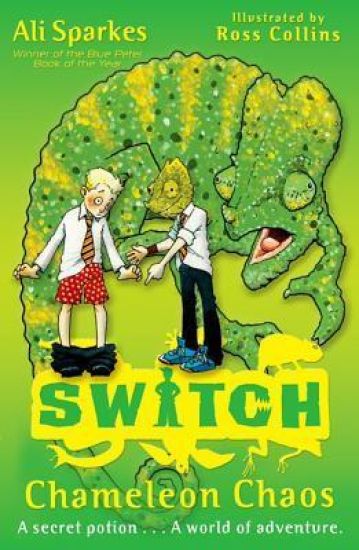
Petty Potts' most recent reptoSWITCH spray doesn't seem to be working . . . not that Josh and Danny were all that excited about being chameleons anyway-alligators would be way better! Plus, they're distracted by the mystery of who is sending them clues to find marbles filled with scientific code. But at school the next day, time seems to be going too fast for the twins, and when one of Danny's eyeballs rolls right round in its socket, they know things are getting weird. While Danny is distracted by the leafy coolness of his teacher's pot plant, Josh is causing a stir in PE, escaping the class bullies by climbing right up to the top of the gym ropes! How long will it be before the boys are boys again? And will they be able to find the next marble (and get their own back on those bullies) in the meantime?


W.I.T.C.H. Part 2, Vol. 2
Yen Press
2018
nidottu
Desperate to reclaim the power of Heart, Nerissa and her Knights of Vengeance deploy put their schemes into motion, and the W.I.T.C.H. girls and their friends won't escape unscathed... Could this be their first true failure as Guardians?

ROYO READERS LEVEL C HELPING H ANDS
Cengage ELT
2019
lehtivihko, moniste

ROYO READERS LEVEL C WORKING H ARD TO HELP
Cengage ELT
2019
lehtivihko, moniste
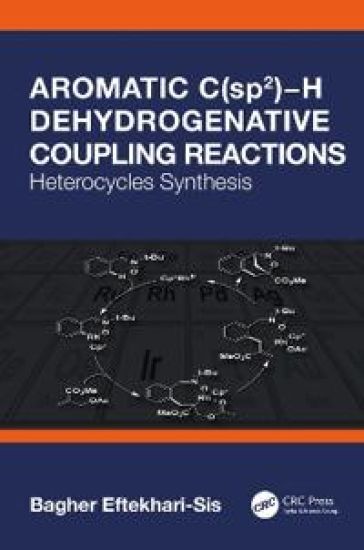
This comprehensive text covers the research and development trends in the growing field of aromatic C–H dehydrogenative coupling reactions, leading to different types of heterocycles. The author provides answers to how these coupling reactions occur, what kinds of heterocycles are synthesized, and what their advantages are. The palladium-, rhodium-, iridium-, copper-, cobalt-, ruthenium-, and ferric-catalyzed aromatic C(sp2)–H dehydrogenative cross-coupling reactions are described in detail. A useful reference source for researchers and graduates in the field of heterocyclic chemistry and transition-metal-catalyzed dehydrogenative coupling reactions.Features: Comprehensive volume on the synthesis of benzo-heterocycles via aromatic C(sp2)–H bond activation. Heterocycles are of paramount importance to medicinal chemistry and drug discovery. Provides a comprehensive literature survey on the construction of heterocycles. Reaction procedures and mechanistic explanations are included, which will appeal to those in fine chemicals and pharmaceutical companies.

The teenage years can be discouraging. Teenagers must stay focused and committed to doing what is necessary to achieve dreams. It is a hard road and the lessons are invaluable. Don't get discouraged by setbacks. I tell teens all the time "I don't share to impress you with my accomplishments, I share to impact you with my mistakes". Most lessons come from loses and mistakes. Learn, Grow, and then Win. This journal allows the teen to reflect on five key pain points (choices, habits, attitude, mindset, purpose).
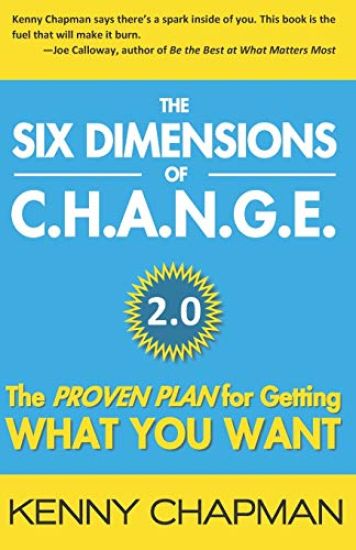
The Six Dimensions of C.H.A.N.G.E. 2.0: The Proven Plan for Getting What You Want
Kenny Chapman
Critical Synergy Publishing
2020
nidottu
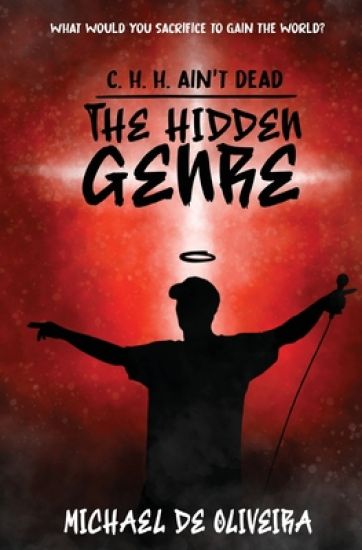
The Hidden Genre (C. H. H. Ain't Dead Book 01)
Michael de Oliveira
National Library of South Africa
2023
pokkari

Four conservatives in need of a second chance. Four media mavens desperate to fight their way back into the only place that mattered to them - the world of Cable TV News. Now this rag-tag group has come together for a commando mission so outrageously daring that it would only be attempted by A- a group of heroes, or B- a bunch of fools. You'll have to decide for yourself. (Hint: It's B.) Frank Conniff, author of the spine-tingling Twenty Five Mystery Science Theater 3000 Films That Changed My Life In No Way Whatsoever, the pulse-pounding Cats v. Conniff, and the nightmare-inducing How To Write Cheesy Movies, has now topped himself with his most action-packed, edge-of-your-tweet thriller yet

E.C.H.O.: Exhibition. Clarity. Healing. Oneness.
Nakeia Danielle; Marteena O
Mnwritings
2016
nidottu

1 Biological functions of vitamins.- 1.1 Introduction.- 1.2 Retinol (vitamin A) and the provitamin carotenoids.- 1.3 Vitamin D.- 1.4 Vitamin E (tocopherol).- 1.5 Vitamin K.- 1.6 Thiamin.- 1.7 Riboflavin.- 1.8 Pyridoxin.- 1.9 Niacin.- 1.10 Vitamin B12.- 1.11 Folates.- 1.12 Pantothenic acid.- 1.13 Biotin.- 1.14 Taurine and choline.- 1.15 Carnitine.- 1.16 Ascorbic acid.- 1.17 Other organic trace constituents of food.- 1.18 Vitamins and 'free radical' damage.- Further reading.- 2 Natural occurrence of vitamins in food.- 2.1 Fat soluble vitamins and carotenoids.- 2.1.1 Vitamin A and the carotenoids.- 2.1.2 Determination of vitamin A in foods.- 2.1.3 Natural sources of retinoids and carotenoids.- 2.1.4 Vitamin D.- 2.1.5 Vitamin E.- 2.1.6 Vitamin K.- 2.2 Water soluble vitamins.- 2.2.1 Thiamin.- 2.2.2 Riboflavin.- 2.2.3 Niacin.- 2.2.4 Vitamin B6.- 2.2.5 Vitamin B12.- 2.2.6 Pantothenic acid.- 2.2.7 Biotin.- 2.2.8 Folic acid.- 2.2.9 Vitamin C.- References.- 3 Nutritional aspects of vitamins.- 3.1 Vitamin deficiency diseases.- 3.1.1 Introduction.- 3.1.2 Fat soluble vitamins.- 3.1.3 Water soluble vitamins: the vitamin B-complex.- 3.1.4 Water soluble vitamins: vitamin C.- 3.2 Recommended daily allowances.- 3.2.1 Introduction.- 3.2.2 International concepts of the function of RDAs/RDIs.- 3.3 Safety.- 3.3.1 Introduction.- 3.3.2 Issues.- 3.3.3 Attitudes.- 3.3.4 Need.- 3.3.5 Adventitious acquisition.- 3.3.6 Safety and RDAs (DRVs).- 3.3.7 Need and consumption.- 3.3.8 Possible guidelines for safety.- References.- 4 Industrial production.- 4.1 Introduction.- 4.1.1 History.- 4.1.2 Current situation.- 4.1.3 Future production.- 4.2 Vitamin production.- 4.2.1 Vitamin A.- 4.2.2 Provitamin A: -carotene.- 4.2.3 Vitamin B1: thiamine.- 4.2.4 Vitamin B2: riboflavin.- 4.2.5 Niacin.- 4.2.6 Pantothenic acid.- 4.2.7 Vitamin B6: pyridoxine.- 4.2.8 Folic acid.- 4.2.9 Vitamin B12.- 4.2.10 Vitamin C.- 4.2.11 Vitamin D.- 4.2.12 Vitamin E: ?-tocopherols.- 4.2.13 Vitamin F group.- 4.2.14 Biotin (vitamin H).- 4.2.15 Vitamin K.- References.- 5 Stability of vitamins in food.- 5.1 Introduction.- 5.2 Fat soluble vitamins.- 5.2.1 Vitamin A.- 5.2.2 Vitamin E.- 5.2.3 Vitamin D.- 5.2.4 Vitamin K.- 5.2.5 ?-carotene (provitamin A).- 5.3 Water soluble vitamins.- 5.3.1 Thiamin (vitamin B1).- 5.3.2 Riboflavin (vitamin B2).- 5.3.3 Niacin.- 5.3.4 Pantothenic acid.- 5.3.5 Folic acid.- 5.3.6 Pyridoxine (vitamin B6).- 5.3.7 Vitamin B12.- 5.3.8 Biotin.- 5.3.9 Vitamin C.- 5.4 Vitamin-vitamin interactions.- 5.4.1 Ascorbic acid-folic acid.- 5.4.2 Ascorbic acid-vitamin B12.- 5.4.3 Thiamin-folic acid.- 5.4.4 Thiamin-vitamin B12.- 5.4.5 Riboflavin-thiamin.- 5.4.6 Riboflavin-folic acid.- 5.4.7 Riboflavin-ascorbic acid.- 5.4.8 Other interactions.- 5.5 Processing losses.- 5.5.1 Vegetables and fruits.- 5.5.2 Meat.- 5.5.3 Milk.- 5.6 Irradiation.- 5.7 Food product shelf life.- 5.8 Protection of vitamins.- References.- 6 Vitamin fortification of foods (specific applications).- 6.1 Addition of vitamins to foods.- 6.1.1 Introduction.- 6.2 Beverages.- 6.2.1 Vitiminisation of instant beverages.- 6.2.2 Vitiminisation of concentrates, nectars and juice drinks.- 6.2.3 Vitamin stability.- 6.2.4 Vitamin incorporation.- 6.3 Cereal products.- 6.3.1 Breakfast cereals.- 6.3.2 Bread.- 6.3.3 Pasta.- 6.4 Dairy products.- 6.4.1 Milk.- 6.4.2 Yoghurt.- 6.4.3 Ice cream.- 6.4.4 Margarine.- 6.5 Confectionery.- 6.5.1 Hard boiled candies.- 6.5.2 Chocolate.- 6.5.3 Fondant.- 6.5.4 Marshmallows.- 6.5.5 Pectin jellies.- 6.5.6 Starchjellies.- 6.5.7 Chewing gum.- References.- 7 Vitamins as food additives.- 7.1 Ascorbic acid (vitamin C).- 7.1.1 Properties.- 7.1.2 Fruit, vegetables and fruit juices.- 7.1.3 Soft drinks.- 7.1.4 Beer.- 7.1.5 Wine.- 7.1.6 Flour and bread.- 7.1.7 Pasta.- 7.1.8 Meat processing.- 7.2 Carotenoids (provitamins A).- 7.2.1 Properties.- 7.2.2 Fat based foods.- 7.2.3 Water based foods.- 7.3 Riboflavin (vitamin B2).- 7.4 Niacin.- 7.5 dl-?-tocopherol (vitamin E).- 7.5.1 Oils and fats.- References.- 8 Vitamin an

Measurement of Food Preferences (C & H)
Aspen Publishers
1995
sidottu
1 A measurement scheme for developing institutional products.- 1.1 Introduction.- 1.2 Phase I. Consumer marketing.- 1.2.1 Whom to test.- 1.2.2 What to test.- 1.2.3 How to test.- 1.3 Phase II. Individual item sensory testing.- 1.3.1 Trained and consumer panels.- 1.3.2 Choice of rating scales.- 1.4 Phase III. Consumer meal testing - laboratory.- 1.4.1 What is a meal?.- 1.4.2 Acceptance and consumption.- 1.5 Phase IV. Consumer meal testing - field.- 1.5.1 Realism.- 1.5.2 Test population.- 1.5.3 Adhering to test protocol.- 1.5.4 Item and meal acceptance.- 1.6 Phase V. Prototype testing.- 1.7 Phase VI. Extended ration use validation.- 1.8 Phase VII. Quality control testing.- 1.9 How to use the seven-phase testing sequences.- References.- 2 Appropriateness as a measure of the cognitive-contextual aspects of food acceptance.- 2.1 Introduction.- 2.2 Description of procedures for appropriateness, item by use technique.- 2.2.1 Selection of stimuli.- 2.2.2 Format of the questionnaire.- 2.2.3 Selection of respondents.- 2.2.4 Collection of non-appropriateness data.- 2.2.5 Data collection.- 2.2.6 Analysis of appropriateness data.- 2.2.7 Use of principal component analysis.- 2.2.8 Analyses with non-appropriateness data.- 2.3 Conclusions.- References.- 3 The repertory grid approach.- 3.1 Introduction.- 3.1.1 Food choice.- 3.1.2 Personal construct theory.- 3.2 Methodology.- 3.2.1 Repertory grid method.- 3.2.2 Statistical analysis of repertory grids.- 3.2.3 Generalised Procrustes analysis.- 3.3 Application.- 3.3.1 The different aspects of food choice.- 3.3.2 Investigating the food: general perceptions, sensory characteristics and reasons for choice.- 3.3.3 Investigating consumers.- 3.3.4 Investigating contexts of use.- 3.3.5 Interaction of foods, consumers and context of use.- 3.3.6 Extending repertory grid methodology: laddering, preference mapping and other procedures.- 3.4 Conclusions.- References.- 4 Focus group interviewing.- 4.1 Introduction.- 4.1.1 Advantages and limitations of focus groups.- 4.1.2 Myths about focus groups.- 4.2 The process of conducting focus groups.- 4.2.1 Designing a study.- 4.2.2 Developing the questioning route.- 4.2.3 Recruiting participants.- 4.2.4 Moderating.- 4.2.5 Analysis.- 4.2.6 Validity and reliability - Can we really trust this stuff?.- 4.3 Summary.- References.- 5 Product optimization: approaches and applications.- 5.1 Background and applications.- 5.1.1 What is product optimization?.- 5.1.2 Historical background.- 5.2 Steps in a designed experiment and product optimization study.- 5.2.1 Selection of variables and their levels - systematic versus haphazard designs.- 5.2.2 Questionnaire development.- 5.2.3 Test implementation.- 5.2.4 Analysis of the data - a multi-step process.- 5.3 A case history - salsa.- 5.3.1 Experimental design.- 5.3.2 Results.- 5.3.3 Analysis phase 1, R-R analysis.- 5.3.4 Analysis phase 2, S-R (stimulus-response) analysis.- 5.3.5 Three examples of optimization technology.- 5.4 An overview.- References.- 6 Preference mapping in practice.- 6.1 Introduction.- 6.1.1 An alternative approach.- 6.2 External preference analysis - Prefmap.- 6.2.1 The method.- 6.2.2 Case study using external analysis.- 6.2.3 Problems with external preference mapping.- 6.3 Internal analysis - MDPREF.- 6.3.1 Method.- 6.3.2 Case study using internal analysis.- 6.4 Advantages and limitations of preference mapping.- 6.5 Aspects of conduct.- References.- 7 An individualised psychological approach to measuring influences on consumer preferences.- 7.1 Introduction.- 7.2 Measuring individual consumer preferences.- 7.2.1 Acquisition of food preferences.- 7.2.2 Relating determinants to food preferences: the acceptance triangle.- 7.2.3 Principles of consumer preference measurement.- 7.3 Psychophysical acceptance parameters.- 7.3.1 Ideal point (IP).- 7.3.2 Rejections ratio (RR).- 7.3.3 Tolerance discrimination ratio (TDR).- 7.4 Aggregation of individuals' acceptance parameters.- 7.5 Measuring determinants of acceptance i...

It's Not Yours Til You Like It: H.C. Prange Company, a Sheboygan Institution
Sheboygan County Histor Research Center
Sheboygan County Historical Research Center
2012
nidottu
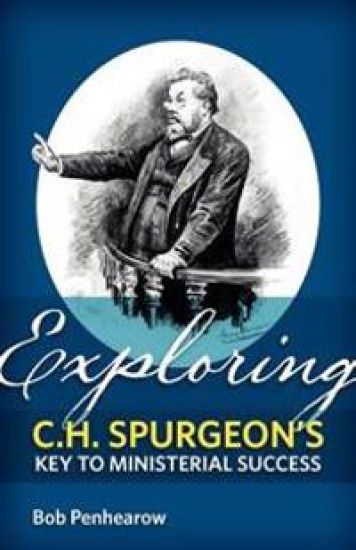
Exploring C.H. Spurgeon's Key to Ministerial Success
Bob Penhearow
Carey Printing Press
2011
nidottu