Kirjojen hintavertailu. Mukana 11 342 296 kirjaa ja 12 kauppaa.

Kirjahaku

Etsi kirjoja tekijän nimen, kirjan nimen tai ISBN:n perusteella.

1000 tulosta hakusanalla Constance Sayers

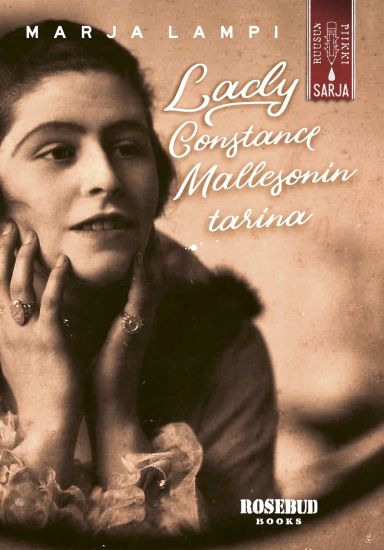
Lady Constance Malleson

Lady Constance Malleson

Marja Lampi

Rosebud
2025
sidottu
Marja Lampi valmistui filosofian maisteriksi Helsingin yliopistosta pääaineenaan kotimainen kirjallisuus. Kirjastoamanuenssin tutkinnon hän suoritti Göteborgin yliopiston kirjastossa. Kahdesti eronnut neljän lapsen äiti on työskennellyt kirjastonhoitajana, elokuvantekijänä ja tietokirjailijana. Hän on hovioikeuden presidentti, hävittäjälentäjä Heimo Lammen tytär ja ansioitunut maailman ainoan Brewster-hävittäjän etsinnöissä.Bertrand Russellin elämäkerta teki parikymppiseen Marja Lampeen suuren vaikutuksen. Hän ei silloin tiennyt, että maailmankuulun filosofin ja nobelistin kirjeitä oli tullut hänen kesäpaikkakuntansa Vehmersalmen postiin. Russellin kanssa kirjeenvaihtoa Vehmersalmelta käsin kävi tämän elinikäinen ystävä ja rakastettu, näyttelijä ja kirjailija lady Constance Malleson, joka asui välirauhan aikana (1940 - 41) runsaan vuoden paikkakunnalla.Lady Constance Malleson o.s. Annesley (1895 -1975) syntyi jaarlin tyttärenä Castlewellanin linnassa Pohjois-Irlannissa. Opiskeltuaan Saksassa ja Ranskassa ja osallistuttuaan äitinsä vaatimuksesta aatelisneitojen huvikauteen ja esittelyyn hovissa, hän aloitti näyttelijäopintonsa Kuninkaallisessa Näyttämötaiteen Akatemiassa. Vapaus, työ, itsenäisyys, näillä teemoilla hän tempautui mukaan aikansa radikaaleihin älymystöpiireihin, joissa tutustui pasifismiin ja Bertrand Russelliin.Herkkä reagointi vääryyksiin ja sydänsurut koettelivat Constance Mallesonin kestokykyä hänen tapahtumarikkaan ja monipuolisen elämänsä aikana. Hän rakasti Suomea ja auttoi ja puolusti kirjoituksillaan maatamme toisen maailmansodan aikana.
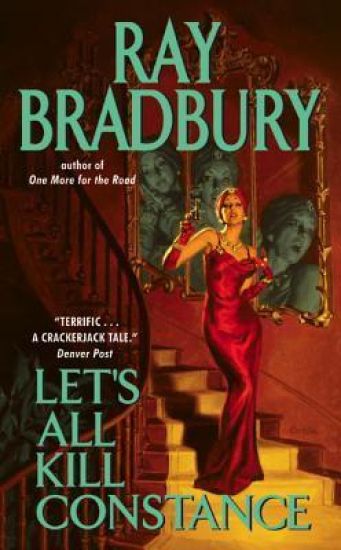
Let's All Kill Constance

Let's All Kill Constance

Ray Bradbury

William Morrow Company
2003
pokkari
The third volume in the author's noir series, set in 1950s California, follows a young screenwriter and his crafty partner, detective Elmo Crumley, as they protect an aging movie queen from a deadly enemy who is determined to put an end to both her career and her life. Reprint.
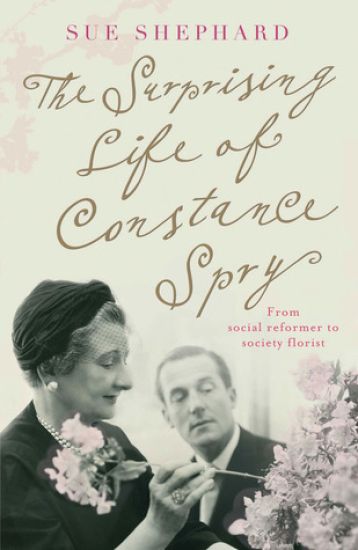
The Surprising Life of Constance Spry
Fascinating … to be eagerly devoured’ Clarissa Dickson-Wright Most people today, if they have heard of her, associate Constance Spry with the cookery book bearing her name. But Connie was much, much more than the author of a bestselling cookery book. She was deeply unconventional, extremely charming and very determined; Spry’s life took her from the back streets of Victorian Derby to running a hugely successful business as the florist of choice for the highest of high society, organizing the flowers for royal weddings and indeed for the Queen's coronation. She endured a violent first marriage, had a lesbian affair with a cross-dressing artist and was a pioneer for working women at a time when few women had careers. Sue Shephard tells her extraordinary story with insight, wit and flair. 'Riveting.’ Jane Fearnley-Whittingstall ‘Makes you fall utterly in love with its subject’ New York Times Magazine ‘Reveals with the greatest skill and sympathy an extraordinary person - complicated, driven, sometimes secretive but gifted and artistic to an nth degree. What a story.' Elizabeth Buchan
The Charters of Duchess Constance of Brittany and her Family, 1171-1221
Ducal charters illuminate politics, external relations, and the conduct of government, and also Breton society and institutions. The indispensable charter collection for the Breton lands in the complex period of the break-up of the Angevin hegemony. ENGLISH HISTORICAL REVIEW Around 1200, sovereignty over the duchy of Brittany was disputed by the Angevin kings of England and the Capetian kings of France. With few local chronicle sources concerning Brittany in this important period, ducal charters provide crucial evidence for politics, external relations, and the conduct of government. They are also an essential source for Breton society and institutions in a period of rapid change and development. Collected here for the first time are the acts of Duchess Constance (1171-1201), her mother, dowager-duchess Margaret of Scotland, Constance's three husbands, Geoffrey, son of King Henry II, Ranulf III, earl of Chester, and Guy de Thouars, and her three children, Eleanor, Arthur of Brittany, and Alice, who succeeded in 1213 toa duchy under Capetian sovereignty. The subject matter concerns not only Brittany, but also the Breton rulers' extensive lands in England, the honour of Richmond, and even the counties of Anjou, Maine and Touraine while they wereunder Arthur's rule. The charters are also of wider general significance for the light they cast on the exercise of political power by female rulers. MICHAEL JONES is Emeritus Professor of Medieval French History at theUniversity of Nottingham.
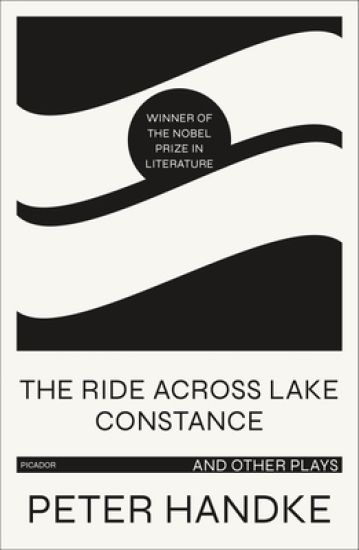
The Ride Across Lake Constance and Other Plays
A collection of six plays by Nobel Prize winner Peter Handke, spanning the early years of the Austrian playwright's career The first full-length play The Ride Across Lake Constance, is one of Handke's best-known works. It deals directly with one of Handke's favorite themes: the realities of theater itself, independent of the offstage world, and the way language (dialogue) and objects (props) operate in the skewed world of the stage. Therein it anticipates They Are Dying Out, the second full-length play in this volume. In some ways more conventional than many of Handke's plays, They Are Dying Out presents one of his most fascinating protagonists, Quitt, a businessman who first induces a group of colleagues to set up a monopoly and then torpedoes the scheme. The four short plays that round out the book--Prophecy, Calling for Help, Quodlibet, and My Foot My Tutor--were written before The Ride Across Lake Constance and show Handke moving from the experimental mode of his early work toward the richness and complexity that have marked him as the most important dramatist since Becket. Together, Handke's plays bear witness to the truth of Richard Gilman's observation that "in Handke's theater, language, exposed, assaulted, wrestled with, driven to limits, and pursued still further, begins to take on, like the color returning to the cheeks of a nearly hanged man, the signs of a strange and unexpected resurrection."