
Kirjahaku
Etsi kirjoja tekijän nimen, kirjan nimen tai ISBN:n perusteella.
1000 tulosta hakusanalla E C Sharp






Tropical Reading Books; Intended for Use in the West Indies and Elsewhere; Book II
E C Phillips
Trieste Publishing
2018
nidottu

Campaigns Against Hunger
E C Stakman; Richard Bradfield; Paul C Mangelsdorf
Harvard University Press
1967
sidottu

Bacteria, Plasmids, and Phages
E C C Lin; Richard Goldstein; Michael Syvanen
Harvard University Press
1984
sidottu
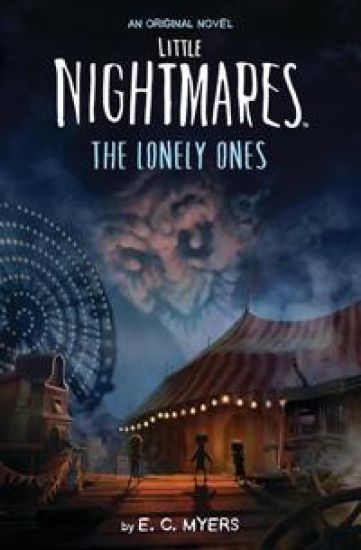
Enter the world of Little Nightmares in this never-before-told original story! Based on the hit videogame series. Ruse remembers water, darkness, and then nothing. Nothing – and then suddenly she's awake in a shaking room she doesn't recognise. She doesn't recognize these other kids either – one a small girl with a frayed rope dangling from her neck, the other a starved-looking boy wearing a tattered mask over his mouth and nose. Wherever they are, it isn't safe. Flashing colours and bizarre sounds filter through the cracks in the wood, giving way to a nightmarish carnival. Ruse knows that she needs to get out of here, but are her new companions friends, or enemies? When one wrong move can land you in the arms of monsters – and worse – Ruse will have to find a way to survive. Can she and her new companions possibly endure this frightening and twisted world? Or will they be warped forevermore by its dark influence? A spine-tingling adventure based on the hit video game Perfect for teen gamers Little Nightmares III set to hit shelves in October 2025

First published in 1944 Fell Murder sees E.C.R. Lorac at the height of her considerable powers as a purveyor of well-made, traditional and emphatic detective fiction. The book presents a fascinating `return of the prodigal’ mystery set in the later stages of the Second World War amidst the close-knit farmerfolk community of Lancashire’s lovely Lune valley. The Garths had farmed their fertile acres for generations and fine land it was with the towering hills of the Lake Country on the far horizon. Garthmere Hall itself was old before Flodden Field, and here hot-tempered Robert Garth, still hale and hearty at eighty-two, ruled his household with a rod of iron. The peaceful dales and fells of the north country provide the setting for this grim story of a murder, a setting in fact which is one of the attractive features of an unusual and distinctive tale of evil passions and murderous hate in a small rural community.
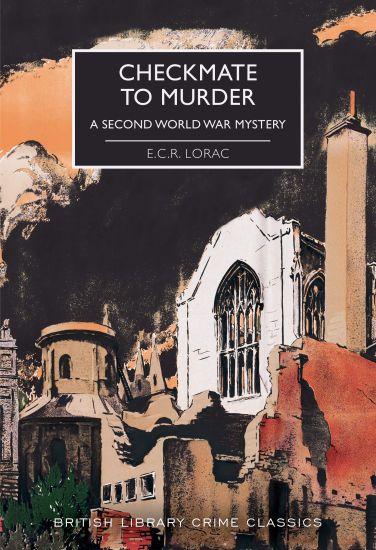
On a dismally foggy night in Hampstead, London, a curious party has gathered in an artist's studio to weather the wartime blackout. A civil servant and a government scientist are matching wits in a game of chess, while an artist paints the portrait of his characterful sitter, bedecked in Cardinal's robes at the other end of the room. In the kitchen, the artist's sister is hosting the charlady of the miser next door. When the brutal murder of said miser is discovered by his Canadian infantryman nephew, it's not long before Inspector Macdonald of Scotland Yard is at the scene, faced with perplexing alibis and with the fate of the young soldier in his hands.
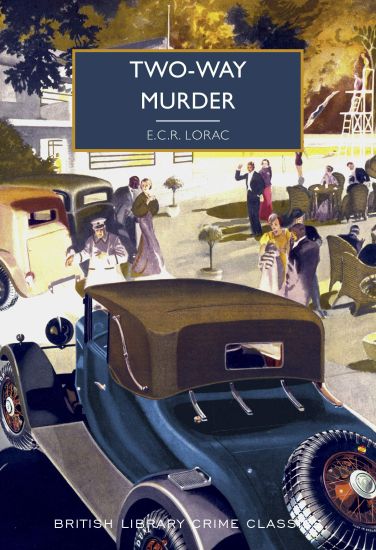
A lost novel from the golden age of crime, published for the very first time. It happened on a dark and misty night; the night of the ball at The Prince’s Hall, Fordings. Abuzz with rumours surrounding the disappearance of Rosemary Reeve on the eve of last year’s ball, the date proves ill-fated again when two homebound partygoers, Nick and Dilys, come to a swerving halt before a corpse on the road. Arriving at the scene to the news that Nick has been attacked after telephoning for the police, Inspector Turner suspects there may be more to the case than deadly accident. It’s not long before Waring of the local C.I.D. is drawn into the investigation, faced with the task of unravelling an increasingly tangled knot of misleading alibis and deep-rooted local grievances. Written in the last years of the author’s life, this previously unpublished novel is a tribute to Lorac’s enduring skill for constructing an ingenious puzzle, replete with memorable characters and gripping detective work. This edition also includes an introduction by the CWA Diamond Dagger Award-winning author Martin Edwards.
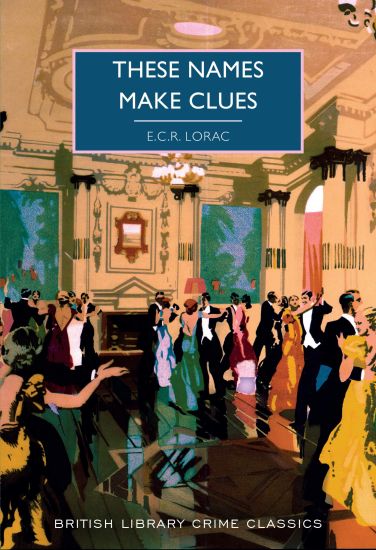
'Should detectives go to parties? Was it consistent with the dignity of the Yard? The inspector tossed for it-and went.' Chief Inspector Macdonald has been invited to a treasure hunt party at the house of Graham Coombe, the celebrated publisher of Murder by Mesmerism. Despite a handful of misgivings, the inspector joins a guestlist of novelists and thriller writers disguised on the night under literary pseudonyms. The fun comes to an abrupt end, however, when 'Samuel Pepys' is found dead in the telephone room in bizarre circumstances. Amidst the confusion of too many fake names, clues, ciphers and convoluted alibis, Macdonald and his allies in the CID must unravel a truly tangled case in this metafictional masterpiece, which returns to print for the first time since its publication in 1937.
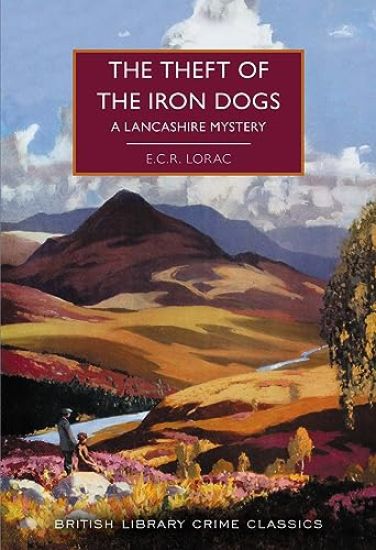
E.C.R. Lorac must be seriously considered for the position of leading writer of classic detective stories.' - Birmingham Post While hot on the heels of serial coupon-racketeer Gordon Ginner, Chief Inspector MacDonald of Scotland Yard receives word of a peculiar incident up in Lancashire - the fishing cottage of a local farmer has been broken into, with an assortment of seemingly random items missing which include a reel of salmon line, a large sack and two iron dogs (or andirons) from his fireplace. This incident becomes all the more enticing to MacDonald when a body washes up on the banks of the River Lune not far from the cottage in question; the body of Gordon Ginner. First published in 1946 and set in the fell country of Lunesdale over the course of a rainy September, The Theft of the Iron Dogs is the very picture of a cosy crime mystery and showcases Lorac's masterful attention to detail and deep affection for both Lunesdale and its residents.
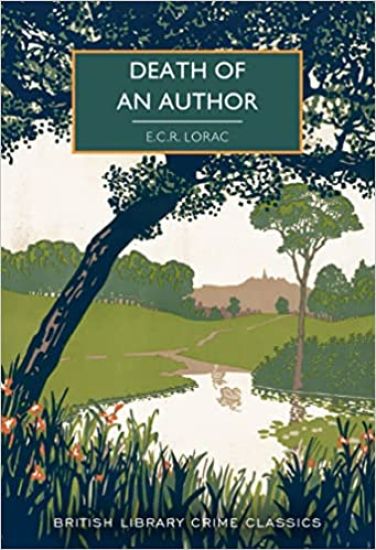
E C R Lorac spins a twisting tale full of wry humour and red herrings, poking some fun at her contemporary reviewers who long suspected the Lorac pseudonym to belong to a man (since a woman could apparently not have written mysteries the way that she did).