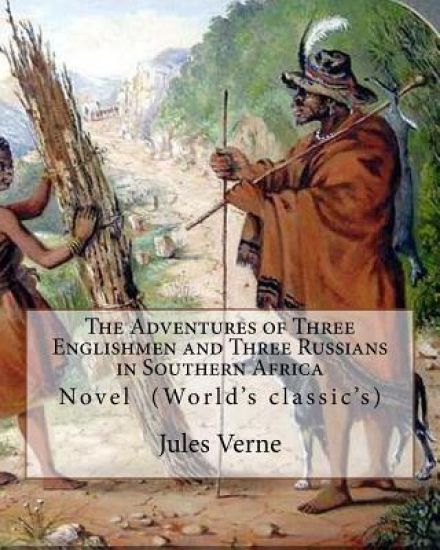
Jules Gabriel Verne ( 8 February 1828 - 24 March 1905 ) was a French novelist, poet, and playwright best known for his adventure novels and his profound influence on the literary genre of science fiction. Verne was born to bourgeois parents in the seaport of Nantes, where he was trained to follow in his father's footsteps as a lawyer, but quit the profession early in life to write for magazines and the stage. His collaboration with the publisher Pierre-Jules Hetzel led to the creation of the Voyages extraordinaires, a widely popular series of scrupulously researched adventure novels including Journey to the Center of the Earth (1864), Twenty Thousand Leagues Under the Sea (1870), and Around the World in Eighty Days (1873). Verne is generally considered a major literary author in France and most of Europe, where he has had a wide influence on the literary avant-garde and on surrealism.His reputation is markedly different in Anglophone regions, where he has often been labeled a writer of genre fiction or children's books, largely because of the highly abridged and altered translations in which his novels are often reprinted. Verne has been the second most-translated author in the world since 1979, ranking between Agatha Christie and William Shakespeare.He has sometimes been called the "Father of Science Fiction", a title that has also been given to H. G. Wells and Hugo Gernsback. Ellen Elizabeth Frewer (1848-1940)
A semi-autobiographical novel by an early feminist New Zealand author, Ellen E. Ellis. The character Wrax is a debased version of the author's husband Oliver, and Zee a weaker version of Ellen. Ellis uses this novel as a vehicle for her views about education, marriage, birth control, prohibition, religion, and female and Maori rights. All these issues are linked to her central concern, the emancipation of women, the novel pre-empting all the central early feminist arguments. Ellis' broad contention is that women need to be emancipated in order to do their 'God-given work' which is to 'bless mankind' and 'fulfil the divine plan of the universe'. She is specific as to the three areas in which emancipation is required, protesting against the spiritual and intellectual oppression of women, the legal oppression of women, and the physical oppression of women.
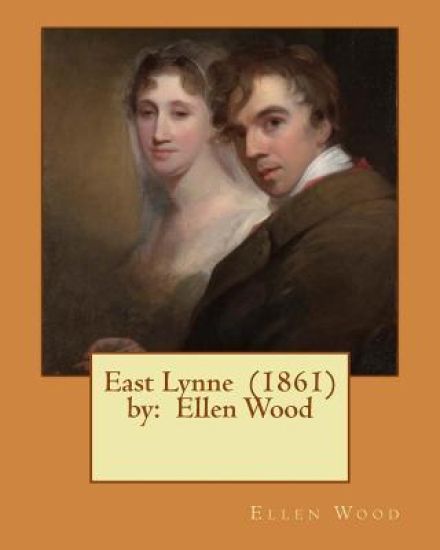
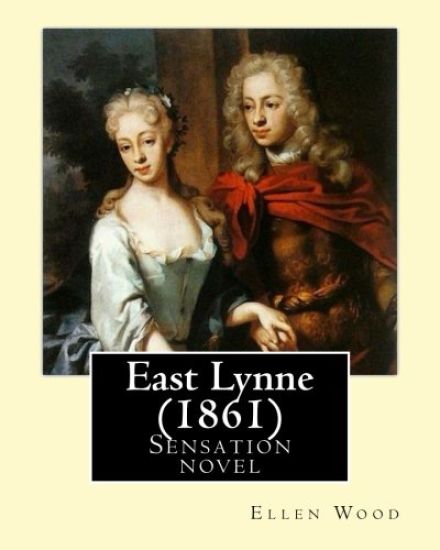
East Lynne is an English sensation novel of 1861 by Ellen Wood. A Victorian bestseller, it is remembered chiefly for its elaborate and implausible plot, centring on infidelity and double identities. There have been numerous stage and film adaptations. The much-"quoted" line "Gone And never called me mother " (variant: "Dead Dead And never called me mother ") does not appear in the book; both variants come from later stage adaptations. The book was originally serialised in The New Monthly Magazine between January 1860 and September 1861, being issued as a three-volume novel on 19 September 1861. Plot summary: Lady Isabel Carlyle, a beautiful and refined young woman, leaves her hard-working lawyer-husband, Carlyle, and her infant children to elope with an aristocratic suitor, Francis Levison, after wrongfully suspecting and becoming jealous of her husband's friendship with Barbara Hare. However once abroad with Levison she realises he has no intention of marrying her, despite her having borne their illegitimate child. He deserts her, Lady Isabel is disfigured in a train accident and the child is killed. Following this Isabel is able to take the position of governess in the household of her former husband and his new wife allowing her to be close to her children but which also becomes a source of great misery. The pressure of keeping up a fa ade and being constantly reminded that her husband has moved on eventually physically weakens her. On her deathbed she tells all to Carlyle who forgives her. Ellen Wood (n e Price; 17 January 1814 - 10 February 1887), was an English novelist, better known in that respect as Mrs. Henry Wood. She is remembered most for her 1861 novel East Lynne, but many of her books became international bestsellers and widely known in the United States. She surpassed the fame of Charles Dickens in Australia. Life: Ellen Price was born in Worcester in 1814. In 1836 she married Henry Wood, who worked in the banking and shipping trade in Dauphin in the South of France, where they lived for 20 years. On the failure of Wood's business, the family (including four children) returned to England and settled in Upper Norwood near London, where Ellen Wood turned to writing. This supported the family (Henry Wood died in 1866). She wrote over 30 novels, many of which (especially East Lynne) enjoyed remarkable popularity. Among the best known are Danesbury House, Oswald Cray, Mrs. Halliburton's Troubles, The Channings, Lord Oakburn's Daughters and The Shadow of Ashlydyat. Her writing tone would be described as "conservative and Christian,"occasionally expressing religious rhetoric. In 1867, Wood purchased the English magazine Argosy, which had been founded by Alexander Strahan in 1865. She wrote much of the magazine herself, but other contributors included Hesba Stretton, Julia Kavanagh, Christina Rossetti, Sarah Doudney and Rosa Nouchette Carey. Wood continued as its editor until her death in 1887, when her son Charles Wood took over. Wood's works were translated into many languages, including French and Russian.Leo Tolstoy, in a 9 March 1872 letter to his older brother Sergei, noted that he was "reading Mrs. Wood's wonderful novel In the Maze". Wood wrote several works of supernatural fiction, including "The Ghost" (1862) and the often anthologized "Reality or Delusion?" (1868). At her death (caused by bronchitis), her estate was valued at over 36,000, which was then a very considerable sum. She was buried in Highgate Cemetery, London. A monument to her was unveiled in Worcester Cathedral in 1916.
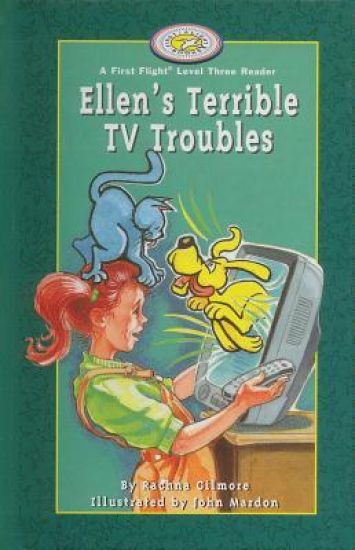
Ellen gets more than she bargained for when her television brings her favourite characters to life in her living room.Young readers will laugh at Ellen's unusual dilemma as well as her clever solution to get everyone back where they belong.
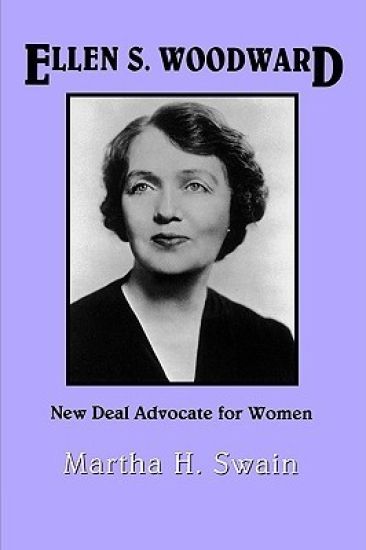
Ellen S. Woodward (1887-1971) was touted as Roosevelt's second most powerful woman appointee. Among American women only Eleanor Roosevelt and Labor Department Secretary Frances Perkins could claim more elevated roles in the circle of FDR's administration.This long overdue biography of such a remarkable leader traces Woodward's odyssey from the parlors of her Mississippi clubwomen associates to a position as director of women's work relief under three successive New Deal agencies from 1933 to 1938.Swain depicts Woodward in the vital roles she took in alleviating the working woman's plight. Particularly rich is Swain's account of Woodward's attempts to remain vital in policymaking during the Truman era, when Eleanor Roosevelt was no longer the central figure of the women's coterie.Without minimizing the limitations of the programs under Woodward's aegis, Swain gives ample attention to the operation and internal dynamics of her ambitious projects. Though some of Woodward's project proved to be disappointing, others became rich legacies for programs in later administrations.
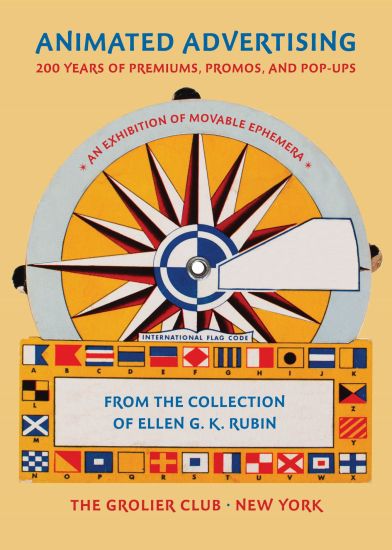
A lively look at an underexplored niche in the history of American ads: pop-ups. Drawing from Ellen G. K. Rubin’s extensive collection of more than 7,000 pop-up books and related ephemera, Animated Advertising demonstrates how animated and dimensional paper devices have been used throughout US history to promote products, art, entertainment, and ideas. The book displays the creativity of advertisers in food, fashion, tobacco, pharmaceuticals, travel, music, politics, and more. Rubin’s diverse examples of historical paper pop-ups show how they leaped from the pack of standard marketing materials to catch the eye and inform patrons and clientele about the items being sold. Illustrated with two hundred and fifty color images, and published to coincide with a Winter 2023 exhibition at the Grolier Club’s New York headquarters, Animated Advertising is a lively look at an underexplored niche in the history of American marketing, graphic design, and paper engineering.
Ellen Meiksins Wood is a leading contemporary political theorist who has been described as the founder, together with Robert Brenner, of 'Political Marxism,' a distinct version of historical materialism which has inspired a research program that spans a number of academic disciplines. Organized thematically, this Reader provides an overview of her original interpretations of capitalism, and many different topics.
"Filled with lively humor, compassion, and intimacy." —Alice Hoffman, The New York Times Book Review "When I was little I would think of ways to kill my daddy." With that opening sentence we enter the childhood world of one of the most appealing young heroines in contemporary fiction. Her courage, her humor, and her wisdom are unforgettable as she tells her own story with stunning honesty and insight. An Oprah Book Club selection, this powerful novel has become an American classic. Winner of the American Academy of Arts and Letters' Sue Kaufman Prize for First Fiction and the Ernest Hemingway Foundation's Citation for Fiction.
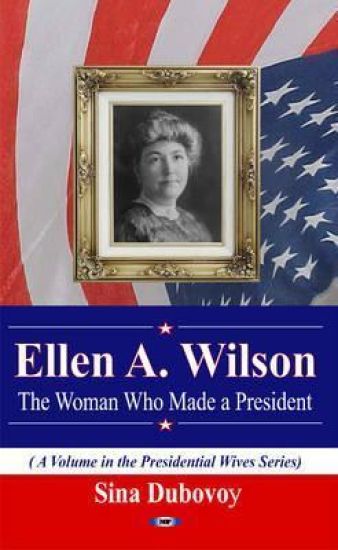
The role of Ellen Axson Wilson in shaping or making Woodrow Wilson president has never been examined. Perhaps it has just been overlooked, as Ellen herself has been. "She was a quiet, gentle, unassuming woman who avoided the limelight so successfully that she has been almost forgotten", wrote her daughter Eleanor in 1962. As Woodrow Wilson lay dying in early 1924, he turned to Eleanor and said, "I owe everything to your mother". This biography, in addition to being about Ellen, the first lady or the woman "who made Wilson president", also reveals Ellen the woman, the artist, the mother, the wife and lover of Woodrow Wilson. This important book personifies the overall character of Ellen Wilson and etches her historical figure into the mind of the reader as a person who had a significant influence on the course of the United States' history.
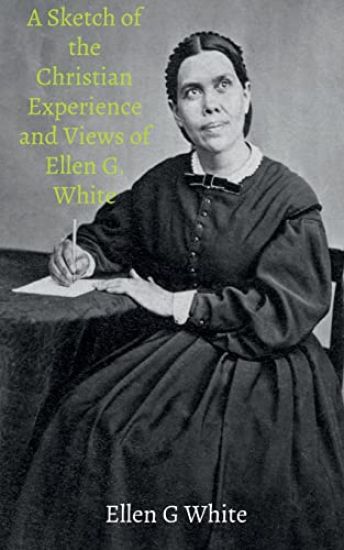
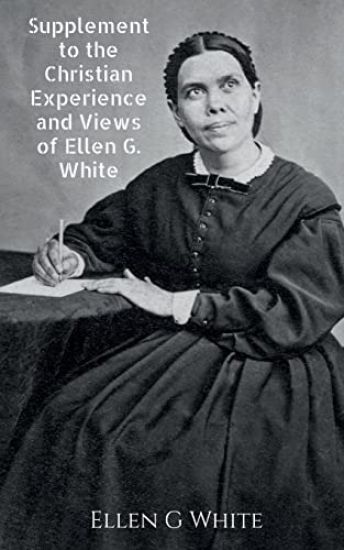
This publication presents an explanation of some misunderstood phrases in Experience and Views and certain further counsels, some of which had appeared in The Review and Herald. Reprinted in 1882 with Experience and Views and included in Early Writings.
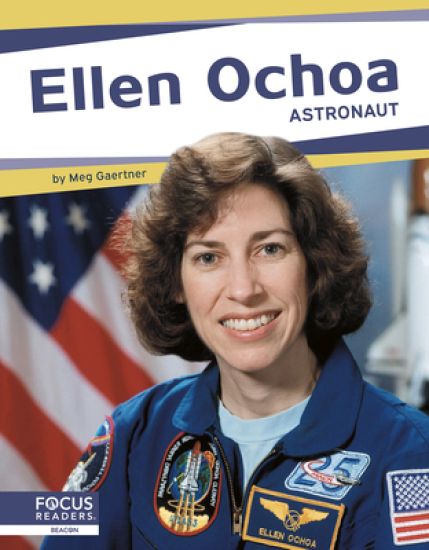
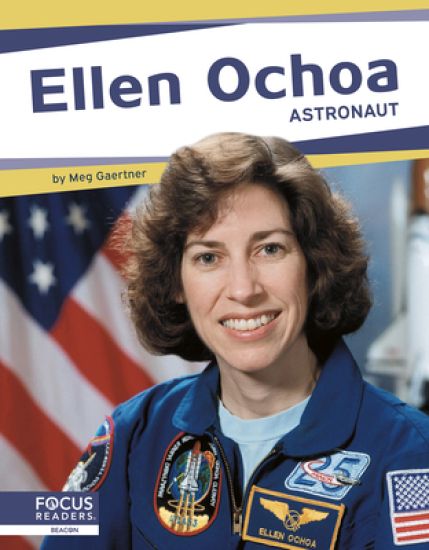
This fascinating book introduces readers to the life and work of Ellen Ochoa, an astronaut who became the first Hispanic director of the Johnson Space Center. Historic images, “Did You Know?” sidebars, and a “Topic Spotlight” special feature provide added interest and context.
This fascinating book introduces readers to the life and work of Ellen Ochoa, an astronaut who became the first Hispanic director of the Johnson Space Center. Historic images, “Did You Know?” sidebars, and a “Topic Spotlight” special feature provide added interest and context.