Felix Holt, the Radical (1866) is a social novel written by George Eliot about political disputes in a small English town at the time of the First Reform Act of 1832. In January 1868, Eliot penned an article entitled "Address to Working Men, by Felix Holt". This came on the heels of the Second Reform Act of 1867 which expanded the right to vote beyond the landed classes and was written in the character of, and signed by, Felix Holt.
Felix is a greylag. Curiosity leads him to a mysterious place near his home lake. There lives the Master of the Forest. Because the Master feels disturbed, he sends Felix to Africa by using witchery. Felix embarks on an adventurous flight home.
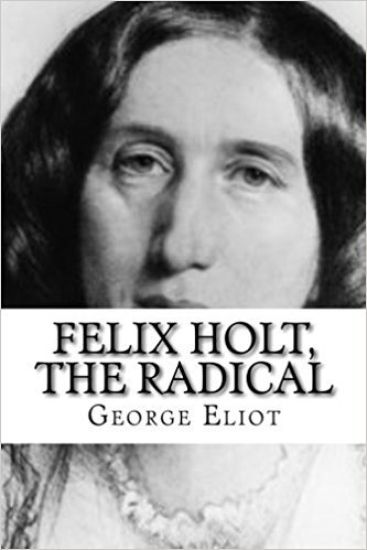
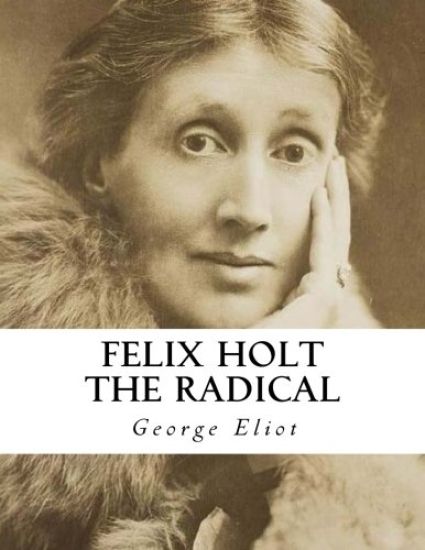
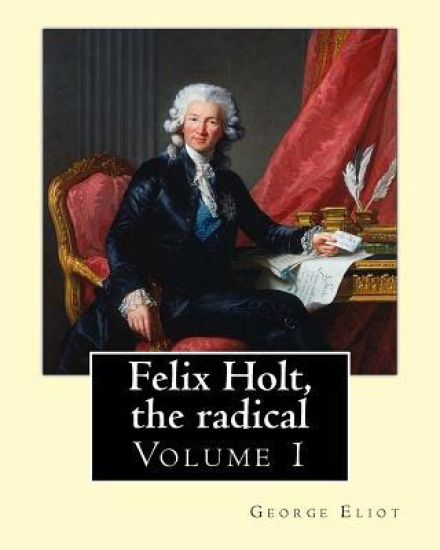
Felix Holt, the Radical (1866) is a social novel written by George Eliot about political disputes in a small English town at the time of the First Reform Act of 1832. In January 1868, Eliot penned an article entitled "Address to Working Men, by Felix Holt". This came on the heels of the Second Reform Act of 1867 which expanded the right to vote beyond the landed classes and was written in the character of, and signed by, Felix Holt.
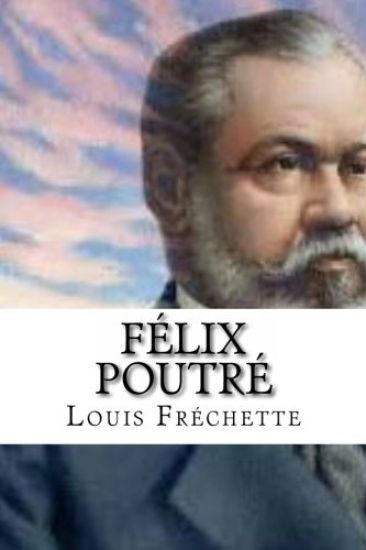
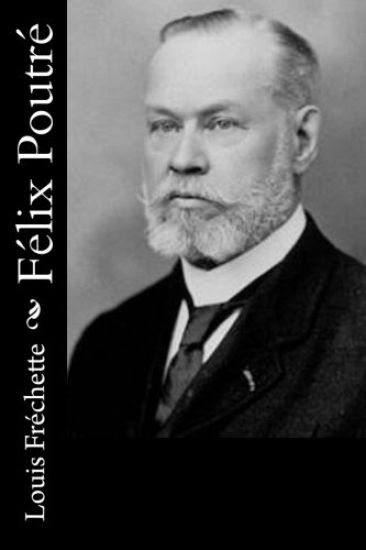
F lix Poutr n'est pas un personnage fictif. Il a pris part la R bellion. Il a m me crit ses m moires, livre qui l'a rendu c l bre et dont Louis-Honor Fr chette s'est largement inspir pour crire son drame patriotique. Selon Filion, le r dacteur de l'avant-propos, le jeune Fr chette reprend des pages enti res, ne changeant qu'un mot, une tournure, un pronom, isolant des sc nes ou en inversant d'autres, mais en respectant scrupuleusement la di g se premi re .
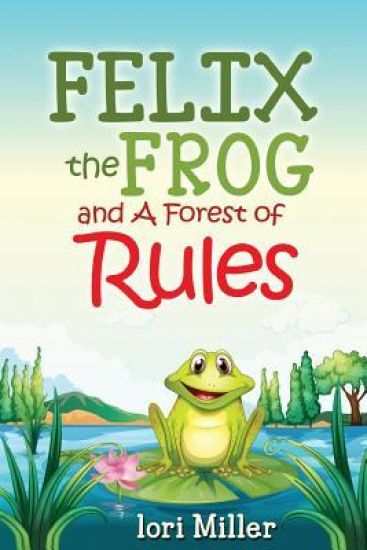
Part of the profits from the book is given to charity. Let's do good deeds together Felix the Frog and A Forest of RulesFelix is a curious little frog that lives at the edge of the pond. He is constantly getting lectured about following the rules. He thinks that all frogs are free to do as they please. One day he decides to put this thought into action. Follow Felix as he goes on an adventure that leads him to realize why there are rules in place.Why should parents share this story with their children?Rules are a part of everyday life. From the dress code at school and work to the speed limits on the highways. Teaching children that there are reasons for the rules teaches them an important life skill that they will carry with them. Children who learn that rules are not just there to restrict our fun will be more successful throughout life. They will be more prepared when they enter school and encounter an environment, not unlike the workplace, that is extremely structured.Purchase your copy today Help me spread the message of following the rules by leaving a review. Thank you for your support (c) 2016 All Rights Reserved. Tags: Books for kids, Children's fiction story, Baby Books, Kids Book, Preschool Books, Bedtime Story, Children's book about a Felix the Frog and a Forest of Rules
Felix Holt, the Radical (1866) is a social novel written by George Eliot about political disputes in a small English town at the time of the First Reform Act of 1832. In January 1868, Eliot penned an article entitled "Address to Working Men, by Felix Holt". This came on the heels of the Second Reform Act of 1867 which expanded the right to vote beyond the landed classes and was written in the character of, and signed by, Felix Holt. Plot: As the story starts, the reader is introduced to the fictitious community of Treby in the English Midlands in 1832, around the time of the First Reform Act. Harold Transome, a local landowner, has returned home after a fifteen-year trading career in the Far East. Wealthy from trade, he stands for election to Parliament from the county seat of North Loamshire. But contrary to his family's Tory traditions, he intends to stand as a Radical. This alienates him from his traditional allies and causes despair for his mother, Mrs. Transome. Harold Transome gains the support of his Tory uncle, the Rector of Little Treby, and enlists the help of his family lawyer, Matthew Jermyn, as an electioneering agent. Much of his electioneering is focused in Treby Magna. In this village resides Felix Holt, who has recently returned from extensive travels in Glasgow to live with his mother. He meets with Rev. Rufus Lyon, a Dissenting minister in Treby Magna, and his stepdaughter, Esther. Felix and Mr. Lyon become ready friends, but he appears to treat Esther with condescension. Felix and Rev. Lyon both appear aligned to the Radical cause. Harold Transome learns that Jermyn has been mismanaging the Transome estate and embezzling money for himself. Transome remains silent during the election, yet Jermyn tries to devise a plan to save himself from future prosecution. Meanwhile, Felix witnesses some electioneering for the Radical cause in the nearby mining town of Sproxton. He is upset with the 'treating' of workers with beer in exchange for their vocal support. Felix relays his concerns to Harold Transome, who chastises John Johnson for his electioneering methods. However, Jermyn convinces Transome not to interfere. Rev. Lyon learns from Maurice Christian, servant of Philip Debarry, about the possible identity of Esther's biological father. Rev. Lyon decides to tell Esther the truth about her father. Esther's outlook on life changes upon finding that she is in fact Rev. Lyon's stepdaughter. Her relationship with her stepfather deepens, while she also desires to emulate the high moral standards impressed upon her by Felix Holt. Seeing the change in Esther's character, Felix Holt begins to fall in love with her. However, both share the feeling that they are destined never to marry each other. Meanwhile, Rev. Lyon challenges Rev. Augustus Debarry to a theological debate. The debate is initially agreed to, but is cancelled at the last minute.... Frank Thayer Merrill (1848-1936). Mary Anne Evans (22 November 1819 - 22 December 1880; alternatively "Mary Ann" or "Marian"), known by her pen name George Eliot, was an English novelist, poet, journalist, translator and one of the leading writers of the Victorian era. She is the author of seven novels, including Adam Bede (1859), The Mill on the Floss (1860), Silas Marner (1861), Felix Holt, the Radical (1866), Middlemarch (1871-72), and Daniel Deronda (1876), most of which are set in provincial England and known for their realism and psychological insight. She used a male pen name, she said, to ensure that her works would be taken seriously. Female authors were published under their own names during Eliot's life, but she wanted to escape the stereotype of women writing only lighthearted romances. She also wished to have her fiction judged separately from her already extensive and widely known work as an editor and critic.
Felix Holt, the Radical (1866) is a social novel written by George Eliot about political disputes in a small English town at the time of the First Reform Act of 1832. In January 1868, Eliot penned an article entitled "Address to Working Men, by Felix Holt". This came on the heels of the Second Reform Act of 1867 which expanded the right to vote beyond the landed classes and was written in the character of, and signed by, Felix Holt. Plot: As the story starts, the reader is introduced to the fictitious community of Treby in the English Midlands in 1832, around the time of the First Reform Act. Harold Transome, a local landowner, has returned home after a fifteen-year trading career in the Far East. Wealthy from trade, he stands for election to Parliament from the county seat of North Loamshire. But contrary to his family's Tory traditions, he intends to stand as a Radical. This alienates him from his traditional allies and causes despair for his mother, Mrs. Transome. Harold Transome gains the support of his Tory uncle, the Rector of Little Treby, and enlists the help of his family lawyer, Matthew Jermyn, as an electioneering agent. Much of his electioneering is focused in Treby Magna. In this village resides Felix Holt, who has recently returned from extensive travels in Glasgow to live with his mother. He meets with Rev. Rufus Lyon, a Dissenting minister in Treby Magna, and his stepdaughter, Esther. Felix and Mr. Lyon become ready friends, but he appears to treat Esther with condescension. Felix and Rev. Lyon both appear aligned to the Radical cause. Harold Transome learns that Jermyn has been mismanaging the Transome estate and embezzling money for himself. Transome remains silent during the election, yet Jermyn tries to devise a plan to save himself from future prosecution. Meanwhile, Felix witnesses some electioneering for the Radical cause in the nearby mining town of Sproxton. He is upset with the 'treating' of workers with beer in exchange for their vocal support. Felix relays his concerns to Harold Transome, who chastises John Johnson for his electioneering methods. However, Jermyn convinces Transome not to interfere. Rev. Lyon learns from Maurice Christian, servant of Philip Debarry, about the possible identity of Esther's biological father. Rev. Lyon decides to tell Esther the truth about her father. Esther's outlook on life changes upon finding that she is in fact Rev. Lyon's stepdaughter. Her relationship with her stepfather deepens, while she also desires to emulate the high moral standards impressed upon her by Felix Holt. Seeing the change in Esther's character, Felix Holt begins to fall in love with her. However, both share the feeling that they are destined never to marry each other. Meanwhile, Rev. Lyon challenges Rev. Augustus Debarry to a theological debate. The debate is initially agreed to, but is cancelled at the last minute.... Frank Thayer Merrill (1848-1936). Mary Anne Evans (22 November 1819 - 22 December 1880; alternatively "Mary Ann" or "Marian"), known by her pen name George Eliot, was an English novelist, poet, journalist, translator and one of the leading writers of the Victorian era. She is the author of seven novels, including Adam Bede (1859), The Mill on the Floss (1860), Silas Marner (1861), Felix Holt, the Radical (1866), Middlemarch (1871-72), and Daniel Deronda (1876), most of which are set in provincial England and known for their realism and psychological insight. She used a male pen name, she said, to ensure that her works would be taken seriously. Female authors were published under their own names during Eliot's life, but she wanted to escape the stereotype of women writing only lighthearted romances. She also wished to have her fiction judged separately from her already extensive and widely known work as an editor and critic.
Felix Holt, the Radical (1866) is a social novel written by George Eliot about political disputes in a small English town at the time of the First Reform Act of 1832. In January 1868, Eliot penned an article entitled "Address to Working Men, by Felix Holt". This came on the heels of the Second Reform Act of 1867 which expanded the right to vote beyond the landed classes and was written in the character of, and signed by, Felix Holt. Plot: As the story starts, the reader is introduced to the fictitious community of Treby in the English Midlands in 1832, around the time of the First Reform Act. Harold Transome, a local landowner, has returned home after a fifteen-year trading career in the Far East. Wealthy from trade, he stands for election to Parliament from the county seat of North Loamshire. But contrary to his family's Tory traditions, he intends to stand as a Radical. This alienates him from his traditional allies and causes despair for his mother, Mrs. Transome. Harold Transome gains the support of his Tory uncle, the Rector of Little Treby, and enlists the help of his family lawyer, Matthew Jermyn, as an electioneering agent. Much of his electioneering is focused in Treby Magna. In this village resides Felix Holt, who has recently returned from extensive travels in Glasgow to live with his mother. He meets with Rev. Rufus Lyon, a Dissenting minister in Treby Magna, and his stepdaughter, Esther. Felix and Mr. Lyon become ready friends, but he appears to treat Esther with condescension. Felix and Rev. Lyon both appear aligned to the Radical cause. Harold Transome learns that Jermyn has been mismanaging the Transome estate and embezzling money for himself. Transome remains silent during the election, yet Jermyn tries to devise a plan to save himself from future prosecution. Meanwhile, Felix witnesses some electioneering for the Radical cause in the nearby mining town of Sproxton. He is upset with the 'treating' of workers with beer in exchange for their vocal support. Felix relays his concerns to Harold Transome, who chastises John Johnson for his electioneering methods. However, Jermyn convinces Transome not to interfere. Rev. Lyon learns from Maurice Christian, servant of Philip Debarry, about the possible identity of Esther's biological father. Rev. Lyon decides to tell Esther the truth about her father. Esther's outlook on life changes upon finding that she is in fact Rev. Lyon's stepdaughter. Her relationship with her stepfather deepens, while she also desires to emulate the high moral standards impressed upon her by Felix Holt. Seeing the change in Esther's character, Felix Holt begins to fall in love with her. However, both share the feeling that they are destined never to marry each other. Meanwhile, Rev. Lyon challenges Rev. Augustus Debarry to a theological debate. The debate is initially agreed to, but is cancelled at the last minute.... Frank Thayer Merrill (1848-1936). Mary Anne Evans (22 November 1819 - 22 December 1880; alternatively "Mary Ann" or "Marian"), known by her pen name George Eliot, was an English novelist, poet, journalist, translator and one of the leading writers of the Victorian era. She is the author of seven novels, including Adam Bede (1859), The Mill on the Floss (1860), Silas Marner (1861), Felix Holt, the Radical (1866), Middlemarch (1871-72), and Daniel Deronda (1876), most of which are set in provincial England and known for their realism and psychological insight. She used a male pen name, she said, to ensure that her works would be taken seriously. Female authors were published under their own names during Eliot's life, but she wanted to escape the stereotype of women writing only lighthearted romances. She also wished to have her fiction judged separately from her already extensive and widely known work as an editor and critic.