I was a bland, sunny morning of a medi val May, -an old-style May of the most typical quality; and the Council of the little town of St. Radegonde were assembled, as was their wont at that hour, in the picturesque upper chamber of the H tel de Ville, for the dispatch of the usual municipal business. Though the date was early sixteenth century, the members of this particular town-council possessed considerable resemblance to those of similar assemblies in the seventeenth, eighteenth, and even the nineteenth centuries, in a general absence of any characteristic at all-unless a pervading hopeless insignificance can be considered as such.
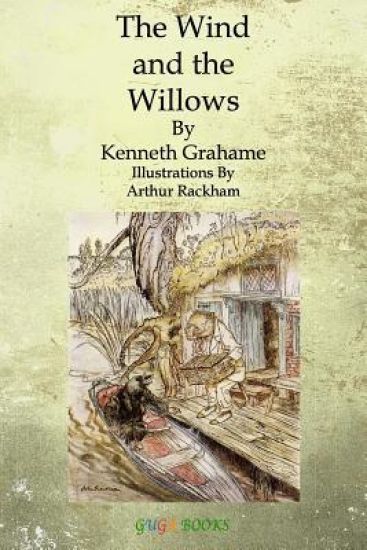
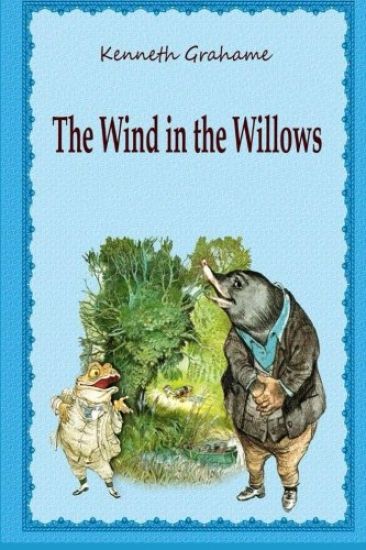
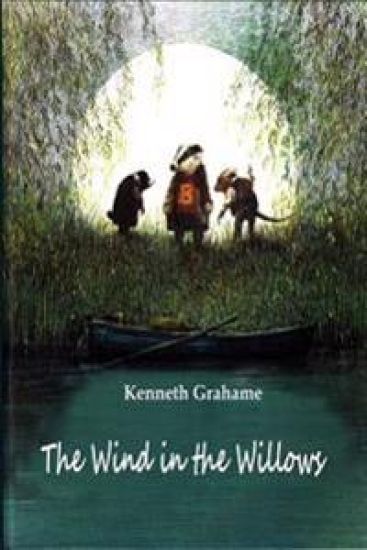
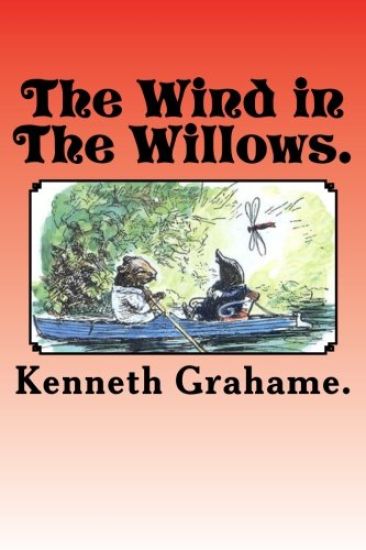
Follow Toad, Rat, Badger, Mole, and their many friends as they are simply messing about in boats. And join them as they have one adventure after another. Rich, compelling, and exciting, there's something here for the entire family. Among its many awards and accolades The Wind in the Willow was voted into the top 100 best children's book of the century. This masterfully written book is simply a delight. Lavishly illustrated by award winning artist Megan Elder-Taylor.
The Wind In the Willows is a children's novel/fable by Kenneth Grahame, first published in 1908. Notable for its mixture of mysticism, adventure, morality, and camaraderie and celebrated for its evocation of the nature of the Thames valley. Grahame took inspiration when he spent his time by the River Thames doing much as the animal characters in his book do
The Wind in the Willows is a children's novel by Kenneth Grahame, first published in 1908. Alternately slow moving and fast paced, it focuses on four anthropomorphised animals in a pastoral version of England. The novel is notable for its mixture of mysticism, adventure, morality, and camaraderie and celebrated for its evocation of the nature of the Thames valley.
CLASSICS IN LARGE PRINT Do you love reading and re-reading the most popular stories ever written? But are they hard to read because of your being visually impaired or fading eyesight? You
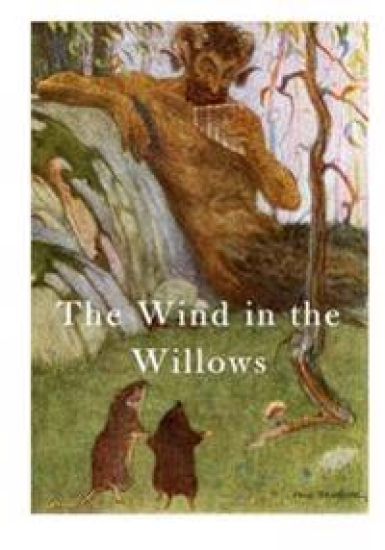
The Wind in the WillowsTales from the RiverbankKenneth GrahameIllustrated by Paul BransomThe Wind in the Willows is a children's novel by Kenneth Grahame, first published in 1908. Alternately slow moving and fast paced, it focuses on four anthropomorphised animals in a pastoral version of England. The novel is notable for its mixture of mysticism, adventure, morality, and camaraderie and celebrated for its evocation of the nature of the Thames valley.In 1908, Grahame retired from his position as secretary of the Bank of England. He moved back to Cookham, Berkshire, where he had been brought up and spent his time by the River Thames doing much as the animal characters in his book do--namely, as one of the phrases from the book says, "simply messing about in boats"--and wrote down the bed-time stories he had been telling his son Alistair.In 1909, Theodore Roosevelt, then President of the United States, wrote to Grahame to tell him that he had "read it and reread it, and have come to accept the characters as old friends". The novel was in its thirty-first printing when playwright A. A. Milne adapted a part of it for the stage as Toad of Toad Hall in 1929. In 2003, The Wind in the Willows was listed at number 16 on the BBC's survey The Big Read.