

Kirjahaku
Etsi kirjoja tekijän nimen, kirjan nimen tai ISBN:n perusteella.
237 tulosta hakusanalla Maribeth Boelts

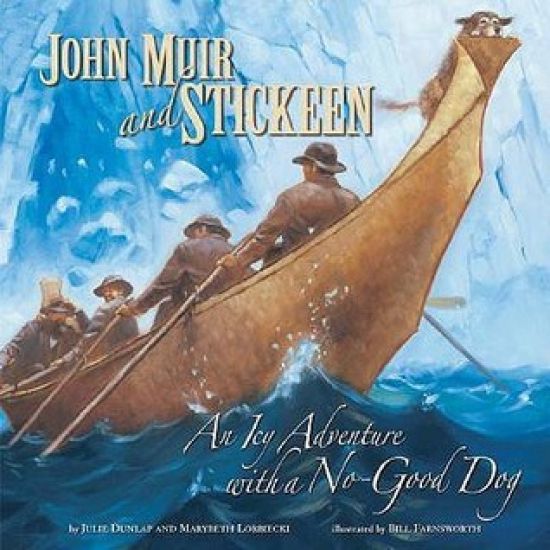
Muir is best known for his work to establish and conserve America's national parks, but he was also a farmer, inventor, explorer and writer. Muir loved all things wild, and felt that tame animals and livestock had lost their wildness, and therefore much of their intelligence and spirit. On an expedition to Alaska, a friend's dog changed Muir's mind. John Muir and Stickeen tells the thrilling adventure of how Muir set off to explore a glacier one day, with the unwelcome accompaniment of Stickeen, and ran into a storm. What happened on that terrifying day made Muir see domestic animals in a new light.

A guide to folk herbal healing and reconnecting with ancestral traditions• Details the healing techniques and folk wisdom the author learned from her Italian grandparents and from healers in Southern Italy, including plant preparation methods, medicines, rituals, recipes, kitchen magic, and protective magic• Provides a materia medica of plants important in this tradition, sharing each plant’s history, mythology, and both practical and magical uses• Reveals how working with traditional plant medicines can help us connect to and revitalize our own ancestral traditions for deep inner healingBuilding upon the in-depth folk wisdom she learned from her immigrant grandparents as well as from local healers in Southern Italy, second-generation Italian-American and experienced herbalist Lisa Fazio shares herbal traditions and practices from the Italian diaspora and reveals how working with traditional plant medicines can help us connect to ancestral traditions for deep inner healing.She explains how the herbal healing practices of her Italian ancestors were simply a part of everyday life, what they called Benedicaria, which literally means “the Blessing Way” but is more often translated as “the things we do.” Examining how plants are not only food and medicine but a vital yet invisible part of traditional communities, she details the techniques of Benedicaria, folk Catholicism, and the animistic traditions of her ancestors, including plant dialects, preparation methods, rituals, and recipes, as well as provides a materia medica. Discussing the relationship between Italian folk medicine and Italian witchcraft, she explores kitchen magic and protective magic, including practices for warding off the adverse effects of the evil eye.Sharing valuable and nearly forgotten teachings from the Southern Italian herbal tradition, the author also shows how her journey to reconnect with her family’s healing practices offers guidance for anyone seeking to reconnect with their ancestors.
Telling Tales is a distillation of twenty years' worth of forays reflecting on popular culture through the lens of faith and reason, literature and philosophy. Recurring and integrating motifs running through the volume include the character of God and the nature and value of people, winsomely explored with a light touch. Canvassing pop culture artifacts as diverse as Harry Potter and Firefly, these reflections challenge readers to look closer and attend to inchoate echoes of the sacred in the otherwise familiar.
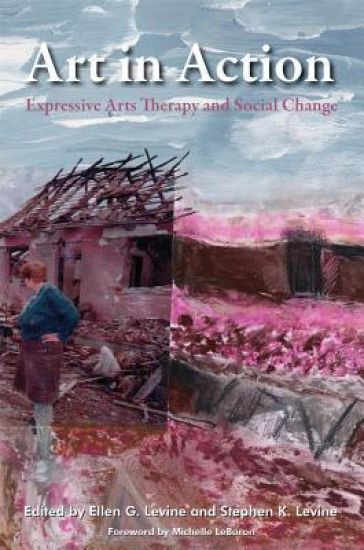
The field of expressive arts is closely tied to the work of therapeutic change. As well as being beneficial for the individual or small group, expressive arts therapy has the potential for a much wider impact, to inspire social action and bring about social change.The book's contributors explore the transformative power of the arts therapies in areas stricken by conflict, political unrest, poverty or natural disaster and discuss how and why expressive arts works. They look at the ways it can be used to engage community consciousness and improve social conditions whilst taking into account the issues that arise within different contexts and populations. Leading expressive arts therapy practitioners give inspiring accounts of their work, from using poetry as a tool in trauma intervention with Iraqi survivors of war and torture, to setting up storytelling workshops to aid the integration of Ethiopian Jewish immigrants in Israel.Offering visionary perspectives on the role of the arts in inspiring change at the community or social level, this is essential reading for students and practitioners of creative and expressive arts therapies, as well as psychotherapists, counsellors, artists and others working to effect social change.
In 2008, Amy Curran Baker was diagnosed with Invasive Ductal Carcinoma and opted for bilateral mastectomy with direct to implant reconstruction. Within three weeks of being diagnosed she had a mastectomy and was on the road to recovery. But after the surgery she had a lot of questions, the same that most women will have. As an Occupational Therapist, she knew some of the answers from her own clinical training and experience. But many more came from speaking with other women who had undergone mastectomies, from researching message boards and a little bit of luck.Now she and her co-authors have brought together the answers to the questions that women face in chapters that cover everything from how to prepare for going to the hospital to when you come home. Amy and her co-authors answer:Why am I so tired all the time?What about these drains?Should I worry about Lymphedema?Implants or flap procedure?And more Although everyone's experience is slightly different depending upon one's individual choice: mastectomy alone or mastectomy with reconstruction; the majority of the information applies to all women who had a mastectomy.Amy and her co-authors include chapters on key issues all women face including wound management, scar massage, dressing and bathing, emotional recovery and more. And although mastectomy is frightening, the authors make clear that today's procedure is not what it used to be.Now What? is the first resource to provide all the information that women need after mastectomy and breast reconstruction surgery so that they can focus on what matters most: healing and staying well.
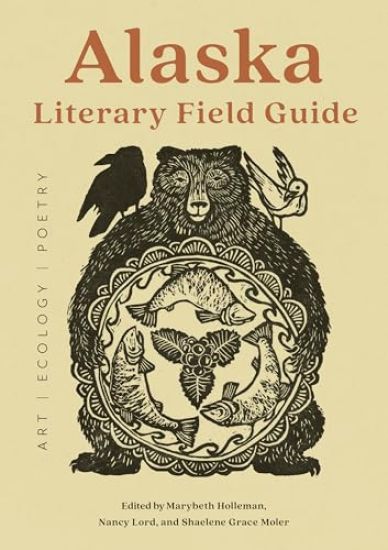
Alaska Literary Field Guide: Art, Ecology, Poetry
Nancy Lord; Marybeth Holleman; Shaelene Moler
Skipstone Press
2026
nidottu
Highlights more than 90 species of flora and fauna from a variety of ecosystems Includes writings and original artwork in a wide range of styles from diverse Alaskan voices and artists Every entry features an informative, science-based natural history, including traditional knowledge Alaska Literary Field Guide is a vibrant and immersive celebration of Alaska's wild beauty, blending science, storytelling, and stunning artwork. This unique anthology brings together a diverse range of the state's most respected contemporary poets and writers--including Kim Heacox, Seth Kantner, dg nanouk okpik, Heather Lende, and Frank Soos--alongside original, full-color artwork from 19 Alaskan visual artists such as Alvin Amason, Ray Troll, Sara Tabbert, and rising talents like Valisa Higman and Crystal Jackson. More than 90 species and natural elements--from grizzly bears and glaciers to lichens, loons, and the aurora borealis--are brought to life through poetic reflections, vivid prose, and detailed scientific natural histories. Each "Being" is paired with a piece of writing and illustration that captures its essence, while also offering cultural knowledge, ecological context, and insight into population health and environmental threats. Organized by ecosystem, Alaska Literary Field Guide is both an artistic tribute and an educational invitation to connect with the land, water, wildlife, and spirit of the Last Frontier. It's a field guide like no other--both a reference and a work of art.

Dutch New York, between East and West
Deborah L. Krohn; Marybeth De Filippis; Peter N. Miller
Yale University Press
2009
sidottu
Commemorating the 400th anniversary of Henry Hudson’s voyage and the lasting legacy of Dutch culture in New York, this book explores the life and times of a fascinating woman, her family, and her things. Margrieta was born in the Netherlands but lived at the extremes of the Dutch colonial world, in Malacca on the Malay Peninsula and in Flatbush, Brooklyn. When she came to New York in 1686 with her husband and set up a shop, she brought an astonishing array of Eastern goods, many of which were documented in an inventory made after her death in 1695. Extensive archival research has enabled a collaborative team to reconstruct her story and establish the depth of her connection to Dutch trading establishments in Asia. This is a groundbreaking contribution to the histories of New York City, the Dutch overseas empire, women, and material culture. Exhibition Schedule:Bard Graduate Center, New York, 9/17/09 – 1/3/10)
This handbook provides both a conceptual and practical framework for diagnosing, treating, and assessing post-traumatic stress in survivors of violence, abuse, war, ethnocultural problems, political torture, and disaster. The in-depth clinical experience of Williams and Sommer helps define a variety of theories and methods for treating children, adults, families, and other groups with various types of post-tramautic stress disorders. They point to specific new kinds of therapies and types of interventions, and discuss new developments and trends for the treatment of post-traumatic stress. This reference volume, with its lengthy bibliography, is designed for students, teachers, and practitioners in the fields of psychology and psychiatry, social work, medicine, and public health.
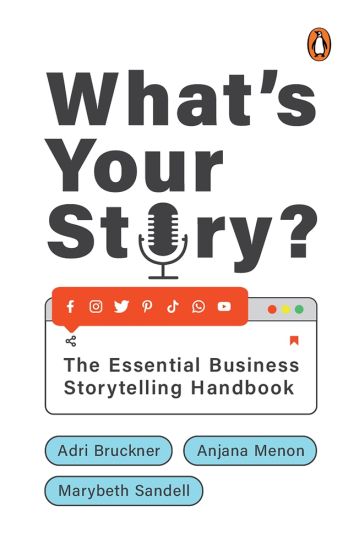
What's Your Story?
Adri Bruckner; Anjana Menon; Marybeth Sandell
Penguin Random House India
2021
sidottu
Are you trying to build your profile as a leader? Are you using social media to your advantage? Is your communication jargon-free? When do you choose to produce a video or a podcast? Does your message come through loud and clear? What's the future of storytelling, and are you prepared for it? In a world where people send 500 million tweets a day and upload hundreds of hours of video every minute, how do you get your message across? The secret is to become a good storyteller. With easy-to-follow, effective tools and tips, this book will help you cut through the clutter and plan your communication goals, channels and delivery. Everyone loves a good story, but only a few can tell it well. Be authentic, be authoritative and be heard!
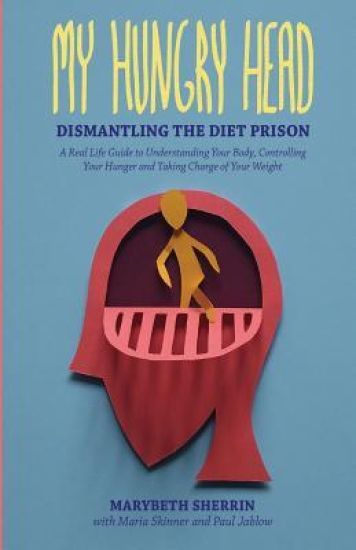
My Hungry Head: Dismantling the Diet Prison: A Real Life Guide to Understanding Your Body, Controlling Your Hunger and Taking Charge of Your Weight
Paul Jablow; Maria Skinner; Marybeth Sherrin
My Hungry Head
2016
nidottu
We are constantly bombarded by signals telling us to eat. Some were wired into our bodies thousand of years ago. Some jump out at us from the TV screen or the supermarket shelf. But over time, we can all learn to sort out these signals and reach and maintain a healthy weight. This method works because it deals with causes, not with symptoms. It explores reasons why we overeat because there's really no "we". Everyone is different, which is precisely why "off-the-rack" diets rarely work. There is no magic bullet. But there is a way, with time and patience, that we can each get to our own version of happy, healthy and free.
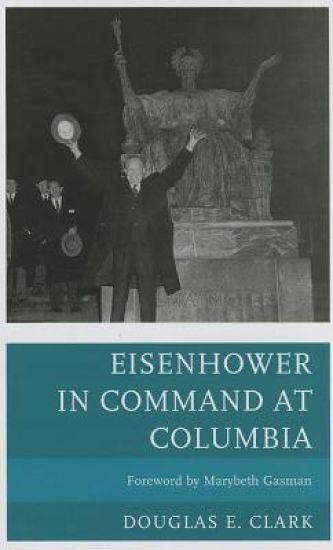
Dwight D. Eisenhower’s presidency of Columbia University (1948-1953) is among the least written about periods of his career. It is all but dismissed by historians as a mere interlude between his service as World War II’s most celebrated general and his two terms as president of the United States. His Columbia tenure was marked by extended absences from campus and ongoing political speculation regarding a run for the White House in 1952. Eisenhower in Command at Columbia disputes the conventional wisdom that Eisenhower’s Columbia presidency was unsuccessful. In fact, under his leadership, Columbia moved forward in several important areas. Eisenhower’s tenure at Columbia was, nevertheless, difficult at times. His lack of both academic experience and a full understanding of academic culture diminished his capacity to lead and damaged his credibility with faculty. While the book brings historical perspective to Eisenhower’s presidency of Columbia, its primary purpose is to analyze Eisenhower’s tenure in the context of higher education leadership. His experience at Columbia is relevant today because it demonstrates the importance of understanding institutional culture when leading a college or university. His selection as the university’s president reveals flaws in the process that still plague boards today in what is arguably their most important job —selecting an institution’s leader. This book will appeal to scholars in higher education, history, and university administration, among others.
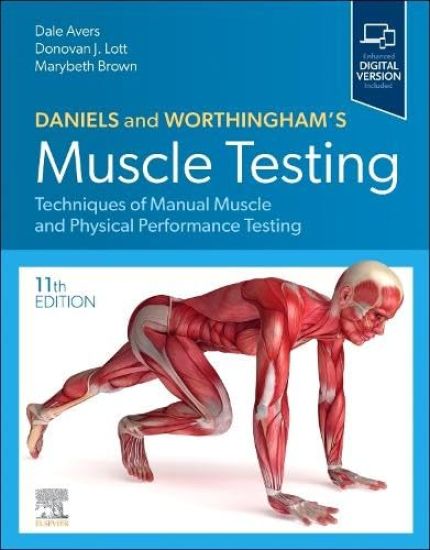
Daniels and Worthingham's Muscle Testing
Dale Avers; Donovan J. Lott; Marybeth Brown
Elsevier - Health Sciences Division
2024
sidottu
Daniels and Worthingham's Muscle Testing, 11th Edition offers the clear information needed to master procedures and enhance clinical decision making in manual muscle testing and performance testing. Comprehensive discussion of the value of strength testing with clear, illustrated instructions provide a detailed guide to patient positioning, clinician instructions, and application of skill. In addition to updated muscle testing of normal individuals and others with weakness or paralysis, this edition includes updated information on alternative strength and performance tests for all adult populations. Updated comprehensive coverage for muscle dynamometry and ideal exercises enhances this texts' relevance for today's clinician. An eBook version included with print purchase provides access to all the text, figures, and references, with the ability to search, customize content, make notes and highlights, and have content read aloud. Drawings and arrows, along with clear written directions, make it easy to understand and perform muscle testing procedures to assess deficits in strength, balance, and range of motion. More than 500 illustrations clearly show testing sequences, muscle anatomy, and muscle innervation. Content on the muscle dynamometer and muscle dynamometry data introduces you to muscle dynamometry, including muscle dynamometer methods and results with each muscle. Ideal exercises for selected muscles thoroughly explain procedures based on the literature. Chapter on functional performance testing covers functional strength testing in older adults and those with functional decline, and testing muscle performance in various clinical settings. Chapter on strength testing for active populations includes a variety of tests appropriate for many settings with reference data for comparison. Chapters on manual muscle testing address how to enhance the reliability and validity of manual muscle testing and other practical considerations of manual muscle testing. Details of muscle anatomy and innervation help in linking muscle topography with function. Clinical Relevance and Substitutions boxes provide additional tips and highlight muscle substitutions that may occur during a test to ensure greater accuracy. A constant reference number clearly identifies each muscle in the body, indexed in the Alphabetical List of Muscles by Region as well as in the Ready Reference Anatomy chapter in the eBook included with print purchase, to speed cross-referencing and help you quickly identify any muscle. Updated content throughout provides the most current information needed to be an effective practitioner. Updated references ensure content is current and applicable for today's practice. NEW! eBook version included with print purchase provides access to all the text, figures, and references, with the ability to search, customize content, make notes and highlights, and have content read aloud. Plus, the eBook includes video clips and bonus Ready Reference Anatomy and Assessment of Muscles Innervated by Cranial Nerves content.

Geothermal Energy
Louis Theodore; R. Ryan Dupont; Walter Matystik; Marybeth Reynolds
TAYLOR FRANCIS LTD
2027
sidottu
Geothermal Energy: Engineering Fundamentals, Principles, and Applications is a much-needed book that offers a timely, practical, and comprehensive treatment of geothermal energy from the perspective of engineers and applied scientists. Bridging the gap between academic theory and real-world application, the book serves as a technology-transfer tool, providing essential technical information, design methodologies, and illustrative examples for students and professionals alike. Covering topics from basic thermodynamic principles to advanced geothermal applications and environmental considerations, the book is structured to support both learning and on-the-job training. Current and relevant, with an emphasis on pragmatic, calculation-based content and a clear, accessible style, this resource is an indispensable guide for anyone involved in the evolving field of geothermal energy or other sustainable energy systems. Coverage includes: A comprehensive coverage of geothermal fundamentals and principles. A review of environmental/economic considerations associated with the various geothermal energy technologies. A practical, engineer-focused approach with real-world applications, design methods, and calculation tools. A review of legal and regulatory concerns. An examination of AI’s potential role in the future of this technology. A review of potential investment opportunities in the geothermal field. Illustrative examples and predictive algorithms to support system design and analysis.