Kirjojen hintavertailu. Mukana 12 535 147 kirjaa ja 12 kauppaa.

Kirjahaku

Etsi kirjoja tekijän nimen, kirjan nimen tai ISBN:n perusteella.

1000 tulosta hakusanalla Maurice

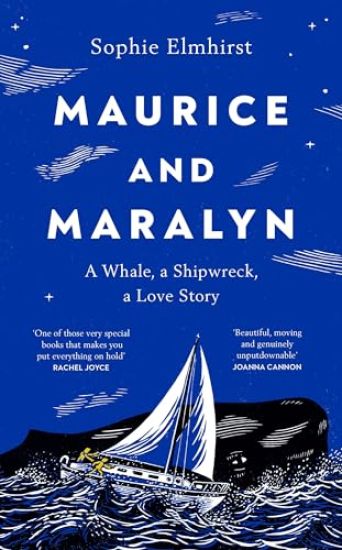
Maurice and Maralyn

Maurice and Maralyn

Sophie Elmhirst

Vintage Publishing
2024
sidottu
**WINNER OF THE NERO BOOK AWARDS NON-FICTION AWARD 2024****A Guardian, Observer, Economist & Waterstones Best Book of 2024**** A Financial Times BEST SUMMER READ**'One of those very special books that makes you put everything on hold so you can get back to it' RACHEL JOYCEWhat begins as an eccentric English love story turns into one of the most dramatic adventures ever recorded...Maurice and Maralyn couldn't be more different. He is as cautious and awkward as she is charismatic and forceful. It seems an unlikely romance, but it works.Bored of 1970s suburban life, Maralyn has an idea: sell the house, build a boat, leave England -- and its oil crisis, industrial strikes and inflation -- forever. It is hard work, turning dreams into reality, but finally they set sail for New Zealand. Then, halfway there, their beloved boat is struck by a whale and the pair are cast adrift in the middle of the Pacific Ocean.On their tiny raft, their love is put to the test. When Maurice begins to withdraw into himself, it falls upon Maralyn to keep them both alive. Filled with danger, spirit, and tenderness, this is a book about human connection and the human condition; about how we survive -- not just at sea, but in life.'Extraordinary . . . Elmhirst is a terrific writer' ELIZABETH DAY**READERS ADORE MAURICE & MARALYN**‘A riveting tale of survival . . . and of the power of love when all appears lost’‘A mind-blowing story of resilience and love in the face of adversity’‘The very best kind of true story, and beautifully written’‘I couldn’t put this book down’‘I was absolutely hooked from the outset’
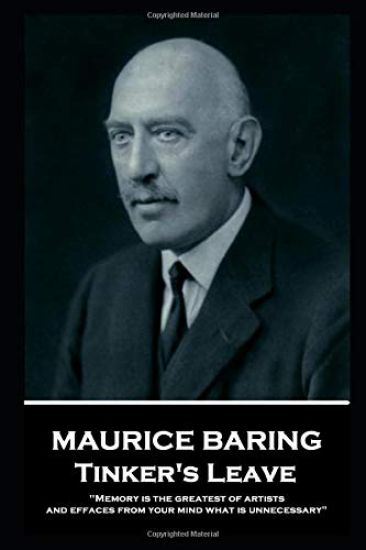
Maurice Baring - Tinker's Leave: 'Memory is the greatest of artists, and effaces from your mind what is unnecessary''
Maurice Baring OBE was born on 27th April 1874 in Mayfair, London. He was the fifth son of eight children to Edward Charles Baring, first Baron Revelstoke, of the Baring banking family, and his wife Louisa Emily Charlotte Bulteel. After the obligatory years at Eton College he went to Trinity College, Cambridge. His early career in the diplomatic service was cut short but it gave him a thirst for travel and he did so widely, particularly in Russia. During the Russo-Japanese war of 1904/5 he reported as an eye-witness for the London Morning Post. In 1909 Baring, who thought of himself as agnostic, converted to Roman Catholicism. A decision which he stated was "the only action in my life which I am quite certain I have never regretted." When the horror of World War I enveloped Europe in 1914 he enlisted with the Royal Flying Corps, and served as an assistant to David Henderson and Hugh Trenchard (the two responsible for establishing the RFC) on the Western Front in France. In 1918, Baring served as a staff officer in the Royal Air Force and was appointed Officer of the Order of the British Empire in the 1918 Birthday Honours List. With the end of the war came his development as a writer. Before the war his works had mainly centrered on journalism, short stories and poetry. Now Baring began to write novels. In 1925 he gained an honorary commission as a wing commander in the Reserve of Air Force Officers. After his death, Trenchard was to write, "He was the most unselfish man I have ever met or am likely to meet. The Flying Corps owed to this man much more than they know or think." The last decades of his life proved to be a descent into chronic health problems. For the final 15 years of his life he was debilitated by the increasing onset of Parkinson's Disease. He was widely known socially, and especially frequented with some of the Cambridge Apostles (an intellectual society at the University founded in 1820), The Coterie (a fashionable group of aristocrats and intellectuals of the 1910s). Baring was staunch in his anti-intellectualism with respect to the arts, and often displayed a lighter side with his pranks on others. "By all accounts, the real Baring was a charming, affable gentleman who knew how to laugh and had no fear of making a fool of himself." Maurice Baring, dramatist, poet, novelist, translator, essayist, travel writer and war correspondent, died at Beaufort Castle on 14th December 1945 at the age of 71.
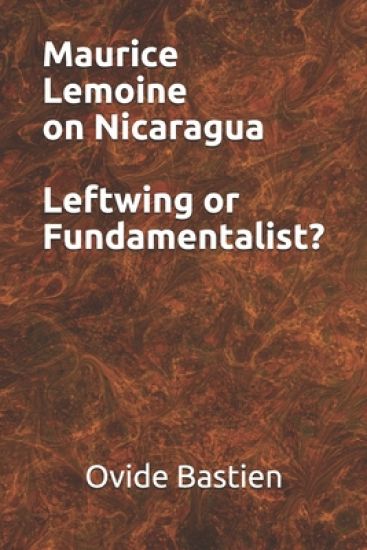
Maurice Lemoine on Nicaragua Leftwing or Fundamentalist?
The Nicaraguan popular uprising of April 2018 against Daniel Ortega, and his wife and vice president Rosario Murillo, left more than 325 dead, 2000 wounded, 600 political prisoners and 60,000 refugees. Though the brutal government crackdown of mid-July successfully dismantled the hundreds of street barricades protestors had built in cities, government control is based solely on fear and repression, as well as propaganda in media ever more monopolized by the Ortega family itself.Maurice Lemoine, former editor-in-chief of the Monde Diplomatique, nevertheless continues supporting Ortega. Like many other leftists, he claims that Ortega was victim of a coup attempt, a fact totally ignored by mainstream media which has long abandoned criteria of professional journalism. Ovide Bastien, who visited Nicaragua annually in the last 23 years - from 1995 to 2011 accompanying students, and from 2012 to 2018 collaborating in development projects - argues that Lemoine, by prioritizing the prism - rise of the Latin American right supported by the United States - while ignoring the recent history of Nicaragua, commits the very sin he says mainstream media falls into: not respecting basic criteria of professional journalism. His analysis reflects fundamentalism and contempt for the immense suffering of the Nicaraguan people.
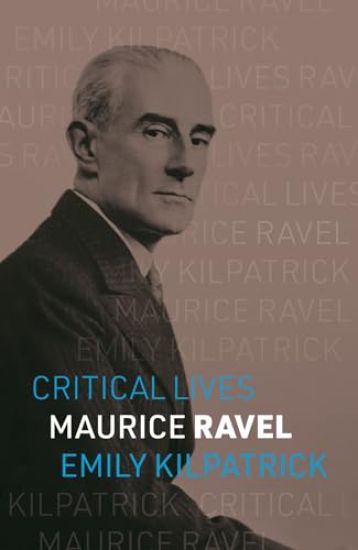
Maurice Ravel

Maurice Ravel

Emily Kilpatrick

REAKTION BOOKS
2025
nidottu
Maurice Ravel is one of the twentieth century’s most intriguing and contradictory composers. This timely new biography – published for the 150th anniversary of his birth – describes Ravel’s journey from Parisian apprentice to global musical icon. Drawing on fresh research, Emily Kilpatrick reveals Ravel as both a daring provocateur and a reflective elder, his lifelong quest for originality driven by his deep love of history and literature. Set against a background of profound cultural and political upheaval, Ravel’s story unfolds through his battles with the artistic establishment, his creative resilience after wartime losses and the tragic incapacitation of his final years. The result is an intimate portrait of a composer whose music continues to enchant and challenge audiences worldwide.
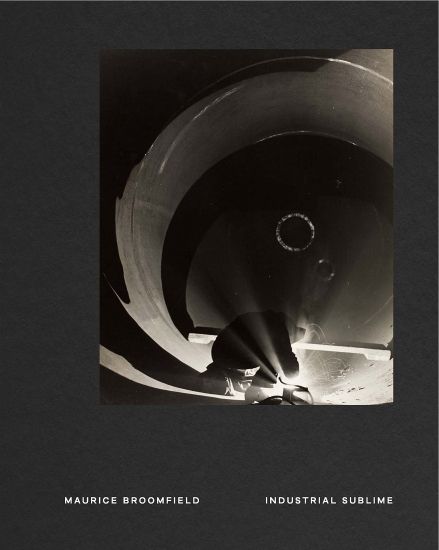
Maurice Broomfield

Maurice Broomfield

Nick Broomfield

V A Publications
2021
sidottu
Maurice Broomfield (1916-2010) was a humanist photographer of the heroic and sublime - and sometimes surreal - qualities of industry and manufacture. His work spans the rise of post war industrial Britain in the 1950s to its slow decline into the early 1980s. Through his perfectionism, skill and sheer delight in the possibilities of photography, he produced an invaluable record of Britain's manufacturing past that is packed with artistry and high drama. 'My father always wanted to be called Maurice not Dad, so Maurice it is...' Industrial Sublime is introduced by Maurice's son, filmmaker Nick Broomfield, who this year released the documentary My Father and Me, which explores his relationship with Maurice. V&A curator Martin Barnes discusses the life and work of Maurice, whom he came to know well as he worked to transfer his archive from his Hampshire home to the Museum. He also analyses in more detail a selection of the most important images, many of which are accompanied by memories related by Maurice as he revisited his work. Together they form a monument not just to the might of British manufacturing, but to the dedication, skill and experience of those who worked in it.
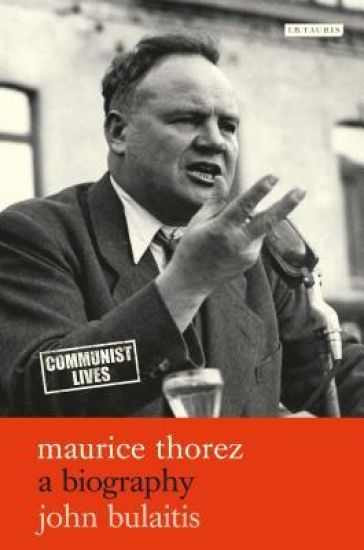
Maurice Thorez

Maurice Thorez

John Bulaitis

Bloomsbury Publishing PLC
2019
nidottu
Maurice Thorez (1900-1964) was a major figure in the history of twentieth-century France and European Communism for over three decades. Under his leadership, the French Communist Party (PCF) became France's largest political party and one of the most important communist parties in the West.Born in a mining village, Thorez left school at the age of 12 and would go on to helm the PCF in a rapid rise that paralleled Stalin's consolidation of power in the Soviet Union. After World War II, he became a minister, and briefly deputy prime minister, before the Cold War excluded communists from political power. The PCF became known as 'the party of Maurice Thorez', as a leader cult around Thorez was created that mirrored the cult of personality' around Stalin. This book is based on a wealth of original source material, including Thorez's diaries and notebooks. John Bulaitis outlines how Thorez's political life intersected with and was shaped by key historical events. At its heart, the book explores the paradox of the mass communist movement in France: its ability to fuse attachment to the French nation with fervent loyalty to the Soviet Union and Stalinist practices.
Maurice Thorez

Maurice Thorez

Bulaitis John

I.B. Tauris
2018
sidottu
Maurice Thorez (1900-1964) was a major figure in the history of twentieth-century France and European Communism for over three decades. Under his leadership, the French Communist Party (PCF) became France's largest political party and one of the most important communist parties in the West. Born in a mining village, Thorez left school at the age of 12 and would go on to helm the PCF in a rapid rise that paralleled Stalin's consolidation of power in the Soviet Union. After World War II, he became a minister, and briefly deputy prime minister, before the Cold War excluded communists from political power. The PCF became known as 'the party of Maurice Thorez', as a leader cult around Thorez was created that mirrored the cult of personality' around Stalin. This book is based on a wealth of original source material, including Thorez's diaries and notebooks. John Bulaitis outlines how Thorez's political life intersected with and was shaped by key historical events. At its heart, the book explores the paradox of the mass communist movement in France: its ability to fuse attachment to the French nation with fervent loyalty to the Soviet Union and Stalinist practices.
Maurice's Jubilee

Maurice's Jubilee

Nichola McAuliffe

Oberon Books Ltd
2012
nidottu
A Royal encounter. An enduring love. A bungalow in Penge. For 60 years Helena has been Queen of Maurice's heart. But his Great Love is another Queen. The Queen Helena says he's never met. Maurice's Jubilee, a new play by award winning actress and writer Nichola McAuliffe, is a funny and poignant exploration of one man's enduring commitment to a dream. And an eternal love triangle fallen on hard times...
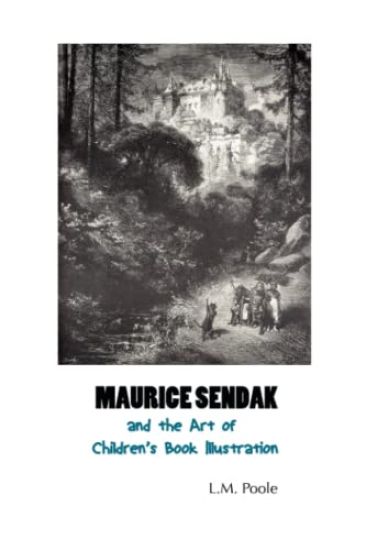
Maurice Sendak and the Art of Children's Book Illustration
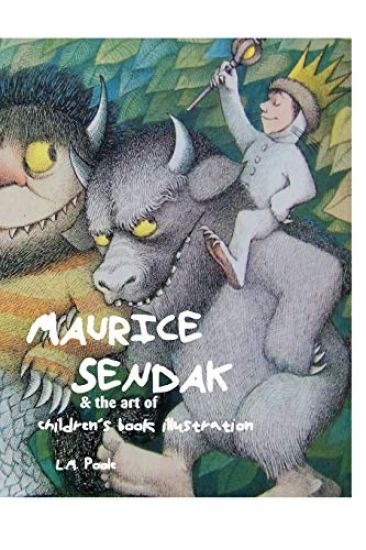
MAURICE SENDAK AND THE ART OF CHILDREN'S BOOK ILLUSTRATION: LARGE PRINT EDITIONL.M. PooleMaurice Sendak is the widely acclaimed American children's book author and illustrator. This critical study focusses on his famous trilogy, Where the Wild Things Are, In the Night Kitchen and Outside Over There, as well as the early works and Sendak's superb depictions of Grimms' fairy tales in The Juniper Tree.L.M. Poole begins with a chapter on children's book illustration, in particular the treatment of fairy tales. Sendak's work is situated within the history of children's book illustration, and he is compared with many contemporary authors. This latest edition (the fifth, of 2023) includes a new introduction, a new bibliography and many more illustrations. The text has been completely revised and updated. With a full colour cover. Large Print Edition in 18 point type. Illustrated. With bibliography and notes. 376 pages. www.crmoon.comMAURICE SENDAK (1928-2012) has become America's premier children's book author and illustrator. He's as important - and as adored - as Theodore Geisel (Dr Seuss). Best known for his trilogy of classic picture books - Where the Wild Things Are (1963), In the Night Kitchen (1970) and Outside Over There (1981) - Sendak has also written many other books (though mainly in children's book form). His interpretation of the Grimm Brothers, The Juniper Tree, although it is less well-known, could be said to be his most accomplished work. This book aims to consider some of Maurice Sendak's most significant works, concentrating on the children's books and the picture books. Other chapters explore Sendak's relationship with the movies and art of Walt Disney (which Sendak admires); his interpretation of classic fairy tales; a brief consideration of the fairy tale form; Sendak's links with the tradition of children's book illustration; and finally a comparison of Sendak's art with that of other book illustrators. The Oxford Companion to Children's Literature offers a typical assessment of Maurice Sendak as one of the highpoints of modern children's book illustration: Quite apart from his outstanding draughtmanship and mastery of styles, Sendak's exploration of the realms of the unconscious in Where the Wild Things Are and its successors lifts his work beyond the confines of the children's picture book and places it among major art of the 20th century. Joyce Whalley and Tessa Chester write of Sendak: Sendak's superiority amounts to far more than mere technical ability and an instinct for interpreting a text, whether his own or that of someone else. His sympathy and concern with every book he illustrates mounts to an almost religious obsession when it comes to his own picture books... His vision is unique, his draughtsmanship par excellence, and his work as a whole lifts him well into the ranks of the great illustrators of all time.Lee Kingman is equally laudatory, calling Sendak 'a magician who, working on several levels simultaneously, creates a world of carefully wrought surfaces and spaces dense with suggested drama.'
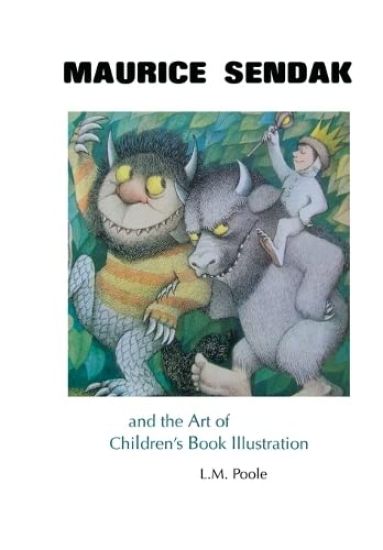
Maurice Sendak and the Art of Children's Book Illustration
MAURICE SENDAK AND THE ART OF CHILDREN'S BOOK ILLUSTRATIONL.M. PooleMaurice Sendak is the widely acclaimed American children's book author and illustrator. This critical study focusses on his famous trilogy, Where the Wild Things Are, In the Night Kitchen and Outside Over There, as well as the early works and Sendak's superb depictions of Grimms' fairy tales in The Juniper Tree.L.M. Poole begins with a chapter on children's book illustration, in particular the treatment of fairy tales. Sendak's work is situated within the history of children's book illustration, and he is compared with many contemporary authors. This latest edition (the fifth, of 2023) includes a new introduction, a new bibliography and many more illustrations. The text has been completely revised and updated. With a full colour cover. Illustrated. With bibliography and notes. 268 pages. www.crmoon.comMAURICE SENDAK (1928-2012) has become America's premier children's book author and illustrator. He's as important - and as adored - as Theodore Geisel (Dr Seuss). Best known for his trilogy of classic picture books - Where the Wild Things Are (1963), In the Night Kitchen (1970) and Outside Over There (1981) - Sendak has also written many other books (though mainly in children's book form). His interpretation of the Grimm Brothers, The Juniper Tree, although it is less well-known, could be said to be his most accomplished work. This book aims to consider some of Maurice Sendak's most significant works, concentrating on the children's books and the picture books. Other chapters explore Sendak's relationship with the movies and art of Walt Disney (which Sendak admires); his interpretation of classic fairy tales; a brief consideration of the fairy tale form; Sendak's links with the tradition of children's book illustration; and finally a comparison of Sendak's art with that of other book illustrators. The Oxford Companion to Children's Literature offers a typical assessment of Maurice Sendak as one of the highpoints of modern children's book illustration: Quite apart from his outstanding draughtmanship and mastery of styles, Sendak's exploration of the realms of the unconscious in Where the Wild Things Are and its successors lifts his work beyond the confines of the children's picture book and places it among major art of the 20th century. Joyce Whalley and Tessa Chester write of Sendak: Sendak's superiority amounts to far more than mere technical ability and an instinct for interpreting a text, whether his own or that of someone else. His sympathy and concern with every book he illustrates mounts to an almost religious obsession when it comes to his own picture books... His vision is unique, his draughtsmanship par excellence, and his work as a whole lifts him well into the ranks of the great illustrators of all time.Lee Kingman is equally laudatory, calling Sendak 'a magician who, working on several levels simultaneously, creates a world of carefully wrought surfaces and spaces dense with suggested drama.'
Maurice Sendak and the Art of Children's Book Illustration
MAURICE SENDAK AND THE ART OF CHILDREN'S BOOK ILLUSTRATIONL.M. PooleMaurice Sendak is the widely acclaimed American children's book author and illustrator. This critical study focusses on his famous trilogy, Where the Wild Things Are, In the Night Kitchen and Outside Over There, as well as the early works and Sendak's superb depictions of Grimms' fairy tales in The Juniper Tree.L.M. Poole begins with a chapter on children's book illustration, in particular the treatment of fairy tales. Sendak's work is situated within the history of children's book illustration, and he is compared with many contemporary authors. This latest edition (the fifth, of 2023) includes a new introduction, a new bibliography and many more illustrations. The text has been completely revised and updated. With a full colour cover. Illustrated. With bibliography and notes. 268 pages. www.crmoon.comMAURICE SENDAK (1928-2012) has become America's premier children's book author and illustrator. He's as important - and as adored - as Theodore Geisel (Dr Seuss). Best known for his trilogy of classic picture books - Where the Wild Things Are (1963), In the Night Kitchen (1970) and Outside Over There (1981) - Sendak has also written many other books (though mainly in children's book form). His interpretation of the Grimm Brothers, The Juniper Tree, although it is less well-known, could be said to be his most accomplished work. This book aims to consider some of Maurice Sendak's most significant works, concentrating on the children's books and the picture books. Other chapters explore Sendak's relationship with the movies and art of Walt Disney (which Sendak admires); his interpretation of classic fairy tales; a brief consideration of the fairy tale form; Sendak's links with the tradition of children's book illustration; and finally a comparison of Sendak's art with that of other book illustrators. The Oxford Companion to Children's Literature offers a typical assessment of Maurice Sendak as one of the highpoints of modern children's book illustration: Quite apart from his outstanding draughtmanship and mastery of styles, Sendak's exploration of the realms of the unconscious in Where the Wild Things Are and its successors lifts his work beyond the confines of the children's picture book and places it among major art of the 20th century. Joyce Whalley and Tessa Chester write of Sendak: Sendak's superiority amounts to far more than mere technical ability and an instinct for interpreting a text, whether his own or that of someone else. His sympathy and concern with every book he illustrates mounts to an almost religious obsession when it comes to his own picture books... His vision is unique, his draughtsmanship par excellence, and his work as a whole lifts him well into the ranks of the great illustrators of all time.Lee Kingman is equally laudatory, calling Sendak 'a magician who, working on several levels simultaneously, creates a world of carefully wrought surfaces and spaces dense with suggested drama.'
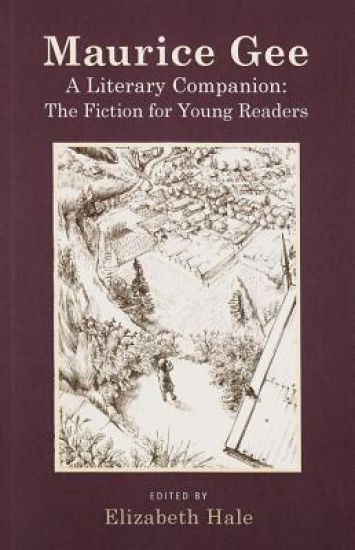
Maurice Gee

Maurice Gee

Otago University Press
2014
pokkari
This book is the first of two that pays tribute to Maurice Gee's distinctive contribution to New Zealand literature. Gee's fiction for younger readers blends exciting stories with serious issues. Told through a range of genres - from fantasy to realism, adventure to science fiction, mysteries, psychological thrillers, and gangster stories - his stories offer a distinctive body of work that shows New Zealand to children and young adults. The book argues that the depth and excitement of Gee's fiction for young readers makes for an impressive introduction to New Zealand culture, history, and storytelling. Overview chapters explore the motivations, themes, contexts, and reception of Gee's work, from the fantasy novels Under the Mountain, The World Around the Corner, and the O and Salt trilogies, to the five realist and historical novels, including The Fat Man, The Champion, and The Fire-Raiser. The book will appeal to students, teachers, readers, and writers of New Zealand literature, children's literature, and fantasy literature. A second book, written by Lawrence Jones, will discuss Gee's fiction for adult readers.