Kirjojen hintavertailu. Mukana 11 699 587 kirjaa ja 12 kauppaa.

Kirjahaku

Etsi kirjoja tekijän nimen, kirjan nimen tai ISBN:n perusteella.

427 tulosta hakusanalla "Tissue Engineering"

Stem Cells & Cartliage Tissue Engineering Approaches to Orthopaedic Surgery

Stem Cells & Cartliage Tissue Engineering Approaches to Orthopaedic Surgery

Wasim S Khan; Timothy E Hardingham

Nova Science Publishers Inc
2010
nidottu
Tissue is frequently damaged or lost in injury and disease. There has been an increasing interest in stem cell applications and tissue engineering approaches in surgical practice to deal with damaged or lost tissue. Tissue engineering is an exciting strategy being explored to deal with damaged or lost tissue. It is the science of generating tissue using molecular and cellular techniques, combined with material engineering principles, to replace tissue. This could be in the form of cells with or without matrices. Although there have been developments in almost all surgical disciplines, the greatest advances are being made in orthopaedics, especially in cartilage repair. This is due to many factors including the familiarity with bone marrow derived mesenchymal stem cells and cartilage being a relatively simpler tissue to engineer. Unfortunately significant hurdles remain to be overcome in many areas before tissue engineering becomes more routinely used in clinical practice.
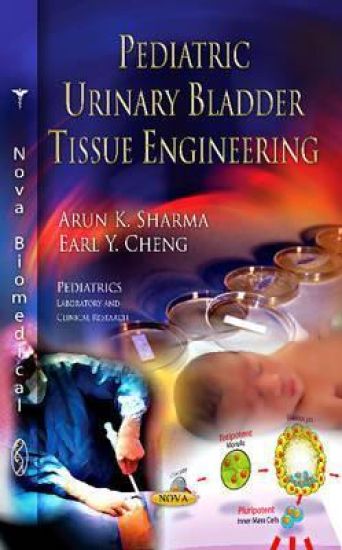
Pediatric Urinary Bladder Tissue Engineering

Pediatric Urinary Bladder Tissue Engineering

Arun K Sharma; Earl Y Cheng

Nova Science Publishers Inc
2012
nidottu
Tissue engineering is a multi-disciplinary field that is continually evolving and functions through the amalgamation of principles and practices derived from materials science, clinical medicine and the basic biological sciences. The goals of tissue engineering based therapies are to reconstitute the anatomic milieu and physiological function of diseased or damaged tissue in order to improve the poorly functioning target organ. With the advent of new synthetic polymers and advancements in stem cell biology, the combinatorial and/or synergistic effects of these disciplines has greatly advanced tissue engineering as a whole, particularly in the field of bladder tissue engineering. This book focuses on the current state of bladder tissue engineering with a specific emphasis on the use of autologous and allogenic cell sources, as well as biologic and synthetic matrices that influence cell growth and differentiation that can be used for future bladder tissue engineering applications.
Biopolymer Methods in Tissue Engineering
There is an urgent need to develop new approaches to treat conditions as- ciated with the aging global population. The surgeon’s approach to many of these problems could be described as having evolved through three stages: Removal: Traditionally, diseased or badly damaged tissues and structures might simply be removed. This was appropriate for limbs and non-essential organs, but could not be applied to structures that were critical to sustain life. An additional problem was the creation of disability or physical deformity that in turn could lead to further complications. Replacement: In an effort to treat wider clinical problems, or to overcome the limitations of amputation, surgeons turned to the use of implanted materials and medical devices that could replace the functions of biological structures. This field developed rapidly in the 1960s and 1970s, with heart valve and total joint replacement becoming common. The term “biomaterial” was used increasingly to describe the materials used in these operations, and the study of biomaterials became one of the first truly interdisciplinary research fields. Today, biomaterials are employed in many millions of clinical procedures each year and they have become the mainstay of a very successful industry.
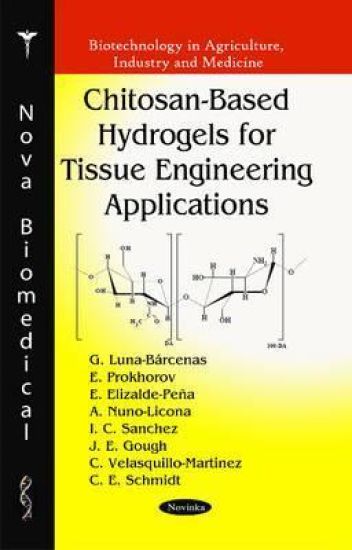
Chitosan-Based Hydrogels for Tissue Engineering Applications

Chitosan-Based Hydrogels for Tissue Engineering Applications

G Luna-Bárcenas

Nova Science Publishers Inc
2011
nidottu
The polyelectrolyte complexes formed due to electrostatic attraction between the polymers, have improved properties when compared to hybrid CTS-g-GMA, which provides a wide range of applications in the biomedical field. All materials have been characterised by different analytical techniques such as infrared spectroscopy (FTIR), X-ray diffraction (XRD), thermal analysis (DSC and TGA), and the results were compared to the precursor materials (chitosan, X, HA, and CTS-g-GMA). Due to the HA nature, the film obtained from this reaction has been assessed for use as a patch for wound healing; whereas the properties showed by the hydrogels obtained from the reaction with X, make them very promising for applications in the treatment of recovery of spinal cord injuries. This book presents results which strongly support the future use of hydrogels as scaffolds for tissue engineering and recovering.
Computer-Aided Tissue Engineering
The recent revolution in the biological sciences and bioengineering, along with the advancements of modern design and manufacturing, biomaterials, biology, and biomedicine, have brought about the new field of computer-aided tissue engineering. Advances in this fascinating new area of study encompass broad applications in large-scale tissue engineering fabrication, artificial organs, orthopaedic implants, and biological chips. Computer-Aided Tissue Engineering highlights the interdisciplinary nature of this topic and reviews the current state of computer-aided three-dimensional tissue modeling, tissue classification, and tissue fabrication and implantation. Particular focus is placed on rapid prototyping and direct digital fabrication for cell and organs, construction of tissue analogs, and precursors to 3D tissue scaffolds. Written for the highly successful Methods in Molecular Biology™ series, this work provides the kind of detailed description and implementation advice that is crucial for getting optimal results. Current and practical, Computer-Aided Tissue Engineering provides a coherent framework for researchers interested in these vital technologies and for clinicians who plan to implement them.
Biomaterials for Tissue Engineering

Biomaterials for Tissue Engineering

Mehdi Razavi

Bentham Science Publishers
2017
nidottu
This volume reviews the published knowledge about bioactive composites, protein scaffolds and hydrogels. Chapters also detail the production parameters and clarify the evaluation protocol for analysis or testing and scaffolding biomaterials. The volume concludes with a summary of applications of porous scaffold in medicine. Each chapter links basic scientific and engineering concepts to practical applications for the benefit of the reader. The text offers a wealth of information that will be of use to all students, bioengineers, materials scientists, chemists and clinicians concerned with the properties, performance, and use of tissue engineering scaffolds - from research engineers faced with designing the biomaterials and techniques to physicians and surgeons charged with shepherding the use of the scaffolds into the applied clinical settings.
Nanomedicine and Tissue Engineering

Nanomedicine and Tissue Engineering

Apple Academic Press Inc.
2016
sidottu
This book focuses on the recent advances in nanomedicine and tissue engineering. It outlines the basic tools and novel approaches that are becoming available in nanomedicine and tissue engineering and considers the full range of nanomedical applications which employ molecular nanotechnology inside the human body, from the perspective of a future practitioner in an era of widely available nanomedicine. Topics include: Health benefits of phytochemicals and application of superparamagnetic nanoparticles for hyperthermiaSilver nanoparticles in nanomedicineOptical diagnostic of molecules and cells using nanotechnologyNanoparticulate drug delivery system for antiviral drugsLiposomal drug delivery systems, nanoemulsifying drug delivery system (SNEDS)Functionalization of tissue engineering scaffolds Induction of angiogenesis in scaffoldsMany other recent achievementsWritten by some of the most innovative minds in medicine and tissue engineering, this book considers the full range of nanomedical applications which employ molecular nanotechnology inside the human body and will help professionals understand cutting-edge and futuristic areas of nanomedicine and tissue engineering research. Readers will find insightful discussions on nanostructured intelligent materials and devices that are considered technically feasible and that have a high potential to produce advances in medicine in the near future.
Nanomedicine and Tissue Engineering

Nanomedicine and Tissue Engineering

Apple Academic Press Inc.
2021
nidottu
This book focuses on the recent advances in nanomedicine and tissue engineering. It outlines the basic tools and novel approaches that are becoming available in nanomedicine and tissue engineering and considers the full range of nanomedical applications which employ molecular nanotechnology inside the human body, from the perspective of a future practitioner in an era of widely available nanomedicine. Topics include: Health benefits of phytochemicals and application of superparamagnetic nanoparticles for hyperthermiaSilver nanoparticles in nanomedicineOptical diagnostic of molecules and cells using nanotechnologyNanoparticulate drug delivery system for antiviral drugsLiposomal drug delivery systems, nanoemulsifying drug delivery system (SNEDS)Functionalization of tissue engineering scaffolds Induction of angiogenesis in scaffoldsMany other recent achievementsWritten by some of the most innovative minds in medicine and tissue engineering, this book considers the full range of nanomedical applications which employ molecular nanotechnology inside the human body and will help professionals understand cutting-edge and futuristic areas of nanomedicine and tissue engineering research. Readers will find insightful discussions on nanostructured intelligent materials and devices that are considered technically feasible and that have a high potential to produce advances in medicine in the near future.
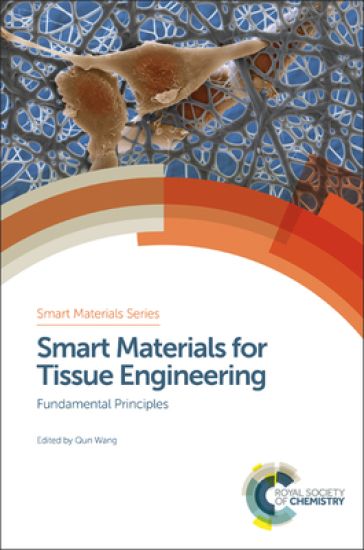
Smart Materials for Tissue Engineering

Smart Materials for Tissue Engineering

Royal Society of Chemistry
2016
sidottu
In recent years there has been tremendous progress in the area of tissue engineering research. This book focusses on the fundamental principles underpinning these recent advances in the materials science developed for tissue engineering purposes. Smart materials for tissue engineering are produced by modifying the physicochemical and biological properties of the scaffolds with response to external stimuli to enhance the tissue regeneration. The functions of living cells can be regulated by smart materials which respond to changes in the surrounding microenvironment. This book comprehensively documents the recent advancements in smart materials for tissue engineering and will provide an essential text for those working in materials science and materials engineering, in academia and industry.
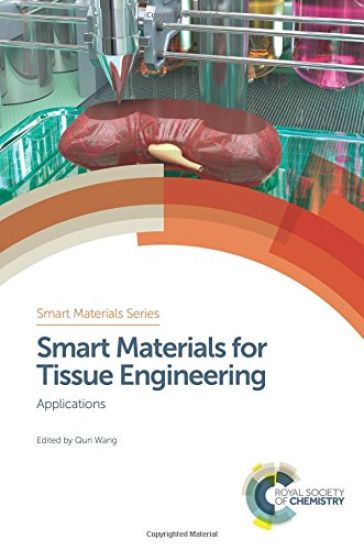
Smart Materials for Tissue Engineering

Smart Materials for Tissue Engineering

Royal Society of Chemistry
2017
sidottu
In the last couple of decades, research in the area of tissue engineering has witnessed tremendous progress. The focus has been on replacing or facilitating the regeneration of damaged or diseased cell, tissue or organs by applying a biomaterial support system, and a combination of cells and bioactive molecules. In addition new smart materials have been developed which provide opportunities to fabricate, characterize and utilize materials systematically to control cell behaviours and tissue formation by biomimetic topography that closely replicate the natural extracellular matrix. Following on from Smart Materials for Tissue Engineering: Fundamental Principles, this book comprehensively covers the different uses of smart materials in tissues engineering, providing a valuable resource for biochemists, materials scientists and biomedical engineers working in industry and academia.
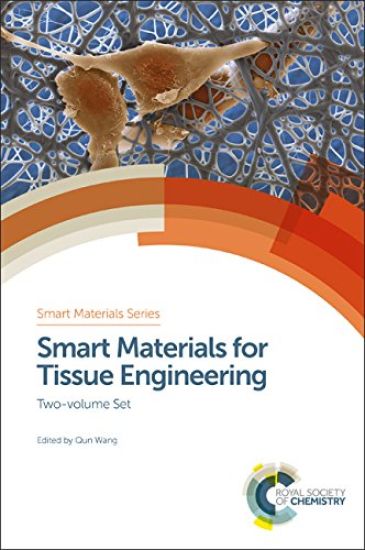
Smart Materials for Tissue Engineering
In recent years there has been tremendous progress in the area of tissue engineering research. This two-volume set, containing Smart Materials for Tissue Engineering: Fundamental Principles and Smart Materials for Tissue Engineering: Applications, provides a complete overview of the field. Volume one covers the fundamental principles underpinning the materials science developed for enhancing tissue regeneration, as well as those used for regulating the functions of living cells. Volume two focuses on the applications of different materials for replacing or facilitating tissue regeneration. It also provides examples of new materials that have been developed to control cell behaviours and tissue formation by biomimetic topography which closely replicate the natural extracellular matrix. This set comprehensively documents the recent advancements in smart materials for tissue engineering and provides an essential text for those working in materials science and materials engineering, in academia and industry. Please see the webpages for the individual volumes in the set to access the eBook versions.
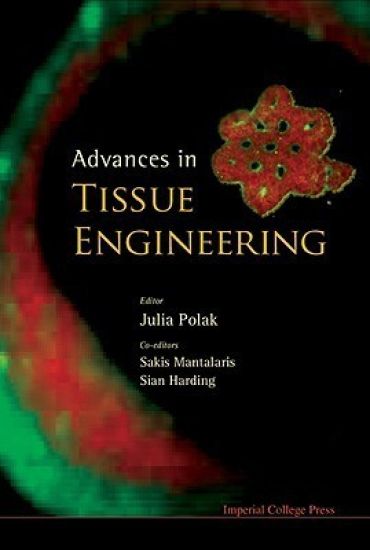
Advances In Tissue Engineering

Advances In Tissue Engineering

Imperial College Press
2008
sidottu
Advances in Tissue Engineering is a unique volume and the first of its kind to bring together leading names in the field of tissue engineering and stem cell research. A relatively young science, tissue engineering can be seen in both scientific and sociological contexts and successes in the field are now leading to clinical reality. This book attempts to define the path from basic science to practical application. A contribution from the UK Stem Cell Bank and opinions of venture capitalists offer a variety of viewpoints, and exciting new areas of stem cell biology are highlighted. With over fifty stellar contributors, this book presents the most up-to-date information in this very topical and exciting field.
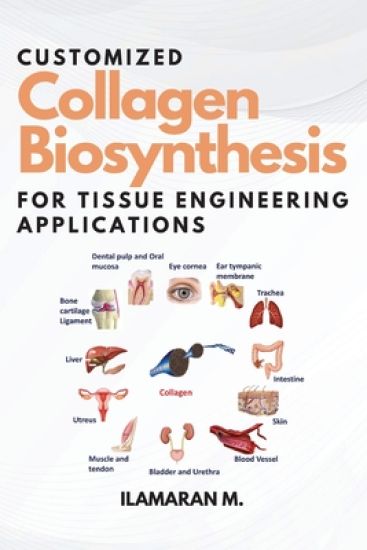
Customized Collagen Biosynthesis for Tissue Engineering Applications
"Customized Collagen Biosynthesis for Tissue Engineering Applications" by Ilamaran M. is a comprehensive study on the potential of customized collagen biosynthesis for tissue engineering applications.Through detailed research and analysis, Ilamaran M. highlights the role of collagen in tissue engineering and the benefits of customized collagen biosynthesis. He also discusses the latest advancements in the field and the future potential of this technology in regenerative medicine.Whether you are a healthcare professional looking for new approaches to tissue engineering, or a researcher interested in the latest advancements in collagen biosynthesis, "Customized Collagen Biosynthesis for Tissue Engineering Applications" is an essential resource.Order your copy today and discover how customized collagen biosynthesis can revolutionize tissue engineering and regenerative medicine.
Extracellular Matrix for Tissue Engineering and Biomaterials
This volume provides a state-of-art-report on the new methodologies in tissue engineering and developments in the biomaterials field based on the extracellular matrix-relevant discovery. Extracellular Matrix for Tissue Engineering and Biomaterials opens with an overview of the latest extracellular matrix research and in Part I, focuses on its biology and its role on cell behavior and cell fate relevant for the design of biomimetic surfaces. Part II details issues regarding the strategies currently applied in the research of biologically inspired materials and material systems for the replacement, repair and regeneration of tissues and organs. Part III presents the latest development methods applying knowledge from biology towards nanotechnology, to promote the restoration of the functionality of a living tissue. The book ranges from fundamental biology associated with tissue regeneration for the development of biomimetic approaches to controlling tissue formation, cell function,differentiation and angiogenesis using factors involved in normal tissue development and function. With the breadth and depth of the coverage of this topic, this book will serve as a valuable reference for anyone working in tissue engineering or biomaterials – from scientists, chemists and biologists through physicists, bioengineers and clinicians.
New Developments in Tissue Engineering and Regeneration
This volume presents a new contribution for the field of Tissue Engineering with a focus on the development of mathematical and computational methods that are relevant to understand human tissues, as well to model, design, and fabricate optimized and smart scaffolds.The multidisciplinary character of this field has motivated contributions from different areas with a common objective to replace damaged tissues and organs by healthy ones. This work treats tissue healing approaches, mathematic modelling for scaffold design and bio fabrication methods, giving the reader a broad view of the state of the art in Tissue Engineering. The present book contains contributions from recognized researchers in the field, who were keynote speakers in the Fourth International Conference on Tissue Engineering, held in Lisbon in 2015, and covering different aspects of Tissue Engineering. The book is strongly connected with the conference series of ECCOMAS Thematic Conferences on TissueEngineering, an event that brings together a considerable number of researchers from all over the world, representing several fields of study related to Tissue Engineering.
Peripheral Nerve Tissue Engineering and Regeneration
This updatable book provides an accessible informative overview of the current state of the art in nerve repair research.The introduction includes history of nerve repair research and establishes key concepts and terminology and will be followed by sections that represent the main areas of interest in the field: (1) Biomaterials, (2) Therapeutic Cells, (3) Drug, Gene and Extracellular Vesicle Therapies, (4) Research Models and (5) Clinical Translation. Each section will contain 3 - 6 chapters, capturing the full breadth of relevant technology. Bringing together diverse disciplines under one overarching theme echoes the multidisciplinary approach that underpins modern tissue engineering and regenerative medicine. Each chapter will be written in an accessible manner that will facilitate interest and understanding, providing a comprehensive single reference source. The updatable nature of the work will ensure that it can evolve to accommodate future changes and new technologies. The main readership for this work will be researchers and clinicians based in academic, industrial and healthcare settings all over the world.
Peripheral Nerve Tissue Engineering and Regeneration
This updatable book provides an accessible informative overview of the current state of the art in nerve repair research.The introduction includes history of nerve repair research and establishes key concepts and terminology and will be followed by sections that represent the main areas of interest in the field: (1) Biomaterials, (2) Therapeutic Cells, (3) Drug, Gene and Extracellular Vesicle Therapies, (4) Research Models and (5) Clinical Translation. Each section will contain 3 - 6 chapters, capturing the full breadth of relevant technology. Bringing together diverse disciplines under one overarching theme echoes the multidisciplinary approach that underpins modern tissue engineering and regenerative medicine. Each chapter will be written in an accessible manner that will facilitate interest and understanding, providing a comprehensive single reference source. The updatable nature of the work will ensure that it can evolve to accommodate future changes and new technologies. The main readership for this work will be researchers and clinicians based in academic, industrial and healthcare settings all over the world.
Decellularization Methods of Tissue and Whole Organ in Tissue Engineering
This contributed volume is the first of a series that introduces safe, feasible, and practical decellularization and recellularization techniques for tissue and organ reconstruction. We have put special emphasis on the research areas most likely to develop well-engineered scaffolds for tissue and organ engineering, while presenting easily applicable bench-to-bedside approaches highlighting the latest technical innovations in the field.This book includes both a fundamental discussion for a broad understanding of the basis of tissue repair and substitution, as well as chapters written by world renowned specialists from 20 countries providing deeper discussions and analysis of related sub disciplines.Within these pages, the reader will find state-of-the-art protocols and current clinical challenges in cell and tissue biology, including accurate and comprehensive information on extracellular matrices, natural biomaterials, tissue dynamics, morphogenesis, stem cells, cellular fate progressions, cell and tissue properties for in-vitro and in-vivo applications.This comprehensive and carefully organized treatise provides a clear framework for graduate students and postdoctoral researchers new to the field, but also for researchers and practitioners looking to expand their knowledge on tissue and organ reconstruction.