Kirjahaku
Etsi kirjoja tekijän nimen, kirjan nimen tai ISBN:n perusteella.
1000 tulosta hakusanalla Charlize Wolfe
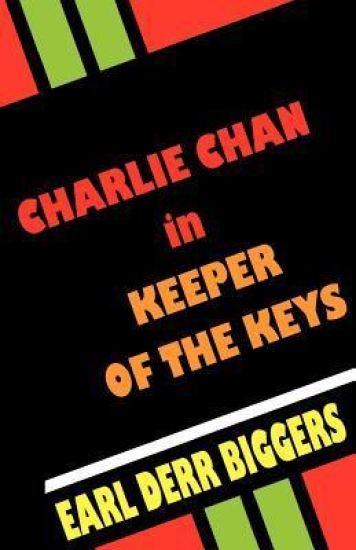
On January 24, 1925, The Saturday Evening Post began its serialization of the book that would make Earl Derr Biggers famous: The House Without a Key, the first of the Charlie Chan series. Chan, the first Chinese detective in literature, was modeled after Chang Apana, a real-life police detective in Honolulu.Charlie Chan in Keeper of the Keys is the sixth and final novel in the Charlie Chan series. Published in 1932, the story features the Chinese-American detective Charlie Chan solving another intricate mystery. In this novel, Chan is called to investigate the murder of a wealthy and influential woman named Ellen Landini. The murder takes place in her secluded estate, where a variety of characters, each with their own secrets and motives, are gathered. As Chan delves deeper into the case, he uncovers hidden relationships, old grudges, and surprising twists. The novel showcases Biggers' skill in creating engaging characters and suspenseful plots, and it is celebrated for its blend of mystery and cultural insight.Earl Derr Biggers ultimately wrote six Charlie Chan mystery novels: The House Without A Key, The Chinese Parrot, Behind That Curtain, The Black Camel, Charlie Chan Carries On, and Keeper of the Keys. Each of these books is wonderfully told, and through the later films, radio shows, comics, and television series, Charlie Chan became an enduring popular figure.
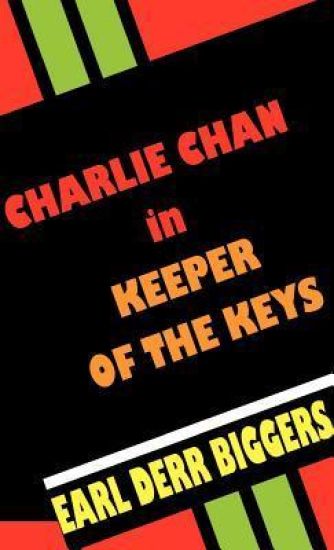
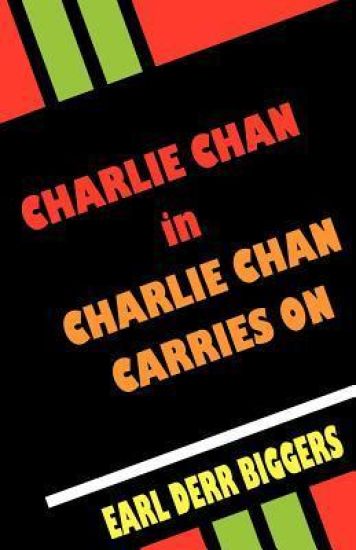
On January 24, 1925, The Saturday Evening Post began its serialization of the book that would make Earl Derr Biggers famous: The House Without a Key, the first of the Charlie Chan series. Chan, the first Chinese detective in literature, was modeled after Chang Apana, a real-life police detective in Honolulu.Charlie Chan Carries On, published in 1930, is the fifth novel in the Charlie Chan series. It follows the famous Chinese-American detective Charlie Chan as he investigates a murder that occurs during a round-the-world tour. The story begins in London, where a wealthy American businessman is found dead in his hotel room. As the investigation unfolds, Chan travels across multiple continents, following clues and questioning suspects from various walks of life. The novel is known for its intricate plot, rich character development, and the blend of humor and suspense that characterizes the series.Earl Derr Biggers ultimately wrote six Charlie Chan mystery novels: The House Without A Key, The Chinese Parrot, Behind That Curtain, The Black Camel, Charlie Chan Carries On, and Keeper of the Keys. Each of these books is wonderfully told, and through the later films, radio shows, comics, and television series, Charlie Chan became an enduring popular figure.
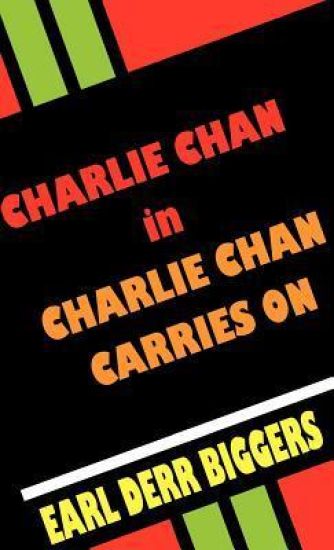
On January 24, 1925, The Saturday Evening Post began its serialization of the book that would make Earl Derr Biggers famous: The House Without a Key, the first of the Charlie Chan series. Chan, the first Chinese detective in literature, was modeled after Chang Apana, a real-life police detective in Honolulu.Charlie Chan Carries On, published in 1930, is the fifth novel in the Charlie Chan series. It follows the famous Chinese-American detective Charlie Chan as he investigates a murder that occurs during a round-the-world tour. The story begins in London, where a wealthy American businessman is found dead in his hotel room. As the investigation unfolds, Chan travels across multiple continents, following clues and questioning suspects from various walks of life. The novel is known for its intricate plot, rich character development, and the blend of humor and suspense that characterizes the series.Earl Derr Biggers ultimately wrote six Charlie Chan mystery novels: The House Without A Key, The Chinese Parrot, Behind That Curtain, The Black Camel, Charlie Chan Carries On, and Keeper of the Keys. Each of these books is wonderfully told, and through the later films, radio shows, comics, and television series, Charlie Chan became an enduring popular figure.
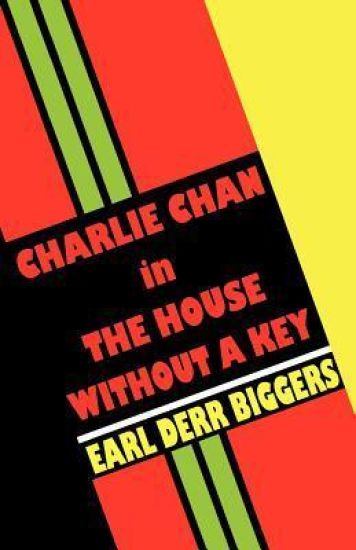
On January 24, 1925, The Saturday Evening Post began its serialization of the book that would make Earl Derr Biggers famous: The House Without a Key, the first of the Charlie Chan series. Chan, the first Chinese detective in literature, was modeled after Chang Apana, a real-life police detective in Honolulu.The House Without a Key is the first novel in the Charlie Chan series by Earl Derr Biggers, published in 1925. The story introduces the Chinese-American detective Charlie Chan, who works for the Honolulu Police Department. The novel is set in the exotic locale of Hawaii and follows the investigation of the murder of a wealthy and prominent Bostonian named Dan Winterslip. Winterslip is found dead in his home, and suspicion falls on various members of his family and household, each with their own secrets and potential motives.Earl Derr Biggers ultimately wrote six Charlie Chan mystery novels: The House Without A Key, The Chinese Parrot, Behind That Curtain, The Black Camel, Charlie Chan Carries On, and Keeper of the Keys. Each of these books is wonderfully told, and through the later films, radio shows, comics, and television series, Charlie Chan became an enduring popular figure.
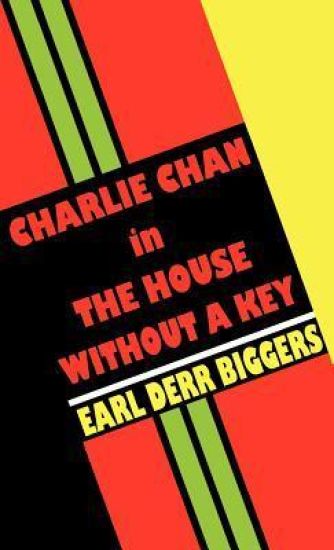
On January 24, 1925, The Saturday Evening Post began its serialization of the book that would make Earl Derr Biggers famous: The House Without a Key, the first of the Charlie Chan series. Chan, the first Chinese detective in literature, was modeled after Chang Apana, a real-life police detective in Honolulu.The House Without a Key is the first novel in the Charlie Chan series by Earl Derr Biggers, published in 1925. The story introduces the Chinese-American detective Charlie Chan, who works for the Honolulu Police Department. The novel is set in the exotic locale of Hawaii and follows the investigation of the murder of a wealthy and prominent Bostonian named Dan Winterslip. Winterslip is found dead in his home, and suspicion falls on various members of his family and household, each with their own secrets and potential motives.Earl Derr Biggers ultimately wrote six Charlie Chan mystery novels: The House Without A Key, The Chinese Parrot, Behind That Curtain, The Black Camel, Charlie Chan Carries On, and Keeper of the Keys. Each of these books is wonderfully told, and through the later films, radio shows, comics, and television series, Charlie Chan became an enduring popular figure.
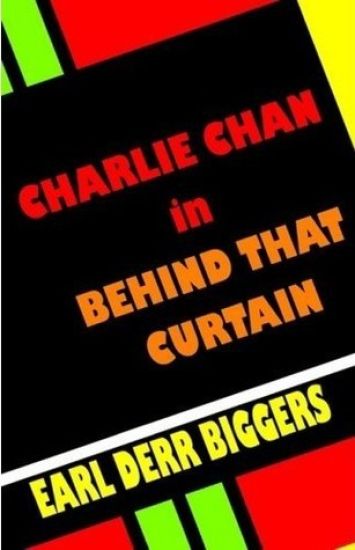
On January 24, 1925, The Saturday Evening Post began its serialization of the book that would make Earl Derr Biggers famous: The House Without a Key, the first of the Charlie Chan series. Chan, the first Chinese detective in literature, was modeled after Chang Apana, a real-life police detective in Honolulu.Behind That Curtain is the third novel in the Charlie Chan series by Earl Derr Biggers, published in 1928. The story follows the famous Chinese-American detective Charlie Chan as he tackles a complex and intriguing case that spans continents. The plot begins in San Francisco, where Sir Frederic Bruce, a retired Scotland Yard detective, is found murdered shortly after he reveals that he is close to solving a case involving a long-missing woman.As Charlie Chan investigates, he discovers that the mystery reaches far beyond San Francisco, with connections to London and India. Chan must navigate through a web of deceit, hidden identities, and international intrigue to uncover the truth. The novel is celebrated for its intricate plot, rich character development, and the seamless blending of humor and suspense. Charlie Chan's keen intellect, cultural insights, and methodical approach to solving the case make this a captivating and enjoyable read for fans of classic detective fiction.Earl Derr Biggers ultimately wrote six Charlie Chan mystery novels: The House Without A Key, The Chinese Parrot, Behind That Curtain, The Black Camel, Charlie Chan Carries On, and Keeper of the Keys. Each of these books is wonderfully told, and through the later films, radio shows, comics, and television series, Charlie Chan became an enduring popular figure.
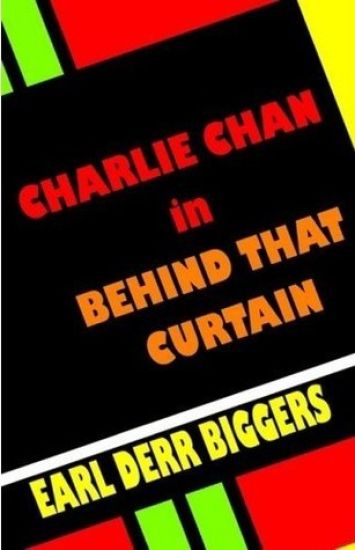
On January 24, 1925, The Saturday Evening Post began its serialization of the book that would make Earl Derr Biggers famous: The House Without a Key, the first of the Charlie Chan series. Chan, the first Chinese detective in literature, was modeled after Chang Apana, a real-life police detective in Honolulu.Behind That Curtain is the third novel in the Charlie Chan series by Earl Derr Biggers, published in 1928. The story follows the famous Chinese-American detective Charlie Chan as he tackles a complex and intriguing case that spans continents. The plot begins in San Francisco, where Sir Frederic Bruce, a retired Scotland Yard detective, is found murdered shortly after he reveals that he is close to solving a case involving a long-missing woman.As Charlie Chan investigates, he discovers that the mystery reaches far beyond San Francisco, with connections to London and India. Chan must navigate through a web of deceit, hidden identities, and international intrigue to uncover the truth. The novel is celebrated for its intricate plot, rich character development, and the seamless blending of humor and suspense. Charlie Chan's keen intellect, cultural insights, and methodical approach to solving the case make this a captivating and enjoyable read for fans of classic detective fiction.Earl Derr Biggers ultimately wrote six Charlie Chan mystery novels: The House Without A Key, The Chinese Parrot, Behind That Curtain, The Black Camel, Charlie Chan Carries On, and Keeper of the Keys. Each of these books is wonderfully told, and through the later films, radio shows, comics, and television series, Charlie Chan became an enduring popular figure.
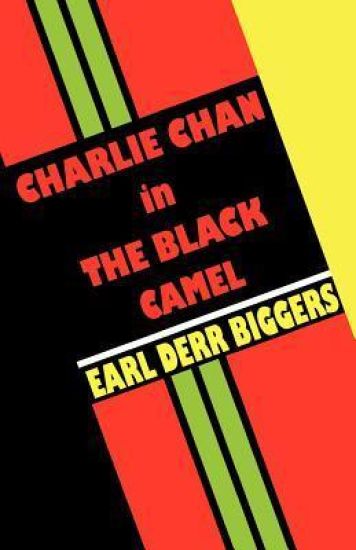
On January 24, 1925, The Saturday Evening Post began its serialization of the book that would make Earl Derr Biggers famous: The House Without a Key, the first of the Charlie Chan series. Chan, the first Chinese detective in literature, was modeled after Chang Apana, a real-life police detective in Honolulu.The Black Camel is the fourth novel in the Charlie Chan series by Earl Derr Biggers, published in 1929. The story takes place in Honolulu and centers around the murder of a famous Hollywood actress named Shelah Fane, who is in Hawaii for the filming of a movie. The actress is found dead at a luxurious beachfront estate, and suspicion falls on various members of the film crew and other individuals with whom she had close ties.Charlie Chan, the astute and methodical Chinese-American detective from the Honolulu Police Department, is called to solve the mystery. As Chan delves deeper into the case, he uncovers a series of complex relationships, hidden motives, and past secrets that all play a part in the murder. The novel is noted for its vivid portrayal of 1920s Hawaii, its engaging characters, and its well-crafted plot, which keeps readers guessing until the endEarl Derr Biggers ultimately wrote six Charlie Chan mystery novels: The House Without A Key, The Chinese Parrot, Behind That Curtain, The Black Camel, Charlie Chan Carries On, and Keeper of the Keys. Each of these books is wonderfully told, and through the later films, radio shows, comics, and television series, Charlie Chan became an enduring popular figure.
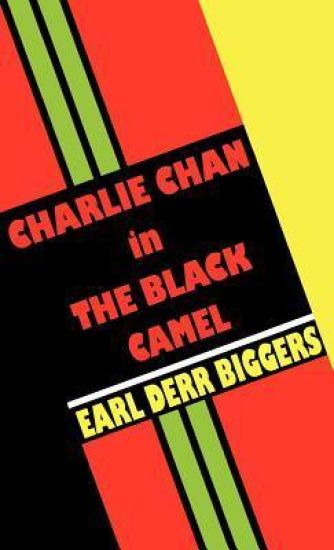
On January 24, 1925, The Saturday Evening Post began its serialization of the book that would make Earl Derr Biggers famous: The House Without a Key, the first of the Charlie Chan series. Chan, the first Chinese detective in literature, was modeled after Chang Apana, a real-life police detective in Honolulu.The Black Camel is the fourth novel in the Charlie Chan series by Earl Derr Biggers, published in 1929. The story takes place in Honolulu and centers around the murder of a famous Hollywood actress named Shelah Fane, who is in Hawaii for the filming of a movie. The actress is found dead at a luxurious beachfront estate, and suspicion falls on various members of the film crew and other individuals with whom she had close ties.Charlie Chan, the astute and methodical Chinese-American detective from the Honolulu Police Department, is called to solve the mystery. As Chan delves deeper into the case, he uncovers a series of complex relationships, hidden motives, and past secrets that all play a part in the murder. The novel is noted for its vivid portrayal of 1920s Hawaii, its engaging characters, and its well-crafted plot, which keeps readers guessing until the endEarl Derr Biggers ultimately wrote six Charlie Chan mystery novels: The House Without A Key, The Chinese Parrot, Behind That Curtain, The Black Camel, Charlie Chan Carries On, and Keeper of the Keys. Each of these books is wonderfully told, and through the later films, radio shows, comics, and television series, Charlie Chan became an enduring popular figure.
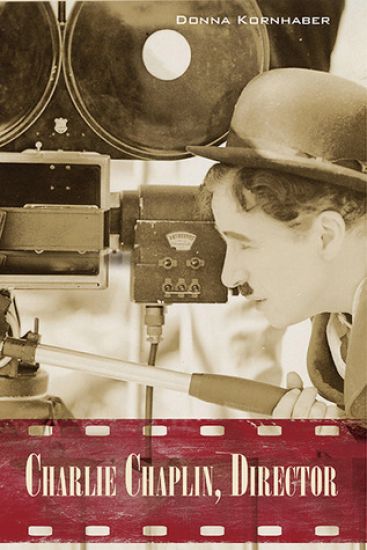
Charlie Chaplin was one of the cinema’s consummate comic performers, yet he has long been criticised as a lacklustre film director. In this groundbreaking work—the first to analyse Chaplin’s directorial style—Donna Kornhaber radically recasts his status as a filmmaker. Spanning Chaplin’s career, Kornhaber discovers a sophisticated ""Chaplinesque"" visual style that draws from early cinema and slapstick and stands markedly apart from later, ""classical"" stylistic conventions. His is a manner of filmmaking that values space over time and simultaneity over sequence, crafting narrative and meaning through careful arrangement within the frame rather than cuts between frames. Opening up aesthetic possibilities beyond the typical boundaries of the classical Hollywood film, Chaplin’s filmmaking would profoundly influence directors from Fellini to Truffaut. To view Chaplin seriously as a director is to re-understand him as an artist and to reconsider the nature and breadth of his legacy.
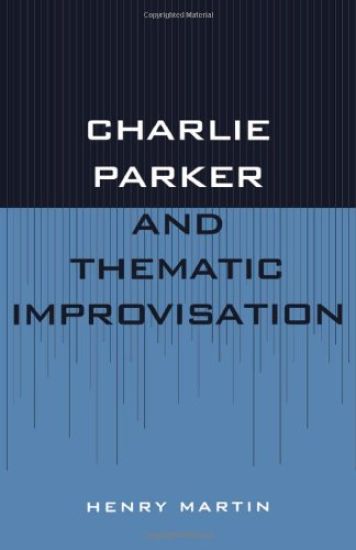
Martin provides a new overall assessment of the importance of Charlie Parker through an analysis of his improvisations in a variety of genres. Earlier studies of Parker argue that his style is based on an extensive network of melodic formulas that are combined to create solos. Because the same formulas appear throughout his improvisations regardless of the theme, these studies concluded that the solos do not usually relate to the original melodies. Charlie Parker and Thematic Improvisation provides a much-needed reassessment by showing that Parker's solos are often related to the original themes in unexpected and sometimes ingenious ways. The conclusion sums up features of Parker's style and discusses his contribution in the context of Western music history. Numerous transcriptions are provided. This groundbreaking technical study will be of interest to musicologists and serious students of jazz.

Charlie Craven has set the standard for innovation in fly tying . . . that very few tiers can match. --Tim Heng Charlie Craven is a master fly tier and more importantly, a natural-born teacher. . . . Whether you are just getting started, or a longtime tier who wants to learn new tricks, Charlie can help. --Ross Purnell, editor, Fly Fisherman magazine Master fly tier Charlie Craven sets the standard for innovation in fly tying today. A commercial tier for over 30 years, Charlie is known for his signature flies for almost every species of gamefish, including his specialty, trout of the Rockies. This book features 17 best-selling patterns for trout and bass and saltwater flats species bonefish and permit. 750 step-by-step photos show 60 pattern recipes, including the author's favorite variations.
Examining the legendary actor's life, art, and controversial politics within the context of their times, Lynn presents a fresh and definitive portrait of Chaplin.

Alcanzar la mayor a de edad siendo una chica gorda y morena en un suburbio blanco de Connecticut es dif cil. M s a n cuando toda tu vida parece estar en llamas. Charlie Vega es muchas cosas: Inteligente. Divertida. Art stica. Ambiciosa. Gorda. La gente a veces tiene problemas con esto ltimo, especialmente su madre. Charlie quiere tener una buena relaci n con su cuerpo, pero es dif cil. Y no ayuda el hecho de que su madre le deje batidos para adelgazar en la meseta de la cocina. Todo el mundo opina sobre c mo deber a ser Charlie: m s delgada, m s ligera, con la cara m s fina, con el pelo m s liso. M s flaca. M s blanca. M s tranquila. Amelia, la mejor amiga de Charlie, delgada, popular, atl tica --en resumen, genial--, siempre la apoya. Cuando Charlie comienza una relaci n con un guapo compa ero de clase, Brian, el primer chico que se fija en ella, todo es perfecto hasta que Charlie se entera de que l hab a invitado antes a Amelia a salir. Charlie es su segunda opci n? l la quiere de veras? Ya es hora de que la gente la quiera. Charlie Vega tiene un problema gordo es una historia sensible, divertida y dolorosa sobre el crecimiento y la madurez. Con iron a y toneladas de chismes, este libro aborda las relaciones con los padres, con el cuerpo, con las diferentes culturas y con nosotros mismos.
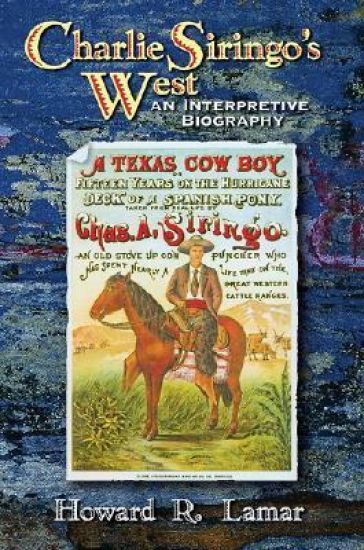
Charlie Siringo (1855-1928) lived the quintessential life of adventure on the American frontier as a cowboy, Pinkerton detective, writer, and later as a consultant for early western films. Siringo was one of the most attractive, bold, and original characters to live and flourish in the final decades of the Wild West. Siringo's love of the cattle business and of cowboy life were so great that in 1885 he published a rollicking, picaresque account of his experiences in 'A Texas Cowboy,' or 'Fifteen Years on the Hurricane Deck of a Spanish Pony -- Taken From Real Life,' which Will Rogers dubbed 'The Cowboy's Bible'. In short, Siringo was a key player in shaping the romantic image of the Wild West cowboy. Howard Lamar's biography deftly shares Siringo's story with historians and the general public interested in the American West. Lamar's account is structured within seventy-five pivotal years of western history, from the Civil War in Texas to Hollywood's glorification of the West in the 1920s. Siringo was not a mere observer, but a participant in major historical events including the Coeur d'Alene mining strikes of the 1890s and Big Bill Haywood's trial in 1907. Within this framework, Lamar focuses on Siringo's youthful struggles to employ his abundant athleticism and ambitions and how Siringo's varied experiences helped develop the compelling national myth of the cowboy.
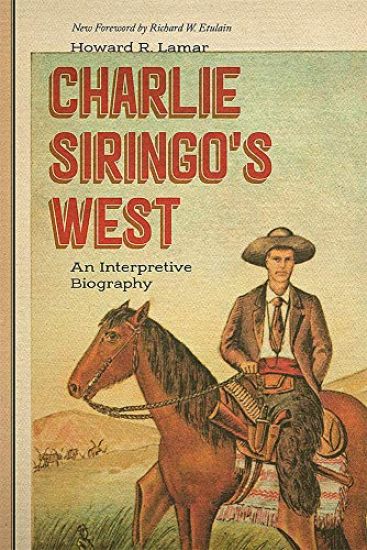
Charlie Siringo's West
Howard R. Lamar; Richard W. Etulain
University of New Mexico Press
2020
nidottu
Charlie Siringo (1855-1928) lived the quintessential life of adventure on the American frontier as a cowboy, Pinkerton detective, writer, and later as a consultant for early western films. Siringo was one of the most attractive, bold, and original characters to live and flourish in the final decades of the Wild West. His love of the cattle business and of cowboy life were so great that in 1885 he published A Texas Cowboy, or Fifteen Years on the Hurricane Deck of a Spanish Pony--Taken From Real Life, which Will Rogers dubbed the "Cowboy's Bible."Howard R. Lamar's biography deftly shares Siringo's story within seventy-five pivotal years of western history. Siringo was not a mere observer but a participant in major historical events including the Coeur d'Alene mining strikes of the 1890s and Big Bill Haywood's trial in 1907. Lamar focuses on Siringo's youthful struggles to employ his abundant athleticism and ambitions and how Siringo's varied experiences helped develop the compelling national myth of the cowboy.