Kirjojen hintavertailu. Mukana 12 363 128 kirjaa ja 12 kauppaa.

Kirjahaku

Etsi kirjoja tekijän nimen, kirjan nimen tai ISBN:n perusteella.

1000 tulosta hakusanalla David Neu

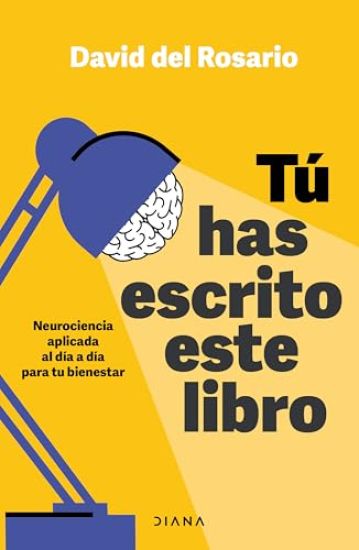
Tú Has Escrito Este Libro: Neurociencia Aplicada Al Día a Día Para Tu Bienestar / You Have Written This Book
Neurociencia aplicada a tu d a a d a: aprende a relacionarte de manera pac fica con tus pensamientos para disfrutar de una vida plena y feliz.Nos definimos como seres pensantes y nos guiamos por nuestros pensamientos o creencias sin sospechar que estos, a los ojos de la neurociencia, no son m s que propuestas de nuestro cerebro. A partir de estas propuestas elegimos qu estudiar, discutimos, buscamos pareja, montamos una empresa, escogemos series en Netflix, nos divorciamos, tenemos hijos, los educamos... Lo que pensamos constituye ciertamente nuestra realidad. Pero qu pasar a si aprendieras c mo tu cerebro da forma a los pensamientos, cu les son sus man as y puntos d biles? Qu ocurrir a si te ense aran a relacionarte con tus pensamientos de otra manera? C mo ser a tu vida si pudieras ver a tus pensamientos como meras propuestas neuronales y fueras libre de usarlos o no? Somos arquitectos del mundo que percibimos. Literalmente. Y los pensamientos son el plano de la obra. Una retransmisi n en vivo y en directo del comentarista que todos llevamos dentro que nos brinda la posibilidad de responsabilizarnos del significado que nuestro cerebro otorga al mundo. ENGLISH DESCRIPTIONNeuroscience applied to your daily life: learn to relate peacefully to your thoughts to enjoy a full and happy life.We define ourselves as "thinking beings" and are guided by our thoughts or beliefs without suspecting that, in the eyes of neuroscience, they are nothing more than proposals from our brain. Based on these proposals, we choose what to study, argue, find a partner, start a business, select series on Netflix, get divorced, have children, raise them... What we think certainly constitutes our reality. But what if you learned how your brain shapes thoughts, its quirks and weaknesses? What if you were taught to relate to your thoughts differently? How would your life be if you could see your thoughts as mere neural proposals and were free to use them or not?"We are architects of the world we perceive. Literally. And thoughts are the blueprint of the work. A live broadcast of the commentator we all carry inside that gives us the ability to take responsibility for the meaning our brain gives to the world."
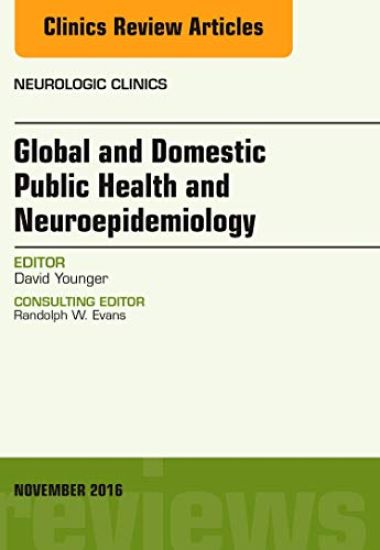
Global and Domestic Public Health and Neuroepidemiology, An Issue of Neurologic Clinics
This issue of Neurologic Clinics, edited by Dr. David Younger, is focused on Global and Domestic Public Health and Neuroepidemeiology. Topics covered in the issue include, but are not limited to research methods; gene-environment interplay; Alzheimer disease; headache disorders; multiple sclerosis and related disorders; lyme neuroborreliosis; cerebrovascular disease; neuro-oncology; community health needs assessment; and neurologic public health in the BRICS.
Cambridge Medical Reviews: Neurobiology and Psychiatry: Volume 2

Cambridge Medical Reviews: Neurobiology and Psychiatry: Volume 2

Dawbarn David; McCulloch James; Tammingha Carol

Cambridge University Press
2011
pokkari
This book was originally published in 1993. At the time of publication, the neurobiological basis of psychiatric disorder was a rapidly expanding field of study, primarily as a result of developments in the basic neurosciences. Neurobiology and Psychiatry served as a regular forum for evaluation and dissemination of information in this fundamental field of biological psychiatry. Topics selected for review illustrated the application of a range of neurobiological techniques to major psychiatric disorders, providing an in-depth review of work in this field. The intended readership included established research workers in the field, postgraduate psychiatrists, psychiatric trainees and other clinical and laboratory workers.
Explanation and Critical Thinking in the Neurosciences

Explanation and Critical Thinking in the Neurosciences

David Parker

Cambridge University Press
2026
pokkari
While most programmes in neuroscience are understandably built around imparting foundational knowledge of cell biology, neurons, networks and physiology, there is less attention paid to critical perspectives on methods. This book addresses this gap by covering a broad array of topics including the philosophy of science, challenges of terminology and language, reductionism, and social aspects of science to challenge claims to explanation and understanding in neuroscience. Using examples from dominant areas of neuroscience research alongside novel material from systems that are less often presented, it promotes the general need of scientists (and non-scientists) to think critically. Chapters also explore translations between neuroscience and technology, artificial intelligence, education, and criminology. Featuring accessible material alongside further resources for deeper study, this work serves as an essential resource for undergraduate and graduate courses in psychology, neuroscience, and biological sciences, while also supporting researchers in exploring philosophical and methodological challenges in contemporary research.
Explanation and Critical Thinking in the Neurosciences

Explanation and Critical Thinking in the Neurosciences

David Parker

Cambridge University Press
2026
sidottu
While most programmes in neuroscience are understandably built around imparting foundational knowledge of cell biology, neurons, networks and physiology, there is less attention paid to critical perspectives on methods. This book addresses this gap by covering a broad array of topics including the philosophy of science, challenges of terminology and language, reductionism, and social aspects of science to challenge claims to explanation and understanding in neuroscience. Using examples from dominant areas of neuroscience research alongside novel material from systems that are less often presented, it promotes the general need of scientists (and non-scientists) to think critically. Chapters also explore translations between neuroscience and technology, artificial intelligence, education, and criminology. Featuring accessible material alongside further resources for deeper study, this work serves as an essential resource for undergraduate and graduate courses in psychology, neuroscience, and biological sciences, while also supporting researchers in exploring philosophical and methodological challenges in contemporary research.
Student Activities Manual for Dollenmayer/Hansen's Neue Horizonte, 8th

Student Activities Manual for Dollenmayer/Hansen's Neue Horizonte, 8th

David B. Dollenmayer; Thomas S. Hansen

Wadsworth Publishing Co Inc
2013
nidottu
This combination workbook/laboratory manual helps you maximize your course success. The workbook section provides a variety of written exercises for chapters 1-15 that recombine the vocabulary and grammar structures presented in the corresponding chapter of the student text. The workbook also includes four summary and review sections, Zusammenfassung und Wiederholung. Each ends with a "Test Your Progress" self-test. The Laboratory Manual is coordinated with the SAM Audio Program (available on the Premium Website) and features the following for each chapter: Dialoge, Fragen zu den Dialogen, H ren Sie gut zu , bung zur Aussprache, ben wir (grammar exercises from the textbook and variations thereof), bung zur Betonung (recognizing stressed syllables), and Diktat. The new Video Manual consists of 12 chapters worth of activities to accompany the Neue Horizonte video (available through the Premium Website).