"Folk knowledge of language has not engaged linguists very often in the history of that field. Introductory texts often disparage folkbelief in contrast to 'scientific truth'. In fact, language is a ubiquitous topic of discussion and general concern of the folk. They talk about grammar, pronunciation, first and second language learning, language disabilities, dialects, gender and language, and a host of other topics. This book approaches such beliefs as one of most important aspects of ethnography. Surely what a people believe about their language is as important as any other key to an understanding of their culture. This fascinating book investigates how non-linguists think and talk about language, an area overlooked by linguists, as the authors show."Joseph Salmons in: Diachronica
Folk knowledge of language has not engaged linguists very often in the history of that field. Introductory texts often disparage folk-belief in contrast to "scientfic truth". In fact, language is a ubiquitous topic of discussion and general concern of the folk. They talk about grammar, pronunciation, first and second language learning, language disabilities, dialects, gender and language, and a host of other topics. This book approaches such beliefs as one of the most important aspects of ethnography. Surely what a people believe about their language is as important as any other key to an understanding of their culture.
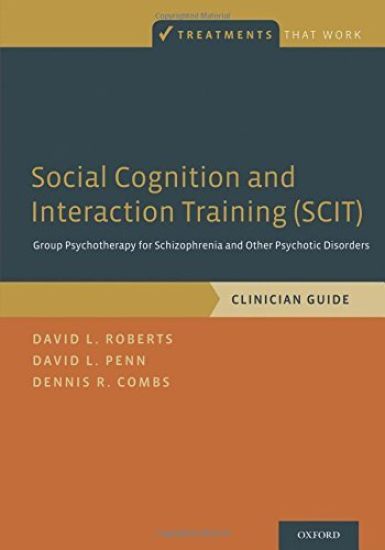
Impairments in social functioning are among the hallmark characteristics of schizophrenia. These deficits predict relapse rate and may be independent of better-studied symptoms such as hallucinations. Additionally, studies indicate that social functioning is one of the most important domains for individuals with schizophrenia, many of whom consider social functioning to be a key area of unmet need. Social Cognition and Interaction Training (SCIT) is a group psychotherapy for individuals with schizophrenia and other psychotic disorders. Social cognition refers to the thinking processes that people use to navigate the social world. Deficits in social cognition hinder people with schizophrenia and other mental illnesses from living meaningful, socially connected lives. The SCIT Clinician Guide provides comprehensive instruction for mental health professionals to enhance social cognition and promote rewarding social lives for their clients. SCIT is appropriate for adults suffering from psychotic illness and who have interpersonal difficulties as a result. SCIT is particularly appropriate for individuals with symptoms of suspiciousness and paranoia. The authors summarize the rationale and theoretical underpinnings of SCIT, distinguish it from other treatments for psychosis, provide an overview of the intervention, explain the links between the intervention activities and the underlying theoretical model, and describe SCIT implementation session-by-session. SCIT is a 20- to 24-week group-based treatment that can be delivered by mental health clinicians of all levels in a wide range of community and hospital settings. SCIT uses exercises, games, discussion formats, and interactive social stimuli to target and improve specific areas of social cognitive dysfunction, and includes user-friendly tips and handouts for clients. It also provides web access to a library of videos, images and slide shows that are used to bring the SCIT training sessions to life.
Readers preparing to work in hospitality will enter a field that is quickly evolving. The rise of the global economy, ecotourism, internet commerce, and changing consumer demands are just some of the factors they will be dealing with in this exciting and dynamic industry. This new edition gives readers the foundation they need to thrive in today's hospitality industry, covering everything from finance to operational issues. The Eighth Edition of Introduction to the Hospitality Industry features both historical perspectives and discussions of new trends in a variety of sectors of the hospitality business, including food service, lodging, and tourism. Additional international examples of hospitality and tourism operations have been included throughout the text. This book covers all the latest trends, challenges, and opportunities in the hospitality industry. Readers will have a strong overview of the industry, where it fits into the broader world, the major issues and challenges in the field, and the many possible career paths that await them.
Readers seeking management careers in hospitality will enter a dynamic industry filled with opportunities. The rewards are many, but so are the challenges. Today’s hospitality managers must deal with such complex factors as globalization, terrorism threats, ecotourism, internet commerce, new business and financial models, and rapidly changing consumer demands. Introduction to Management in the Hospitality Industry, Tenth Edition gives readers the industry know-how and the management skills needed to thrive in all aspects of the field, from food service to lodging to tourism. The Tenth Edition of Introduction to Management in the Hospitality Industry features both historical perspectives and discussions of new trends in a variety of sectors. This book has the most thorough coverage of the hospitality industry, covering foodservice, lodging, and travel and tourism, hospitality careers, and hospitality management. Readers will have a strong grasp of the many facets of the hospitality industry once they have utilized this textbook.
Why should manufacturing firms in many national industries maintain multiple small scale plants when they might produce the same output at a lower unit cost in a single large establishment? What specific benefits are attained through the operation of multiple plants? To address these questions, the authors conducted 125 in-depth interviews with businessmen actively involved in plant size and multi-plant operating decisions. They investigated the experience of twelve industries in six countries (West Germany, France, the United Kingdom, Sweden, Canada, and the United States).The authors develop an economic theory of plant size and multi-plant decisions and apply it to analyze the statistical and qualitative evidence on factors affecting plant size choices. They then examine the extent of multi-plant operation, its statistical correlate, and the economy actually or potentially realizable from various modes of multi-plant operation. Implications are drawn from antitrust and foreign trade policy, the evolution of scientific business management, and the development of industrial organization knowledge.
Readers seeking management careers in hospitality will enter a dynamic industry filled with opportunities. The rewards are many, but so are the challenges. Today's hospitality managers must deal with such complex factors as globalization, terrorism threats, ecotourism, internet commerce, new business and financial models, and rapidly changing consumer demands. Introduction to Management in the Hospitality Industry, 10 th Edition gives readers the industry know-how and the management skills needed to thrive in all aspects of the field, from food service to lodging to tourism. The Tenth Edition of Introduction to Management in the Hospitality Industry features both historical perspectives and discussions of new trends in a variety of sectors. This book has the most thorough coverage of the hospitality industry, covering foodservice, lodging, and travel and tourism, hospitality careers, and hospitality management. Upon successful completion of this text, readers will have a strong grasp of the many facets of the hospitality industry.
Roitt's Essential Immunology - the textbook of choice for students and instructors of immunology worldwide Roitt’s Essential Immunology clearly explains the key principles needed by medical and health sciences students, from the basis of immunity to clinical applications. A brand new introduction sets the scene to section 1, Fundamentals of Immunology, introducing the microbial world and the strategies the body employs to defend itself. Each chapter then guides the reader through a different part of the immune system, and explains the role of each cell or molecule individually, and then as a whole. Section 2, Applied Immunology, discusses what happens when things go wrong, and the role the immune system plays alongside the damaging effects of a disease, including cancer, immunodeficiency, allergies and transplantation and the beneficial effects of vaccines. The 13th edition continues to be a user-friendly and engaging introduction to the workings of the immune system, whilst supporting those who require a slightly more detailed understanding of the key developments in immunology. The content has been fully updated throughout and includes: An expansion on key clinical topics, including: innate immunity, autoimmune conditions, asthma, primary immunodeficiency, and HIV/AIDSBeautifully presented with improved artwork and new illustrationsA range of learning features, including introduction re-cap boxes, end of chapter and section summaries to aid revision, as well as further reading suggestions, and a glossary to explain the most important immunology terms. Roitt's Essential Immunology is also supported by a companion website at www.roitt.com including: An additional online only chapter on immunological methods and applications Further interactive multiple choice and single best answer questions for each chapterAnimations and videos showing key conceptsFully downloadable figures and illustrations, further reading and useful linksUpdated extracts from the Encyclopaedia of Life SciencesPodcasts to reinforce the key principles explained in the text
This volume explores the Greco-Roman and Jewish origins of the New Testament and early Christianity. It pays particular attention to the gospels and the traditions which places those sacred texts.
A comprehensive review of dento-alveolar complications for the oral and maxillofacial surgeon! Topics will include bleeding, dento-alveolar infections, infections extending into the neck, osteomyelitis and osteitis, endodontic complications, nerve injuries, local anesthesia, pathology, bone grafting, osteoradionecrosis, bisphosphonate associated jaw necrosis, and much more!
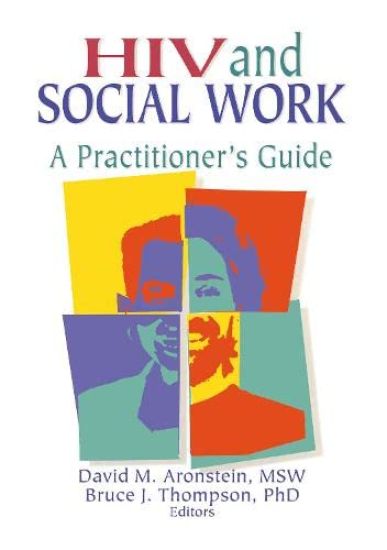
As HIV/AIDS continue to plague societies around the world, more and more social workers encounter HIV-infected individuals and their families and friends who are searching for help and support. In HIV and Social Work: A Practitioner's Guide, experienced social workers share their practice wisdom, knowledge, and skills on a broad range of issues. Their words of wisdom will give you the willingness to follow problems through and the flexibility and creativity that are required when dealing with issues concerning HIV/AIDS. At the same time, you will achieve a sense of empowerment and optimism as you realize that there are things you can do--very specific kinds of help you can offer--that can make an enormous difference in the lives of people with HIV/AIDS and those who love and care for them. HIV and Social Work is a practical, user-friendly resource for social workers who practice in a variety of settings and fields. You'll find it a rich and useful book if you're moving into HIV/AIDS work and want guidance, or if you're experienced and want to sharpen your skills, or if you just want to be prepared for when you find people with HIV or their family members in your office in need of help. Specifically, you'll gain valuable insight about:basic psychosocial interventions for people with HIV/AIDS in-depth practical suggestions for specific problem areas and specific groups of people with HIV/AIDS better listening skills how to know your own limitations and live your own life more fully in the face of sadness the importance and challenge of returning to fundamental social work skillsYou'll refer to HIV and Social Work time and time again as you confront new HIV-related situations in your practice for which you need easy-to-understand descriptions of what to do and how to do it. Acknowledging your busy schedule, the book is organized so that you may use it on a “knowledge as needed” basis or read it straight through. Written specifically by and for social workers, HIV and Social Work is highly recommended as required reading in social work programs at the Bachelor's and/or Master's levels.
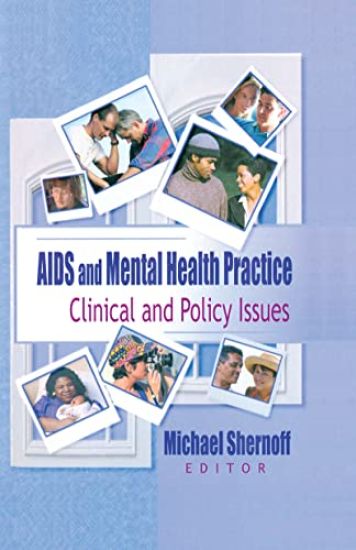
Addressing contemporary issues faced by individuals with HIV/AIDS, AIDS and Mental Health Practice: Clinical and Policy Issues provides psychologists, psychiatrists, social workers, and counselors with research and case studies that offers models for effective clinical practice at this stage of the epidemic. Each chapter is written by experts in the field and demonstrates ways to provide better services to different populations, many of whom are ignored in AIDS and mental health literature. As a result, this book will provide professionals in the field and students in training with the most current practice information about mental health practice and HIV/AIDS. AIDS and Mental Health Practice will help you understand the diverse needs of people with HIV/AIDS and organize services to assist these populations. AIDS and Mental Health Practice discusses issues that affect several different groups in order to help you understand the unique situations of your clients. You will learn how to design treatments that will be most beneficial to Latinos, intravenous drug users, orphaned children, African Americans, HIV-negative gay men, HIV nonprogressors, HIV-positive transsexuals, end-stage AIDS clients, couples of mixed HIV status, and individuals suffering from HIV-associated Cognitive Motor Disorder. This book provides you with approaches that will improve services for these populations, including:talking to patients about the positive and negative aspects of taking protease inhibitors and discussing their feelings of hope, skepticism, and fear of being disappointed by the treatment preparing clients to go back to work by exploring the meaning of work and referring them to vocational services if necessary providing support groups for people living with AIDS (PLWAs), their loved ones, their families, and individuals in bereavement as a result of an AIDS-related death organizing a HIV-negative gay men’s support group that uses exercises and homework to focus on the members’ambivalent connection to the AIDS community, how they remain HIV negative, and ways to deal with separation and grief issues assessing and/or correcting underlying racism in AIDS service organizationsThe prevention and intervention strategies in Mental Health and AIDS Practice will help you address and treat mental health issues associated with HIV/AIDS and offer clients more effective and relevant services.
Addressing contemporary issues faced by individuals with HIV/AIDS, AIDS and Mental Health Practice: Clinical and Policy Issues provides psychologists, psychiatrists, social workers, and counselors with research and case studies that offers models for effective clinical practice at this stage of the epidemic. Each chapter is written by experts in the field and demonstrates ways to provide better services to different populations, many of whom are ignored in AIDS and mental health literature. As a result, this book will provide professionals in the field and students in training with the most current practice information about mental health practice and HIV/AIDS. AIDS and Mental Health Practice will help you understand the diverse needs of people with HIV/AIDS and organize services to assist these populations. AIDS and Mental Health Practice discusses issues that affect several different groups in order to help you understand the unique situations of your clients. You will learn how to design treatments that will be most beneficial to Latinos, intravenous drug users, orphaned children, African Americans, HIV-negative gay men, HIV nonprogressors, HIV-positive transsexuals, end-stage AIDS clients, couples of mixed HIV status, and individuals suffering from HIV-associated Cognitive Motor Disorder. This book provides you with approaches that will improve services for these populations, including:talking to patients about the positive and negative aspects of taking protease inhibitors and discussing their feelings of hope, skepticism, and fear of being disappointed by the treatment preparing clients to go back to work by exploring the meaning of work and referring them to vocational services if necessary providing support groups for people living with AIDS (PLWAs), their loved ones, their families, and individuals in bereavement as a result of an AIDS-related death organizing a HIV-negative gay men’s support group that uses exercises and homework to focus on the members’ambivalent connection to the AIDS community, how they remain HIV negative, and ways to deal with separation and grief issues assessing and/or correcting underlying racism in AIDS service organizationsThe prevention and intervention strategies in Mental Health and AIDS Practice will help you address and treat mental health issues associated with HIV/AIDS and offer clients more effective and relevant services.
Learn how to create professional collaboration between HIV/AIDS researchers and community organizations for the benefit of all! This book is designed to help frontline prevention organizations answer two questions that are of utmost importance. First, how effective are their services; and second, can their work be improved? The absence of rigorous evaluation is a barrier to stable funding for community organizations, and the strategies in Preventing AIDS: Community-Science Collaborations can help overcome that barrier. The book is a guide to successful cooperative efforts between researchers and community-based organizations. The information it presents will help community-based programs acquire detailed, timely information on program effectiveness and outcomes. It also provides researchers with methods for accessing hard-to-reach or hidden HIV high-risk groups. Handy tables and figures make important data easy to access and understand. In Preventing AIDS: Community-Science Collaborations, you’ll learn about the difficult but critically important collaboration between community organizations who do frontline prevention work and university scientists who evaluate the effectiveness of that work. The book describes the community-researcher equal partner collaboration (CREPC) model for community-based collaborative research. In addition, it examines six unique efforts to prevent the spread of AIDS among high-risk populations, such as prostitutes, injection drug users, impoverished pregnant women, migrant workers, transgendered persons, and prison inmates. The case studies in Preventing AIDS: Community-Science Collaborations describe the frustrations of outreach workers and counselors who suddenly must help design a survey they fear will be intrusive, and the parallel problems faced by scientists who are told that their traditional measures mean little to outreach workers. Preventing AIDS: Community-Science Collaborations presents funders’ perspectives on collaborative AIDS research and examines the collaborative and funding aspects of: the CAL-PEP prevention programs for drug injectors and sex workers efforts to promote HIV prevention for migrant farm workers and evaluate those efforts’ effectiveness the ongoing collaboration between The Center for AIDS Prevention Studies (University of California, San Francisco), Centerforce (a statewide nonprofit agency providing services and advocacy to prisoners and their families), and San Quentin State Prison the effort of the Los Angeles County HIV Epidemiology Program and three community-based organizations, which collaborate to provide culturally appropriate outreach and HIV education/prevention services to transgendered individuals of various ethnic origins San Francisco’s PHREDA project and the way its creators collaborated to better understand and serve high-risk women The U-Find-Out (UFO) Study, funded by the Universitywide AIDS Research Program of the State of California
Learn how to create professional collaboration between HIV/AIDS researchers and community organizations for the benefit of all! This book is designed to help frontline prevention organizations answer two questions that are of utmost importance. First, how effective are their services; and second, can their work be improved? The absence of rigorous evaluation is a barrier to stable funding for community organizations, and the strategies in Preventing AIDS: Community-Science Collaborations can help overcome that barrier. The book is a guide to successful cooperative efforts between researchers and community-based organizations. The information it presents will help community-based programs acquire detailed, timely information on program effectiveness and outcomes. It also provides researchers with methods for accessing hard-to-reach or hidden HIV high-risk groups. Handy tables and figures make important data easy to access and understand. In Preventing AIDS: Community-Science Collaborations, you’ll learn about the difficult but critically important collaboration between community organizations who do frontline prevention work and university scientists who evaluate the effectiveness of that work. The book describes the community-researcher equal partner collaboration (CREPC) model for community-based collaborative research. In addition, it examines six unique efforts to prevent the spread of AIDS among high-risk populations, such as prostitutes, injection drug users, impoverished pregnant women, migrant workers, transgendered persons, and prison inmates. The case studies in Preventing AIDS: Community-Science Collaborations describe the frustrations of outreach workers and counselors who suddenly must help design a survey they fear will be intrusive, and the parallel problems faced by scientists who are told that their traditional measures mean little to outreach workers. Preventing AIDS: Community-Science Collaborations presents funders’ perspectives on collaborative AIDS research and examines the collaborative and funding aspects of: the CAL-PEP prevention programs for drug injectors and sex workers efforts to promote HIV prevention for migrant farm workers and evaluate those efforts’ effectiveness the ongoing collaboration between The Center for AIDS Prevention Studies (University of California, San Francisco), Centerforce (a statewide nonprofit agency providing services and advocacy to prisoners and their families), and San Quentin State Prison the effort of the Los Angeles County HIV Epidemiology Program and three community-based organizations, which collaborate to provide culturally appropriate outreach and HIV education/prevention services to transgendered individuals of various ethnic origins San Francisco’s PHREDA project and the way its creators collaborated to better understand and serve high-risk women The U-Find-Out (UFO) Study, funded by the Universitywide AIDS Research Program of the State of California
Meet the women behind the statistics!Women's Experiences with HIV/AIDS: Mending Fractured Selves examines the impact of HIV/AIDS on women, the fastest-growing subgroup of the HIV-infected population of the United States. Based on interviews with HIV-infected women, the book gives voice to their experiences. This powerful text offers a firsthand view of what it is like to live day-to-day as a woman with the added burden of HIV/AIDS.Women's Experiences with HIV/AIDS is a powerful and compelling look at the day-to-day struggles of 37 women infected with HIV. Their stories detail their ongoing effortswith varying degrees of successto come to grips with the disease as they try to rebuild their lives. Through qualitative analysis, the book demonstrates the importance of relational resources, such as AIDS activism, support groups, and social support. It also addresses potential problems for women associated with caregiving and presents ethnographic research findings on the complex factors that affect women with HIV (socioeconomic status, sexual preference, lifestyle differences). Women's Experiences with HIV/AIDS also addresses research topics such as: how HIV infection affects a woman's sense of self how women repair disruption and restore identities the limits to women's coping strategies and whether those strategies still work if women become functionally impaired or develop AIDS how women's structural and social environments facilitate or impede repair the role of women's informal networks in biological disruption and repairA rare look at the experience of women infected with HIV (most studies focus on male samples), Women's Experiences with HIV/AIDS is an invaluable academic resource as a course supplement in the fields of medical sociology, women's studies, public health, and community health, and is an enlightening read for everyone interested in HIV/AIDS research.
Meet the women behind the statistics!Women's Experiences with HIV/AIDS: Mending Fractured Selves examines the impact of HIV/AIDS on women, the fastest-growing subgroup of the HIV-infected population of the United States. Based on interviews with HIV-infected women, the book gives voice to their experiences. This powerful text offers a firsthand view of what it is like to live day-to-day as a woman with the added burden of HIV/AIDS.Women's Experiences with HIV/AIDS is a powerful and compelling look at the day-to-day struggles of 37 women infected with HIV. Their stories detail their ongoing effortswith varying degrees of successto come to grips with the disease as they try to rebuild their lives. Through qualitative analysis, the book demonstrates the importance of relational resources, such as AIDS activism, support groups, and social support. It also addresses potential problems for women associated with caregiving and presents ethnographic research findings on the complex factors that affect women with HIV (socioeconomic status, sexual preference, lifestyle differences). Women's Experiences with HIV/AIDS also addresses research topics such as: how HIV infection affects a woman's sense of self how women repair disruption and restore identities the limits to women's coping strategies and whether those strategies still work if women become functionally impaired or develop AIDS how women's structural and social environments facilitate or impede repair the role of women's informal networks in biological disruption and repairA rare look at the experience of women infected with HIV (most studies focus on male samples), Women's Experiences with HIV/AIDS is an invaluable academic resource as a course supplement in the fields of medical sociology, women's studies, public health, and community health, and is an enlightening read for everyone interested in HIV/AIDS research.
Explore ways to reduce the rate of HIV infection in street prostitutes--and the inescapable connection between the heroin trade, prostitution, and HIV!This unique book draws on face-to-face interviews that the author conducted on the streets, with heroin-addicted street prostitutes in Southern California and their counterparts in four large Mexican cities. Author David James Bellis illustrates the significant--and surprising--differences in the risk of exposure to HIV and other STDs that exist between street prostitutes in the two countries arising from national differences in the legality, sociology, and economics of sex work. He points out that Mexican prostitutes, for whom sex work is a simple means of livelihood, are “choir girls” compared with their beaten-up, drug-addicted sisters north of the border who perform sex for drug money and are at much greater risk of HIV and other diseases, like Hepatitis C. This book explores those differences, suggesting new directions for United States prostitution and heroin-control policies--laws currently so interwoven that they reinforce each other, accounting for a deadly circle of crime and disease. In addition to the fascinating results of the author's interviews with 72 female street prostitutes in San Bernardino, California, and 102 more in Tijuana, Cd. Juárez, Cd. Victória, and Cuernavaca regarding their personal sexual, drug, and health practices, and their criminal histories, Hotel Ritz-Comparing Mexican and U.S. Street Prostitutes: Factors in HIV/AIDS Transmission explores: the licensing process for legal prostitutes in Mexico the medical testing that Mexico requires prostitutes to undergo the differences in what United States and Mexican prostitutes know about HIV transmission the difference in condom use between United States and Mexican prostitutes the potential benefits of reforming prostitution and drug laws in both countries the benefits of making methadone maintenence and syringesand heroinfree for heroin-addicted prostitutes the proportion of United States/Mexican prostitutes who would quit the trade if they learned they had AIDS how the social support system in the United States (housing subsidies, TANF/AFDC money, food stamps, etc.) leads to a greater proportion of drug-addicted prostitutes than are found in Mexico Hotel Ritz-Comparing Mexican and U.S. Street Prostitutes: Factors in HIV/AIDS Transmission also provides you with a look at the hierarchy of female sex workers, an explanation of the etiology of AIDS transmission, and a concise history of heroin and prostitution. Helpful tables and an appendix containing the author's survey questions make the data in this well-referenced book easily understandable.
Explore ways to reduce the rate of HIV infection in street prostitutes--and the inescapable connection between the heroin trade, prostitution, and HIV!This unique book draws on face-to-face interviews that the author conducted on the streets, with heroin-addicted street prostitutes in Southern California and their counterparts in four large Mexican cities. Author David James Bellis illustrates the significant--and surprising--differences in the risk of exposure to HIV and other STDs that exist between street prostitutes in the two countries arising from national differences in the legality, sociology, and economics of sex work. He points out that Mexican prostitutes, for whom sex work is a simple means of livelihood, are “choir girls” compared with their beaten-up, drug-addicted sisters north of the border who perform sex for drug money and are at much greater risk of HIV and other diseases, like Hepatitis C. This book explores those differences, suggesting new directions for United States prostitution and heroin-control policies--laws currently so interwoven that they reinforce each other, accounting for a deadly circle of crime and disease. In addition to the fascinating results of the author's interviews with 72 female street prostitutes in San Bernardino, California, and 102 more in Tijuana, Cd. Juárez, Cd. Victória, and Cuernavaca regarding their personal sexual, drug, and health practices, and their criminal histories, Hotel Ritz-Comparing Mexican and U.S. Street Prostitutes: Factors in HIV/AIDS Transmission explores: the licensing process for legal prostitutes in Mexico the medical testing that Mexico requires prostitutes to undergo the differences in what United States and Mexican prostitutes know about HIV transmission the difference in condom use between United States and Mexican prostitutes the potential benefits of reforming prostitution and drug laws in both countries the benefits of making methadone maintenence and syringesand heroinfree for heroin-addicted prostitutes the proportion of United States/Mexican prostitutes who would quit the trade if they learned they had AIDS how the social support system in the United States (housing subsidies, TANF/AFDC money, food stamps, etc.) leads to a greater proportion of drug-addicted prostitutes than are found in Mexico Hotel Ritz-Comparing Mexican and U.S. Street Prostitutes: Factors in HIV/AIDS Transmission also provides you with a look at the hierarchy of female sex workers, an explanation of the etiology of AIDS transmission, and a concise history of heroin and prostitution. Helpful tables and an appendix containing the author's survey questions make the data in this well-referenced book easily understandable.