Kirjojen hintavertailu. Mukana 11 529 335 kirjaa ja 12 kauppaa.

Kirjahaku

Etsi kirjoja tekijän nimen, kirjan nimen tai ISBN:n perusteella.

1000 tulosta hakusanalla Murray R. Janewski

Self-Commutating Converters for High Power Applications

Self-Commutating Converters for High Power Applications

Jos Arrillaga; Yonghe H. Liu; Neville R. Watson; Nicholas J. Murray

John Wiley Sons Inc
2009
sidottu
For very high voltage or very high current applications, the power industry still relies on thyristor-based Line Commutated Conversion (LCC), which limits the power controllability to two quadrant operation. However, the ratings of self-commutating switches such as the Insulated-Gate Bipolar Transistor (IGBT) and Integrated Gate-Commutated Thyristor (IGCT), are reaching levels that make the technology possible for very high power applications. This unique book reviews the present state and future prospects of self-commutating static power converters for applications requiring either ultra high voltages (over 600 kV) or ultra high currents (in hundreds of kA). It is an important reference for electrical engineers working in the areas of power generation, transmission and distribution, utilities, manufacturing and consulting organizations. All topics in this area are held in this one complete volume. Within these pages, expect to find thorough coverage on: modelling and control of converter dynamics;multi-level Voltage Source Conversion (VSC) and Current Source Conversion (CSC);ultra high-voltage VSC and CSC DC transmission;low voltage high DC current AC-DC conversion;industrial high current applications;power conversion for high energy storage. This text has a host of helpful material that also makes it a useful source of knowledge for final year engineering students specializing in power engineering, and those involved in postgraduate research.

Catastrophe Insurance

Catastrophe Insurance

Martin F. Grace; Robert W. Klein; Paul R. Kleindorfer; Michael R. Murray

Springer-Verlag New York Inc.
2003
sidottu
1. THE PROBLEM OF CATASTROPHE RISK The risk of large losses from natural disasters in the U.S. has significantly increased in recent years, straining private insurance markets and creating troublesome problems for disaster-prone areas. The threat of mega-catastrophes resulting from intense hurricanes or earthquakes striking major population centers has dramatically altered the insurance environment. Estimates of probable maximum losses (PMLs) to insurers from a mega­ catastrophe striking the U.S. range up to $100 billion depending on the location and intensity of the event (Applied Insurance Research, 2001).1 A severe disaster could have a significant financial impact on the industry (Cummins, Doherty, and Lo, 2002; Insurance Services Office, 1996a). Estimates of industry gross losses from the terrorist attack on September 11, 2001 range from $30 billion to $50 billion, and the attack's effect on insurance markets underscores the need to understand the dynamics of the supply of and the demand for insurance against extreme events, including natural disasters. Increased catastrophe risk poses difficult challenges for insurers, reinsurers, property owners and public officials (Kleindorfer and Kunreuther, 1999). The fundamental dilemma concerns insurers' ability to handle low-probability, high-consequence (LPHC) events, which generates a host of interrelated issues with respect to how the risk of such events are 1 These probable maximum loss (PML) estimates are based on a SOD-year "return" period.
Primary Bone Tumors and Tumorous Conditions in Children

Primary Bone Tumors and Tumorous Conditions in Children

Claus-Peter Adler; H. Sissons; Kazimierz Kozlowski; R. Murray

Springer London Ltd
2011
nidottu
We welcome the publication of this volume, which discusses the diagnosis of bone tumours with particular reference to children and adolescents. As founder members of the International Skeletal Society we are delighted to learn that the book had its inception at one of the Society's meetings. It reflects, moreover, the combined presentation of radiological and pathological diagnostic information which has been such a feature of the meetings of the International Skeletal Society. We commend it to all readers with an interest in tumours of the skeleton. Hubert A. Sissons Ronald O. Murray Preface The diagnosis of primary bone tumors is often difficult. There are several reasons for this. As primary bone tumors are rare in childhood, practitioners in a number of pediatric subspecialties are not familiar with them. The clinical symptoms and signs are often elusive, the biochemical investigations usually normal and the radio­ graphic features often uncharacteristic. Even the pathologist, who is the final step in arriving at the proper diagnosis and who has all the available clinical, biochemical and radiographic data, may encounter difficulties. A good tissue sample is the basis for microscopic investigation. However, bone tumors often show an extreme variety of structures which confuse even experienced bone pathologists. Therefore, histo­ pathologic analysis must take into account all available clinical, biochemical and radiographic data. The close cooperation of the pathologist with clinicians and, especially, radiologists is of the utmost importance.
Catastrophe Insurance

Catastrophe Insurance

Martin F. Grace; Robert W. Klein; Paul R. Kleindorfer; Michael R. Murray

Springer-Verlag New York Inc.
2012
nidottu
1. THE PROBLEM OF CATASTROPHE RISK The risk of large losses from natural disasters in the U.S. has significantly increased in recent years, straining private insurance markets and creating troublesome problems for disaster-prone areas. The threat of mega-catastrophes resulting from intense hurricanes or earthquakes striking major population centers has dramatically altered the insurance environment. Estimates of probable maximum losses (PMLs) to insurers from a mega­ catastrophe striking the U.S. range up to $100 billion depending on the location and intensity of the event (Applied Insurance Research, 2001).1 A severe disaster could have a significant financial impact on the industry (Cummins, Doherty, and Lo, 2002; Insurance Services Office, 1996a). Estimates of industry gross losses from the terrorist attack on September 11, 2001 range from $30 billion to $50 billion, and the attack's effect on insurance markets underscores the need to understand the dynamics of the supply of and the demand for insurance against extreme events, including natural disasters. Increased catastrophe risk poses difficult challenges for insurers, reinsurers, property owners and public officials (Kleindorfer and Kunreuther, 1999). The fundamental dilemma concerns insurers' ability to handle low-probability, high-consequence (LPHC) events, which generates a host of interrelated issues with respect to how the risk of such events are 1 These probable maximum loss (PML) estimates are based on a SOD-year "return" period.
Progress in Drug Research

Progress in Drug Research

Richard M. Eglen; Mont R. Juchau; Gillian Edwards; Arthur H. Weston; Helen Wise; M. D. Murray; D. Craig Brater; Olivier Valdenaire; Philippe Vernier; Annemarie Polak

Springer Basel
2012
nidottu
From the contents: * C. Brater and M. D. Murray: The effects of NSAIDs on the kidney * G. Edwards and A. H. Weston: Latest developments in potassium channel modulator drugs * M.R. Juchau and Y. Huang: Chemical teratogenesis in humans: Biochemical and molecular mechanisms * S.P. Gupta: Studies on cardiovascular drugs * G. Polak: Antifungal chemotherapy: An everlasting battle * O. Valdenaire: New insights into the bioamine receptor family
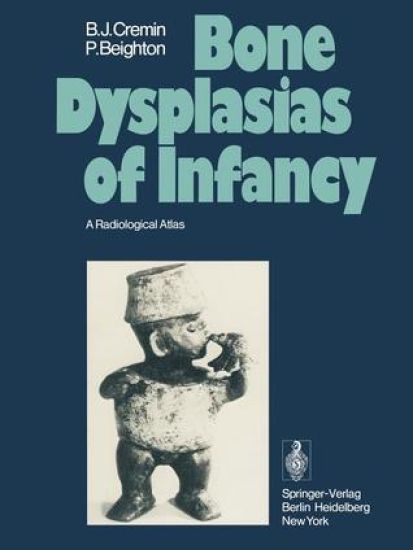
Bone Dysplasias of Infancy

Bone Dysplasias of Infancy

B. J. Cremin; R. O. Murray; P. Beighton

Springer-Verlag Berlin and Heidelberg GmbH Co. K
2012
nidottu
The tremendous expansion of medical knowledge during the last few decades, together with the introduction of many new diagnostic techniques, has demanded such a degree of specialisation that no single individual can be conversant with all the information available. More and more emphasis, therefore, has been placed on the importance of teamwork and close collaboration between associated disciplines. The bone dysplasias of infancy represent a classical example of this concept. Only a few years ago these heritable conditions were divided into a relatively small number of entities, for many of which "atypical variants" were accepted. More recent studies have resulted in appreciation and early recognition of a large number of these disorders, thanks to co-operation between paediatricians, radiologists, geneticists and biochemists. Not only maya reasonably accurate prognosis be offered for the affected child in many instances, but, almost of greater value, genetic counselling concerning the chance of subsequent offspring being similarly affected has become available to parents. Most radiologists have little opportunity of becoming familiar with this rapidly widening field of diagnosis, so that the occasional case which may be encountered is likely to engender diagnostic difficulty. This Atlas should facilitate greatly the solution of the problem. It has been prepared by Professor CREMIN, an outstanding paediatric radiologist whose work has been known and admired by me for many years, in close collaboration with his colleague Professor BEIGHTON, a geneticist of great distinction.
Unified Protocol for Transdiagnostic Treatment of Emotional Disorders

Unified Protocol for Transdiagnostic Treatment of Emotional Disorders

David H. Barlow; Todd J. Farchione; Shannon Sauer-Zavala; Heather Murray Latin; Kristen K. Ellard; Jacqueline R. Bullis; Kate H. Bentley; Hannah T. Boettcher; Clair Cassiello-Robbins

Oxford University Press Inc
2018
nidottu
Contemporary research on major emotional disorders emphasizes their commonalities rather than their differences. This research continues to lend support for a unified transdiagnostic approach to treatment of these disorders that considers their commonalities and is applicable to a range of emotional problems. Unified Protocol for Transdiagnostic Treatment of Emotional Disorders provides an alternative to disorder-specific treatments of various emotional disorders, designed to be applicable to the wide range of anxiety and other disorders with strong emotional components. The Therapist Guide and accompanying client Workbook present an eight-module therapy program that puts substantial emphasis on emotion-focused approaches, helping clients confront and experience challenging emotions while teaching them how to regulate those emotions. Expanded considerably in this second edition, the volume provides guidance on using the Unified Protocol (UP) to address problems not only with anxiety, but also with depression, eating disorders, non-suicidal self-injury, substance use, and anger. Treatment procedures have been further elucidated and more guidance is provided to practitioners on how to present key treatment concepts. Chapters brand new to this updated edition introduce functional assessment and describe how to provide the UP in a group format, while patient materials have been revised, streamlined, and made more user-friendly.
Unified Protocol for Transdiagnostic Treatment of Emotional Disorders

Unified Protocol for Transdiagnostic Treatment of Emotional Disorders

David H. Barlow; Todd J. Farchione; Shannon Sauer-Zavala; Heather Murray Latin; Kristen K. Ellard; Jacqueline R. Bullis; Kate H. Bentley; Hannah T. Boettcher; Clair Cassiello-Robbins

Oxford University Press Inc
2018
nidottu
Leading therapists and researchers have come to understand that many psychological disorders share common features and respond to common therapeutic treatments. This deepened understanding of the nature of psychological disorders, their causes, and their symptoms has led to the development of new, comprehensive treatment programs that are effective for whole classes of disorders. Unified Protocol for Transdiagnostic Treatment of Emotional Disorders is one such program. Designed for individuals suffering from emotional disorders, including panic disorder, social anxiety disorder, generalized anxiety disorder, posttraumatic stress disorder, obsessive compulsive disorder, and depression, this program focuses on helping you to better understand your emotions and identify what you're doing in your responses to them that may be making things worse. Throughout the course of treatment you will learn different strategies and techniques for managing your emotional experiences and the symptoms of your disorder. You will learn how to monitor your feelings, thoughts, and behaviors; confront uncomfortable emotions; and learn more effective ways of coping with your experiences. By proactively practicing the skills presented in this book-and completing the exercises, homework assignments and self-assessment quizzes provided in each chapter, you will address your problems in a comprehensive and effective way so you can regulate your emotional experiences and return to living a happy and functional life.
Progress in Drug Research / Fortschritte der Arzneimittelforschung / Progrès des Recherches Pharmaceutiques

Progress in Drug Research / Fortschritte der Arzneimittelforschung / Progrès des Recherches Pharmaceutiques

Vijendra K. Singh; Margaret E. Gnegy; S. P. Gupta; R. Leurs; R. C. Vollinga; H. Timmerman; Ray W. Fuller; Nissim Claude Cohen; Vincenzo Tschinke; Elaine J. Benaksas; E. David Murray; William J. Wechter; Indra Dwivedy; Suprabhat Ray

Springer Basel
2012
nidottu
Volume 45 of "Progress in Drug Research" contains eight reviews and the various indexes which facilitate its use and establish the connection with the previous volumes. The articles in this volume deal with neuro­ peptides as native immune modulators, with Calmodulin and with effects of cell stimuli and drugs on cellular activation, with recent advances in benzodiazepine receptor binding studies, with the medicinal chemistry and therapeutic potentials of ligands of the histamine H3 receptor, with Serotonin uptake inhibitors, with computer-aided drug design, with natri­ uretic hormones and with the recent developments in the chemotherapy of osteoporosis. In the 36 years that PDR has existed, the Editor has enjoyed the valu­ able help and advice of many colleagues. Readers, the authors of the reviews and, last but not least, the reviewers have all contributed greatly to the success of this series. Although the comments received so far have generally been favorable, it is nevertheless necessary to analyze and to reassess the current position and the future direction of such a series of monographs. So far, it has been the Editor's intention to help disseminate information on the vast domain of drug research, and to provide the reader with a tool with which to keep abreast of the latest developments and trends. The reviews in PDR are useful to the nonspecialist, who can obtain an overview of a particular field of drug research in a relatively short time.
Electroreceptors and Other Specialized Receptors in Lower Vertrebrates

Electroreceptors and Other Specialized Receptors in Lower Vertrebrates

T.H. Bullock; A. Fessard; R.H. Hartline; A.J. Kalmijn; P. Laurent; R.W. Murray; H. Scheich; E. Schwartz; T. Szabo

Springer-Verlag Berlin and Heidelberg GmbH Co. K
2011
nidottu
The originality of this volume is to reveal to the reader the fascination of some unfamiliar sensory organs that are sometimes ignored and often misunderstood. These receptors have only recently been identified and their functional specificity is in some cases still a matter for discussion. The four classes of sensory organs considered here differ widely from one another in many respects. One might even say that the only thing they have in common is that they belong to cold-blooded vertebrates. These classes are: 1. the directionally sensitive lateral-line mechanoreceptors of fishes and amphi­ bians (Chapter 7); 2. the pseudobranchial organs of some teleosts, equipped with pressoreceptors and at least three other types of receptors (osmo- and chemoreceptors) (Chapter 8); 3. the infrared-sensitive pit organs of some snake families (Chapter 9) ; 4. the various kinds of electroreceptors found in several marine and freshwater fish families (Chapters 2 to 6). The first three classes of receptors mentioned above thus rate only one chapter each, whereas five chapters are devoted to the electroreceptors. Electroreception has aroused enormous interest among physiologists in specialties ranging from molecular biology to animal behavior. The resulting quantity of research and discussion fully justifies this disproportion. However, it cannot be denied that the contents of the volume must appear unbalanced and heterogeneous, yet it should not be perceived as a mere juxtaposition of particular and unrelated cases.
Unified protocol terapeutmanual : diagnosöverskridande psykologisk behandling

Unified protocol terapeutmanual : diagnosöverskridande psykologisk behandling

David H. Barlow; Todd J. Farchione; Shannon Sauer-Zavala; Heather Murray Latin; Kristen K. Ellard; Jacqueline R. Bullis; Kate H. Bentley; Hannah T. Boettcher; Clair Cassiello-Robbins

Natur Kultur Läromedel och Akademi
2020
sidottu
Många psykiatriska diagnoser överlappar varandra vad gäller uppkomst samt sårbarhets- och vidmakthållandefaktorer. Unified protocol är en banbrytande behandling med KBT som utgår från det som är gemensamt för olika tillstånd, istället för det diagnosspecifika.Behandlingsprogrammet har gott stöd för de flesta ångestsyndrom och för depression, liksom vid andra tillstånd där problem med känsloreglering är centralt. En stor fördel är att programmet kan användas oavsett om klienten lider av en eller flera diagnoser. Boken ger lättfattlig och detaljerad information om hur varje session ska genomföras.Denna terapeutmanual riktar sig till kliniker med utbildning i KBT samt till studerande. Manualen ska användas ihop med Unified protocol – Arbetsbok, som innehåller psykoedukation, övningar och hemuppgifter.Huvudförfattare är David H. Barlow, professor emeritus i psykologi och psykiatri, som är en av världens främsta psykoterapiforskare.Manualen har fackgranskats av Billy Larsson, fil.dr, leg. psykolog, leg. psykoterapeut och handledare.Uppdateringar i denna nya utgåva:Utökat forskningsstödTydligare beskrivning av hur du utför behandlingenNya kapitel om funktionell bedömning och om Unified protocol i gruppformatMer användarvänligt arbetsmaterial
Unified protocol for transdiagnostisk behandling av emosjonelle lidelser

Unified protocol for transdiagnostisk behandling av emosjonelle lidelser

David H. Barlow; Todd J. Farchione; Shannon Sauer-Zavala; Heather Murray Latin; Kristen K. Ellard; Jacqueline R. Bullis; Kate H. Bentley; Hannah T. Boettcher; Clair Cassiello-Robbins

Gyldendal
2025
nidottu
Unified Protocol for transdiagnostisk behandling av emosjonelle lidelser (UP) er et alternativ til diagnosespesifikk behandling. Metoden er utviklet av professor David H. Barlow og kollegaer ved Center for Anxiety and Related Disorders ved Boston University. UP kan brukes på tvers av angstlidelser, depresjon og andre tilstander hvor vansker med å regulere følelser er sentralt. Denne terapeutveilederen og den tilhørende arbeidsboken presenterer et strukturert behandlingsprogram bestående av åtte moduler. Behandlingen hjelper pasienter å møte og håndtere utfordrende følelser på mer hensiktsmessige måter. Tilnærmingen er emosjonsfokusert og bygger på prinsipper fra kognitiv atferdsterapi. Den norske oversettelsen gir en grundig innføring i behandlingsprinsippene i UP og konkret veiledning i hvordan de kan formidles og anvendes i klinisk praksis. Veilederen inkluderer også funksjonell kartlegging av emosjonelle vansker og en beskrivelse av hvordan UP kan tilpasses og gjennomføres i et gruppeformat.
Unified protocol for transdiagnostisk behandling av emosjonelle lidelser

Unified protocol for transdiagnostisk behandling av emosjonelle lidelser

David H. Barlow; Todd J. Farchione; Shannon Sauer-Zavala; Heather Murray Latin; Kristen K. Ellard; Jacqueline R. Bullis; Clair Cassiello-Robbins; Hannah T. Boettcher; Kate H. Bentley

Gyldendal
2025
nidottu
Unified Protocol for transdiagnostisk behandling av emosjonelle lidelser (UP) er et slikt program. Det er utviklet av professor David H. Barlow og kollegaer ved Center for Anxiety and Related Disorders ved Boston University. UP retter seg mot personer med tilstander som panikklidelse, sosial angst, generalisert angst, PTSD, tvangslidelse og depresjon. Programmet kan også være til hjelp ved andre emosjonelle utfordringer. UP hjelper deg å forstå følelser bedre, og å bli bevisst på hva du gjør i møte med følelser som kan forverre vanskene dine. Du lærer konkrete strategier for å observere tanker, følelser og atferd, å nærme deg det som er vanskelig, og å finne mer hensiktsmessige måter du kan håndtere følelsene dine på. Hvert kapittel inneholder øvelser og oppgaver som gir deg en bedre forståelse og mulighet for praktisk trening. Ved å øve aktivt bygger du gradvis ferdigheter som gjør deg bedre i stand til å håndtere vansker og leve et liv som er mer i tråd med det som er viktig for deg. Denne arbeidsboken passer for deg som ønsker å jobbe med følelsesmessige utfordringer – enten sammen med en behandler eller på egen hånd.
Metabolic Turnover in the Nervous System

Metabolic Turnover in the Nervous System

Sidney Roberts; P. Greengard; J. M. Ritchie; Michael M. Brand; G. M. Lehrer; Margaret R. Murray; N. Marks; A. Lajtha; R. Rodnight; Paul Mandel; Monique Jacob; Robert Main Burton; Yasuzo Tsukada; Hrachia Chachatur Buniatian; Sze-Chuh Cheng

Springer-Verlag New York Inc.
2013
nidottu
Volume V deals with the problems of turnover in the nervous system. "Turnover" is defined in different ways, and the term is used in different contexts. It is used rather broadly in the present volume, and intentionally so. The turnover of macromolecules is only one aspect; here "turnover" in­ dicates the simultaneous and coordinated formation and breakdown of macromolecular species. The complexities of cerebral protein turnover are shown in a separate chapter dealing with the synthesis of proteins, in another on breakdown, and in still another on the relationship of these two (showing how the two halves of turnover are controlled). The fact that most likely the two halves of protein turnover, synthesis and breakdown, are separated spatially and the mechanisms involved are different further emphasizes the complexity of macromolecular turnover. "Turnover" is used in a different context when the turnover of a cycle is discussed; but here again a number of complex metabolic reactions have to be interrelated and controlled; some such cycles are discussed briefly in this volume, additional cycles have been discussed with metabolism, and some cycles still await elucidation or discovery.
Success Mindsets

Success Mindsets

Alinka Rutkowska; Aaron Poynton; Ankit Andy Mehta; Anjali Sharma; Areva Martin; Arvind Sharma; Bryan Collins; Catherine Bassick; David Kissinger; Deepak Syal; Diana Loomans; Grace Buckler; Hans Keirstead; Jacklyn Ryan; Jermaine S N Tolbert; Jeroen Kraaijenbrink; Jody Steinhauer; J D R Hawkins; J J Herbert; Karl Shaikh; Kermit S Randa; Kirsten Stendevad; Kris Safarova; Lee Murray; Marie Wiese; Michael Oborn; Nedra J Barr; Paul O'Mahony; Raghavan V Venugopal; Randy Green; Rick Orford; Sara Connell; Scott Montgomery

Leaders Press SRL
2022
nidottu
For driven individuals searching for a more positive attitude, Success Mindsets is an anthology highlighting the thought process, attitude and approach to your professional life. The difference between success and failure is how you view a problem. WHAT'S THE NUMBER ONE DRIVER OF A SUCCESS MINDSET? FIND OUT NOW IN THE LATEST MIND-BOGGLING ANTHOLOGY FROM LEADERS PRESS The world prizes success. It rarely shows the effort people make to achieve it. We crave success, but it can seem so unattainable that we assume it's not for us. What if successful business people were to let us in on their secrets? That what separates the adored from the overlooked is mindset. You will come to understand this by reading the brilliant contributors of Success Mindsets. This anthology gathers advice from several dozen exceptional leaders, ranging from CEOs to champions to game-changers. Success Mindsets reveals that many roads lead to success and you must choose the one that suits your concept best. Each chapter in Success Mindsets will reveal methods for developing the right approach for navigating your journey to success. Dive in now to: Understand the mindset of being adaptable in your pursuit of success. Adopt a growth mindset, to value long-term growth over short-term revenue. Utilize your driven mindset to keep advancing your career even as the world turns completely upside down. Study areas of strength and bolster weaknesses through the mindset of lifelong learning. Embrace the mindset of self-compassion to look out for yourself while leading others. Minds are more effective when they are open. You can always adapt your mindset to the situation in pursuit of your goals. What mindset will shepherd you through your professional journey? Change your mind for the better. Order your copy of Success Mindsets today
Bill Russell

Bill Russell

Murry R. Nelson

Greenwood Press
2005
sidottu
As a student of life and basketball, as a basketball player and coach, as an African-American, a businessman, a lecturer, and a man, Bill Russell projects the same single image of a man committed to understanding, improvement, and teamwork in the constant pursuit of new and ever-greater heights. And as his 2 NCAA titles, his Olympic gold medal, and his 11 NBA championships clearly show, the heights towards which Bill Russell most often strove were athletic, and in these athletic contests he was rarely to be denied. As a coach—the first black coach in NBA history—and general manager in his later days, Russell still maintained this same ability to utilize all of the resources available in order to construct a winning entity, and it is because of this very ability that he was later able to captivate lecture audiences from behind a podium. Bill Russell remains a compelling subject for anyone interested in the constitution and development of a champion. This book also includes a thorough bibliography of print and electronic sources to aid further research. A timeline plots the key events in Russell's life and career.
Shaquille O'Neal

Shaquille O'Neal

Murry R. Nelson

Greenwood Press
2006
sidottu
As one of the most recognizable and highest paid athletes in the world, Shaquille O'Neal, better known as Shaq, is undeniably one of the greatest players in basketball history. Murry Nelson presents a fascinating look at the career of a man who has dominated basketball for over 10 years and invites readers to take a close look at the person behind the phenomenon. This insightful biography brings the achievements of Shaquille O'Neal to life, providing information on his early life and the influence of his parents, coaches, and fellow players. Chapters take the reader from Shaq's childhood in Newark and Germany through his college years at Louisiana State University, tracing his path to NBA superstardom with the Orlando Magic, the Los Angeles Lakers, and the Miami Heat. Basketball fans will appreciate the play-by-play account of the many championship runs in Shaq's legendary career. This biography also spotlights Shaq's celebrity life off the court as a rap recording artist, film star, and commercial pitchman for numerous multi-million dollar brands. A timeline highlighting key events in Shaq's life and career, a bibliography, and a statistical appendix enhance this biography.
The Rolling Stones

The Rolling Stones

Murry R. Nelson

Greenwood Press
2010
sidottu
This comprehensive book documents the nearly half-century-long story of The Rolling Stones—the group many regard as the most eminent rock band ever.By 1964 the United States had been "invaded" by a number of British bands, led by the Beatles. The Rolling Stones were seen as more rebellious and rowdy than The Beatles—they were the "bad boys" as opposed to the "good boys"—and this reputation only served to enhance their popularity with their teenage fans. The Stones far outlasted the Beatles and all the other 60s-era British bands, however The Rolling Stones not only continued, but flourished, their tours drawing enormous crowds for decades. The Rolling Stones: A Musical Biography chronicles the fascinating adventures of these Rock and Roll Hall of Fame inductees and sheds light on what has allowed these music legends to enjoy such lifelong popularity and success.A clear timeline of key events in the life of the band that encompasses over 40 yearsImages of the band members and their performances across timePrint and nonprint resources for student researchAppendices of albums, awards, film appearances, and more
The National Basketball League

The National Basketball League

Murry R. Nelson

McFarland Co Inc
2009
pokkari
The NBA has gained worldwide popularity with its high-flying stars and slam-dunking giants, but the early professional hoops game was played below the rim. This book provides the first history of the National Basketball League, which held court from the mid-1930s until its merger with the Basketball Association of America in 1949. Originally formed in Akron and Indianapolis, the league operated mainly in the Midwest but extended as far east as Rochester and Syracuse and west to Denver, building major franchises with hometown loyalties. Most of its stars were college graduates, a major change from previous professional leagues, and it was the first modern major professional league to integrate. Features include photographs, maps of league franchises, and tables of team standings, MVPs, and scoring leaders.
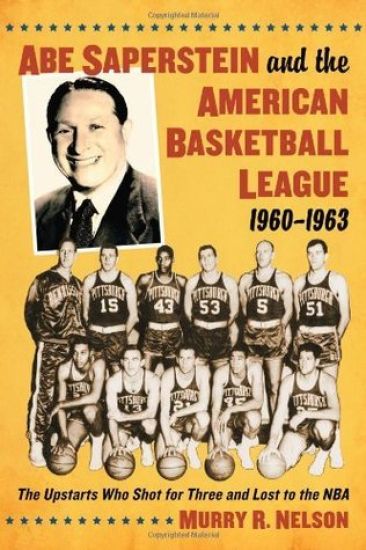
Abe Saperstein and the American Basketball League, 1960-1963
This book examines the American Basketball League and its short history, beginning with its conception in 1959-60 and its two seasons of play, 1961-1963. The league was the first to use a trapezoidal, wider lane and a 30-second shot clock, as well as the 3-point shot. With a team in Hawaii, the league created an adjusted schedule to accommodate the outsize distance. Many players such as Connie Hawkins and Bill Bridges and coaches such as Jack McMahon and Bill Sharman later found their way to the NBA after the collapse of the league, but it took more than 15 years for wide acceptance of the 3-point shot. John McLendon and Ermer Robinson were the first two African American coaches in a major professional league as they both debuted in the ABL.