Kirjojen hintavertailu. Mukana 12 416 618 kirjaa ja 12 kauppaa.

Kirjahaku

Etsi kirjoja tekijän nimen, kirjan nimen tai ISBN:n perusteella.

1000 tulosta hakusanalla S. C. Cunningham

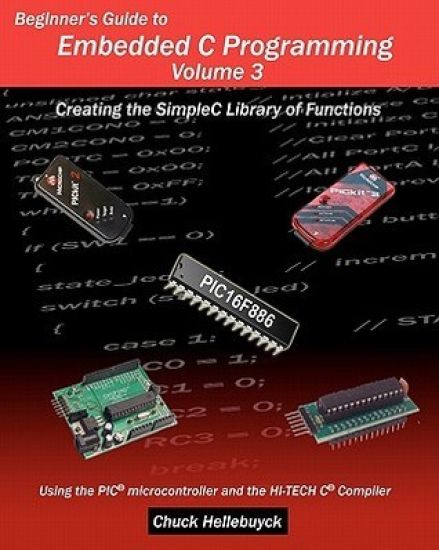
Beginner's Guide to Embedded C Programming - Volume 3: Creating the SimpleC Library of Functions
In "Beginner's Guide to Embedded C Programming - Volume 3" Chuck Hellebuyck takes another leap forward by showing you the steps to create the SimpleC library of functions that make programming in C even easier. This approach shows the reader how they can create their own functions and expand the SimpleC library to make creating microcontroller projects much quicker than writing in raw C code. This book will clearly be the reference for future programmers who want to build electronic gadgets without all the pain staking steps of writing every C statement while producing a working project in less time and with less effort. The SimpleC library will make the following functions as easy as one command line: -Controlling Digital Outputs -Reading Digital Inputs -Monitoring Analog Voltages -Driving Liquid Crystal Display Modules -Driving Digital PWM Signals -Sending/Receiving via SPI and I2C Communication -Writing to/Reading from External EEPROM -Writing to/Reading from External I/O Expanders -And More The book uses the open source PIC16F886 based CHIPINO module for the hardware and also forms the platform to make future electronic projects and gadgets easier to build.
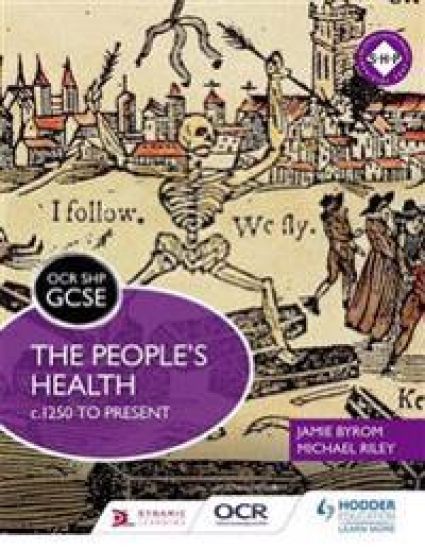
OCR GCSE History SHP: The People's Health c.1250 to present

OCR GCSE History SHP: The People's Health c.1250 to present

Michael Riley; Jamie Byrom

Hodder Education
2016
nidottu
Exam board: OCR (Specification B, SHP)Level: GCSE (9-1)Subject: HistoryFirst teaching: September 2016First exams: Summer 2018An OCR endorsed textbookLet SHP successfully steer you through the OCR B specification with an exciting, enquiry-based series, combining best practice teaching methods and worthwhile tasks to develop students' historical knowledge and skills.> Tackle unfamiliar topics with confidence: The engaging, accessible text covers the content you need for teacher-led lessons and independent study> Ease the transition to GCSE: Step-by-step enquiries inspired by best practice in KS3 help to simplify lesson planning and ensure continuous progression within and across units> Build the knowledge and understanding that students need to succeed: The scaffolded three-part task structure enables students to record, reflect on and review their learning> Boost student performance: Suitably challenging tasks encourage high achievers to excel at GCSE while clear explanations make key concepts accessible to all> Rediscover your enthusiasm for source work: A range of purposeful, intriguing visual and written source material is embedded at the heart of each investigation to enhance understanding> Develop students' sense of period: Memorable case studies, diagrams, infographics and contemporary photos bring fascinating events and people to life
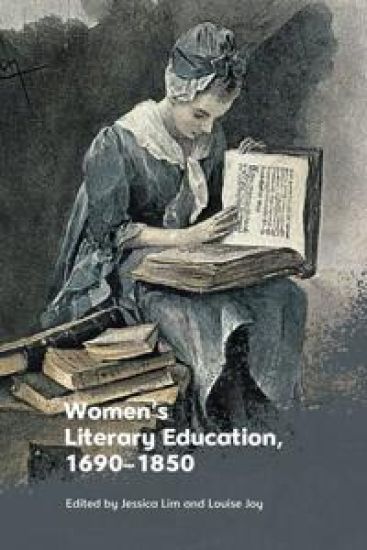
Women'S Literary Education, c. 1690 1850
Studies how women writers shaped long-eighteenth-century educational discourse through literature Brings together researchers from a range of disciplinary areas: literary studies, history, book history, eighteenth-and-nineteenth-century studies, gender studies, the history of philosophy, the history of education, theological studies, and childhood studies Focuses its study on the literary forms, techniques and genres deployed by female authors in the period Examines female educationalists' interaction with: forms such as the novel, the conversational primer, children's poetry, non-fiction textbooks; the Classics; theories of translation; psychology; theories of pedagogy; practices in relation to literacy; and politics This volume brings together leading critical voices from a range of disciplines to examine the complex and profoundly significant ways in which female literary artists interrogated and advanced educational philosophy and practice. The volume recreates the plurality and non-linearity of the conversations and forms of literary expression that took place in and through this body of educational writing. Literature and education in the long eighteenth century share certain perceived aims: the transmission of knowledge, strengthening of understanding, acculturation, and sometimes empowerment. They also share structural forms: lessons; conversations; letters; dramatizations; confessions; narratives; imitations; sometimes fantasies. In the long eighteenth century, authors of literary texts were often authors of educational treatises who saw their activities in both spheres as interrelated. As such, the parties of teacher and pupil, author and reader frequently overlap. This book provides a historically sensitive understanding of the fraught relations between these parties, drawing attention to the period's debates about authority and freedom as they relate to matters of gender, race, religion, age, and class. This project provides a nuanced understanding of women's literary contributions to the period's strands of educational thought, enabling us to better understand the many and complicated ways in which authors and readers of the period envisaged that literary texts might fulfil, fail, or refuse to fulfil, educational functions.
Women's Literary Education, c. 16901850
The essays in this volume reveal the complex, various, sometimes contradictory, and often significant ways in which female literary authors interrogated and advanced educational philosophy and practice during the long eighteenth century, reaching back to the last decade of the seventeenth century and forward into the first half of the nineteenth century. The collection draws out how long-eighteenth-century discourses of education shaped what it meant for women to write and how women writers shaped long-eighteenth-century discourses of education, spotlighting the influence of female authors on eighteenth-century debates about education as they are conducted in and through literary form. By identifying a discernible tradition of women's educational literature, and, in doing so, restoring female writers to the centre of the stage, this book adds its voice to existing scholarly efforts to correct the ongoing critical tendency to marginalise the contribution of women to the history of educational thought.
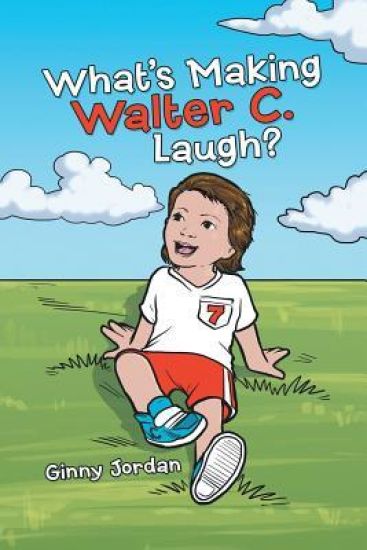
What's Making Walter C. Laugh?

What's Making Walter C. Laugh?

Ginny Jordan

Lulu.com
2017
pokkari
What's Making Walter C. Laugh? is a whimsical story. Each page will bring giggles to children and adults as they wonder What is Making Walter C. Laugh? Is it a goldfish dancing with a banana on the kitchen table? Is it a snowman eating pizza in the bathtub? Or is it ... Have fun figuring it out!