La pastorale de la constance de Philin et Margoton ... par J. MilletDate de l'edition originale: 1635Appartient a l'ensemble documentaire: RhoneAlp1Ce livre est la reproduction fidele d'une oeuvre publiee avant 1920 et fait partie d'une collection de livres reimprimes a la demande editee par Hachette Livre, dans le cadre d'un partenariat avec la Bibliotheque nationale de France, offrant l'opportunite d'acceder a des ouvrages anciens et souvent rares issus des fonds patrimoniaux de la BnF.Les oeuvres faisant partie de cette collection ont ete numerisees par la BnF et sont presentes sur Gallica, sa bibliotheque numerique.En entreprenant de redonner vie a ces ouvrages au travers d'une collection de livres reimprimes a la demande, nous leur donnons la possibilite de rencontrer un public elargi et participons a la transmission de connaissances et de savoirs parfois difficilement accessibles.Nous avons cherche a concilier la reproduction fidele d'un livre ancien a partir de sa version numerisee avec le souci d'un confort de lecture optimal. Nous esperons que les ouvrages de cette nouvelle collection vous apporteront entiere satisfaction.Pour plus d'informations, rendez-vous sur www.hachettebnf.fr
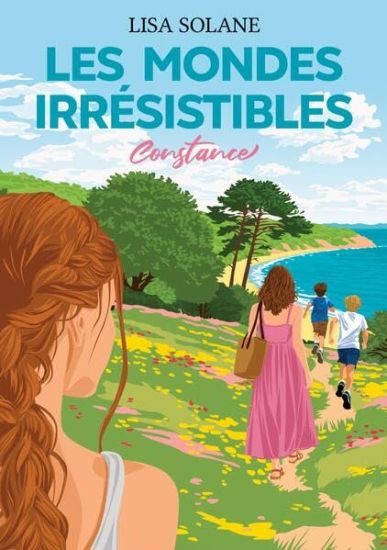
Et voil , Constance a c d elle a offert un portable son fils. Mais tout ce temps qu'il y passe, a la rend folle. Elle a beau mettre des limites, des conditions, rien n'y fait: No et son petit fr re Bastien sont hypnotis s. Jusqu'au jour o Alice, une jeune fille myst rieuse, vient s'installer chez eux... Constance se met alors en chemin: elle cherche des pistes, trouve des solutions et, avec l'aide d'Alice, ram ne ses enfants vers le vrai monde. V ritable antidote l'abattement et au sentiment d'impuissance, ce roman sensible et lumineux redonne espoir et envie d'agir. Les Mondes irr sistibles se d cline en deux livres, s'adressant respectivement un public adolescent (No ) et un public adulte (Constance). Cette forme originale constitue une formidable occasion d'ouvrir le dialogue sur cette question des crans, qui nous concerne tous.
"Souvenirs Historiques De La Marquise Constance D'azeglio" offers a unique window into 19th-century Italian society and politics through the personal correspondence of Marquise Constance d'Azeglio with her son Emmanuel. Enriched by letters from her husband, Marquis Robert d'Azeglio, this collection spans the years 1835 to 1861, a period of significant upheaval and transformation in Italy. The letters provide intimate glimpses into the lives, thoughts, and experiences of an aristocratic family navigating the complexities of the Risorgimento. Readers will discover firsthand accounts of historical events, social customs, and family dynamics, all conveyed with the elegance and charm of the era. This volume is an invaluable resource for historians and anyone interested in the social and political landscape of 19th-century Italy. This work has been selected by scholars as being culturally important, and is part of the knowledge base of civilization as we know it. This work was reproduced from the original artifact, and remains as true to the original work as possible. Therefore, you will see the original copyright references, library stamps (as most of these works have been housed in our most important libraries around the world), and other notations in the work. This work is in the public domain in the United States of America, and possibly other nations. Within the United States, you may freely copy and distribute this work, as no entity (individual or corporate) has a copyright on the body of the work. As a reproduction of a historical artifact, this work may contain missing or blurred pages, poor pictures, errant marks, etc. Scholars believe, and we concur, that this work is important enough to be preserved, reproduced, and made generally available to the public. We appreciate your support of the preservation process, and thank you for being an important part of keeping this knowledge alive and relevant.
Historical sci-fi set in the past and the present.In 1872, at the age of thirty, a Victorian man finds out that he cannot die.Still alive today, he meets a lively young woman who seems to know about his past. At the same time, a mysterious man tries to kill him.
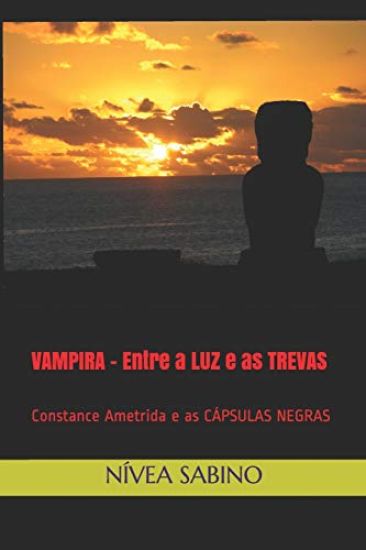
Vampira Constance Ametrida - ENTRE A LUZ E AS TREVAS Tra a um paralelo de dois universos antag nicos e distintos que se complementam entre a conflituosa Linha T nue do Bem e o Mal. E o melhor que a Hist ria de uma "Vamp" com compaix o Humana embora seja uma morta-viva, que deseja ainda que inconscientemente preservar a ra a a que outrora pertenceu, a ra a humana, at por manter aceso o sentimento de amor por seus pais e antepassados carnais. O romance da escritora N vea Sabino, cria e se recria no cen rio brasileiro, onde emoldurado ao fervor do ambiente das seculares igrejas e manifesta es e tradi es t picas do interior do pa s, tracejando suspense e emo es de almas com formas "Transilv nianeas," pulsando no sangue e sotaques.
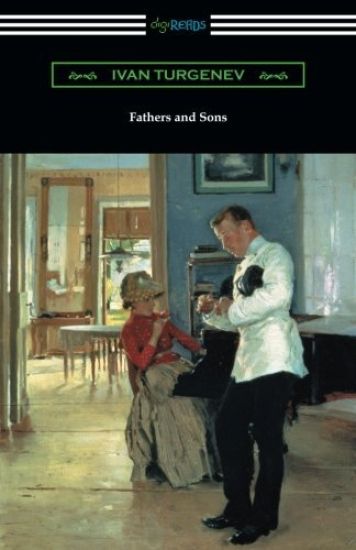
First published in 1862, Ivan Turgenev's "Fathers and Sons" is widely considered to be the author's greatest literary achievement. It is a novel about the clash of ideologies of two generations. The older generation, the fathers, represents an upper class whose power and influence is fading and giving way to the younger generation, the sons, who represent an increasing objection to the status quo. This conflict is embodied in the characters of Arkady Nikolaevich Kirsanov and Yevgeny Vasilevich Bazarov, two friends who have meet as students at St. Petersburg University. Arkady has recently graduated and has returned home to his father's small estate in an outlying province of Russia bringing his friend Yevgeny with him. What follows is uneasiness amongst the family when Arkady and Yevgeny's nihilistic views begin to emerge and are shown in conflict with the older generations more traditional views. "Fathers and Sons" is a brilliant work that captures the tension that existed among generations and class in the years leading up to the revolution in Russia. This edition is printed on premium acid-free paper, follows the translation of Constance Garnett, and includes an introduction by Avrahm Yarmolinsky.