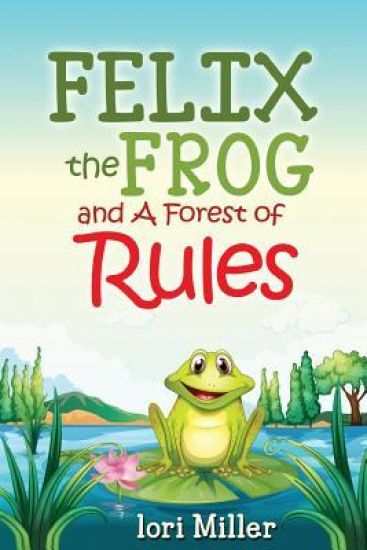
Part of the profits from the book is given to charity. Let's do good deeds together Felix the Frog and A Forest of RulesFelix is a curious little frog that lives at the edge of the pond. He is constantly getting lectured about following the rules. He thinks that all frogs are free to do as they please. One day he decides to put this thought into action. Follow Felix as he goes on an adventure that leads him to realize why there are rules in place.Why should parents share this story with their children?Rules are a part of everyday life. From the dress code at school and work to the speed limits on the highways. Teaching children that there are reasons for the rules teaches them an important life skill that they will carry with them. Children who learn that rules are not just there to restrict our fun will be more successful throughout life. They will be more prepared when they enter school and encounter an environment, not unlike the workplace, that is extremely structured.Purchase your copy today Help me spread the message of following the rules by leaving a review. Thank you for your support (c) 2016 All Rights Reserved. Tags: Books for kids, Children's fiction story, Baby Books, Kids Book, Preschool Books, Bedtime Story, Children's book about a Felix the Frog and a Forest of Rules
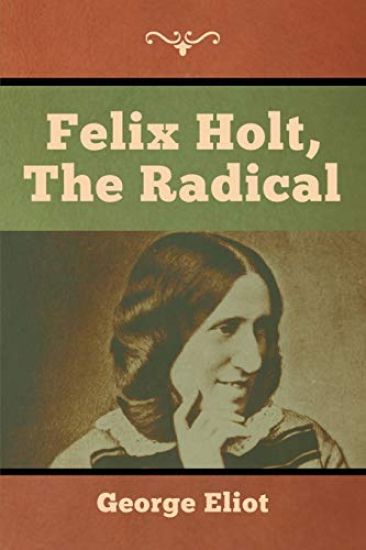
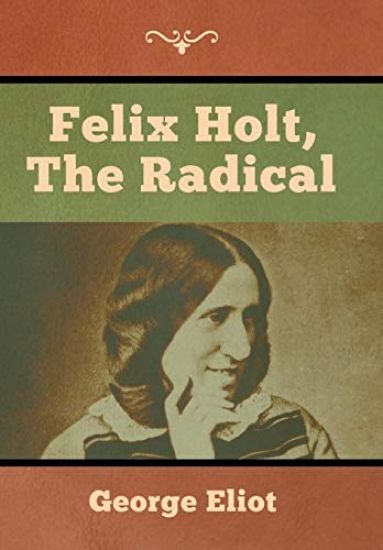
Felix Holt, the Radical (1866) is a social novel written by George Eliot about political disputes in a small English town at the time of the First Reform Act of 1832. In January 1868, Eliot penned an article entitled "Address to Working Men, by Felix Holt". This came on the heels of the Second Reform Act of 1867 which expanded the right to vote beyond the landed classes and was written in the character of, and signed by, Felix Holt. Plot: As the story starts, the reader is introduced to the fictitious community of Treby in the English Midlands in 1832, around the time of the First Reform Act. Harold Transome, a local landowner, has returned home after a fifteen-year trading career in the Far East. Wealthy from trade, he stands for election to Parliament from the county seat of North Loamshire. But contrary to his family's Tory traditions, he intends to stand as a Radical. This alienates him from his traditional allies and causes despair for his mother, Mrs. Transome. Harold Transome gains the support of his Tory uncle, the Rector of Little Treby, and enlists the help of his family lawyer, Matthew Jermyn, as an electioneering agent. Much of his electioneering is focused in Treby Magna. In this village resides Felix Holt, who has recently returned from extensive travels in Glasgow to live with his mother. He meets with Rev. Rufus Lyon, a Dissenting minister in Treby Magna, and his stepdaughter, Esther. Felix and Mr. Lyon become ready friends, but he appears to treat Esther with condescension. Felix and Rev. Lyon both appear aligned to the Radical cause. Harold Transome learns that Jermyn has been mismanaging the Transome estate and embezzling money for himself. Transome remains silent during the election, yet Jermyn tries to devise a plan to save himself from future prosecution. Meanwhile, Felix witnesses some electioneering for the Radical cause in the nearby mining town of Sproxton. He is upset with the 'treating' of workers with beer in exchange for their vocal support. Felix relays his concerns to Harold Transome, who chastises John Johnson for his electioneering methods. However, Jermyn convinces Transome not to interfere. Rev. Lyon learns from Maurice Christian, servant of Philip Debarry, about the possible identity of Esther's biological father. Rev. Lyon decides to tell Esther the truth about her father. Esther's outlook on life changes upon finding that she is in fact Rev. Lyon's stepdaughter. Her relationship with her stepfather deepens, while she also desires to emulate the high moral standards impressed upon her by Felix Holt. Seeing the change in Esther's character, Felix Holt begins to fall in love with her. However, both share the feeling that they are destined never to marry each other. Meanwhile, Rev. Lyon challenges Rev. Augustus Debarry to a theological debate. The debate is initially agreed to, but is cancelled at the last minute.... Frank Thayer Merrill (1848-1936). Mary Anne Evans (22 November 1819 - 22 December 1880; alternatively "Mary Ann" or "Marian"), known by her pen name George Eliot, was an English novelist, poet, journalist, translator and one of the leading writers of the Victorian era. She is the author of seven novels, including Adam Bede (1859), The Mill on the Floss (1860), Silas Marner (1861), Felix Holt, the Radical (1866), Middlemarch (1871-72), and Daniel Deronda (1876), most of which are set in provincial England and known for their realism and psychological insight. She used a male pen name, she said, to ensure that her works would be taken seriously. Female authors were published under their own names during Eliot's life, but she wanted to escape the stereotype of women writing only lighthearted romances. She also wished to have her fiction judged separately from her already extensive and widely known work as an editor and critic.
Felix Holt, the Radical (1866) is a social novel written by George Eliot about political disputes in a small English town at the time of the First Reform Act of 1832. In January 1868, Eliot penned an article entitled "Address to Working Men, by Felix Holt". This came on the heels of the Second Reform Act of 1867 which expanded the right to vote beyond the landed classes and was written in the character of, and signed by, Felix Holt. Plot: As the story starts, the reader is introduced to the fictitious community of Treby in the English Midlands in 1832, around the time of the First Reform Act. Harold Transome, a local landowner, has returned home after a fifteen-year trading career in the Far East. Wealthy from trade, he stands for election to Parliament from the county seat of North Loamshire. But contrary to his family's Tory traditions, he intends to stand as a Radical. This alienates him from his traditional allies and causes despair for his mother, Mrs. Transome. Harold Transome gains the support of his Tory uncle, the Rector of Little Treby, and enlists the help of his family lawyer, Matthew Jermyn, as an electioneering agent. Much of his electioneering is focused in Treby Magna. In this village resides Felix Holt, who has recently returned from extensive travels in Glasgow to live with his mother. He meets with Rev. Rufus Lyon, a Dissenting minister in Treby Magna, and his stepdaughter, Esther. Felix and Mr. Lyon become ready friends, but he appears to treat Esther with condescension. Felix and Rev. Lyon both appear aligned to the Radical cause. Harold Transome learns that Jermyn has been mismanaging the Transome estate and embezzling money for himself. Transome remains silent during the election, yet Jermyn tries to devise a plan to save himself from future prosecution. Meanwhile, Felix witnesses some electioneering for the Radical cause in the nearby mining town of Sproxton. He is upset with the 'treating' of workers with beer in exchange for their vocal support. Felix relays his concerns to Harold Transome, who chastises John Johnson for his electioneering methods. However, Jermyn convinces Transome not to interfere. Rev. Lyon learns from Maurice Christian, servant of Philip Debarry, about the possible identity of Esther's biological father. Rev. Lyon decides to tell Esther the truth about her father. Esther's outlook on life changes upon finding that she is in fact Rev. Lyon's stepdaughter. Her relationship with her stepfather deepens, while she also desires to emulate the high moral standards impressed upon her by Felix Holt. Seeing the change in Esther's character, Felix Holt begins to fall in love with her. However, both share the feeling that they are destined never to marry each other. Meanwhile, Rev. Lyon challenges Rev. Augustus Debarry to a theological debate. The debate is initially agreed to, but is cancelled at the last minute.... Frank Thayer Merrill (1848-1936). Mary Anne Evans (22 November 1819 - 22 December 1880; alternatively "Mary Ann" or "Marian"), known by her pen name George Eliot, was an English novelist, poet, journalist, translator and one of the leading writers of the Victorian era. She is the author of seven novels, including Adam Bede (1859), The Mill on the Floss (1860), Silas Marner (1861), Felix Holt, the Radical (1866), Middlemarch (1871-72), and Daniel Deronda (1876), most of which are set in provincial England and known for their realism and psychological insight. She used a male pen name, she said, to ensure that her works would be taken seriously. Female authors were published under their own names during Eliot's life, but she wanted to escape the stereotype of women writing only lighthearted romances. She also wished to have her fiction judged separately from her already extensive and widely known work as an editor and critic.
Felix Holt, the Radical (1866) is a social novel written by George Eliot about political disputes in a small English town at the time of the First Reform Act of 1832. In January 1868, Eliot penned an article entitled "Address to Working Men, by Felix Holt". This came on the heels of the Second Reform Act of 1867 which expanded the right to vote beyond the landed classes and was written in the character of, and signed by, Felix Holt. Plot: As the story starts, the reader is introduced to the fictitious community of Treby in the English Midlands in 1832, around the time of the First Reform Act. Harold Transome, a local landowner, has returned home after a fifteen-year trading career in the Far East. Wealthy from trade, he stands for election to Parliament from the county seat of North Loamshire. But contrary to his family's Tory traditions, he intends to stand as a Radical. This alienates him from his traditional allies and causes despair for his mother, Mrs. Transome. Harold Transome gains the support of his Tory uncle, the Rector of Little Treby, and enlists the help of his family lawyer, Matthew Jermyn, as an electioneering agent. Much of his electioneering is focused in Treby Magna. In this village resides Felix Holt, who has recently returned from extensive travels in Glasgow to live with his mother. He meets with Rev. Rufus Lyon, a Dissenting minister in Treby Magna, and his stepdaughter, Esther. Felix and Mr. Lyon become ready friends, but he appears to treat Esther with condescension. Felix and Rev. Lyon both appear aligned to the Radical cause. Harold Transome learns that Jermyn has been mismanaging the Transome estate and embezzling money for himself. Transome remains silent during the election, yet Jermyn tries to devise a plan to save himself from future prosecution. Meanwhile, Felix witnesses some electioneering for the Radical cause in the nearby mining town of Sproxton. He is upset with the 'treating' of workers with beer in exchange for their vocal support. Felix relays his concerns to Harold Transome, who chastises John Johnson for his electioneering methods. However, Jermyn convinces Transome not to interfere. Rev. Lyon learns from Maurice Christian, servant of Philip Debarry, about the possible identity of Esther's biological father. Rev. Lyon decides to tell Esther the truth about her father. Esther's outlook on life changes upon finding that she is in fact Rev. Lyon's stepdaughter. Her relationship with her stepfather deepens, while she also desires to emulate the high moral standards impressed upon her by Felix Holt. Seeing the change in Esther's character, Felix Holt begins to fall in love with her. However, both share the feeling that they are destined never to marry each other. Meanwhile, Rev. Lyon challenges Rev. Augustus Debarry to a theological debate. The debate is initially agreed to, but is cancelled at the last minute.... Frank Thayer Merrill (1848-1936). Mary Anne Evans (22 November 1819 - 22 December 1880; alternatively "Mary Ann" or "Marian"), known by her pen name George Eliot, was an English novelist, poet, journalist, translator and one of the leading writers of the Victorian era. She is the author of seven novels, including Adam Bede (1859), The Mill on the Floss (1860), Silas Marner (1861), Felix Holt, the Radical (1866), Middlemarch (1871-72), and Daniel Deronda (1876), most of which are set in provincial England and known for their realism and psychological insight. She used a male pen name, she said, to ensure that her works would be taken seriously. Female authors were published under their own names during Eliot's life, but she wanted to escape the stereotype of women writing only lighthearted romances. She also wished to have her fiction judged separately from her already extensive and widely known work as an editor and critic.
Parue en 1871 aux ditions maison Beauchemin, cette pi ce de Louis Fr chette a t pr sent e pour la premi re fois la Salle de musique de Qu bec le 22 novembre 1862 avec Pierre Dumas dans le r le titre (Lanctot,1948:206). Ce drame, mettant en sc ne l'action d'un patriote cherchant chapper la r pression suite l'insurrection de 1838, connut un grand succ s populaire puisqu'elle est reprise plusieurs fois dans diverses localit s, notamment St-L onard d'Aston en 1922 et Montr al la fin septembre 1929 (Filion, 1974:28). Il s'agit d'ailleurs de la premi re pi ce tre crite sur cet pisode historique (B langer, 1982: 247).
When William Blackwood, George Eliot’s publisher, first saw the manuscript of Felix Holt in 1866 he could not contain his enthusiasm; in a letter to a friend he described the novel as “a perfect marvel. The time is 1832 just after the passing of the Reform Bill, and surely such a...series of pictures of English Life, manners, and conversation never was drawn. You see and hear the people speaking. Every individual character stands out a distinct figure.”A political radical and a child of the working class, Felix has lost faith in a political system in which candidates never represent the interests of the working class. Harold Transome, the cynical son of wealthy Tory landowners, embraces radical politics for very different reasons. Both Harold and Felix vie for the affections of Esther Lyon, and she must weigh her feelings for them with the social and material goals she has set for herself. Their personal drama unfolds against the broad canvas of social and political upheaval of 1830s England.This edition is based on the text of the first edition of the novel published in three volumes in 1866, and includes a full introduction, a wide range of appendices including reviews, as well as Eliot’s “Address to Working Men, by Felix Holt”; “The Legal Plot of Felix Holt”; and a chronology of Eliot’s life and career.
Unlike some other reproductions of classic texts (1) We have not used OCR(Optical Character Recognition), as this leads to bad quality books with introduced typos. (2) In books where there are images such as portraits, maps, sketches etc We have endeavoured to keep the quality of these images, so they represent accurately the original artefact. Although occasionally there may be certain imperfections with these old texts, we feel they deserve to be made available for future generations to enjoy.
Felix Holt, the Radical (1866) is a social novel written by George Eliot about political disputes in a small English town at the time of the First Reform Act of 1832.In January 1868, Eliot penned an article entitled "Address to Working Men, by Felix Holt". This came on the heels of the Second Reform Act of 1867 which expanded the right to vote beyond the landed classes and was written in the character of, and signed by, Felix Holt.Set during the time of the Reform Act of 1832, the story centers on an election contested by Harold Transome, a local landowner, in the "Radical cause" ("Radical" because Transome's version of "radicalism" isn't radical at all, but rather an application of the term to his politically stagnate lifestyle), contrary to his family's Tory traditions. Contrasting with the opportunism of Transome is the sincere, but opinionated, Radical Felix Holt. A subplot concerns the stepdaughter of a Dissenting minister who is the true heir to the Transome estate, but who is unaware of the fact. She becomes the object of the affections of both Harold Transome and Felix Holt.
Felix Holt, the Radical (1866) is a social novel written by George Eliot about political disputes in a small English town at the time of the First Reform Act of 1832.In January 1868, Eliot penned an article entitled "Address to Working Men, by Felix Holt". This came on the heels of the Second Reform Act of 1867 which expanded the right to vote beyond the landed classes and was written in the character of, and signed by, Felix Holt.Set during the time of the Reform Act of 1832, the story centers on an election contested by Harold Transome, a local landowner, in the "Radical cause" ("Radical" because Transome's version of "radicalism" isn't radical at all, but rather an application of the term to his politically stagnate lifestyle), contrary to his family's Tory traditions. Contrasting with the opportunism of Transome is the sincere, but opinionated, Radical Felix Holt. A subplot concerns the stepdaughter of a Dissenting minister who is the true heir to the Transome estate, but who is unaware of the fact. She becomes the object of the affections of both Harold Transome and Felix Holt.
Felix doesn't get along with the house dog or parrot. Can they overcome their differences and team up to beat the house burglar? Felix was affectionate. He loved to rub on legs, But suddenly he'd fart so bad. It smelled like rotten eggs. The book series, Farting Adventures, celebrates the value of laughter. The Farting Adventures book series is geared to kids and adults ages 0-100: - Taylor the Tooting Turkey- Frank the Farting Flamingo- Artsy Fartsy the Farting Penguin- Fairy the Farting Unicorn- Buddy the Burping Bunny- Roses are Red, And I'm Farting Fred- Lucky the Farting Leprechaun- Book of Bunny Farts- Pete the Pooting Pufferfish- Fritz the Farting ReindeerCollect them all Visit the author's profile to vote on new titles and receive freebies. Makes a perfect gift for boys and girls or any cat lover any day of the year.
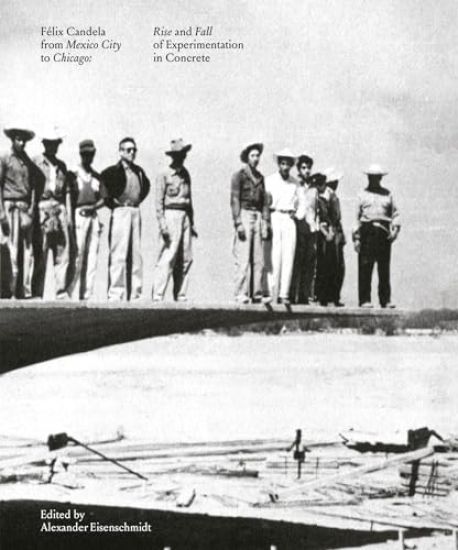
This book is a collection of essays centers on F lix Candela's departure from Mexico City and arrival in Chicago during the end of the 1960s and beginning of the 1970s. Felix Candela, one of the most important and iconic architects of the 20th century, became world-renowned for his many captivating concrete-shell structures in Latin America and across the globe. F lix Candela From M xico City to Chicago provides a unique lens in the specific political, economic, and material conditions that always surrounded, often promoted, and occasionally inhibited his work. To understand the timeframe of the 1970s, different essays had to delve into archives and conducted interviews with his former friends, students, and colleagues at the University of Illinois at Chicago where he was teaching. Many of these findings will be presented here for the first time, aiming to illuminate this complex constellation of inventions, events, and external forces that surrounded Candela's work.