Dorothy Collins's evidence covers a period of ten years. That of H. G. Wells and Bernard Shaw is reinforced by most valuable letters which they have kindly allowed me to publish. Then too Gilbert was so much of a public character and so popular with his fellow journalists that stories of all kinds abound: concerning him there is a kind of evidence, and very valuable it is, that may be called a Boswell Collective. It is fitting that it should be so.
William Harrison Ainsworth (4 February 1805 - 3 January 1882) was an English historical novelist born at King Street in Manchester. He trained as a lawyer, but the legal profession held no attraction for him. While completing his legal studies in London he met the publisher John Ebers, at that time manager of the King's Theatre, Haymarket. Ebers introduced Ainsworth to literary and dramatic circles, and to his daughter, who became Ainsworth's wife. Ainsworth briefly tried the publishing business, but soon gave it up and devoted himself to journalism and literature. His first success as a writer came with Rookwood in 1834, which features Dick Turpin as its leading character. A stream of 39 novels followed, the last of which appeared in 1881. Ainsworth died in Reigate on 3 January 1882. EARLY LIFE: Ainsworth was born on 4 February 1805 in the family house at 21 King Street, Manchester, to Thomas Ainsworth, a prominent Manchester lawyer, and Ann (Harrison) Ainsworth, the daughter of the Rev. Ralph Harrison, the Unitarian minister at Manchester Cross Street Chapel. On 4 October 1806, Ainsworth's brother, Thomas Gilbert Ainsworth, was born. Although the family home was eventually destroyed, it was a three-storey Georgian home in a well-to-do community. The area influenced Ainsworth with its historical and romantic atmosphere, which existed until the community was later replaced by commercial buildings. Besides the community, Ainsworth read romantic works as a child and enjoyed stories dealing with either adventure or supernatural themes. Of these, Dick Turpin was a favourite of Ainsworth. During his childhood, he adopted Jacobean ideas and held Tory ideas in addition to his Jacobite sympathies, even though his community was strict Whig and Nonconformist. During this time, Ainsworth began to write prolifically. The Ainsworth family moved to Smedly Lane, north of Manchester in Cheetham Hill, during 1811. They kept the old residence in addition to the new, but resided in the new home most of the time. The surrounding hilly country was covered in woods, which allowed Ainsworth and his brother to act out various stories. When not playing, Ainsworth was tutored by his uncle, William Harrison. In March 1817, he was enrolled at Manchester Grammar School, which was described in his novel Mervyn Clitheroe. The work emphasised that his classical education was of good quality but was reinforced with strict discipline and corporal punishment. Ainsworth was a strong student and was popular among his fellow students. His school days were mixed; his time within the school and with his family was calm even though there were struggles within the Manchester community, the Peterloo Massacre taking place in 1819. Ainsworth was connected to the event because his uncles joined in protest at the incident, but Ainsworth was able to avoid most of the political after-effects. During the time, he was able to pursue his own literary interests and even created his own little theatre within the family home at King Street. Along with his friends and brother, he created and acted in many plays throughout 1820. During 1820, Ainsworth began to publish many of his works under the name "Thomas Hall". ... Gilbert, Frederick, fl. 1862-1877, illustrator
William Harrison Ainsworth (4 February 1805 - 3 January 1882) was an English historical novelist born at King Street in Manchester. He trained as a lawyer, but the legal profession held no attraction for him. While completing his legal studies in London he met the publisher John Ebers, at that time manager of the King's Theatre, Haymarket. Ebers introduced Ainsworth to literary and dramatic circles, and to his daughter, who became Ainsworth's wife. Ainsworth briefly tried the publishing business, but soon gave it up and devoted himself to journalism and literature. His first success as a writer came with Rookwood in 1834, which features Dick Turpin as its leading character. A stream of 39 novels followed, the last of which appeared in 1881. Ainsworth died in Reigate on 3 January 1882. EARLY LIFE: Ainsworth was born on 4 February 1805 in the family house at 21 King Street, Manchester, to Thomas Ainsworth, a prominent Manchester lawyer, and Ann (Harrison) Ainsworth, the daughter of the Rev. Ralph Harrison, the Unitarian minister at Manchester Cross Street Chapel. On 4 October 1806, Ainsworth's brother, Thomas Gilbert Ainsworth, was born. Although the family home was eventually destroyed, it was a three-storey Georgian home in a well-to-do community. The area influenced Ainsworth with its historical and romantic atmosphere, which existed until the community was later replaced by commercial buildings. Besides the community, Ainsworth read romantic works as a child and enjoyed stories dealing with either adventure or supernatural themes. Of these, Dick Turpin was a favourite of Ainsworth. During his childhood, he adopted Jacobean ideas and held Tory ideas in addition to his Jacobite sympathies, even though his community was strict Whig and Nonconformist. During this time, Ainsworth began to write prolifically. The Ainsworth family moved to Smedly Lane, north of Manchester in Cheetham Hill, during 1811. They kept the old residence in addition to the new, but resided in the new home most of the time. The surrounding hilly country was covered in woods, which allowed Ainsworth and his brother to act out various stories. When not playing, Ainsworth was tutored by his uncle, William Harrison. In March 1817, he was enrolled at Manchester Grammar School, which was described in his novel Mervyn Clitheroe. The work emphasised that his classical education was of good quality but was reinforced with strict discipline and corporal punishment. Ainsworth was a strong student and was popular among his fellow students. His school days were mixed; his time within the school and with his family was calm even though there were struggles within the Manchester community, the Peterloo Massacre taking place in 1819. Ainsworth was connected to the event because his uncles joined in protest at the incident, but Ainsworth was able to avoid most of the political after-effects. During the time, he was able to pursue his own literary interests and even created his own little theatre within the family home at King Street. Along with his friends and brother, he created and acted in many plays throughout 1820. During 1820, Ainsworth began to publish many of his works under the name "Thomas Hall". ... Gilbert, Frederick, fl. 1862-1877, illustrator
David Andrews, Gilbert Sorrentino David Andrews, The Art Is the Act of Smashing the Mirror: A Conversation with Gilbert Sorrentino John Beer, Robert L. McLaughlin, Mary CaponegroWilliam Gaddis Joy Castro, Margery Latimer
Spartacus goes to ghost school like all the other ghosts, but he's a special ghost: he doesn't like to screech in a scary way, he doesn't want to haunt and was always polite. What will happen to Spartacus when he's sent by the Head of school to the Abandoned Tower? A warm picture book by bestselling author-illustrator Guido van Genechten about a friendly and special ghost.
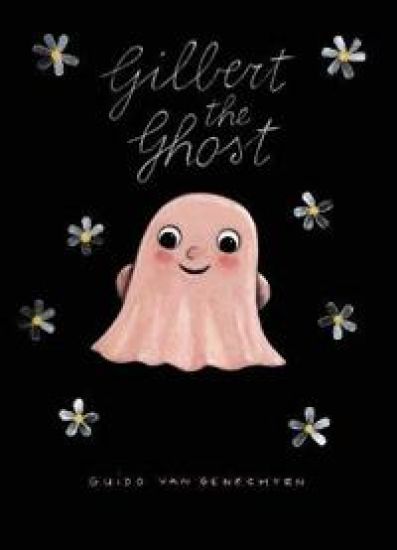
Bestselling children's book, from award-winning author-illustrator Guido Van Genechten, is now a BOARD BOOK! Perfect for Halloween storytime or any other time! “A little ghost unapologetically makes the most of being different....Different never looked so appealing. ” - Kirkus Reviews “A sweet story about outsider friendship that is just slightly scary in places.... it's hard not to be charmed by van Genechten's smiley, rosy-cheeked ghosts, who could give Casper a run for his money in the cuteness department” – Publisher’s Weekly Ghost Gilbert is a very special ghost, ever since he was little. When he goes to Ghost school, he quickly makes a lot of new friends. Gilbert always cheerfully takes part in everything. But when the Principal wants him to call “Boooooooh” just like a real ghost, all Gilbert can do is whisper a soft “Bahoo”. Will Gilbert ever become a real ghost? A warm picture book about a different and special ghost, about fitting in and being true to yourself.
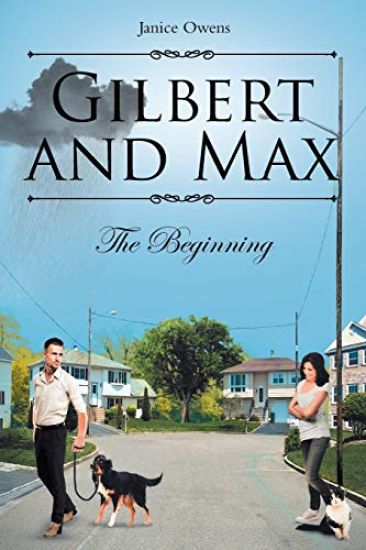
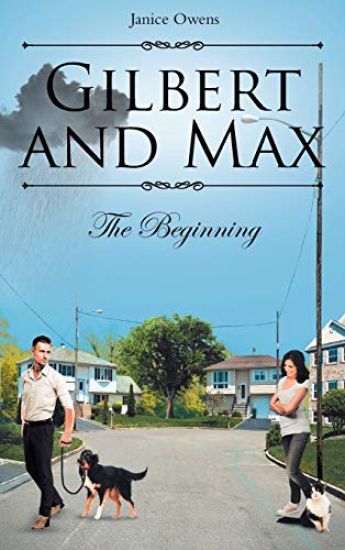
Gilbert and Max is a love story. It's a little different from your everyday love story. It's how two pets got a couple together. In a short period of time, lives were changed. Not just the two main characters, Jonathan Matthew Brown, known as John, and Patricia Ann Johnson, known as Patty. It would change the neighbors in the ordinary neighborhood and John's family back in Texas. As well as the person that is writing the book. The writer of the book is telling the story as it was told to her by Patty and John when she was living with them and beyond. She also uses some of their phrases in the writing of the book. Patty was a widow. Her husband had passed away before John moved into the neighborhood. Patty lived there most of her married life. John was a businessman that didn't have a nine-to-five job. He could come and go as he pleased. He would stay to himself. He wasn't who the neighbors thought he was. It was a spring storm that caused the story to come about. That's when Gilbert made Patty notice John. Gilbert was Patty's cat. John had been walking Max, John's dog, when the storm hit. It wasn't then when they got together. It was a few months later before anything really happened. Life would never be the same for anyone.
Gilbert and Max is a love story. It's a little different from your everyday love story. It's how two pets got a couple together. In a short period of time, lives were changed. Not just the two main characters, Jonathan Matthew Brown, known as John, and Patricia Ann Johnson, known as Patty. It would change the neighbors in the ordinary neighborhood and John's family back in Texas. As well as the person that is writing the book. The writer of the book is telling the story as it was told to her by Patty and John when she was living with them and beyond. She also uses some of their phrases in the writing of the book. Patty was a widow. Her husband had passed away before John moved into the neighborhood. Patty lived there most of her married life. John was a businessman that didn't have a nine-to-five job. He could come and go as he pleased. He would stay to himself. He wasn't who the neighbors thought he was. It was a spring storm that caused the story to come about. That's when Gilbert made Patty notice John. Gilbert was Patty's cat. John had been walking Max, John's dog, when the storm hit. It wasn't then when they got together. It was a few months later before anything really happened. Life would never be the same for anyone.
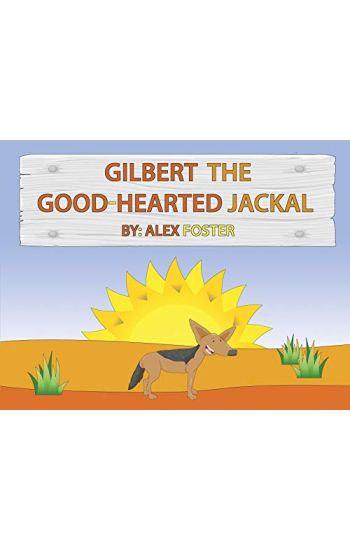
Gilbert is a bigger than usual black-backed jackal who lives in Kenya, Africa. Even though Gilbert is a jackal, he does not eat meat as most jackals do Gilbert is a vegetarian who likes eating fruits and vegetables instead. Gilbert uses his knowledge and skills to help his animal friends. He makes their lives better by helping them solve their problems as great friends should About the AuthorAlex Foster was born in Jasper, TX in August of 1992. At 6-years-old, Alex was diagnosed with autism (pervasive deficit disorder). On the Autism Spectrum scale, Alex is in the middle or moderate between mild and severe. Even with his autism, Alex completed 12 years of public school and received a Certificate of Completion.Alex has an amazing memory and can recall facts and information on almost any rare, exotic, and wild animal. He truly enjoys mostly the animals of Africa. He has an enormous love of dogs, and when he is not writing his Gilbert books, he is spending time with his two dogs, Missy and Albert.
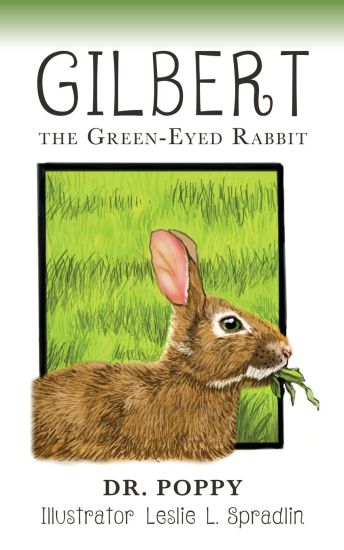
The book is about a young rabbit experiencing new creatures he comes upon in the meadow near his home. He learns about making friends without judgment or bias. Dr. Rev. William D. Bender Biography Married to my high school sweetheart (Dawn) for 52 years We have three grown children, Michelle, Michael, Christopher 8 Grandchildren, 3 step grandchildren, 3 great grandchildren Associate Pastor of Oakwood Church Ocala FL Retired veteran ( 25 years) US Army Military Intelligence and Reserves Traveled the World and gained insight into other cultures. Oldest of 7 children 6 brothers and one sweet sister.
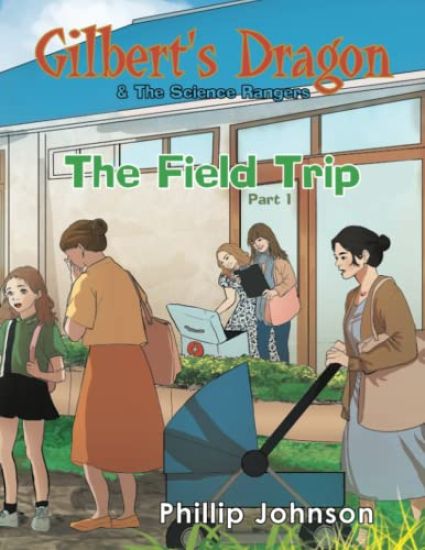
Are We There Yet? Ms. Daly and Room 3 are going on a Field Trip to the world-famous Flinders Ranges. Miss Winn and Room 2 from Lake Windemere Primary School join Room 3 and the Science Rangers on their 3-day excursion. The bus arrived, children and teachers boarded, and the parents, siblings and grandparents waved goodbye. 'Here we go, here we go' rang out and the wheels on the bus were going round and round. Everything was going to plan, according to Ms Daly and Miss Winn. However, in the luggage compartment, a very curious and hungry passenger was working his way out of a backpack. Bertie escaped from the backpack stored directly under a trap door and joined the passengers on the bus. With Monster Mountain and Dead Man's Creek ahead, who will save the day? Good Luck Ms. Daly and Miss Winn.
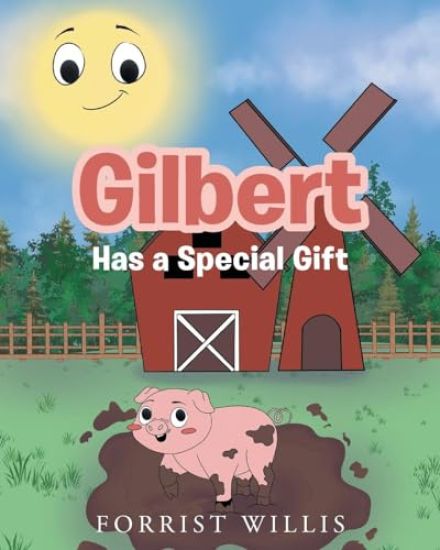
Little Gilbert was a pig that lived on the farm, looking for a special gift to help the farmer out on the farm and to be gifted like other little animals, but the only thing that Little Gilbert can do was just lie in the mud all day while all the other little animals on the farm were doing their chores. Little Gilbert wanted to be like the other animals on the farm, but he did not have a special gift to help out on the farm. Sadly, Little Gilbert ran away from the farm into the wilderness, looking for that special gift. An old owl in the wilderness helped Little Gilbert find his special gift with the Lord's prayer. Then a bright light came over Little Gilbert, and the Holy Spirit gave him wisdom about his special gift. Little Gilbert was overjoyed by the Holy Spirit. He ran back to the farm and became a shepherd for the farmer over the animals.
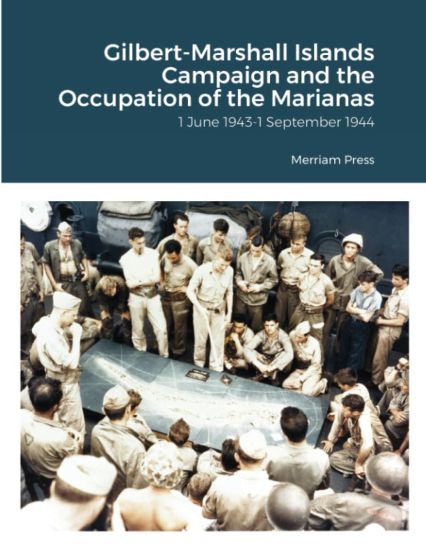
Primarily concerned with naval operations, including naval and land-based air operations, it covers both American and Japanese plans and operations in this theater of the war. The bulk of this work is composed of more than a dozen appendices, many of which are, or contain, extensive charts and tables of information, including orders of battle, strengths, casualties, losses, rosters, postwar question and answer historical interrogations, and translations of Japanese directives, operations orders, dispatches, reports, war diary excerpts, etc. Very important and useful source of highly detailed information. First published as Chapters IX and X of The Campaigns of the Pacific War as part of the USSBS series in 1946. 4 maps, 14 appendices. New to this edition are 93 photographs.
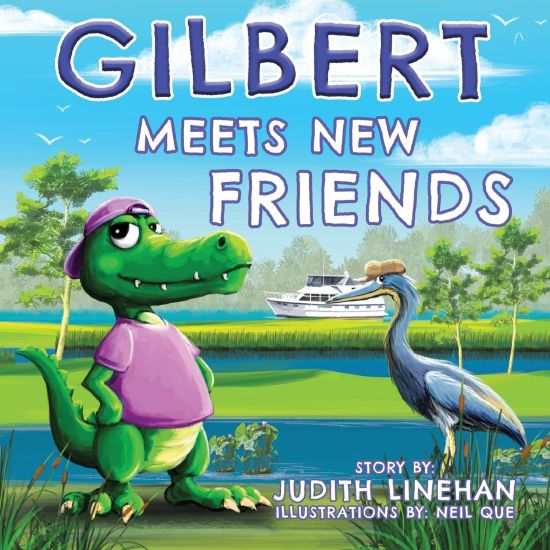
Gilbert and his friend Hector the Blue Heron decided to go on a nautical adventure. Join them aboard the fishing boat "The Pride of Carolina" and find out who he meets and where the journey takes them.
Gilbert Simondon: Information, Technology and Media is a comprehensive introduction to the work of the French philosopher Gilbert Simondon. In particular it examines Simondon's original informational ontology, as developed from a synthesis of Cybernetics, thermodynamics and French epistemology, The book goes on to delineate the role this ontology plays in developing an original account of individuation in the physical, biological and psycho-social regimes. This is done, in part, through reading Simondon with and against other figures in these fields such as Merleau-Ponty and Stuart Kauffman. Additionally, Mills explores Simondon's contribution to epistemology and invention, including an analysis of his important theories of the image-cycle and transindividuality. He also examines Simondon's influence on several contemporary thinkers, including Bernard Stiegler and Bruno Latour, before exploring the relevance of Simondon's work for theorising contemporary media technology.