

Kirjahaku
Etsi kirjoja tekijän nimen, kirjan nimen tai ISBN:n perusteella.
1000 tulosta hakusanalla Gordon McNeil Rushforth


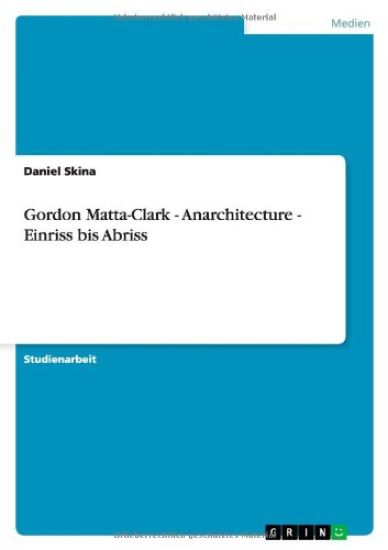
Studienarbeit aus dem Jahr 2010 im Fachbereich Kunst - Architektur, Baugeschichte, Denkmalpflege, Note: 1,5, Universit t Wien (Institut f r Kunstgeschichte), Sprache: Deutsch, Abstract: Es werden drei spezifische Arbeiten Matta-Clarks untersucht: - Splitting (1974), bei der er ein Haus aus den 1930ern in Englewood entzwei-schnitt und die Fundamente einer H lfte des Geb udes schr g abs gte. Mit Hilfe eines Wagenhebers hub er eine Haush lfte um einige Grade, bis eine Kluft zwischen den Haush lften zu sehen war. - Conical Intersect (1975). Im Rahmen der Pariser Biennale schnitt er eine runde ffnung in ein Haus, durch welches Passant*Innen einen Blick auf das entstehende Cent-re Pompidou werfen konnten. - Office Baroque (1977). Das letzte gro e Projekt von Matta-Clark, indem er meh-rere Kreisformen aus einem B rogeb ude in Antwerpen s gte.
Gordon W. Allports "Die Natur des Vorurteils". Ein Überblick über die Vorurteilsforschung
Alexandra Freudigmann
Grin Publishing
2016
pokkari


Gordon - Gans schön fies: Comicroman mit plakativem, sehr humorvollem Illustrationsstil
Alex Latimer
Ueberreuter Verlag
2024
sidottu
Gordon - Der Held Von Khartum
Salzwasser-Verlag Gmbh
2013
pokkari
The Narrative of Gordon Sellar Who Emigrated to Canada in 1825
Gordon Sellar
Tredition Classics
2013
pokkari
The Narrative of Gordon Sellar Who Emigrated to Canada in 1825
Gordon Sellar
Tredition Classics
2013
sidottu
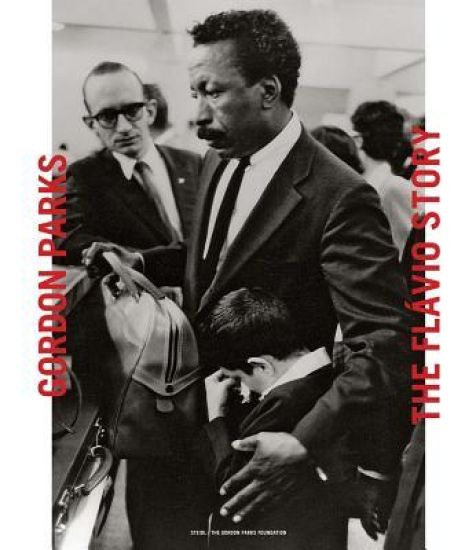
The extraordinary story of one Life photo-essay by Gordon Parks and its impactThis book explores a once-popular picture story by Gordon Parks and the extraordinary chain of events it prompted. Published in Life magazine in June 1961 as "Poverty: Freedom's Fearful Foe," this empathetic photo-essay profiled the da Silva family, living in a hillside favela near a wealthy enclave of Rio de Janeiro. Focused primarily on the eldest son Flavio, an industrious 12-year-old suffering from crippling asthma, Parks' story elicited more than 3,000 letters and $25,000 in donations from Life readers to help the family and the favela.In Brazil the story sparked controversy; one news magazine, O Cruzeiro, retaliated against Life and sent photographer Henri Ballot to document poverty in New York City. Undeterred, Life embarked on a multi-year "rescue" effort that involved moving Flavio to a Denver hospital, relocating the family to a new home and administering funds to support the favela. The story, as well as Parks' relationship to Flavio, continued to develop over many years. The details of this extraordinary history provide a fascinating example of US exceptionalism during the early 1960s and a revealing look inside the power and cultural force of the "Great American Magazine."