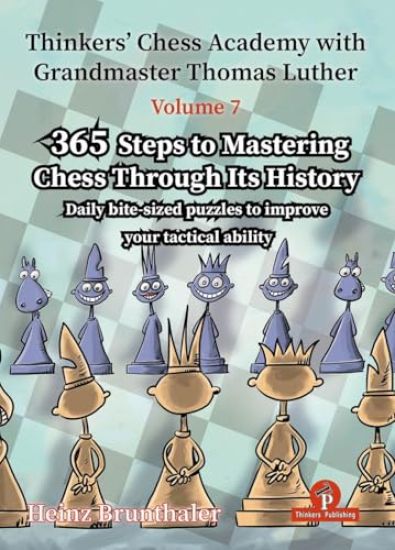
From the game’s Origins and Arabian Chess to the new Rules.The age and origin of chess is shrouded in mystery and surrounded by legend. It is thought to have originated in India in the 3rd century AD and reached Persia in the 6th century. The game then came to Europe in the 9th century. At that time, the rules of the game were different from those of today, with the exception of the rook and knight. The queen and bishop, which today are long range pieces, could only make short moves and were barely stronger than pawns. The build up of games developed very slowly. Because of this, “pre-prepared” positions were used, known as “tabiyas”. The turning point came in the 15th century when the rules were changed to their current form, making the game faster and more dynamic.By today's standards, the games of this time were still quite primitive, with mostly wild attacks. However, techniques and methods were developed that are still used today, such as combinational motifs. The introduction of printing soon made it possible to publish books on chess and thus pass on the knowledge gained to a broader audience. Through the whole book we will see examples of composed positions as well as those from games played during all times.
Die leitende Aufgabe des Buches ist die Antwort auf die Frage nach der Rolle und Funktion der autobiographischen Aspekte in dem in den beiden autobiographischen Romanen Zeit meines Lebens und Stunde der UEberlebenden unternommenen Selbstkreierungsprozess des Autors. Der in den beiden Buchern von Piontek unternommene Versuch soll zeigen, wie die besonderen Merkmale der gewahlten Gattung Autobiographie den literarischen retrospektiven Prozess der Selbstkreierung, aber auch der Selbsterkenntnis ermoeglicht und mitgesteuert haben. Es wurde die These aufgestellt, dass die von Heinz Piontek bewusst gewahlte Gattungsform die von ihm gestellten Ziele erfullen sollte. Geschildert wurden die narrativen Voraussetzungen, die zu erfullen sind, um die von Heinz Piontek ins Auge gefassten Ziele, wie die Kreierung des stilisierten Selbstportrats, die Aufarbeitung des eigenen Individuationsprozesses, die Kreierung der literarischen Personenportrats, die Identitatssuche und -findung oder die Heraufbeschwoerung der verlorenen Heimat, zu erreichen. Die in der Analyse beschriebenen Rechtfertigungsversuche von Piontek gelten fur die gesamte Pionteksche Generation, die durch die NS-Indoktrination fur ihr Leben gezeichnet wurde. Neben den sozialen, mentalen und kulturellen Verlusten als Folge der NS-Eroberungspolitik kam bei Piontek der subtile Umgang mit dem Verlust der oberschlesischen Heimat zur Sprache.
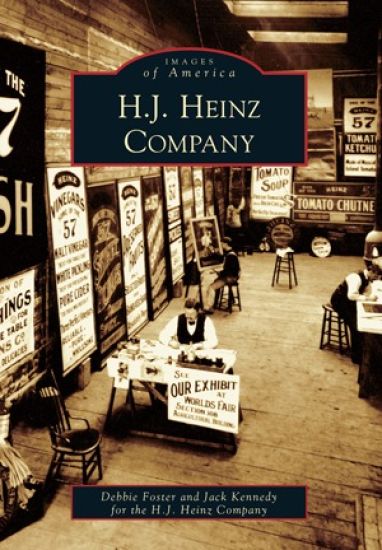
Learn how this son of German immigrants from Pittsburgh, Pennsylvania, turned his small food-packaging company into a booming business known for its fair treatment of workers and pioneering safe food preparation standards. This American success story follows Heinz from his early days as a pickle and vinegar merchant in the 1800s to the name behind the nation’s number-one brand of ketchup. The name that’s on everyone’s lips is now part of the Who Was? series.
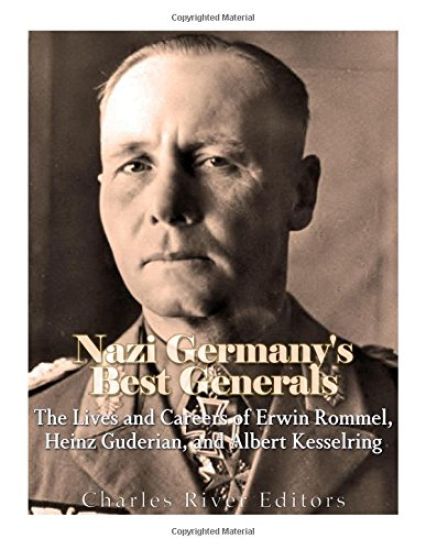
*Includes pictures *Includes accounts of the fighting in the war *Includes online resources and a bibliography for further reading One of his biographers called him "a complex man: a born leader, a brilliant soldier, a devoted husband, a proud father; intelligent, instinctive, brave, compassionate, vain, egotistical, and arrogant." As that description suggests, every account of Erwin Rommel's life must address what appears to be its inherent contradictions. Fittingly, and in the same vein, he remains one of the best remembered generals of World War II and history at large, despite the fact he was on the losing side, and he was defeated at the most famous battle of his career, the decisive Battle of El Alamein. While there is a great division when it comes to historical opinion with respect to Rommel's merits as a general as well as the moral choices he made, both historians and the public continue to be intrigued by this man who has been dead for over 70 years. People at large continue to consider Rommel one of the greatest generals of the 20th century, an opinion shared by many of his contemporaries on both sides of World War II. For example, British General Harold Alexander hinted at both his strengths and weaknesses, commenting, "He was a tactician of the greatest ability, with a firm grasp of every detail of the employment of armour in action, and very quick to seize the fleeting opportunity and the critical turning point of a mobile battle. I felt certain doubts, however, about his strategic ability, in particular as to whether he fully understood the importance of a sound administrative plan. Happiest while controlling a mobile force directly under his own eyes he was liable to overexploit immediate success without sufficient thought for the future." Heinz Wilhelm Guderian was one of the most respected commanders and theoreticians of World War II. An innovative tank commander, he was a pioneer of German Blitzkrieg tactics and therefore, a hugely influential figure in the way the war was fought. Guderian's profile was not always what might have been expected for a man of his abilities and influence warrant due to the shape of his career. The reasons for Guderian's time out of command are tied to the reason for his lower profile; he was a traditional German career officer rather than an ideologically driven Nazi, willing to challenge Adolf Hitler's opinions on military matters. This, together with his outspoken attitude, led to his loss of favor and dismissal from command. At the same time, being a career military man rather than a Nazi officer also meant Guderian was not as directly involved in the atrocities of the war, and he did not gained the infamy of his SS contemporaries, which ensured the ongoing fame of men far less deserving of recognition. Albert Kesselring holds a strange place in the history of World War II. A commander in the Luftwaffe, he is remembered as much for the skill with which he oversaw the German armies as for his mastery of the air fleets. Called "Uncle Albert" by many of his men and "Smiling Albert" by the Allies, he was widely respected by men on both sides of the war and loved by many of his troops, yet he was responsible for massacres in occupied Italy for which he was condemned to death during the post-war trials. Ultimately, his sentence was commuted to one of life imprisonment, making him one of the few top Nazi leaders to pen memoirs after the war, but it goes without saying that Kesselring's time was marked by controversy. Kesselring had the skills of a politician and a diplomat, as well as those of a soldier, which carried his career through both World War I and World War II, and during the Second World War, he served in almost every theater of the fighting in Europe. He was undoubtedly a gifted commander, but one who served at a time when the German military was tainted with the evils of Nazism.
*Includes pictures *Includes accounts of the fighting in the war *Includes online resources and a bibliography for further reading One of his biographers called him "a complex man: a born leader, a brilliant soldier, a devoted husband, a proud father; intelligent, instinctive, brave, compassionate, vain, egotistical, and arrogant." As that description suggests, every account of Erwin Rommel's life must address what appears to be its inherent contradictions. Fittingly, and in the same vein, he remains one of the best remembered generals of World War II and history at large, despite the fact he was on the losing side, and he was defeated at the most famous battle of his career, the decisive Battle of El Alamein. While there is a great division when it comes to historical opinion with respect to Rommel's merits as a general as well as the moral choices he made, both historians and the public continue to be intrigued by this man who has been dead for over 70 years. People at large continue to consider Rommel one of the greatest generals of the 20th century, an opinion shared by many of his contemporaries on both sides of World War II. For example, British General Harold Alexander hinted at both his strengths and weaknesses, commenting, "He was a tactician of the greatest ability, with a firm grasp of every detail of the employment of armour in action, and very quick to seize the fleeting opportunity and the critical turning point of a mobile battle. I felt certain doubts, however, about his strategic ability, in particular as to whether he fully understood the importance of a sound administrative plan. Happiest while controlling a mobile force directly under his own eyes he was liable to overexploit immediate success without sufficient thought for the future." Heinz Wilhelm Guderian was one of the most respected commanders and theoreticians of World War II. An innovative tank commander, he was a pioneer of German Blitzkrieg tactics and therefore, a hugely influential figure in the way the war was fought. Guderian's profile was not always what might have been expected for a man of his abilities and influence warrant due to the shape of his career. The reasons for Guderian's time out of command are tied to the reason for his lower profile; he was a traditional German career officer rather than an ideologically driven Nazi, willing to challenge Adolf Hitler's opinions on military matters. This, together with his outspoken attitude, led to his loss of favor and dismissal from command. At the same time, being a career military man rather than a Nazi officer also meant Guderian was not as directly involved in the atrocities of the war, and he did not gained the infamy of his SS contemporaries, which ensured the ongoing fame of men far less deserving of recognition. Albert Kesselring holds a strange place in the history of World War II. A commander in the Luftwaffe, he is remembered as much for the skill with which he oversaw the German armies as for his mastery of the air fleets. Called "Uncle Albert" by many of his men and "Smiling Albert" by the Allies, he was widely respected by men on both sides of the war and loved by many of his troops, yet he was responsible for massacres in occupied Italy for which he was condemned to death during the post-war trials. Ultimately, his sentence was commuted to one of life imprisonment, making him one of the few top Nazi leaders to pen memoirs after the war, but it goes without saying that Kesselring's time was marked by controversy. Kesselring had the skills of a politician and a diplomat, as well as those of a soldier, which carried his career through both World War I and World War II, and during the Second World War, he served in almost every theater of the fighting in Europe. He was undoubtedly a gifted commander, but one who served at a time when the German military was tainted with the evils of Nazism.