In Bali in the Early Nineteenth Century, Helen Creese examines the nature of the earliest sustained cross-cultural encounter between the Balinese and the Dutch through the eyewitness accounts of Pierre Dubois, the first colonial official to live in Bali. From 1828 to 1831, Dubois served as Civil Administrator to the Badung court in southern Bali. He later recorded his Balinese experiences for the Batavian Society of Arts and Sciences in a series of personal letters to an anonymous correspondent. This first ethnography of Bali provides rich, perceptive descriptions of early nineteenth-century Balinese politics, society, religion and culture. The book includes a complete edition and translation of Dubois’ Légère Idée de Balie en 1830/Sketch of Bali in 1830.
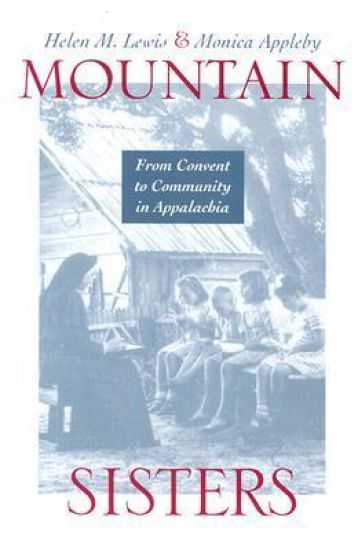
Monica Appleby and Helen Lewis reveal the largely untold story of women who stood up to the Church and joined Appalachians in their struggle for social justice. Their poignant story of how faith, compassion, and persistence overcame obstacles to progress in Appalachia is a fascinating example of how a collaborative and creative learning community fosters strong voices. Mountain Sisters is a prophetic first-person account of the history of American Catholicism, the war on poverty, and the influence of the turbulent 1960s on the cultural and religious communities of Appalachia. Founded in 1941, The Glenmary Sisters embraced a calling to serve rural Appalachian communities where few Catholics resided. The sisters, many of them seeking alternatives to the choices available to most women during this time, zealously pursued their duties but soon became frustrated with the rules and restrictions of the Church. Outmoded doctrine -- even styles of dress -- made it difficult for them to interact with the very people they hoped to help. In 1967, after many unsuccessful attempts to persuade the Church to ease its requirements, some seventy Sisters left the security of convent life. Over forty of these women formed a secular service group, FOCIS (Federation of Communities in Service). Mountain Sisters is their story.
A UNC Press Enduring Edition -- UNC Press Enduring Editions use the latest in digital technology to make available again books from our distinguished backlist that were previously out of print. These editions are published unaltered from the original, and are presented in affordable paperback formats, bringing readers both historical and cultural value.
'Impressive! . . . The authors have given us a searching account of the crisis and provided some memorable portraits of officials in America impaled on the dilemma of having to enforce a measure which they themselves opposed.'-- New York Times 'A brilliant contribution to the colonial field. Combining great industry, astute scholarship, and a vivid style, the authors have sought 'to recreate two years of American history.' They have succeeded admirably.'-- William and Mary Quarterly 'Required reading for anyone interested in those eventful years preceding the American Revolution.'-- Political Science Quarterly The Stamp Act, the first direct tax on the American colonies, provoked an immediate and violent response. The Stamp Act Crisis , originally published by UNC Press in 1953, identifies the issues that caused the confrontation and explores the ways in which the conflict was a prelude to the American Revolution.
The driving force in Chesnutt's life was the wish to help his race. Long before the days of the NAACP, which he later joined, and to the end of his life, he lectured, wrote,and corresponded on the everlasting problem."" His letters reveal courage and good sense with which he faced racial discrimination.""A UNC Press Enduring Edition -- UNC Press Enduring Editions use the latest in digital technology to make available again books from our distinguished backlist that were previously out of print. These editions are published unaltered from the original, and are presented in affordable paperback formats, bringing readers both historical and cultural value.
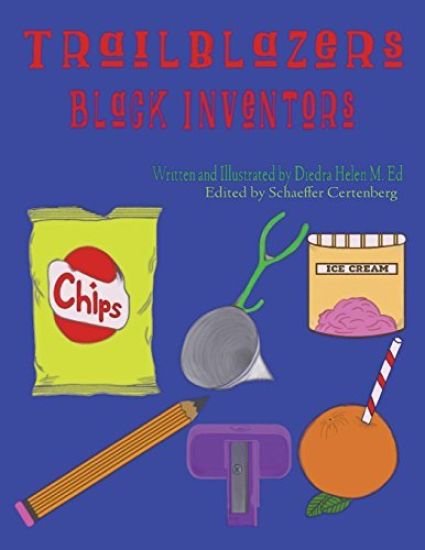
Take a look at this coloring and activity book about little known Black/African American inventors and rarely discussed inventions. It is an introductory, fun, and interactive way to start learning our Black American history. This book features ten Black inventors. Great for elementary and preschool aged children during Black History month or any time of year. Feel free to purchase class sets, grade sets for team teaching, school sets, or even buy for your whole district. Consider using this as part of your curriculum to showcase your students knowledge and art skills for open house as well. Home school and online teachers can join in and use this book as a resource for their students too. It may also be quite interesting for adults. Although it was drawn and written with children in mind, all ages are welcome to share in the discovery and see what inventions and or improvements you can think of There are pages for your own inventions to be added to the book too Keep an eye out for the next coloring book in the series. There is much more to come For more information or bulk orders check us out at www.facebook.com/aartisticview.
Western politicians consider that leadership is essential for the delivery of educational reform. This important and timely book examines how leaders, leading and leadership became the dominant theme in education. It presents an analysis of the relationship between the state, public policy and the types of knowledge that New Labour used to make policy and break professional cultures. It is essential reading for all those interested in public policy, education policy, and debates about governance and will be of interest to policymakers, researchers and educational professionals.
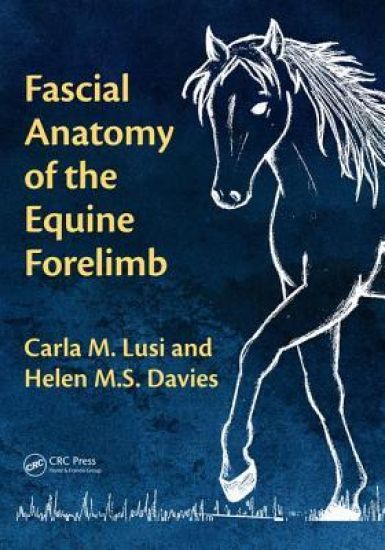
Lusi and Davies have provided an excellent reference resource for students and graduates alike. The number of well-defined, relevant and clear images allow quick understanding for anyone interested in the fascial anatomy of the horse. This small book is perfect to have in your bag, allowing the student or clinician to find all the information they need on-site. - Sophie Neasham, final year veterinary student, University of Veterinary Medicine in Kosice, SlovakiaKey features: The first book in equine anatomy to illustrate the fascial (soft connective tissue) connections of the equine forelimb. Clear, high-quality images (with reference images included on each page) help readers identify aspects of the limb photographed. A brief introduction to the forelimb musculoskeletal anatomy (with images) helps readers familiarize themselves with muscles and bones portrayed in photographs. Focused discussions highlight the practical applicability of the fascial connections illustrated. Accompanying video clips demonstrate connectivity of the fascial system particular lines of tension. The first of its kind in equine anatomy, this clear, concise anatomical guide illustrates the fascial (soft connective tissue) connections of the equine forelimb. Based on dissections of fresh equine cadaver limbs, it provides a visual map for equine physical therapists, veterinarians and horse riders, helping them to understand how pathologies, injuries, or movement abnormalities of the equine forelimb arise and/or progress from one area of the limb to another. The fascial system is one of the primary systems acted upon by equine physiotherapists and is of increasing interest to horse riders looking to achieve structural integration and balanced movement in their horse. With this in mind, key points in each chapter highlight everyday situations in which knowledge of the fascial system may assist in understanding horse movement and injury.This practically applicable anatomical atlas is the ideal reference for horse owners, body workers and veterinarians alike.
Lusi and Davies have provided an excellent reference resource for students and graduates alike. The number of well-defined, relevant and clear images allow quick understanding for anyone interested in the fascial anatomy of the horse. This small book is perfect to have in your bag, allowing the student or clinician to find all the information they need on-site. - Sophie Neasham, final year veterinary student, University of Veterinary Medicine in Kosice, SlovakiaKey features: The first book in equine anatomy to illustrate the fascial (soft connective tissue) connections of the equine forelimb. Clear, high-quality images (with reference images included on each page) help readers identify aspects of the limb photographed. A brief introduction to the forelimb musculoskeletal anatomy (with images) helps readers familiarize themselves with muscles and bones portrayed in photographs. Focused discussions highlight the practical applicability of the fascial connections illustrated. Accompanying video clips demonstrate connectivity of the fascial system particular lines of tension. The first of its kind in equine anatomy, this clear, concise anatomical guide illustrates the fascial (soft connective tissue) connections of the equine forelimb. Based on dissections of fresh equine cadaver limbs, it provides a visual map for equine physical therapists, veterinarians and horse riders, helping them to understand how pathologies, injuries, or movement abnormalities of the equine forelimb arise and/or progress from one area of the limb to another. The fascial system is one of the primary systems acted upon by equine physiotherapists and is of increasing interest to horse riders looking to achieve structural integration and balanced movement in their horse. With this in mind, key points in each chapter highlight everyday situations in which knowledge of the fascial system may assist in understanding horse movement and injury.This practically applicable anatomical atlas is the ideal reference for horse owners, body workers and veterinarians alike.
The Teacher's Guidebook To Piano Literature by Alice M. Kern is a comprehensive guide for piano teachers that focuses on the literature of piano music. The book is designed to help teachers select appropriate pieces for their students based on their skill level, interests, and goals. The guidebook covers a wide range of piano literature, including classical, romantic, and contemporary pieces. It includes detailed information on each piece, such as its history, style, and technical requirements. The book also provides tips on how to teach each piece effectively, including suggestions for practice techniques and performance strategies. Additionally, the guidebook includes a section on how to develop a well-rounded piano curriculum for students of all ages and levels. Overall, The Teacher's Guidebook To Piano Literature is an essential resource for any piano teacher looking to enhance their teaching skills and provide their students with a comprehensive and engaging piano education.A Recommended Listing Of Graded Repertoire For Elementary, Intermediate And Lower Advanced Students.This scarce antiquarian book is a facsimile reprint of the old original and may contain some imperfections such as library marks and notations. Because we believe this work is culturally important, we have made it available as part of our commitment for protecting, preserving, and promoting the world's literature in affordable, high quality, modern editions, that are true to their original work.
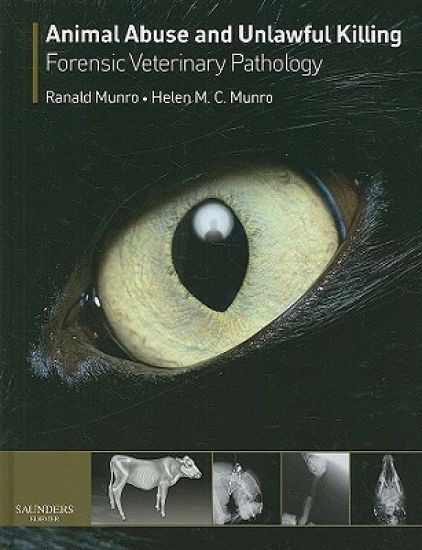
This book guides veterinarians and lawyers through the diverse and complex fields of alleged cruelty to, and unlawful killing of, companion animals, farm livestock and wildlife. It draws together current knowledge on how to approach, investigate and report forensic cases. Covers all aspects of the forensic post-mortem including cause and time of death Features the fundamentals of abuse and neglect Allows rapid access to descriptions of different types of injuries and gives essential guidance on their interpretation Backed by practical standard operative procedures from world experts to ensure proper and professional case management High quality, specially selected photographs, a clear writing style and concise presentation informs and encourages the reader towards soundly-based conclusions
`This book is a detailed introduction to music therapy, and should be of particular interest to intending students of the subject and those wishing to pursue a career within the profession. It should be of considerable use to all with a general interest in the subject as well those making a career on music therapy' - The Organ `I found this a useful book in terms of its clarity and carefully thought out structure. It is a rich source of information and of ideas which are extremely important for the potential music therapy trainee to think about; it also makes valuable reading for more experienced therapists, bringing our minds back to some central questions about the nature of our work…. Whatever stage you may be at in your life as a music therapist, it will refresh your mind and your practice' - Eleanor Richards, Nordic Journal of Music Therapy From the Foreword: `Rachel Darnley-Smith and Helen M Patey have managed so well to tell their story of music therapy offering the framework of theory, training and professional practice, and the complimentary value of Analytical Music Therapy and Creative Music Therapy within improvization. The authors devote a whole chapter to promoting a wider understanding of improvisation, describing its value as a form of play, free association, with more or less structure depending on the form of intervention and the client's needs. There is really a valuable resource of meaningful and relevant examples from their own clinical work. These examples clearly validate and illustrate the seminal theoretical concept of the first great pioneer of music therapy in the United Kingdom, Juliette Alvin, who taught us that music is a creation of people, and therefore we can see people in their music' - Professor Tony Wigram Music Therapy is an introduction to contemporary training and practice. Written in a clear, jargon-free style, the book provides a lively source of information and ideas for all who are new to music therapy. Written by highly experienced practitioners, the book examines improvization, the principal method for music therapy, and points to the underlying assumptions about music, which shape this way of working. Two of the main music therapy approaches - Analytic Music Therapy and Nordoff- Robbins Music Therapy - are also outlined. Drawing on their own experience, the authors examine a range of clinical situations and give examples of working with children and adults with a range of needs, including autism, learning disabilities and mental health problems. They highlight the many issues which arise from day-to-day practice and explore other aspects of professional life, such as personal therapy and supervision. For anyone training or thinking of training to be a music therapist, this book provides an ideal place to start. As a guide to contemporary music therapy, it also has much to offer those already in practice.
`This book is a detailed introduction to music therapy, and should be of particular interest to intending students of the subject and those wishing to pursue a career within the profession. It should be of considerable use to all with a general interest in the subject as well those making a career on music therapy' - The Organ `I found this a useful book in terms of its clarity and carefully thought out structure. It is a rich source of information and of ideas which are extremely important for the potential music therapy trainee to think about; it also makes valuable reading for more experienced therapists, bringing our minds back to some central questions about the nature of our work…. Whatever stage you may be at in your life as a music therapist, it will refresh your mind and your practice' - Eleanor Richards, Nordic Journal of Music Therapy From the Foreword: `Rachel Darnley-Smith and Helen M Patey have managed so well to tell their story of music therapy offering the framework of theory, training and professional practice, and the complimentary value of Analytical Music Therapy and Creative Music Therapy within improvization. The authors devote a whole chapter to promoting a wider understanding of improvisation, describing its value as a form of play, free association, with more or less structure depending on the form of intervention and the client's needs. There is really a valuable resource of meaningful and relevant examples from their own clinical work. These examples clearly validate and illustrate the seminal theoretical concept of the first great pioneer of music therapy in the United Kingdom, Juliette Alvin, who taught us that music is a creation of people, and therefore we can see people in their music' - Professor Tony Wigram Music Therapy is an introduction to contemporary training and practice. Written in a clear, jargon-free style, the book provides a lively source of information and ideas for all who are new to music therapy. Written by highly experienced practitioners, the book examines improvization, the principal method for music therapy, and points to the underlying assumptions about music, which shape this way of working. Two of the main music therapy approaches - Analytic Music Therapy and Nordoff- Robbins Music Therapy - are also outlined. Drawing on their own experience, the authors examine a range of clinical situations and give examples of working with children and adults with a range of needs, including autism, learning disabilities and mental health problems. They highlight the many issues which arise from day-to-day practice and explore other aspects of professional life, such as personal therapy and supervision. For anyone training or thinking of training to be a music therapist, this book provides an ideal place to start. As a guide to contemporary music therapy, it also has much to offer those already in practice.