High-interest, lower ability resource for KS2-3. Designed to provide high-interest books for lower level readers aged 6 to 12+ years. Excellent for Guided Reading. Ideal for struggling readers and writers. Can be used in small-group teaching, and also for independent teaching. Benefits English as a Second Language (ESL) readers, and offers excellent cross-curricular coverage. Each of the Wildcats titles is an anthology wth a variety of genre and text-types in each: from fantasy to fable, poem to personal narrative and non-fiction. Size: 15.5cm wide x 21cm tall. Published 2001. 32 pages.
The first gendered prose debate in a European vernacular, Le Bestiaire d'amour and subsequent Response constitute a clash of opposites: a medieval chancellor's erotic bestiary to a woman is countered by the woman's passionate protest against the cleric's misogynistic presuppositions. Jeanette Beer presents a close, linear reading of the two literary texts, examining the context that led to the love-bestiary's production in the thirteenth century, especially an influential version of the Physiologus by Pierre de Beauvais, the suggestiveness of the animal symbolism, and the aftermath of the debate. In her exploration of Le Bestiaire d'amour and the Response, Beer analyzes the disparity of their sexual, philosophical, and theological orientations, and considers, animal by animal, this gendered duelling of the two bestiaries, the symbolism of the one calqued upon the symbolism of the other. Largely neglected for seven hundred years, Le Bestiaire d'amour and the Response address issues that are universally relevant: male and female expectations in love, sexual dominance, sexual exploitation, and female strategies for self-preservation in a society where women were powerless and vulnerable.
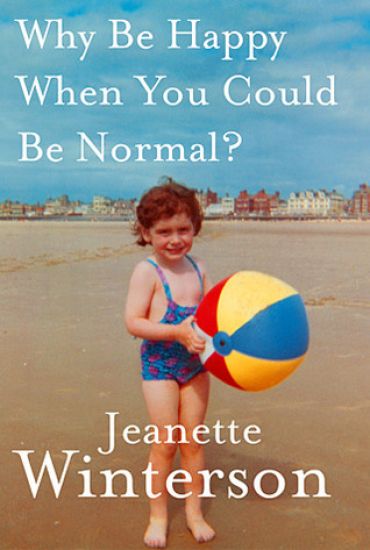
"Magnificent . . . A tour de force of literature and love."--Vogue"Why Be Happy When You Could Be Normal? is raucous. It hums with a dark refulgence from its first pages. . . . Singular and electric . . . [Winterson's] life with her adoptive parents was often appalling, but it made her the writer she is."--The New York Times"[Winterson is] one of the most daring and inventive writers of our time--searingly honest yet effortlessly lithe as she slides between forms, exuberant and unerring, demanding emotional and intellectual expansion of herself and of us. . . . In Why Be Happy, , [Winterson's] emotional life is laid bare . . . [in] a bravely frank narrative of truly coming undone. For someone in love with disguises, Winterson's openness is all the more moving; there's nothing left to hide, and nothing left to hide behind."--ElleJeanette Winterson's bold and revelatory novels have earned her widespread acclaim, establishing her as a major figure in world literature. She has written some of the most admired books of the past few decades, including her internationally best-selling first novel, Oranges Are Not the Only Fruit, the story of a young girl adopted by Pentecostal parents, that is now often required reading in contemporary fiction classes. Why Be Happy When You Could Be Normal? is a memoir about a life's work to find happiness. It is a book full of stories: about a girl locked out of her home, sitting on the doorstep all night; about a religious zealot disguised as a mother who has two sets of false teeth and a revolver in the dresser, waiting for Armageddon; about growing up in a north England industrial town now changed beyond recognition; about the universe as a cosmic dustbin. It is the story of how a painful past, which Winterson thought she had written over and repainted, rose to haunt her later in life, sending her on a journey into madness and out again, in search of her biological mother. It is also a book about other people's literature, one that shows how fiction and poetry can form a string of guiding lights, a life raft that supports us when we are sinking. Witty, acute, fierce, and celebratory, Why Be Happy When You Could Be Normal? is a tough-minded search for belonging--for love, identity, home, and a mother.
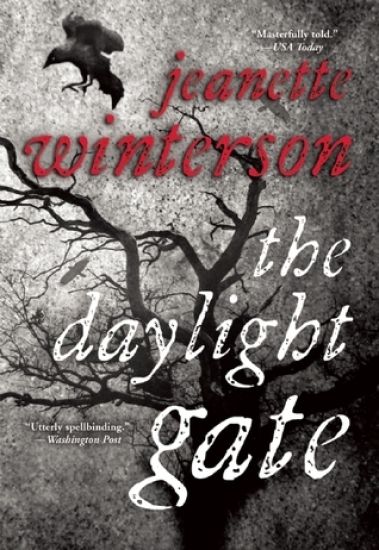
"Mixing historical detail and dark horror, [Winterson] brilliantly brews a spellbinding take on the 1612 English witch trials."--PeopleAn instant bestseller in the UK, The Daylight Gate is Jeanette Winterson's singular vision of a dark period of complicated morality, sex, and tragic plays for power in a time when politics and religion were closely intertwined. On Good Friday, 1612, deep in the woods of Pendle Hill, a gathering of thirteen is interrupted by the local magistrate. Two of their coven have already been imprisoned for witchcraft and are awaiting trial, but those who remain are vouched for by the wealthy and respected Alice Nutter. Shrouded in mystery and gifted with eternally youthful beauty, Alice is established in Lancashire society and insulated by her fortune. As those accused of witchcraft retreat into darkness, Alice stands alone as a realm-crosser, a conjurer of powers that will either destroy her or set her free. "Winterson's haunting imagery and narrative immediacy captivate. An engrossing story that's sure to leave you shivering."--Elle"This book is addictive, a page-turner...Winterson lays on the horror and the supernatural with gleeful abandon."--LA Review of Books"A daring historical novel...a portal in prose....Any reader who crosses over into this novel will remember vividly where he or she has traveled."--NPR.com "Delightfully gruesome."--New York Times
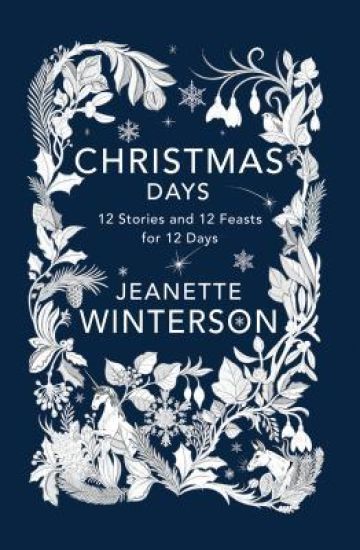
A New York Times Book Review 100 Notable Books of 2017 "Nowhere is [Winterson's] faith in the transporting power of storytelling more on display than in her new book, Christmas Days . . . dark, otherworldly and (trademark Winterson) wickedly funny . . . [a] holiday treasure . . . to be pulled out on a December night, fireside, and read aloud." --New York Times Book Review"If you crave the mystery, the family rituals, and the special victuals of Christmastime, you'll savor . . . bold, revelatory feminist writer Jeanette Winterson's Christmas Days." --ElleJeanette Winterson brings together twelve of her brilliantly imaginative, funny and bold Christmas stories, linked by personal memories and twelve delicious recipes for the Twelve Days of Christmas. From jovial spirits to a donkey with a golden nose, a haunted house to a SnowMama, Winterson's innovative stories encompass the childlike and spooky wonder of Christmas. Enjoy the season of peace and goodwill, mystery, and a little bit of magic courtesy of one of our most fearless and accomplished writers. "Winterson has presented us with unexpected holiday cheer . . . perfect for stuffing the stockings of your eccentric relatives . . . The magical tales are all exuberant." --Washington Post"Funny, spooky stories for the Christmas season." --Los Angeles Times"A feast of stories . . . Winterson has wrapped up a holiday present between two covers." --NPR
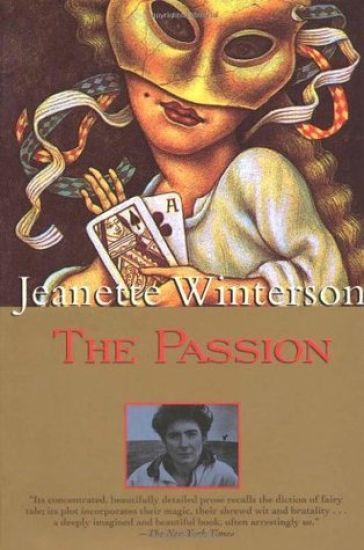
Passion consumes Henri, a chef with Napoleon's army, and Villanelle, who has lost her heart to a married noblewoman, until the two meet at the gates of Moscow and form a bond based on bitter loss
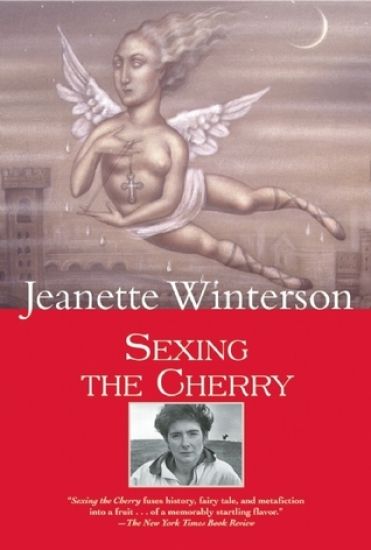
Interweaving elements of fantasy and history, this novel chronicles the adventures of Jordan, who lives with his mother by the Thames during the reign of Charles II, as he follows his dreams to the end of the world, and beyond
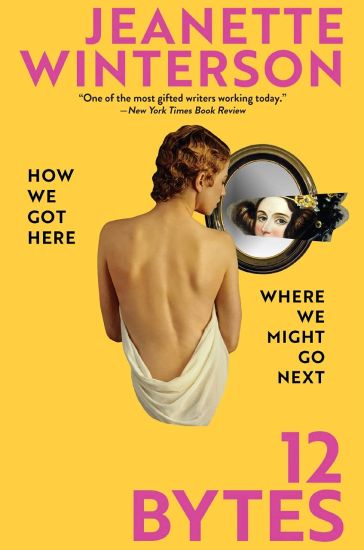
Since her astonishing debut at twenty-five with Oranges Are Not the Only Fruit, Jeanette Winterson has achieved worldwide critical and commercial success as "one of the most daring and inventive writers of our time" (Elle). Her new novel, Frankissstein, is an audacious love story that weaves together disparate lives into an exploration of transhumanism, artificial intelligence, and queer love. Lake Geneva, 1816. Nineteen-year-old Mary Shelley is inspired to write a story about a scientist who creates a new life-form. In Brexit Britain, a young transgender doctor called Ry is falling in love with Victor Stein, a celebrated professor leading the public debate around AI and carrying out some experiments of his own in a vast underground network of tunnels. Meanwhile, Ron Lord, just divorced and living with his mom again, is set to make his fortune launching a new generation of sex dolls for lonely men everywhere. Across the Atlantic, in Phoenix, Arizona, a cryogenics facility houses dozens of bodies of men and women who are medically and legally dead... but waiting to return to life. What will happen when homo sapiens is no longer the smartest being on the planet? In fiercely intelligent prose, Jeanette Winterson shows us how much closer we are to that future than we realize. Funny and furious, bold and clear-sighted, Frankissstein is a love story about life itself.
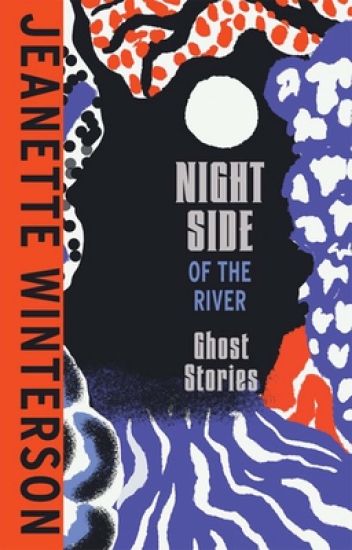
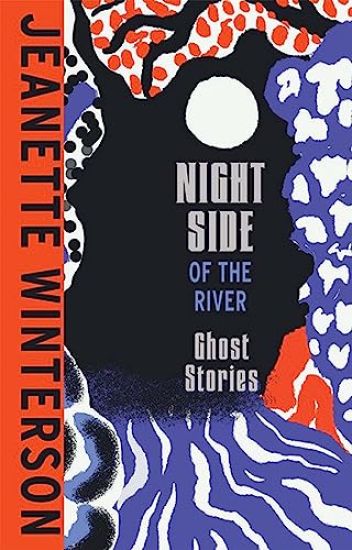
A captivating collection of ghost stories from "one of the most gifted writers working today" (New York Times), The Night Side of the River is as ingeniously provocative as it is downright spooky. In this delightfully chilling collection, the iconic Jeanette Winterson turns her fearless gaze to the realm of ghosts, interspersing her own encounters with the supernatural alongside hair-raising fictions. Lifting the veil between the living and the dead, Winterson spirits us away to a haunted estate that ensnares a nomadic young couple in its own dark past, a staged immersive ghost tour gone awry, a West Village s ance that threatens the bounds between AI and reality, and a vacation home in the metaverse where a widow visits an improved version of her deceased husband. Gloriously gothic and unnervingly contemporary, Winterson examines grief, revenge, and the myriad ways in which technology can disrupt the boundary between life and death.
A captivating collection of ghost stories from "one of the most gifted writers working today" (New York Times), The Night Side of the River is as ingeniously provocative as it is downright spooky. In this delightfully chilling collection, the iconic Jeanette Winterson turns her fearless gaze to the realm of ghosts, interspersing her own encounters with the supernatural alongside hair-raising fictions. Lifting the veil between the living and the dead, Winterson spirits us away to a haunted estate that ensnares a nomadic young couple in its own dark past, a staged immersive ghost tour gone awry, a West Village s ance that threatens the bounds between AI and reality, and a vacation home in the metaverse where a widow visits an improved version of her deceased husband. Gloriously gothic and unnervingly contemporary, Winterson examines grief, revenge, and the myriad ways in which technology can disrupt the boundary between life and death.
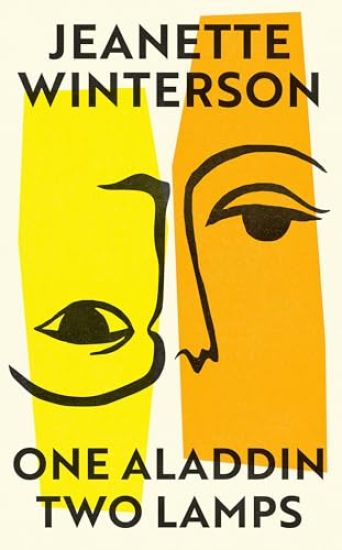
"Winterson is a master of her material, a writer in whom great talent deeply abides."--Vanity FairI can change the story because I am the story."One of the most daring and inventive writers of our time" (Elle) weaves together memoir, manifesto, and a feminist reimagining of One Thousand and One Nights in this impassioned exploration of the power of readingA woman is filibustering for her life. Every night she tells a story. Every morning, she lives one more day. One Aladdin Two Lamps cracks open the legendary story of Shahrazad in One Thousand and One Nights to reveal new questions and answers we are still thinking about today. Who should we trust? Is love the most important thing in the world? Does it matter whether you are honest? What makes us happy?In her guise as Aladdin--the orphan who changes his world--Jeanette Winterson asks us to reread what we think we know. To look again. Especially to look again at how fiction works in our lives, giving us the courage to change our own narratives and alter endings we wish to subvert. As a young working-class woman, with no obvious future beyond factory work or marriage, Winterson realizes through the power of books that she can read herself as fiction as well as a fact: "I can change the story because I am the story."An alluring blend of the ancient and the contemporary, One Aladdin Two Lamps ingeniously explores stories and their vital role in our lives. Weaving together fiction, magic, and memoir, Winterson's newest is a tribute to the age-old tradition of storytelling and a radical step into the future--an invitation to look closer at our stories, and thereby ourselves, to imagine the world anew.
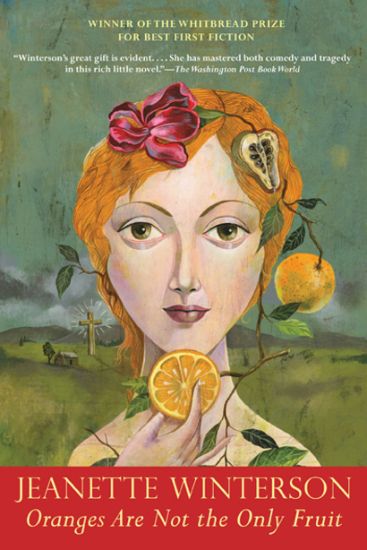
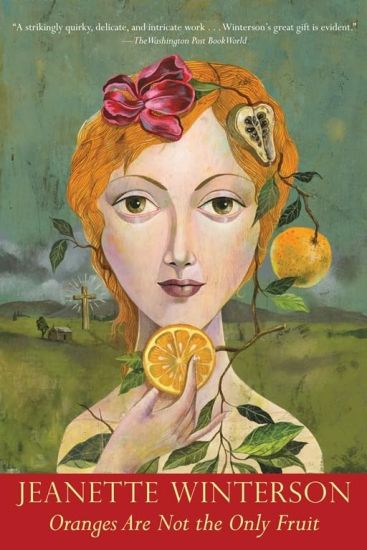
"To read Jeanette Winterson is to love her."--O, the Oprah MagazineThe 40th anniversary edition of a beloved modern classic and pioneering work of autofiction--a funny, poignant exploration of a young girl's quirky passage into adulthoodWith a new introduction and afterword by the authorJeanette Winterson's extraordinary career began at the age of twenty-five with the publication of Oranges Are Not the Only Fruit. An international bestseller and winner of the prestigious Whitbread Award for Best First Fiction, it is considered a classic of contemporary literature and taught widely around the world, in courses ranging from core undergraduate classes to women's studies and queer studies.Jeanette is a bright and rebellious orphan who is adopted into an evangelical household in the dour, industrial north of England. Her youth is spent embroidering grim religious mottoes and shaking her little tambourine for Jesus. But as this budding missionary comes of age and comes to terms with her unorthodox sexuality, the peculiar balance of her God-fearing household collapses. Jeanette's insistence on listening to truths of her own heart and mind--and on reporting them with wit and passion--makes for an unforgettable chronicle of an extraordinary passage into adulthood.
"To read Jeanette Winterson is to love her."--O, the Oprah MagazineThe 40th anniversary edition of a beloved modern classic and pioneering work of autofiction--a funny, poignant exploration of a young girl's quirky passage into adulthoodWith a new introduction and afterword by the authorJeanette Winterson's extraordinary career began at the age of twenty-five with the publication of Oranges Are Not the Only Fruit. An international bestseller and winner of the prestigious Whitbread Award for Best First Fiction, it is considered a classic of contemporary literature and taught widely around the world, in courses ranging from core undergraduate classes to women's studies and queer studies.Jeanette is a bright and rebellious orphan who is adopted into an evangelical household in the dour, industrial north of England. Her youth is spent embroidering grim religious mottoes and shaking her little tambourine for Jesus. But as this budding missionary comes of age and comes to terms with her unorthodox sexuality, the peculiar balance of her God-fearing household collapses. Jeanette's insistence on listening to truths of her own heart and mind--and on reporting them with wit and passion--makes for an unforgettable chronicle of an extraordinary passage into adulthood.
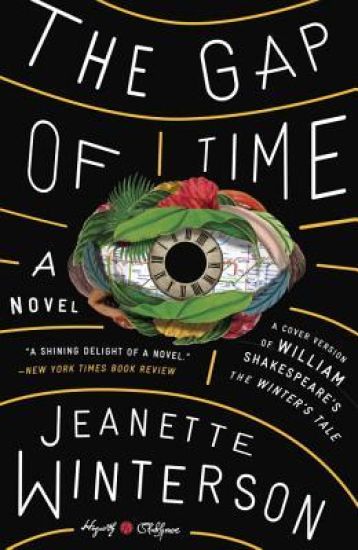
The Winter's Tale is one of Shakespeare's "late plays." It tells the story of a king whose jealousy results in the banishment of his baby daughter and the death of his beautiful wife. His daughter is found and brought up by a shepherd on the Bohemian coast, but through a series of extraordinary events, father and daughter, and eventually mother too, are reunited. In The Gap of Time, Jeanette Winterson's cover version of The Winter's Tale, we move from London, a city reeling after the 2008 financial crisis, to a storm-ravaged American city called New Bohemia. Her story is one of childhood friendship, money, status, technology and the elliptical nature of time. Written with energy and wit, this is a story of the consuming power of jealousy on the one hand, and redemption and the enduring love of a lost child on the other.
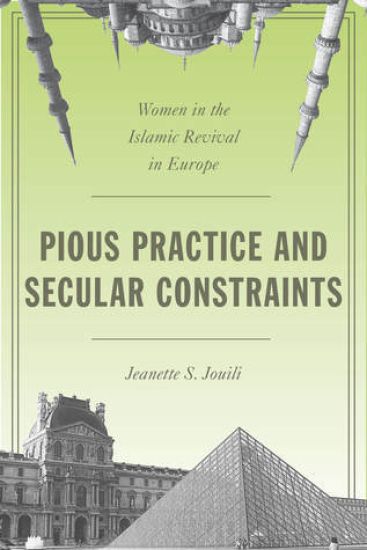
The visible increase in religious practice among young European-born Muslims has provoked public anxiety. New government regulations seek not only to restrict Islamic practices within the public sphere, but also to shape Muslims', and especially women's, personal conduct. Pious Practice and Secular Constraints chronicles the everyday ethical struggles of women active in orthodox and socially conservative Islamic revival circles as they are torn between their quest for a pious lifestyle and their aspirations to counter negative representations of Muslims within the mainstream society. Jeanette S. Jouili conducted fieldwork in France and Germany to investigate how pious Muslim women grapple with religious expression: for example, when to wear a headscarf, where to pray throughout the day, and how to maintain modest interactions between men and women. Her analysis stresses the various ethical dilemmas the women confronted in negotiating these religious duties within a secular public sphere. In conversation with Islamic and Western thinkers, Jouili teases out the important ethical-political implications of these struggles, ultimately arguing that Muslim moral agency, surprisingly reinvigorated rather than hampered by the increasingly hostile climate in Europe, encourages us to think about the contribution of non-secular civic virtues for shaping a pluralist Europe.
The visible increase in religious practice among young European-born Muslims has provoked public anxiety. New government regulations seek not only to restrict Islamic practices within the public sphere, but also to shape Muslims', and especially women's, personal conduct. Pious Practice and Secular Constraints chronicles the everyday ethical struggles of women active in orthodox and socially conservative Islamic revival circles as they are torn between their quest for a pious lifestyle and their aspirations to counter negative representations of Muslims within the mainstream society. Jeanette S. Jouili conducted fieldwork in France and Germany to investigate how pious Muslim women grapple with religious expression: for example, when to wear a headscarf, where to pray throughout the day, and how to maintain modest interactions between men and women. Her analysis stresses the various ethical dilemmas the women confronted in negotiating these religious duties within a secular public sphere. In conversation with Islamic and Western thinkers, Jouili teases out the important ethical-political implications of these struggles, ultimately arguing that Muslim moral agency, surprisingly reinvigorated rather than hampered by the increasingly hostile climate in Europe, encourages us to think about the contribution of non-secular civic virtues for shaping a pluralist Europe.
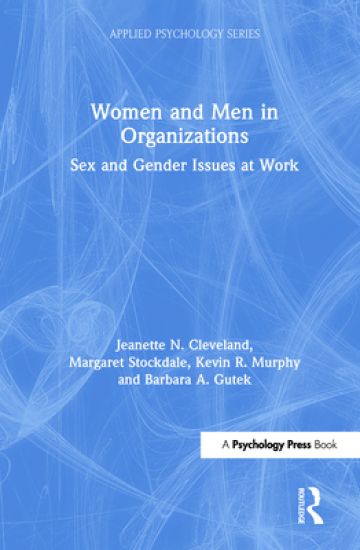
The gender and racial composition of the American workforce is rapidly changing. As more women in particular enter the workforce and as they enter jobs that have traditionally been dominated by men, issues related to sex and gender in work settings have become increasingly important and complex. Research addressing sex and gender in the workplace is conducted in several distinct disciplines, ranging from psychology and sociology to management and economics. Further, books on gender at work often reflect either a more traditional management perspective or a more recent feminist perspective; rarely however, are these two orientations on women and work acknowledged within the same text. Thus, the principle goal of the book is to communicate a variety of social psychological literatures and research on gender issues that affect work behaviors to upper-level undergraduate and graduate students in applied psychology and business.
The gender and racial composition of the American workforce is rapidly changing. As more women in particular enter the workforce and as they enter jobs that have traditionally been dominated by men, issues related to sex and gender in work settings have become increasingly important and complex. Research addressing sex and gender in the workplace is conducted in several distinct disciplines, ranging from psychology and sociology to management and economics. Further, books on gender at work often reflect either a more traditional management perspective or a more recent feminist perspective; rarely however, are these two orientations on women and work acknowledged within the same text. Thus, the principle goal of the book is to communicate a variety of social psychological literatures and research on gender issues that affect work behaviors to upper-level undergraduate and graduate students in applied psychology and business.