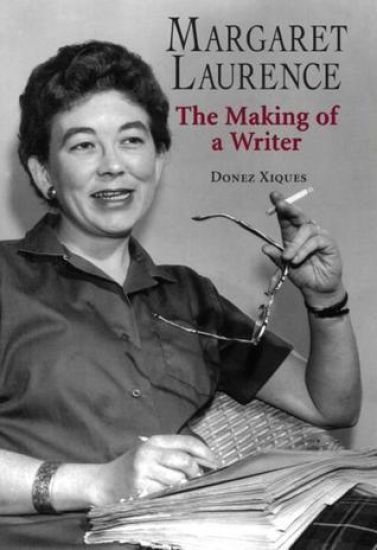
Margaret Laurence: The Making of a Writer is an engaging narrative that contains new and important findings about Laurence's life and career. This biography reveals the challenges, successes, and failures of the long apprenticeship that preceded the publication of the The Stone Angel, Laurence's first commercially successful novel. Donez Xiques demonstrates the importance of Margaret Laurence's early work as a journalist in her development as a writer and covers her return to Canada from Africa in the late 1950s. She details the significance of Laurence's "Vancouver years" as well as the challenges of her year in London prior to settling at Elm Cottage in Buckinghamshire, when Laurence stood on the verge of success. The Margaret Laurence known to most people is a public figure of the 1960s and 1970s; matriarchal, matronly, and accomplished. The story of her early years in the harsh setting of the Canadian Prairies during the 1930s - years of drought and the Great Depression - and of her African years has never before been chronicled with the thoroughness and vividness that Xiques provides for the reader.Appended to this powerful new biography is a short story by Margaret Laurence that has never before been published and two other stories that have not been widely available. They indicate the range of her concerns and show a marked departure from her fiction in The Tomorrow-Tamer and Other Stories and A Bird in the House. Readers will benefit from the extensive research in this full and vibrant portrait of one of the most revered writers of twentieth-century Canadian literature.
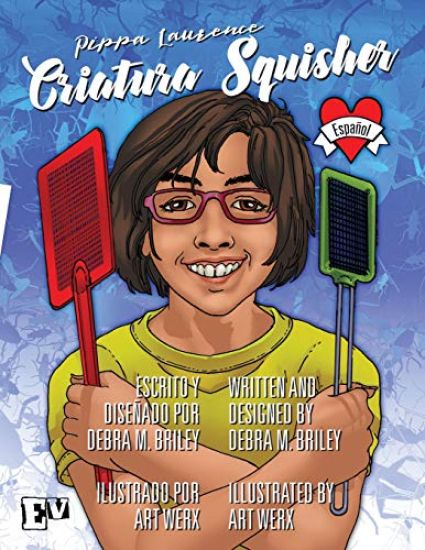
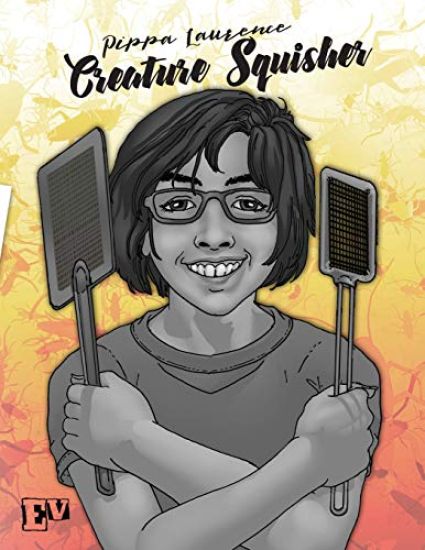
Meet Pippa Laurence. Pippa is a little kid with big creature problems. She discovers that with guidance and the right tools the ickiest problems can be solved. Conoce a Pippa Laurence. Pippa es un ni o con grandes problemas de criatura. Ella descubre que con la orientaci n y las herramientas adecuadas, los problemas m s dif ciles se pueden resolver.
Meet Pippa Laurence. Pippa is a little kid with big creature problems. She discovers that with guidance and the right tools the ickiest problems can be solved. Conoce a Pippa Laurence. Pippa es un ni o con grandes problemas de criatura. Ella descubre que con la orientaci n y las herramientas adecuadas, los problemas m s dif ciles se pueden resolver.
Meet Pippa Laurence. Pippa has many uninvited house guests who need to go. At first, Pippa does nothing. When she confronts her problems, she discovers that her terrible horrors can be squished with guidance and the right tools.
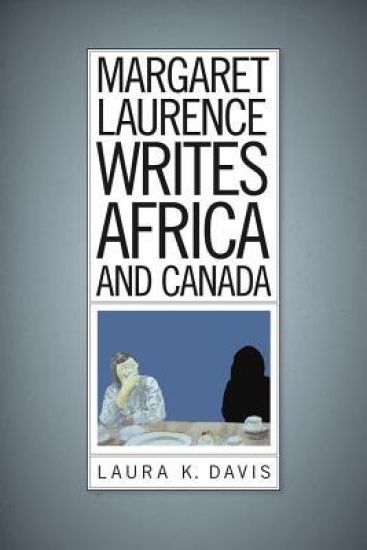
Margaret Laurence Writes Africa and Canada is the first book to examine how Laurence addresses decolonization and nation building in 1950s Somalia and Ghana, and 1960s and 1970s English Canada.Focusing on Laurence's published works as well as her unpublished letters not yet discussed by critics, the book articulates how Laurence and her characters are poised between African colonies of occupation during decolonization and the settler-colony of English Canada during the implementation of Canadian multiculturalism. Laurence's Canadian characters are often divided subjects who are not quite members of their ancestral ""imperial"" cultures, yet also not truly ""native"" to their nation. Margaret Laurence Writes Africa and Canada shows how Laurence and her characters negotiate complex tensions between ""self"" and ""nation,"" and argues that Laurence's African and Canadian writing demonstrates a divided Canadian subject who holds significant implications for both the individual and the country of Canada.Bringing together Laurence's writing about Africa and Canada, Davis offers a unique contribution to the study of Canadian literature. The book is an original interpretation of Laurence's work and reveals how she displaces the simple notion that Canada is a sum total of different cultures and conceives Canada as a mosaic that is in flux and constituted through continually changing social relations.
Margaret Laurence Writes Africa and Canada is the first book to examine how Laurence addresses decolonization and nation building in 1950s Somalia and Ghana, and 1960s and 1970s English Canada.Focusing on Laurence's published works as well as her unpublished letters not yet discussed by critics, the book articulates how Laurence and her characters are poised between African colonies of occupation during decolonization and the settler-colony of English Canada during the implementation of Canadian multiculturalism. Laurence's Canadian characters are often divided subjects who are not quite members of their ancestral ""imperial"" cultures, yet also not truly ""native"" to their nation. Margaret Laurence Writes Africa and Canada shows how Laurence and her characters negotiate complex tensions between ""self"" and ""nation,"" and argues that Laurence's African and Canadian writing demonstrates a divided Canadian subject who holds significant implications for both the individual and the country of Canada.Bringing together Laurence's writing about Africa and Canada, Davis offers a unique contribution to the study of Canadian literature. The book is an original interpretation of Laurence's work and reveals how she displaces the simple notion that Canada is a sum total of different cultures and conceives Canada as a mosaic that is in flux and constituted through continually changing social relations.
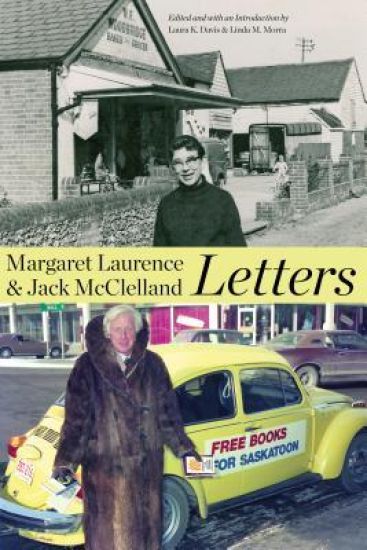
Margaret Laurence and Jack McClelland—one of Canada’s most beloved writers and one of Canada’s most significant publishers—enjoyed an unusual rapport. In this collection of annotated letters, readers gain rare insight into the private side of these literary icons. Their correspondence reveals a professional relationship that evolved into deep friendship over a period of enormous cultural change. Both were committed to the idea of Canadian writing; in a very real sense, their mutual and separate work helped bring “Canadian Literature” into being. With its insider’s view of the book business from the late 1950s to the mid-1980s, Margaret Laurence and Jack McClelland, Letters presents a valuable piece of Canadian literary history curated and annotated by Davis and Morra. This is essential reading for all those interested in Canada’s literary culture.
Paul Laurence Dunbar (June 27, 1872 - February 9, 1906) was an American poet, novelist, and playwright of the late 19th and early 20th centuries. Born in Dayton, Ohio, to parents who had been enslaved in Kentucky before the American Civil War, Dunbar began to write stories and verse when still a child; he was president of his high school's literary society. He published his first poems at the age of 16 in a Dayton newspaper. Much of Dunbar's more popular work in his lifetime was written in the Negro dialect associated with the antebellum South, though he also used the Midwestern regional dialect of James Whitcomb Riley. Dunbar's work was praised by William Dean Howells, a leading editor associated with the Harper's Weekly, and Dunbar was one of the first African-American writers to establish an international reputation. He wrote the lyrics for the musical comedy In Dahomey (1903), the first all-African-American musical produced on Broadway in New York. The musical later toured in the United States and the United Kingdom. Dunbar also wrote in conventional English in other poetry and novels. Since the late 20th century, scholars have become more interested in these other works. Suffering from tuberculosis, which then had no cure, Dunbar died in Dayton at the age of 33. Early life: Paul Laurence Dunbar was born at 311 Howard Street in Dayton, Ohio, on June 27, 1872, to parents who had been enslaved in Kentucky before the American Civil War. After being emancipated, his mother Matilda had moved to Dayton with other family members, including her two sons Robert and William from her first marriage. Dunbar's father Joshua had escaped from slavery in Kentucky before the war ended. He traveled to Massachusetts and volunteered for the 55th Massachusetts Infantry Regiment, one of the first two black units to serve in the war. The senior Dunbar also served in the 5th Massachusetts Cavalry Regiment. Paul Dunbar was born six months after Joshua and Matilda married on Christmas Eve, 1871. The marriage of Dunbar's parents was troubled and Dunbar's mother left Joshua soon after having their second child, a daughter.Joshua died on August 16, 1885; Paul was then 12 years old. Dunbar wrote his first poem at the age of six and gave his first public recital at the age of nine. His mother assisted him in his schooling, having learned to read expressly for that purpose. She often read the Bible with him, and thought he might become a minister in the African Methodist Episcopal Church. It was the first independent black denomination in America, founded in Philadelphia in the early 19th century. Dunbar was the only African-American student during his years at Central High School in Dayton; Orville Wright was a classmate and friend. Well-accepted, he was elected as president of the school's literary society, and became the editor of the school newspaper and a member of the debate club...................
.........as a leper's, and even the empty sleeve, the badge of honor to so many of them, would read only to these people, "Unclean, unclean." He was bending his steps towards his father's house, absorbed in bitter thoughts, when a sort of divination, rather than the appearance of things roused him from his revery. He looked around upon the place, the houses, the lawns, and then a lighted window caught his eye and he realized that he was passing Bradford Waters' house. "I wonder if she is back at home?" he said. "I caused her so much grief." He passed through the gate, and crept up to the window. The light shone through a thin shade, but he could see nothing within the house. After a short while, however, he heard the sound of women's voices, and one was hers. Without warning, all the pent-up feeling of the past three years burst forth in the cry, " Mary " "What's that?" cried some one within, but there was no answer save the hurried tread of feet across the floor. Aware of what he had done, he was hurrying away, when the front door was thrown open, and he saw her before him standing in a flood of light. Then he could not go. He stood transfixed until she walked down the steps to him crying," Robert, Robert, I was sure you would come " And all he could do was to bow his head and murmur, "Thank God." She took him by the hand and led him into the house, he unresisting. "Here is Robert," she said to Nannie. "Did I not tell you he would come?" "Yes, and I am glad with you." Her greeting of Robert was tender, almost sisterly. As soon as she could do so tactfully, she left the room, and Van Doren's glance followed her questioningly. He could not understand her subdued manner, her sad face. Mary saw the look in his eyes and asked, "Do you not know, ........... Paul Laurence Dunbar (June 27, 1872 - February 9, 1906) was an American poet, novelist, and playwright of the late 19th and early 20th centuries. Born in Dayton, Ohio, to parents who had been enslaved in Kentucky before the American Civil War, Dunbar began to write stories and verse when still a child; he was president of his high school's literary society. He published his first poems at the age of 16 in a Dayton newspaper. Much of Dunbar's more popular work in his lifetime was written in the Negro dialect associated with the antebellum South, though he also used the Midwestern regional dialect of James Whitcomb Riley. Dunbar's work was praised by William Dean Howells, a leading editor associated with the Harper's Weekly, and Dunbar was one of the first African-American writers to establish an international reputation. He wrote the lyrics for the musical comedy In Dahomey (1903), the first all-African-American musical produced on Broadway in New York. The musical later toured in the United States and the United Kingdom. Dunbar also wrote in conventional English in other poetry and novels. Since the late 20th century, scholars have become more interested in these other works. Suffering from tuberculosis, which then had no cure, Dunbar died in Dayton at the age of 33...............
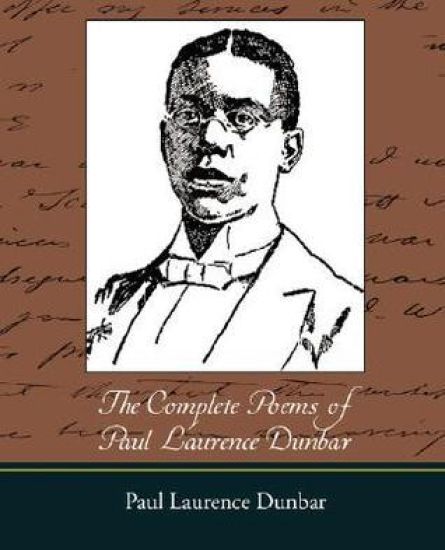
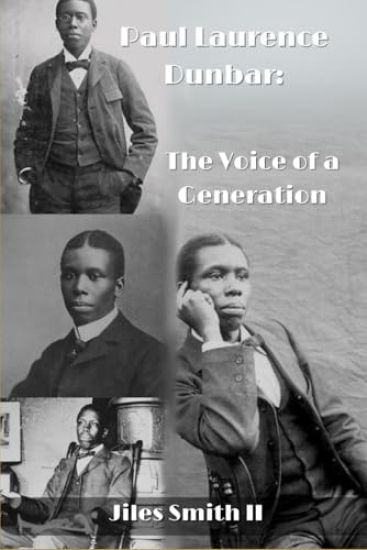
Paul Laurence Dunbar (June 27, 1872 - February 9, 1906) was an American poet, novelist, and playwright of the late 19th and early 20th centuries. Born in Dayton, Ohio, to parents who had been enslaved in Kentucky before the American Civil War, Dunbar began to write stories and verse when still a child; he was president of his high school's literary society. He published his first poems at the age of 16 in a Dayton newspaper. Much of Dunbar's more popular work in his lifetime was written in the Negro dialect associated with the antebellum South, though he also used the Midwestern regional dialect of James Whitcomb Riley. Dunbar's work was praised by William Dean Howells, a leading editor associated with the Harper's Weekly, and Dunbar was one of the first African-American writers to establish an international reputation. He wrote the lyrics for the musical comedy In Dahomey (1903), the first all-African-American musical produced on Broadway in New York. The musical later toured in the United States and the United Kingdom. Dunbar also wrote in conventional English in other poetry and novels. Since the late 20th century, scholars have become more interested in these other works. Suffering from tuberculosis, which then had no cure, Dunbar died in Dayton at the age of 33. Early life: Paul Laurence Dunbar was born at 311 Howard Street in Dayton, Ohio, on June 27, 1872, to parents who had been enslaved in Kentucky before the American Civil War. After being emancipated, his mother Matilda had moved to Dayton with other family members, including her two sons Robert and William from her first marriage. Dunbar's father Joshua had escaped from slavery in Kentucky before the war ended. He traveled to Massachusetts and volunteered for the 55th Massachusetts Infantry Regiment, one of the first two black units to serve in the war. The senior Dunbar also served in the 5th Massachusetts Cavalry Regiment. Paul Dunbar was born six months after Joshua and Matilda married on Christmas Eve, 1871. The marriage of Dunbar's parents was troubled and Dunbar's mother left Joshua soon after having their second child, a daughter.Joshua died on August 16, 1885; Paul was then 12 years old. Dunbar wrote his first poem at the age of six and gave his first public recital at the age of nine. His mother assisted him in his schooling, having learned to read expressly for that purpose. She often read the Bible with him, and thought he might become a minister in the African Methodist Episcopal Church. It was the first independent black denomination in America, founded in Philadelphia in the early 19th century. Dunbar was the only African-American student during his years at Central High School in Dayton; Orville Wright was a classmate and friend. Well-accepted, he was elected as president of the school's literary society, and became the editor of the school newspaper and a member of the debate club.............
Paul Laurence Dunbar (June 27, 1872 - February 9, 1906) was an American poet, novelist, and playwright of the late 19th and early 20th centuries. Born in Dayton, Ohio, to parents who had been enslaved in Kentucky before the American Civil War, Dunbar began to write stories and verse when still a child; he was president of his high school's literary society. He published his first poems at the age of 16 in a Dayton newspaper. Much of Dunbar's more popular work in his lifetime was written in the Negro dialect associated with the antebellum South, though he also used the Midwestern regional dialect of James Whitcomb Riley. Dunbar's work was praised by William Dean Howells, a leading editor associated with the Harper's Weekly, and Dunbar was one of the first African-American writers to establish an international reputation. He wrote the lyrics for the musical comedy In Dahomey (1903), the first all-African-American musical produced on Broadway in New York. The musical later toured in the United States and the United Kingdom. Dunbar also wrote in conventional English in other poetry and novels. Since the late 20th century, scholars have become more interested in these other works. Suffering from tuberculosis, which then had no cure, Dunbar died in Dayton at the age of 33. Early life: Paul Laurence Dunbar was born at 311 Howard Street in Dayton, Ohio, on June 27, 1872, to parents who had been enslaved in Kentucky before the American Civil War. After being emancipated, his mother Matilda had moved to Dayton with other family members, including her two sons Robert and William from her first marriage. Dunbar's father Joshua had escaped from slavery in Kentucky before the war ended. He traveled to Massachusetts and volunteered for the 55th Massachusetts Infantry Regiment, one of the first two black units to serve in the war. The senior Dunbar also served in the 5th Massachusetts Cavalry Regiment. Paul Dunbar was born six months after Joshua and Matilda married on Christmas Eve, 1871. The marriage of Dunbar's parents was troubled and Dunbar's mother left Joshua soon after having their second child, a daughter.Joshua died on August 16, 1885; Paul was then 12 years old. Dunbar wrote his first poem at the age of six and gave his first public recital at the age of nine. His mother assisted him in his schooling, having learned to read expressly for that purpose. She often read the Bible with him, and thought he might become a minister in the African Methodist Episcopal Church. It was the first independent black denomination in America, founded in Philadelphia in the early 19th century. Dunbar was the only African-American student during his years at Central High School in Dayton; Orville Wright was a classmate and friend. Well-accepted, he was elected as president of the school's literary society, and became the editor of the school newspaper and a member of the debate club....................
Paul Laurence Dunbar (June 27, 1872 - February 9, 1906) was an American poet, novelist, and playwright of the late 19th and early 20th centuries. Born in Dayton, Ohio, to parents who had been enslaved in Kentucky before the American Civil War, Dunbar began to write stories and verse when still a child; he was president of his high school's literary society. He published his first poems at the age of 16 in a Dayton newspaper. Much of Dunbar's more popular work in his lifetime was written in the Negro dialect associated with the antebellum South, though he also used the Midwestern regional dialect of James Whitcomb Riley. Dunbar's work was praised by William Dean Howells, a leading editor associated with the Harper's Weekly, and Dunbar was one of the first African-American writers to establish an international reputation. He wrote the lyrics for the musical comedy In Dahomey (1903), the first all-African-American musical produced on Broadway in New York. The musical later toured in the United States and the United Kingdom. Dunbar also wrote in conventional English in other poetry and novels. Since the late 20th century, scholars have become more interested in these other works. Suffering from tuberculosis, which then had no cure, Dunbar died in Dayton at the age of 33. Early life: Paul Laurence Dunbar was born at 311 Howard Street in Dayton, Ohio, on June 27, 1872, to parents who had been enslaved in Kentucky before the American Civil War. After being emancipated, his mother Matilda had moved to Dayton with other family members, including her two sons Robert and William from her first marriage. Dunbar's father Joshua had escaped from slavery in Kentucky before the war ended. He traveled to Massachusetts and volunteered for the 55th Massachusetts Infantry Regiment, one of the first two black units to serve in the war. The senior Dunbar also served in the 5th Massachusetts Cavalry Regiment. Paul Dunbar was born six months after Joshua and Matilda married on Christmas Eve, 1871. The marriage of Dunbar's parents was troubled and Dunbar's mother left Joshua soon after having their second child, a daughter.Joshua died on August 16, 1885; Paul was then 12 years old. Dunbar wrote his first poem at the age of six and gave his first public recital at the age of nine. His mother assisted him in his schooling, having learned to read expressly for that purpose. She often read the Bible with him, and thought he might become a minister in the African Methodist Episcopal Church. It was the first independent black denomination in America, founded in Philadelphia in the early 19th century. Dunbar was the only African-American student during his years at Central High School in Dayton; Orville Wright was a classmate and friend. Well-accepted, he was elected as president of the school's literary society, and became the editor of the school newspaper and a member of the debate club...
Paul Laurence Dunbar (June 27, 1872 - February 9, 1906) was an American poet, novelist, and playwright of the late 19th and early 20th centuries. Born in Dayton, Ohio, to parents who had been enslaved in Kentucky before the American Civil War, Dunbar began to write stories and verse when still a child; he was president of his high school's literary society. He published his first poems at the age of 16 in a Dayton newspaper. Much of Dunbar's more popular work in his lifetime was written in the Negro dialect associated with the antebellum South, though he also used the Midwestern regional dialect of James Whitcomb Riley. Dunbar's work was praised by William Dean Howells, a leading editor associated with the Harper's Weekly, and Dunbar was one of the first African-American writers to establish an international reputation. He wrote the lyrics for the musical comedy In Dahomey (1903), the first all-African-American musical produced on Broadway in New York. The musical later toured in the United States and the United Kingdom. Dunbar also wrote in conventional English in other poetry and novels. Since the late 20th century, scholars have become more interested in these other works. Suffering from tuberculosis, which then had no cure, Dunbar died in Dayton at the age of 33. Early life: Paul Laurence Dunbar was born at 311 Howard Street in Dayton, Ohio, on June 27, 1872, to parents who had been enslaved in Kentucky before the American Civil War. After being emancipated, his mother Matilda had moved to Dayton with other family members, including her two sons Robert and William from her first marriage. Dunbar's father Joshua had escaped from slavery in Kentucky before the war ended. He traveled to Massachusetts and volunteered for the 55th Massachusetts Infantry Regiment, one of the first two black units to serve in the war. The senior Dunbar also served in the 5th Massachusetts Cavalry Regiment. Paul Dunbar was born six months after Joshua and Matilda married on Christmas Eve, 1871. The marriage of Dunbar's parents was troubled and Dunbar's mother left Joshua soon after having their second child, a daughter.Joshua died on August 16, 1885; Paul was then 12 years old. Dunbar wrote his first poem at the age of six and gave his first public recital at the age of nine. His mother assisted him in his schooling, having learned to read expressly for that purpose. She often read the Bible with him, and thought he might become a minister in the African Methodist Episcopal Church. It was the first independent black denomination in America, founded in Philadelphia in the early 19th century. Dunbar was the only African-American student during his years at Central High School in Dayton; Orville Wright was a classmate and friend. Well-accepted, he was elected as president of the school's literary society, and became the editor of the school newspaper and a member of the debate club............
Paul Laurence Dunbar (June 27, 1872 - February 9, 1906) was an American poet, novelist, and playwright of the late 19th and early 20th centuries. Born in Dayton, Ohio, to parents who had been enslaved in Kentucky before the American Civil War, Dunbar began to write stories and verse when still a child; he was president of his high school's literary society. He published his first poems at the age of 16 in a Dayton newspaper. Much of Dunbar's more popular work in his lifetime was written in the Negro dialect associated with the antebellum South, though he also used the Midwestern regional dialect of James Whitcomb Riley. Dunbar's work was praised by William Dean Howells, a leading editor associated with the Harper's Weekly, and Dunbar was one of the first African-American writers to establish an international reputation. He wrote the lyrics for the musical comedy In Dahomey (1903), the first all-African-American musical produced on Broadway in New York. The musical later toured in the United States and the United Kingdom. Dunbar also wrote in conventional English in other poetry and novels. Since the late 20th century, scholars have become more interested in these other works. Suffering from tuberculosis, which then had no cure, Dunbar died in Dayton at the age of 33. Early life: Paul Laurence Dunbar was born at 311 Howard Street in Dayton, Ohio, on June 27, 1872, to parents who had been enslaved in Kentucky before the American Civil War. After being emancipated, his mother Matilda had moved to Dayton with other family members, including her two sons Robert and William from her first marriage. Dunbar's father Joshua had escaped from slavery in Kentucky before the war ended. He traveled to Massachusetts and volunteered for the 55th Massachusetts Infantry Regiment, one of the first two black units to serve in the war. The senior Dunbar also served in the 5th Massachusetts Cavalry Regiment. Paul Dunbar was born six months after Joshua and Matilda married on Christmas Eve, 1871. The marriage of Dunbar's parents was troubled and Dunbar's mother left Joshua soon after having their second child, a daughter.Joshua died on August 16, 1885; Paul was then 12 years old. Dunbar wrote his first poem at the age of six and gave his first public recital at the age of nine. His mother assisted him in his schooling, having learned to read expressly for that purpose. She often read the Bible with him, and thought he might become a minister in the African Methodist Episcopal Church. It was the first independent black denomination in America, founded in Philadelphia in the early 19th century. Dunbar was the only African-American student during his years at Central High School in Dayton; Orville Wright was a classmate and friend. Well-accepted, he was elected as president of the school's literary society, and became the editor of the school newspaper and a member of the debate club.................
Paul Laurence Dunbar (June 27, 1872 - February 9, 1906) was an American poet, novelist, and playwright of the late 19th and early 20th centuries. Born in Dayton, Ohio, to parents who had been enslaved in Kentucky before the American Civil War, Dunbar began to write stories and verse when still a child; he was president of his high school's literary society. He published his first poems at the age of 16 in a Dayton newspaper. Much of Dunbar's more popular work in his lifetime was written in the Negro dialect associated with the antebellum South, though he also used the Midwestern regional dialect of James Whitcomb Riley. Dunbar's work was praised by William Dean Howells, a leading editor associated with the Harper's Weekly, and Dunbar was one of the first African-American writers to establish an international reputation. He wrote the lyrics for the musical comedy In Dahomey (1903), the first all-African-American musical produced on Broadway in New York. The musical later toured in the United States and the United Kingdom. Dunbar also wrote in conventional English in other poetry and novels. Since the late 20th century, scholars have become more interested in these other works. Suffering from tuberculosis, which then had no cure, Dunbar died in Dayton at the age of 33.Paul Laurence Dunbar was born at 311 Howard Street in Dayton, Ohio, on June 27, 1872, to parents who had been enslaved in Kentucky before the American Civil War. 2] After being emancipated, his mother Matilda had moved to Dayton with other family members, including her two sons Robert and William from her first marriage. Dunbar's father Joshua had escaped from slavery in Kentucky before the war ended. He traveled to Massachusetts and volunteered for the 55th Massachusetts Infantry Regiment, one of the first two black units to serve in the war. The senior Dunbar also served in the 5th Massachusetts Cavalry Regiment. Paul Dunbar was born six months after Joshua and Matilda married on Christmas Eve, 1871.
I think I should scarcely trouble the reader with a special appeal in behalf of this book, if it had not specially appealed to me for reasons apart from the author's race, origin, and condition. The world is too old now, and I find myself too much of its mood, to care for the work of a poet because he is black, because his father and mother were slaves, because he was, before and after he began to write poems, an elevator-boy. These facts would certainly attract me to him as a man, if I knew him to have a literary ambition, but when it came to his literary art, I must judge it irrespective of these facts, and enjoy or endure it for what it was in itself.