Arnold Schoenberg und Roberto Gerhard begannen 1923 eine Meister-Schuler-Beziehung, die sich im Laufe der Zeit in eine enge Freundschaft verwandelte. Trotz der geographischen Distanz, die beide Komponisten trennte -Schoenberg floh 1933 in die USA und Gerhard ging 1939 ins Exil-, unterhielten sie bis zu ihrem Tode eine intensive Korrespondenz, die dank der Freundschaft ihrer Wiener Ehefrauen gefestigt wurde.Der vorliegende Band enthalt den bisher noch nicht veroeffentlichten, aus 82 Einzel dokumenten bestehenden vollstandigen Briefwechsel zwischen Arnold Schoenberg und seinem spanischen Schuler Roberto Gerhard, der nach einer langwierigen Suche und minuzioeser Arbeit in verschiedenen internationalen Archiven von Prof. Dr. Ortiz-de-Urbina zusammengetragen werden konnte.Eine erste Analyse der Briefe zwischen Arnold Schoenberg und seinem Schuler Roberto Gerhard liefert interessante Ergebnisse bezuglich des Lebens, des Werkes und der Persoenlich keit beider Komponisten und beleuchtet relevante biografische Aspekte, wie das enge familiare Verhaltnis zwischen beiden dank der aktiven Vermittlerrolle beider Ehefrauen, die Relevanz des Aufenthalts der Schoenbergs in Barcelona von Oktober 1931 bis Juni 1932 oder den verzweifelten Versuch Gerhards, mit Hilfe Pau Casals und anderer spanischer Musiker fur Schoenberg verbindliche Vertrage in Spanien zu schliessen, damit der Wiener Meister, bedrangt vom zunehmenden Antisemitismus in Deutschland ab 1932, definitiv nach Barcelona mit Frau und Kind ubersiedeln koennte. Die gesammelten Dokumente beleuchten auch den Prozess der Gestaltung mancher Werke beider Komponisten.Wenn auch Leben und Werk Arnold Schoenbergs umfassend erforscht und dokumentiert wurden und immer noch Schwerpunkt der internationalen musikwissenschaftlichen Forschung sind, bleibt Roberto Gerhard trotz seiner Relevanz als Komponist und Denker innerhalb der europaischen posttonalen Musik des 20. Jahrhunderts ein unzureichend erforschter Komponist. Als Republikaner fand er wahrend der Franco-Diktatur offiziell keine Beachtung und erst nach seinem Tode 1970, zwei Jahre nach Erhalt der Ehrendoktorwurde der Cambridge University, wurden sowohl sein Leben und Werk als auch seine Rezeption Thema der musikwissenschaftlichen Forschungsgemeinschaft. Aus diesem Grunde soll das vorliegende Buch nicht nur als Dokumentensammlung der Schoenberg- und Gerhardforschung dienen, sondern auch als Beitrag zu einer Gerhard-Renaissance verstanden werden.
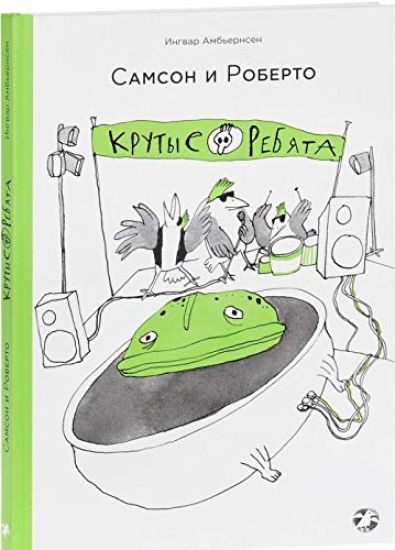
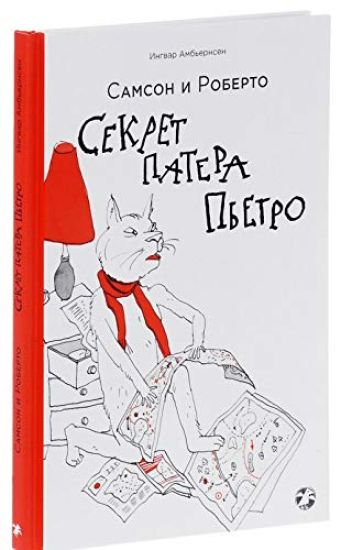
V pansionate psa Samsona i kota Roberto postojaltsev nemnogo, no dela vse ravno idut neplokho. Pes i kot vmeste s druzjami sobirajut osennij urozhaj jablok. Vdrug otkuda ni vozmis pojavljaetsja strashno nesimpatichnyj zlobnyj pes Ljudo Karson, jakoby naznachennyj novym sherifom. Zhizn v "Razdole nad fordom" srazu skhodit s privychnoj kolei - novyj sherif postojanno sledit za obitateljami pansionata, rugaetsja i grozit tjurmoj. A tut esche odnu iz komnat zanimaet kakoj-to podozritelnyj parikmakher-italjanets, razyskivajuschij drevnij retsept buzinnogo soka...Dlja mladshego shkolnogo vozrasta.Perevodchik: Streblova Inna PavlovnaKhudozhnik: Shadrina Aleksandra
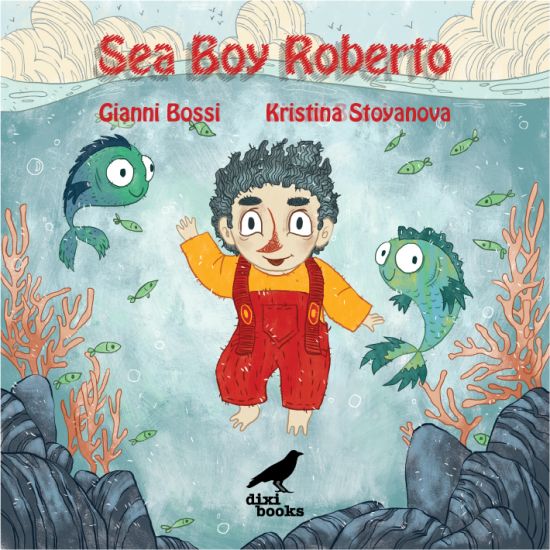
Come with Roberto the Sea Boy on a visit it his friends who live deep in the ocean. You’ll meet turtles, a tonguefish, and even a giant whale. Would you like to meet Roberto too? Inside, he gives you the secret of how to meet him. Seas all around the world are in trouble. They need your help. So does Roberto
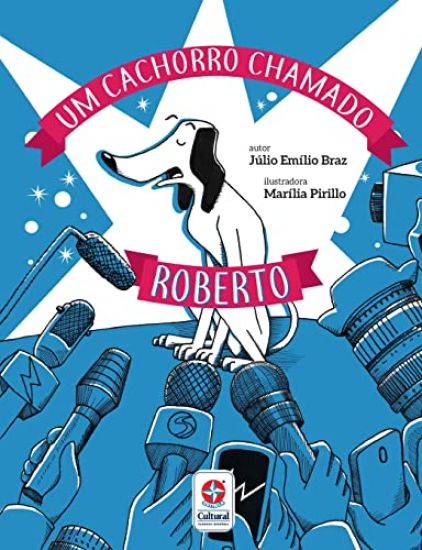
Roberto era um cachorro diferente. Ali s muito esquisito. E sua esquisitice ia muito al m do seu nome de gente. Ningu m conseguia entender seu jeito de ser: n o latia, n o abanava o rabo para os donos e sequer brincava com as crian as. Ficava sempre ali, pensativo, em um mundo s dele. Mas, o que ningu m esperava que, de repente, Roberto viraria a maior celebridade. Prepare-se para uma aventura incr vel e fique atento: ser que algum dia seu cachorro (sim, caro leitor, o seu cachorro ), teria o mesmo comportamento? bom voc conhecer essa hist ria...
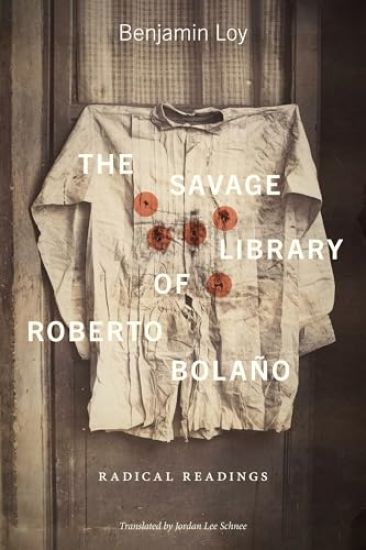
Visionary Chilean writer Roberto Bola o was known for his darkly poetic prose and postmodern narratives, exemplified in his novel The Savage Detectives. His work is also deeply infused with references to the Western literary canon--from French and Spanish baroque texts to American and German modernism, as well as postmodern literature from Latin America and France. Taking Bola o's notion of "savage" reading as a point of departure, this study explores the key authors and literary traditions that underpin his oeuvre. Blending close textual analysis with insights from the history of literature and ideas, Loy offers fresh perspectives on some of Bola o's most significant works, including Distant Star, By Night in Chile, and 2666. The intertextual dialogues Loy traces--with figures such as Blaise Pascal, Sor Juana In s de la Cruz, Charles Baudelaire, William Carlos Williams, Ernst J nger, Nicanor Parra, and Georges Perec--illuminate the aesthetic universe of an author now regarded as a central figure in twenty-first-century world literature. Published by Bucknell University Press. Distributed worldwide by Rutgers University Press.
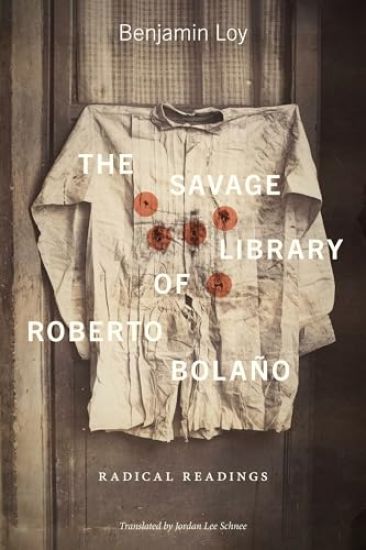
Visionary Chilean writer Roberto Bola o was known for his darkly poetic prose and postmodern narratives, exemplified in his novel The Savage Detectives. His work is also deeply infused with references to the Western literary canon--from French and Spanish baroque texts to American and German modernism, as well as postmodern literature from Latin America and France. Taking Bola o's notion of "savage" reading as a point of departure, this study explores the key authors and literary traditions that underpin his oeuvre. Blending close textual analysis with insights from the history of literature and ideas, Loy offers fresh perspectives on some of Bola o's most significant works, including Distant Star, By Night in Chile, and 2666. The intertextual dialogues Loy traces--with figures such as Blaise Pascal, Sor Juana In s de la Cruz, Charles Baudelaire, William Carlos Williams, Ernst J nger, Nicanor Parra, and Georges Perec--illuminate the aesthetic universe of an author now regarded as a central figure in twenty-first-century world literature. Published by Bucknell University Press. Distributed worldwide by Rutgers University Press.
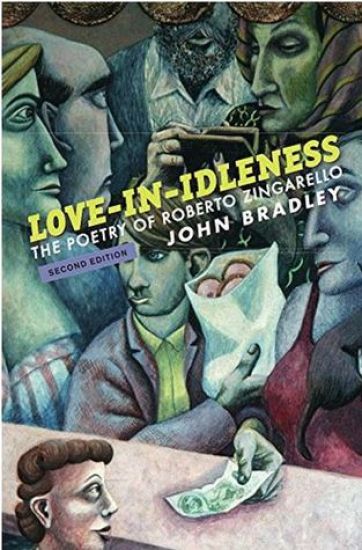
In his fictional speaker, Roberto Zingarello, John Bradley has found a way to manage the weight of the 20th century, questing for love, truth, and revenge. Fascist Italy is confronted and ultimately transcended as Bradley's obsessions with Italian film and literature bear this astonishing fruit, a history both public and private. Says Ray Gonzalez of the Bloomsbury Review, "We need more characters like Zingarello in American poetry and more poets like Bradley who will step out of bounds to shake us with writing that is so different and important." Bill Tremblay adds, "With Love-in-Idleness, John Bradley enters the world of fictive poetry, and we are the richer for it. In Zingarello, Bradley has created a voice big enough to express the human dream of transcending history."
This work has been selected by scholars as being culturally important and is part of the knowledge base of civilization as we know it.This work is in the public domain in the United States of America, and possibly other nations. Within the United States, you may freely copy and distribute this work, as no entity (individual or corporate) has a copyright on the body of the work.Scholars believe, and we concur, that this work is important enough to be preserved, reproduced, and made generally available to the public. To ensure a quality reading experience, this work has been proofread and republished using a format that seamlessly blends the original graphical elements with text in an easy-to-read typeface.We appreciate your support of the preservation process, and thank you for being an important part of keeping this knowledge alive and relevant.
This work has been selected by scholars as being culturally important and is part of the knowledge base of civilization as we know it.This work is in the public domain in the United States of America, and possibly other nations. Within the United States, you may freely copy and distribute this work, as no entity (individual or corporate) has a copyright on the body of the work.Scholars believe, and we concur, that this work is important enough to be preserved, reproduced, and made generally available to the public. To ensure a quality reading experience, this work has been proofread and republished using a format that seamlessly blends the original graphical elements with text in an easy-to-read typeface.We appreciate your support of the preservation process, and thank you for being an important part of keeping this knowledge alive and relevant.