The year is 1853, and Sara Rose is the platform for a compelling, adventurous performance of romance, greed and suspense. Loyalty and betrayal walk the decks, testing friendships and the poignancy of brotherly love touches our hearts. The story connects us to a place, and we share the magnificence of another time, where the natural beauty of coastlines, the quaint ports-of-call and the awesome power of nature escorting Sara Rose across the vast and treacherous Atlantic Ocean. Eager passengers dreaming of a land of promise share their hopes and plans with fellow passengers, but all are unaware of evil plots threatening their happiness. Aboard the ship is a fortune in gold and artifacts, the target of pirates and a dangerous killer who pursues his greed with heartless cruelty. Class distinction breaks down as chance meetings of steerage, and first-class passengers occur. Sparks fly and flirtations emerge with the promise of lasting love. The atmosphere on the Sara Rose is epic.
In the middle of the twenties a little girl was born in Bremerhaven. After a happy childhood she is pushed into the cruel reality, when the Nazis came into power. All of a sudden she is an outcast.Someday the family was arrested and together with other families bundled into livestock wagons. She is able to flee through a hole on the floor, hides in a hut, is discovered and supposed to be delivered. She is able to escape a second time and finally joins a Polish underground organization. Together with her partisan friend Paula she learns to handle weapons und some fighting techniques. This way, both survive and struggle their way through to the west, this time chased by the Russians.Sara the weasel - a dynamically recounted incredible life story full of adventures, setbacks and a heart-warming ending.
Sara Teasdale(August 8, 1884 - January 29, 1933) was an American lyric poet. She was born Sarah Trevor Teasdale in St. Louis, Missouri, and used the name Sara Teasdale Filsinger after her marriage in 1914. Biography;easdale was born on August 8, 1884. She had poor health for much of her childhood, so she was home schooled until age 9. It was at age 10 that she was well enough to begin school. She started at Mary Institute in 1898, but switched to Hosmer Hall in 1899, graduating in 1903. The Teasdale family resided at 3668 Lindell Blvd. and then 38 Kingsbury Place in St. Louis, Missouri. Both homes were designed by Sara's mother. The house on Kingsbury Place had a private suite for Sara on the second floor. Guests entered through a separate entrance and were admitted by appointment. This suite is where Sara worked, slept, and often dined alone. From 1904 to 1907, Teasdale was a member of The Potters, led by Lillie Rose Ernst, a group of female artists in their late teens and early twenties who published, from 1904 to 1907, The Potter's Wheel a monthly artistic and literary magazine in St. Louis. Teasdale's first poem was published in William Marion Reedy's Reedy's Mirror, a local newspaper, in 1907. Her first collection of poems, Sonnets to Duse and Other Poems, was published that same year. Teasdale's second collection, Helen of Troy and Other Poems, was published in 1911. It was well received by critics, who praised its lyrical mastery and romantic subject matter. From 1911 to 1914 Teasdale was courted by several men, including the poet Vachel Lindsay, who was truly in love with her but did not feel that he could provide enough money or stability to keep her satisfied. She chose to marry Ernst Filsinger, a longtime admirer of her poetry, on December 19, 1914. Teasdale's third poetry collection, Rivers to the Sea, was published in 1915. It was and is a bestseller, being reprinted several times. In 1916 she and Filsinger moved to New York City, where they lived in an Upper West Side apartment on Central Park West. In 1918 she won a Pulitzer Prize for her 1917 poetry collection Love Songs. It was "made possible by a special grant from The Poetry Society"; however, the sponsoring organization now lists it as the earliest Pulitzer Prize for Poetry (inaugurated 1922). Filsinger's constant business travel caused Teasdale much loneliness. In 1929, she moved interstate for three months, thereby satisfying the criteria to gain a divorce. She did not wish to inform Filsinger, only doing so at her lawyers' insistence as the divorce was going through. Filsinger was shocked. After the divorce she moved only two blocks from her old home on Central Park West. She rekindled her friendship with Vachel Lindsay, who was now married with children. In 1933, she died by suicide, overdosing on sleeping pills. Lindsay had died by suicide two years earlier. She is interred in Bellefontaine Cemetery in St. Louis....................
Sara Teasdale(August 8, 1884 - January 29, 1933) was an American lyric poet. She was born Sarah Trevor Teasdale in St. Louis, Missouri, and used the name Sara Teasdale Filsinger after her marriage in 1914. Biography;easdale was born on August 8, 1884. She had poor health for much of her childhood, so she was home schooled until age 9. It was at age 10 that she was well enough to begin school. She started at Mary Institute in 1898, but switched to Hosmer Hall in 1899, graduating in 1903. The Teasdale family resided at 3668 Lindell Blvd. and then 38 Kingsbury Place in St. Louis, Missouri. Both homes were designed by Sara's mother. The house on Kingsbury Place had a private suite for Sara on the second floor. Guests entered through a separate entrance and were admitted by appointment. This suite is where Sara worked, slept, and often dined alone. From 1904 to 1907, Teasdale was a member of The Potters, led by Lillie Rose Ernst, a group of female artists in their late teens and early twenties who published, from 1904 to 1907, The Potter's Wheel a monthly artistic and literary magazine in St. Louis. Teasdale's first poem was published in William Marion Reedy's Reedy's Mirror, a local newspaper, in 1907. Her first collection of poems, Sonnets to Duse and Other Poems, was published that same year. Teasdale's second collection, Helen of Troy and Other Poems, was published in 1911. It was well received by critics, who praised its lyrical mastery and romantic subject matter. From 1911 to 1914 Teasdale was courted by several men, including the poet Vachel Lindsay, who was truly in love with her but did not feel that he could provide enough money or stability to keep her satisfied. She chose to marry Ernst Filsinger, a longtime admirer of her poetry, on December 19, 1914. Teasdale's third poetry collection, Rivers to the Sea, was published in 1915. It was and is a bestseller, being reprinted several times. In 1916 she and Filsinger moved to New York City, where they lived in an Upper West Side apartment on Central Park West. In 1918 she won a Pulitzer Prize for her 1917 poetry collection Love Songs. It was "made possible by a special grant from The Poetry Society"; however, the sponsoring organization now lists it as the earliest Pulitzer Prize for Poetry (inaugurated 1922). Filsinger's constant business travel caused Teasdale much loneliness. In 1929, she moved interstate for three months, thereby satisfying the criteria to gain a divorce. She did not wish to inform Filsinger, only doing so at her lawyers' insistence as the divorce was going through. Filsinger was shocked. After the divorce she moved only two blocks from her old home on Central Park West. She rekindled her friendship with Vachel Lindsay, who was now married with children. In 1933, she died by suicide, overdosing on sleeping pills. Lindsay had died by suicide two years earlier. She is interred in Bellefontaine Cemetery in St. Louis.
Sara Teasdale(August 8, 1884 - January 29, 1933) was an American lyric poet. She was born Sarah Trevor Teasdale in St. Louis, Missouri, and used the name Sara Teasdale Filsinger after her marriage in 1914. Biography;easdale was born on August 8, 1884. She had poor health for much of her childhood, so she was home schooled until age 9. It was at age 10 that she was well enough to begin school. She started at Mary Institute in 1898, but switched to Hosmer Hall in 1899, graduating in 1903. The Teasdale family resided at 3668 Lindell Blvd. and then 38 Kingsbury Place in St. Louis, Missouri. Both homes were designed by Sara's mother. The house on Kingsbury Place had a private suite for Sara on the second floor. Guests entered through a separate entrance and were admitted by appointment. This suite is where Sara worked, slept, and often dined alone. From 1904 to 1907, Teasdale was a member of The Potters, led by Lillie Rose Ernst, a group of female artists in their late teens and early twenties who published, from 1904 to 1907, The Potter's Wheel a monthly artistic and literary magazine in St. Louis. Teasdale's first poem was published in William Marion Reedy's Reedy's Mirror, a local newspaper, in 1907. Her first collection of poems, Sonnets to Duse and Other Poems, was published that same year. Teasdale's second collection, Helen of Troy and Other Poems, was published in 1911. It was well received by critics, who praised its lyrical mastery and romantic subject matter. From 1911 to 1914 Teasdale was courted by several men, including the poet Vachel Lindsay, who was truly in love with her but did not feel that he could provide enough money or stability to keep her satisfied. She chose to marry Ernst Filsinger, a longtime admirer of her poetry, on December 19, 1914. Teasdale's third poetry collection, Rivers to the Sea, was published in 1915. It was and is a bestseller, being reprinted several times. In 1916 she and Filsinger moved to New York City, where they lived in an Upper West Side apartment on Central Park West. In 1918 she won a Pulitzer Prize for her 1917 poetry collection Love Songs. It was "made possible by a special grant from The Poetry Society"; however, the sponsoring organization now lists it as the earliest Pulitzer Prize for Poetry (inaugurated 1922). Filsinger's constant business travel caused Teasdale much loneliness. In 1929, she moved interstate for three months, thereby satisfying the criteria to gain a divorce. She did not wish to inform Filsinger, only doing so at her lawyers' insistence as the divorce was going through. Filsinger was shocked. After the divorce she moved only two blocks from her old home on Central Park West. She rekindled her friendship with Vachel Lindsay, who was now married with children. In 1933, she died by suicide, overdosing on sleeping pills. Lindsay had died by suicide two years earlier. She is interred in Bellefontaine Cemetery in St. Louis.
Sara Teasdale (August 8, 1884 - January 29, 1933) was an American lyric poet. She was born Sarah Trevor Teasdale in St. Louis, Missouri, and used the name Sara Teasdale Filsinger after her marriage in 1914. Biography;easdale was born on August 8, 1884. She had poor health for much of her childhood, so she was home schooled until age 9. It was at age 10 that she was well enough to begin school. She started at Mary Institute in 1898, but switched to Hosmer Hall in 1899, graduating in 1903. The Teasdale family resided at 3668 Lindell Blvd. and then 38 Kingsbury Place in St. Louis, Missouri. Both homes were designed by Sara's mother. The house on Kingsbury Place had a private suite for Sara on the second floor. Guests entered through a separate entrance and were admitted by appointment. This suite is where Sara worked, slept, and often dined alone. From 1904 to 1907, Teasdale was a member of The Potters, led by Lillie Rose Ernst, a group of female artists in their late teens and early twenties who published, from 1904 to 1907, The Potter's Wheel a monthly artistic and literary magazine in St. Louis. Teasdale's first poem was published in William Marion Reedy's Reedy's Mirror, a local newspaper, in 1907. Her first collection of poems, Sonnets to Duse and Other Poems, was published that same year. Teasdale's second collection, Helen of Troy and Other Poems, was published in 1911. It was well received by critics, who praised its lyrical mastery and romantic subject matter. From 1911 to 1914 Teasdale was courted by several men, including the poet Vachel Lindsay, who was truly in love with her but did not feel that he could provide enough money or stability to keep her satisfied. She chose to marry Ernst Filsinger, a longtime admirer of her poetry, on December 19, 1914. Teasdale's third poetry collection, Rivers to the Sea, was published in 1915. It was and is a bestseller, being reprinted several times. In 1916 she and Filsinger moved to New York City, where they lived in an Upper West Side apartment on Central Park West. In 1918 she won a Pulitzer Prize for her 1917 poetry collection Love Songs. It was "made possible by a special grant from The Poetry Society"; however, the sponsoring organization now lists it as the earliest Pulitzer Prize for Poetry (inaugurated 1922). Filsinger's constant business travel caused Teasdale much loneliness. In 1929, she moved interstate for three months, thereby satisfying the criteria to gain a divorce. She did not wish to inform Filsinger, only doing so at her lawyers' insistence as the divorce was going through. Filsinger was shocked. After the divorce she moved only two blocks from her old home on Central Park West. She rekindled her friendship with Vachel Lindsay, who was now married with children. In 1933, she died by suicide, overdosing on sleeping pills. Lindsay had died by suicide two years earlier. She is interred in Bellefontaine Cemetery in St. Louis.
Sara Teasdale (August 8, 1884 - January 29, 1933) was an American lyric poet. She was born Sarah Trevor Teasdale in St. Louis, Missouri, and used the name Sara Teasdale Filsinger after her marriage in 1914. Biography;easdale was born on August 8, 1884. She had poor health for much of her childhood, so she was home schooled until age 9. It was at age 10 that she was well enough to begin school. She started at Mary Institute in 1898, but switched to Hosmer Hall in 1899, graduating in 1903. The Teasdale family resided at 3668 Lindell Blvd. and then 38 Kingsbury Place in St. Louis, Missouri. Both homes were designed by Sara's mother. The house on Kingsbury Place had a private suite for Sara on the second floor. Guests entered through a separate entrance and were admitted by appointment. This suite is where Sara worked, slept, and often dined alone. From 1904 to 1907, Teasdale was a member of The Potters, led by Lillie Rose Ernst, a group of female artists in their late teens and early twenties who published, from 1904 to 1907, The Potter's Wheel a monthly artistic and literary magazine in St. Louis. Teasdale's first poem was published in William Marion Reedy's Reedy's Mirror, a local newspaper, in 1907. Her first collection of poems, Sonnets to Duse and Other Poems, was published that same year. Teasdale's second collection, Helen of Troy and Other Poems, was published in 1911. It was well received by critics, who praised its lyrical mastery and romantic subject matter. From 1911 to 1914 Teasdale was courted by several men, including the poet Vachel Lindsay, who was truly in love with her but did not feel that he could provide enough money or stability to keep her satisfied. She chose to marry Ernst Filsinger, a longtime admirer of her poetry, on December 19, 1914. Teasdale's third poetry collection, Rivers to the Sea, was published in 1915. It was and is a bestseller, being reprinted several times. In 1916 she and Filsinger moved to New York City, where they lived in an Upper West Side apartment on Central Park West. In 1918 she won a Pulitzer Prize for her 1917 poetry collection Love Songs. It was "made possible by a special grant from The Poetry Society"; however, the sponsoring organization now lists it as the earliest Pulitzer Prize for Poetry (inaugurated 1922). Filsinger's constant business travel caused Teasdale much loneliness. In 1929, she moved interstate for three months, thereby satisfying the criteria to gain a divorce. She did not wish to inform Filsinger, only doing so at her lawyers' insistence as the divorce was going through. Filsinger was shocked. After the divorce she moved only two blocks from her old home on Central Park West. She rekindled her friendship with Vachel Lindsay, who was now married with children. In 1933, she died by suicide, overdosing on sleeping pills. Lindsay had died by suicide two years earlier. She is interred in Bellefontaine Cemetery in St. Louis.
While many children's books exist, Sara & Doc series are the first children's books created by trauma medical professionals to specifically educate the population on how they can respond to active bleeding and other certain trauma scenarios. Through the use of realistic characters and a lovable therapy dog, Doc, the Sara & Doc books present trauma care principles in a non-threatening manner that teaches children how to respond should they ever be involved in a such an emergency. As trauma medical professionals, the authors of these books are passionate about preventing traumatic injuries and preparing and empowering all people, including children, in how to respond in an emergency situation. While the Sara & Doc books are geared toward younger children, older children and adults can learn and apply the trauma prevention and response concepts presented in the stories.
1888. Burnett, began as a novelist, but she is now best remembered for her children's books including Sara Crewe(which was later rewritten to become The Little Princess).
Many African American young girls are faced with many challenges every day, especially the ago-old topic of hair What constitutes "good hair"? What is pretty? How should a young girl wear her hair on picture day? These are a few of the themes explored in "Sara's School Hair Blues". Join Sara on her journey to self acceptance
Sara is a compassionate 10 year old who takes on the world to help kids who are less fortunate. Armed with a plan and her strong faith, Sara sees her dream to change the world come to life.
Sara Crewe; Or, What Happened at Miss Minchin's Boarding School is one of the greatest works by the Frances Hodgson Burnett in the field of fiction. It is one of the vintage collections by the Frances Hodgson Burnett.
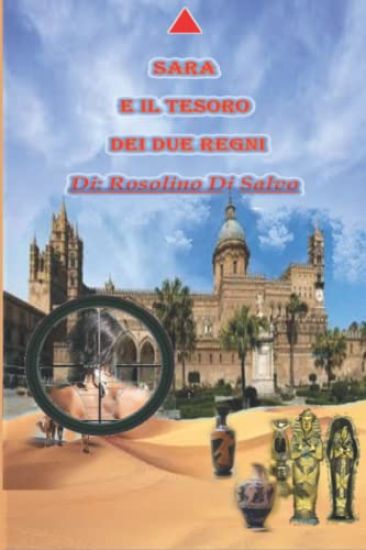
Sara una Neolaureata in archeologia che viene invitata da un ente internazionale a svolgere importanti ricerche nei pressi di un villaggio dell'Algeria, ma durante gli scavi accadono degli strani incidenti... coinvolta in una emozionante avventura tra due terre di fuoco cos lontane ma allo stesso tempo cos tanto vicine tra loro come L'Africa e la Sicilia, teatro di un losco traffico di opere d'arte antiche oltre che dell'ormai noto giro di vite umane; la donna sar alle prese con le realt delle mafie Siculo-Africane e diverr testimone di quella continua tragedia che tutt'oggi si consuma nella nostra spietata indifferenza. L'uomo delle terre bruciate, l''arte e la storia sono i veri protagonisti di questo racconto che nell'intento di sensibilizzare i lettori stato scritto con umili intenzioni e grandi speranze. Grazie. Rosolino Di Salvo * Puoi visitare le pagine sul sito dell'autore: HTTP: //ROSOLINO.CLOUD o leggere gratuitamente gli estratti e acquistare i libri sul sito: HTTP: //AMAZON.IT cercando: ROSOLINO DI SALVO
Sara the bear always listens to what the other bears have to say. When she gets invited to a birthday party, she wears her favorite bow and is ready to have fun. Until a series of events almost ruin the fun. In this book, Sara learns to overcome her insecurities and listen more to her inner self. This book provides children with a beginner's glimpse into the power of self-assurance.