

Kirjahaku
Etsi kirjoja tekijän nimen, kirjan nimen tai ISBN:n perusteella.
1000 tulosta hakusanalla Sutter-Laumann




Mont-Saint-Michel: Seek and Find Sarah and Simon Series, Book 6
Geert de Sutter
Magnificat-Ignatius
2025
sidottu
In this sixth volume of the Seek and Find series, children will discover Mont-Saint-Michel, the famous Benedictine Abbey off the northern coast of France, during its heyday in the Middle Ages. Along the way, they will look for Sara and Simon, a girl and a boy like them; Felix and Estella, a teacher and his daughter; Lavan and Hoom, the two cats; Gil the goat; Shiloh, the three-legged dog; and the guide, Brother Baldwin.
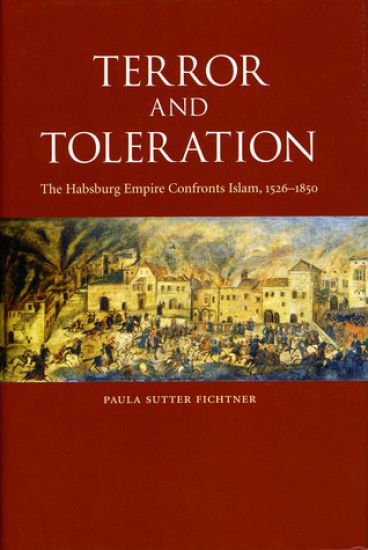
From the fourteenth to the eighteenth centuries the armies of the Ottoman empire brought terror, in the name of Islam, to much of the Christian world. Intermittently, but relentlessly, the Sultans' forces raided, then conquered the Danube Valley as far as Budapest and beyond. Their inexorable progress westward eventually brought them into conflict with the dynastic confederation created in central and eastern Europe by the Austrian Habsburgs. Repeatedly faced with virtual annihilation by superior Muslim forces, the ruling powers in Vienna fought to mobilise the minds as well as the military resources of their subjects in order to save both their faith and their soil. The propaganda developed by both government and church, particularly the Roman Catholic variant, created, then reinforced many of the negative stereotypes of Muslims that are still familiar to Europeans today. Gradually, after the middle of the seventeenth century, Habsburg rulers and officials came to see that its political and military survival required solid information about the Muslim foe that prejudiced ideas did not supply. In "Terror and Toleration", Paula Sutter Fichtner traces the story of this change of heart and mind in government and intellectual circles throughout the Habsburg empire. This episode shows, she argues, that it is possible to form and disseminate negative views of an enemy for political and strategic reasons, yet be able to reconfigure those views as circumstance and necessity dictates. A highly original account of a fascinating historical and cultural encounter, this book gives readers a close view of how a Western empire not only survived Islamic aggression, but in the process learned how to consider and even work with Muslims positively and productively.

"Frau im Entscheidungskonflikt" ist mehr als ein Fachbuch - es ist ein praxisnaher Ratgeber f r Frauen in schwierigen Lebenssituationen und eine fundierte Grundlage f r Fachpersonen in der Beratung. Mit grosser Empathie zeigt Riccarda Menghini Sutter, wie komplexe Entscheidungskonflikte entstehen und professionell begleitet werden k nnen. Auf Basis aktueller Forschung und konkreter Fallbeispiele entwickelt sie einen methodischen Leitfaden f r psychosoziale Beratung, der Frauen zu informierten, selbstbestimmten Entscheidungen st rkt. Gesellschaftliche, rechtliche und psychosoziale Rahmenbedingungen werden verst ndlich eingeordnet, Handlungsspielr ume sichtbar gemacht und Beratungsprozesse nachvollziehbar dargestellt.F r wen ist das Buch gedacht?1. Fachpersonen aus sozialen, p dagogischen oder beratenden Berufen.2. Institutionen, die Orientierung f r ihre Beratungspraxis suchen.3. Studierende und Lehrende, die sich mit Entscheidungsfindung und feministischer Beratung befassen.4. Frauen, die sich in einer schwierigen Entscheidungssituation befinden.

A gorgeous, and bruising, collection. With a voice that balances grit and grace, humor and heartbreak, Daniel S.C. Sutter captures great truths of the human condition . . . love is imperfect, forgiveness is complicated, survival often looks like stubborn hope. Debris announces a writer unafraid to look closely at what remains after impact-as well as the messes we leave behind. (Skip Horack)
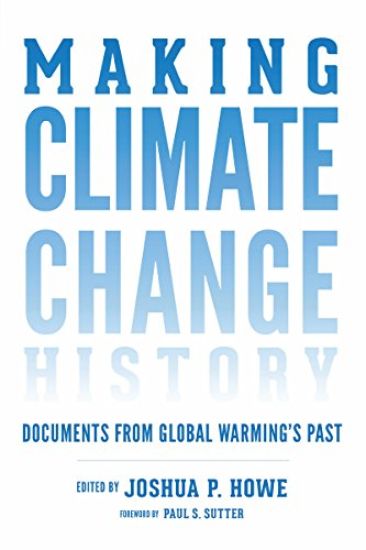
This collection pulls together key documents from the scientific and political history of climate change, including congressional testimony, scientific papers, newspaper editorials, court cases, and international declarations. Far more than just a compendium of source materials, the book uses these documents as a way to think about history, while at the same time using history as a way to approach the politics of climate change from a new perspective. Making Climate Change History provides the necessary background to give readers the opportunity to pose critical questions and create plausible answers to help them understand climate change in its historical context; it also illustrates the relevance of history to building effective strategies for dealing with the climatic challenges of the future.
This collection pulls together key documents from the scientific and political history of climate change, including congressional testimony, scientific papers, newspaper editorials, court cases, and international declarations. Far more than just a compendium of source materials, the book uses these documents as a way to think about history, while at the same time using history as a way to approach the politics of climate change from a new perspective. Making Climate Change History provides the necessary background to give readers the opportunity to pose critical questions and create plausible answers to help them understand climate change in its historical context; it also illustrates the relevance of history to building effective strategies for dealing with the climatic challenges of the future.
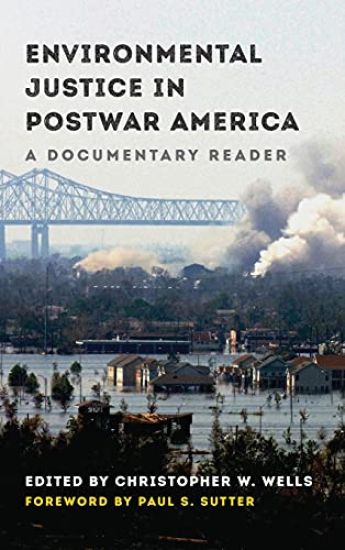
In the decades after World War II, the American economy entered a period of prolonged growth that created unprecedented affluence—but these developments came at the cost of a host of new environmental problems. Unsurprisingly, a disproportionate number of them, such as pollution-emitting factories, waste-handling facilities, and big infrastructure projects, ended up in communities dominated by people of color. Constrained by long-standing practices of segregation that limited their housing and employment options, people of color bore an unequal share of postwar America's environmental burdens.This reader collects a wide range of primary source documents on the rise and evolution of the environmental justice movement. The documents show how environmentalists in the 1970s recognized the unequal environmental burdens that people of color and low-income Americans had to bear, yet failed to take meaningful action to resolve them. Instead, activism by the affected communities themselves spurred the environmental justice movement of the 1980s and early 1990s. By the turn of the twenty-first century, environmental justice had become increasingly mainstream, and issues like climate justice, food justice, and green-collar jobs had taken their places alongside the protection of wilderness as "environmental" issues.Environmental Justice in Postwar America is a powerful tool for introducing students to the US environmental justice movement and the sometimes tense relationship between environmentalism and social justice.For more information, visit the editor's website: http://cwwells.net/PostwarEJ
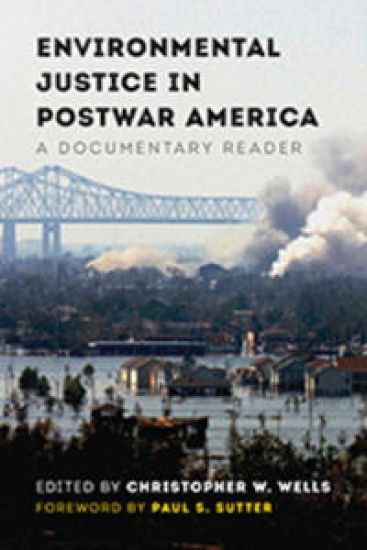
In the decades after World War II, the American economy entered a period of prolonged growth that created unprecedented affluence—but these developments came at the cost of a host of new environmental problems. Unsurprisingly, a disproportionate number of them, such as pollution-emitting factories, waste-handling facilities, and big infrastructure projects, ended up in communities dominated by people of color. Constrained by long-standing practices of segregation that limited their housing and employment options, people of color bore an unequal share of postwar America's environmental burdens.This reader collects a wide range of primary source documents on the rise and evolution of the environmental justice movement. The documents show how environmentalists in the 1970s recognized the unequal environmental burdens that people of color and low-income Americans had to bear, yet failed to take meaningful action to resolve them. Instead, activism by the affected communities themselves spurred the environmental justice movement of the 1980s and early 1990s. By the turn of the twenty-first century, environmental justice had become increasingly mainstream, and issues like climate justice, food justice, and green-collar jobs had taken their places alongside the protection of wilderness as "environmental" issues.Environmental Justice in Postwar America is a powerful tool for introducing students to the US environmental justice movement and the sometimes tense relationship between environmentalism and social justice.For more information, visit the editor's website: http://cwwells.net/PostwarEJ
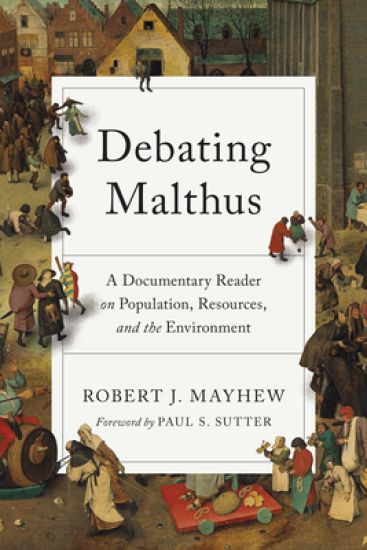
Introducing students to the place of population in environmental thinkingFor centuries, thinking about the earth's increasing human population has been tied to environmental ideas and political action. This highly teachable collection of contextualized primary sources allows students to follow European and North American discussions about intertwined and evolving concepts of population, resources, and the natural environment from early contexts in the sixteenth century through to the present day.Edited and introduced by Robert J. Mayhew, a noted biographer of Thomas Robert Malthus—whose Essay on the Principle of Population (1798), excerpted here, is an influential and controversial take on the topic—this volume explores themes including evolution, eugenics, war, social justice, birth control, environmental Armageddon, and climate change. Other responses to the idea of new "population bombs" are represented here by radical feminist work, by Indigenous views of the population-environment nexus, and by intersectional race-gender approaches. By learning the patterns of this discourse, students will be better able to critically evaluate historical conversations and contemporary debates.
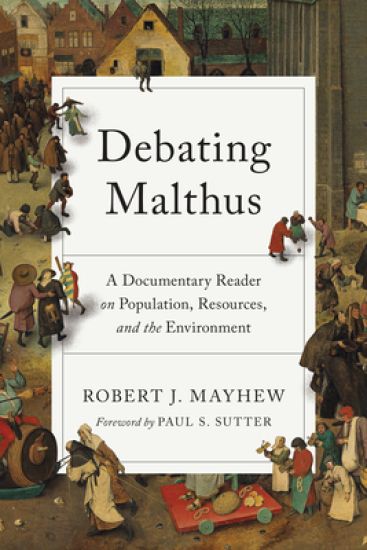
Introducing students to the place of population in environmental thinkingFor centuries, thinking about the earth's increasing human population has been tied to environmental ideas and political action. This highly teachable collection of contextualized primary sources allows students to follow European and North American discussions about intertwined and evolving concepts of population, resources, and the natural environment from early contexts in the sixteenth century through to the present day.Edited and introduced by Robert J. Mayhew, a noted biographer of Thomas Robert Malthus—whose Essay on the Principle of Population (1798), excerpted here, is an influential and controversial take on the topic—this volume explores themes including evolution, eugenics, war, social justice, birth control, environmental Armageddon, and climate change. Other responses to the idea of new "population bombs" are represented here by radical feminist work, by Indigenous views of the population-environment nexus, and by intersectional race-gender approaches. By learning the patterns of this discourse, students will be better able to critically evaluate historical conversations and contemporary debates.

In its infancy, the movement to protect wilderness areas in the United States was motivated less by perceived threats from industrial and agricultural activities than by concern over the impacts of automobile owners seeking recreational opportunities in wild areas. Countless commercial and government purveyors vigorously promoted the mystique of travel to breathtakingly scenic places, and roads and highways were built to facilitate such travel. By the early 1930s, New Deal public works programs brought these trends to a startling crescendo. The dilemma faced by stewards of the nation's public lands was how to protect the wild qualities of those places while accommodating, and often encouraging, automobile-based tourism. By 1935, the founders of the Wilderness Society had become convinced of the impossibility of doing both.In Driven Wild, Paul Sutter traces the intellectual and cultural roots of the modern wilderness movement from about 1910 through the 1930s, with tightly drawn portraits of four Wilderness Society founders--Aldo Leopold, Robert Sterling Yard, Benton MacKaye, and Bob Marshall. Each man brought a different background and perspective to the advocacy for wilderness preservation, yet each was spurred by a fear of what growing numbers of automobiles, aggressive road building, and the meteoric increase in Americans turning to nature for their leisure would do to the country's wild places. As Sutter discovered, the founders of the Wilderness Society were "driven wild"--pushed by a rapidly changing country to construct a new preservationist ideal.Sutter demonstrates that the birth of the movement to protect wilderness areas reflected a growing belief among an important group of conservationists that the modern forces of capitalism, industrialism, urbanism, and mass consumer culture were gradually eroding not just the ecology of North America, but crucial American values as well. For them, wilderness stood for something deeply sacred that was in danger of being lost, so that the movement to protect it was about saving not just wild nature, but ourselves as well.
Nuclear Reactions explores the nuclear consensus that emerged in post–World War II America, characterized by widespread support for a diplomatic and military strategy based on nuclear weapons and a vision of economic growth that welcomed nuclear energy both for the generation of electricity and for other peaceful and industrial uses. Unease about the environmental consequences of nuclear energy and weapons development became apparent by the early 1960s and led to the first challenges to that consensus.The documents in this collection address issues such as the arms race, "mutually assured destruction," the emergence of ecosystems ecology and the environmental movement, nuclear protests, and climate change. They raise questions about how nuclear energy shaped—and continues to shape—the contours of postwar American life. These questions provide a useful lens through which to understand the social, economic, and environmental tradeoffs embedded within American choices about the use and management of nuclear energy.
Nuclear Reactions explores the nuclear consensus that emerged in post–World War II America, characterized by widespread support for a diplomatic and military strategy based on nuclear weapons and a vision of economic growth that welcomed nuclear energy both for the generation of electricity and for other peaceful and industrial uses. Unease about the environmental consequences of nuclear energy and weapons development became apparent by the early 1960s and led to the first challenges to that consensus.The documents in this collection address issues such as the arms race, "mutually assured destruction," the emergence of ecosystems ecology and the environmental movement, nuclear protests, and climate change. They raise questions about how nuclear energy shaped—and continues to shape—the contours of postwar American life. These questions provide a useful lens through which to understand the social, economic, and environmental tradeoffs embedded within American choices about the use and management of nuclear energy.

As the cold war ends, the United States is being forced to reassess the dominant role it has played in East and Southeast Asia and the Pacific during the decades that followed World War II. Bringing readers up to date on policy trends in the area, the author provides a general overview as well as detailed analyses of key issues in individual nations and regions. The author concludes by placing these regional developments in the context of the ongoing debate in the United States over an appropriate foreign policy in the post-cold war world.

Chinese Foreign Policy after the Cultural Revolution, 1966-1977
Robert G. Sutter
Routledge
2019
sidottu
Chinese foreign policy has changed radically since the Cultural Revolution of 1966-1969, but until now there has been no comprehensive review of developments in Chinese foreign affairs over the past ten years, Robert Sutter, making extensive use of recently declassified U.S. government reports, focuses on turning points in China's policy and analyzes the reasons for Peking's policy choices. Dr. Sutter looks at the influence of foreign pressures on China and assesses the impact of ongoing internal political struggles on the conduct of Chinese foreign affairs. His conclusions offer insights into the implications of the purge of four leftist Chinese Politburo members following the death of Mao Τsetung in September 1976. Written for both the China specialist and the general reader, this book presents first an overview of the course of Chinese foreign policy during the decade, and then a detailed examination of Chinese policy on significant foreign issues. The result is a rare and authoritative guide to scholars and others interested in recent developments in China and other communist-ruled states.
This book focuses on issues in U.S. policy concerning specific Asian-Pacific policy areas, namely Japan, China, Taiwan and Hong Kong; Korea, Cambodia and Vietnam; the Philippine bases; and Australia, New Zealand, and the Pacific islands. It assesses the implications for U.S. policy in these areas.