In development studies it is widely recognized that state intervention has been more profound in Mexico than elsewhere in Latin America. Since the 1930s, successive governments have actively adopted import substitution as a means of spurring economic growth, often with spectacular results. The collapse of the petro-boom in 1982, however, brought an
The instigation for this book was the author’s doubt that the political and military confrontation in Central Europe would remain stable in a serious crisis. Uncertainty of success may deter Soviet risk-taking forty-nine years out of fifty but not in that fiftieth year if Soviet leaders should face an apparent threat to their continued hegemony in
This self-contained text offers all the information necessary for readers to understand the topics surrounding environmental science and the chemistry underlying various issues. Environmental Chemistry in Society, Third Edition, provides a foundation in science, chemistry, and toxicology, including the laws of thermodynamics, chemical bonding, and environmental toxins. This text allows readers to delve into environmental topics such as energy in society, air quality, global atmospheric concerns, water quality, and solid waste management. The arrangement of the book provides instructors with flexibility in how they present the material, with crucial topics covered first. This Third Edition has been updated throughout.The book provides a statement of learning outcomes at the beginning of every chapter, group work questions to encourage learning and environmental awareness, and discussion questions to develop critical thinking skills. The Third Edition includes more illustrations than previous editions, and the energy chapter of the Second Edition has been divided into two chapters in this edition to make the topic more manageable. An inclusive international approach highlights the contributions of scientists from around the world. Chemical structures are presented with inline figures.FEATURES Offers a user-friendly approach to appeal to students with little or no science background Presents a qualitative approach to the chemistry behind many current environmental issues Updates environmental data Includes a glossary of important termsThe environmental data has been updated to include the effects of COVID-19. A test bank is available to instructors upon request.
This self-contained text offers all the information necessary for readers to understand the topics surrounding environmental science and the chemistry underlying various issues. Environmental Chemistry in Society, Third Edition, provides a foundation in science, chemistry, and toxicology, including the laws of thermodynamics, chemical bonding, and environmental toxins. This text allows readers to delve into environmental topics such as energy in society, air quality, global atmospheric concerns, water quality, and solid waste management. The arrangement of the book provides instructors with flexibility in how they present the material, with crucial topics covered first. This Third Edition has been updated throughout.The book provides a statement of learning outcomes at the beginning of every chapter, group work questions to encourage learning and environmental awareness, and discussion questions to develop critical thinking skills. The Third Edition includes more illustrations than previous editions, and the energy chapter of the Second Edition has been divided into two chapters in this edition to make the topic more manageable. An inclusive international approach highlights the contributions of scientists from around the world. Chemical structures are presented with inline figures.FEATURES Offers a user-friendly approach to appeal to students with little or no science background Presents a qualitative approach to the chemistry behind many current environmental issues Updates environmental data Includes a glossary of important termsThe environmental data has been updated to include the effects of COVID-19. A test bank is available to instructors upon request.
Writing and Unrecognized Academic Labor acknowledges that much of the work we do to sustain the academy remains without recognition. It demonstrates that it is not only published work that influences development and innovation in scholarship. The book rethinks the "publish or perish" system to show that good, unrecognized work is a vital part of scaffolding the growth of the academy and individual academic careers. It takes openness and transparency as a blueprint to outline plans for not only producing but also reimagining key markers of academic life, such as dissertations without anxieties of influence, conferences without directors, journals without gatekeepers, large-sample peer review, and teaching and learning beyond the university discourse.A sustainable community model of academic life should have belonged to each of us from the start. Author James Salvo shows us that "nothing will be lost when everything is given away. Thus, we ought to share fearlessly." This book is suitable for all graduate students and researchers in qualitative inquiry and across disciplines who seek a new model for the value of their work.
While global sourcing has expanded dramatically in terms of activities, consistent challenges remain for organizations that choose such a business decision. These challenges include maximizing the opportunity afforded by globalization, fully realizing potential gains, and managing the risks inherent to global development. In addition, while companies continue to start or expand their use of global resources, little is being done to help project managers, business analysts, architects, and others succeed in this new environment. Built upon real-world experiences, Managing Global Development Risk provides the tools, techniques, and knowledge necessary to achieve project success with offshore resources. By reading and utilizing the templates within this book, you will acquire: Knowledge of project management principles and their application Understanding of software development processes and their application Insight into the diverse personalities within your global development team and the appropriate management and communications style to achieve success Awareness of cultural issues and mannerisms that will enhance your ability to guide your team To fully realize the benefits of global development, a proper mix of local and offshore resources is essential. This book is an important tool that can help you gain the necessary competency and expand your skills in this critical area.
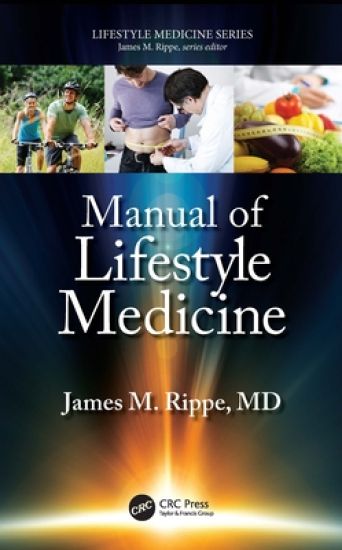
The fundamental premise of lifestyle medicine is that daily habits profoundly impact health and quality of life both in the short-term and long-term. Written by lifestyle medicine pioneer and cardiologist , Dr. James Rippe, this book provides a clinically oriented, evidence-based look into key lifestyle factors and how to prescribe them to individuals of all ages. Written for professionals working at all levels of medical and healthcare practice, this manual summarizes the major components of lifestyle medicine, from physical activity and nutrition to weight management and the avoidance of tobacco products. It includes clinical guidelines and practices for using lifestyle medicine principles to lower the risk of numerous chronic conditions. The manual also provides information on behavior change, approaches to lowering the risk of dementia, treatment of addictions and injury prevention.Features:Explains how lifestyle medicine can reduce the risk of heart disease, diabetes, cancer, osteoarthritis, dementia and many other chronic conditions.Chapters begin with bulleted key points and conclude with a list of clinical applications.Provides strategies for prescribing physical activity and helping patients improve their nutrition, lose weight if necessary and reduce stress.Includes clinically relevant sections on “Treating Addiction, Preventing Injury and Improving Brain Health”.This book provides updated and clinically targeted summaries used in conjunction with Dr. Rippe's major academic textbook Lifestyle Medicine, now in its third edition, published by CRC Press/Taylor & Francis Group, LLC.
The fundamental premise of lifestyle medicine is that daily habits profoundly impact health and quality of life both in the short-term and long-term. Written by lifestyle medicine pioneer and cardiologist , Dr. James Rippe, this book provides a clinically oriented, evidence-based look into key lifestyle factors and how to prescribe them to individuals of all ages. Written for professionals working at all levels of medical and healthcare practice, this manual summarizes the major components of lifestyle medicine, from physical activity and nutrition to weight management and the avoidance of tobacco products. It includes clinical guidelines and practices for using lifestyle medicine principles to lower the risk of numerous chronic conditions. The manual also provides information on behavior change, approaches to lowering the risk of dementia, treatment of addictions and injury prevention.Features:Explains how lifestyle medicine can reduce the risk of heart disease, diabetes, cancer, osteoarthritis, dementia and many other chronic conditions.Chapters begin with bulleted key points and conclude with a list of clinical applications.Provides strategies for prescribing physical activity and helping patients improve their nutrition, lose weight if necessary and reduce stress.Includes clinically relevant sections on “Treating Addiction, Preventing Injury and Improving Brain Health”.This book provides updated and clinically targeted summaries used in conjunction with Dr. Rippe's major academic textbook Lifestyle Medicine, now in its third edition, published by CRC Press/Taylor & Francis Group, LLC.
Only a fifth of adults in the United States do enough physical activity to meet the guidelines set by Centers for Disease Control. The health benefits of regular physical activity are beyond dispute, yet less than 40% of physicians routinely counsel their patients on the importance of physical activity. Increasing Physical Activity: A Practical Guide equips healthcare practitioners to include physical activity counseling in the daily practice of medicine.Written by lifestyle medicine pioneer and cardiologist, Dr James Rippe, this book proves inactivity is a stronger risk factor than other lifestyle factors for cardiovascular disease, diabetes, and many other diseases. It provides evidence-based information on the role of physical activity in preventing and treating chronic conditions and includes practical strategies for healthcare practitioners to prescribe this powerful method to enhance both short and long-term health and quality of life.Features:Specific chapters explain the role of physical activity in reduction of risk of heart disease, diabetes, cancer, osteoarthritis, dementia and many other chronic conditions. Chapters begin with bulleted, key points and conclude with a list of clinical applications.Strategies are provided to encourage previously sedentary individuals to adopt regular physical activity.Physical activity is placed in the context of other lifestyle medicine concepts including maintenance of a healthy body weight, following sound nutritional practices, stress reduction and other practices which impact on health and quality of life.Written for healthcare practitioners at all levels, this is a user-friendly, evidence-based manual for healthcare practitioners looking to incorporate more physical activity counseling into either general medicine or subspecialty practices.
Only a fifth of adults in the United States do enough physical activity to meet the guidelines set by Centers for Disease Control. The health benefits of regular physical activity are beyond dispute, yet less than 40% of physicians routinely counsel their patients on the importance of physical activity. Increasing Physical Activity: A Practical Guide equips healthcare practitioners to include physical activity counseling in the daily practice of medicine.Written by lifestyle medicine pioneer and cardiologist, Dr James Rippe, this book proves inactivity is a stronger risk factor than other lifestyle factors for cardiovascular disease, diabetes, and many other diseases. It provides evidence-based information on the role of physical activity in preventing and treating chronic conditions and includes practical strategies for healthcare practitioners to prescribe this powerful method to enhance both short and long-term health and quality of life.Features:Specific chapters explain the role of physical activity in reduction of risk of heart disease, diabetes, cancer, osteoarthritis, dementia and many other chronic conditions. Chapters begin with bulleted, key points and conclude with a list of clinical applications.Strategies are provided to encourage previously sedentary individuals to adopt regular physical activity.Physical activity is placed in the context of other lifestyle medicine concepts including maintenance of a healthy body weight, following sound nutritional practices, stress reduction and other practices which impact on health and quality of life.Written for healthcare practitioners at all levels, this is a user-friendly, evidence-based manual for healthcare practitioners looking to incorporate more physical activity counseling into either general medicine or subspecialty practices.
Writing and Unrecognized Academic Labor acknowledges that much of the work we do to sustain the academy remains without recognition. It demonstrates that it is not only published work that influences development and innovation in scholarship. The book rethinks the "publish or perish" system to show that good, unrecognized work is a vital part of scaffolding the growth of the academy and individual academic careers. It takes openness and transparency as a blueprint to outline plans for not only producing but also reimagining key markers of academic life, such as dissertations without anxieties of influence, conferences without directors, journals without gatekeepers, large-sample peer review, and teaching and learning beyond the university discourse.A sustainable community model of academic life should have belonged to each of us from the start. Author James Salvo shows us that "nothing will be lost when everything is given away. Thus, we ought to share fearlessly." This book is suitable for all graduate students and researchers in qualitative inquiry and across disciplines who seek a new model for the value of their work.
Because the investigation of cold cases is usually an arduous and time-consuming task, most law enforcement agencies in the United States are not able to dedicate the resources necessary to support the cold case investigation process. However, when those cases are fully pursued and prosecuted, they often result in convictions and lengthy prison terms. Cold Cases: Evaluation Models with Follow-up Strategies for Investigators, Second Edition saves law enforcement time by providing detailed guidelines for determining if a cold case is solvable, and if so, how to organize, manage, and evaluate the investigation. It also provides techniques for developing investigative strategies to complement the evaluation process and resolve the crime.This second edition features a new revised model and methodology for investigating cold cases suitable for all police and public safety agencies—large or small, domestic or international. This new model is more expeditious and convenient for departments that have less manpower and experience in dealing with cold cases. It emphasizes the prioritization of cold cases based on the availability of physical evidence and the chances of deriving matches from said evidence and an identified person of interest.Additional topics covered in the second edition include: How cases go coldStrategies for creating a cold case unitCold case investigations in a Dutch educational environment—a chapter written by members of the Dutch Police AcademyNew forensic science technologies, including DNA, CODIS, and AFISCase studies demonstrating advances in suspectologyStrategies for effective investigative interviewing Challenges posed by staged crime scenes in cold casesHow to craft a cold case evaluation report The expert authors of this book maintain The Center for the Resolution of Unresolved Crimes
Offering new and original readings of literature, poetry, and education as interpreted through the conceptual lens of Heidegger’s later philosophy of the "Turn", this book helps readers understand Heidegger’s later thought and presents new takes on how to engage the themes that emerged from his later writing. Suggesting novel ways to consider Heidegger’s ideas on literature, poetry, and education, Magrini and Schwieler provide a deep understanding of the "Turn," a topic not often explored in contemporary Heideggerian scholarship. Their inter- and extra-disciplinary postmodern approaches offer a nuanced examination, taking into account Heidegger’s controversial place in history, and filling a gap in educational research.
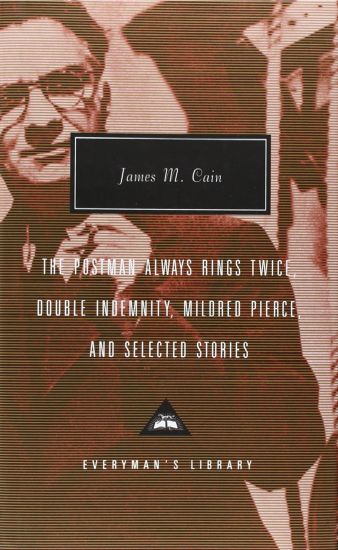
These three classics from the master of the noir novel, along with five otherwise unavailable short stories, are electric with the taut narrative voice, the suspense, and the explosive violence and eroticism that were James M. Cain's indelible hallmarks. The Postman Always Rings Twice, Cain's first novel-the subject of an obscenity trial in Boston, the inspiration for Camus's The Stranger-is the fever-pitched tale of a drifter who stumbles into a job, into an erotic obsession, and into a murder. Double Indemnity-which followed Postman so quickly, Cain's readers hardly had a chance to catch their breath-is a tersely narrated story of blind passion, duplicity, and, of course, murder. Mildred Pierce, a work of acute psychological observation and devastating emotional violence, is the tale of a woman with a taste for shiftless men and an unreasoned devotion to her monstrous daughter. All three novels were immortalized in classic Hollywood films. Also included here are five masterful stories-"Pastorale," "The Baby in the Icebox," "Dead Man," "Brush Fire," "The Girl in the Storm"-that have been out of print for decades.
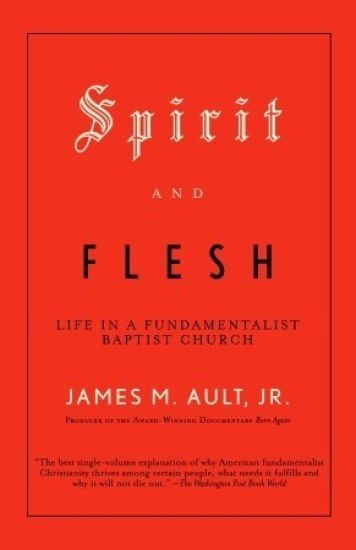
In an attempt to understand the growing popularity and influence of Christian fundamentalism, sociologist and documentary filmmaker James Ault spent three years inside the world of a Massachusetts fundamentalist church.Spirit and Flesh takes us into worship services, home Bible studies, youth events, men s prayer breakfasts, and bitter conflicts leading to a church split. We come to know the members of the congregation and see how the church acts as an extended family that provides support and security along with occasional tensions. Intimate and rigorously fair-minded, Spirit and Flesh will help non-religious readers better understand their fellow citizens, and will allow devout readers to see themselves through the eyes of a sympathetic outsider."
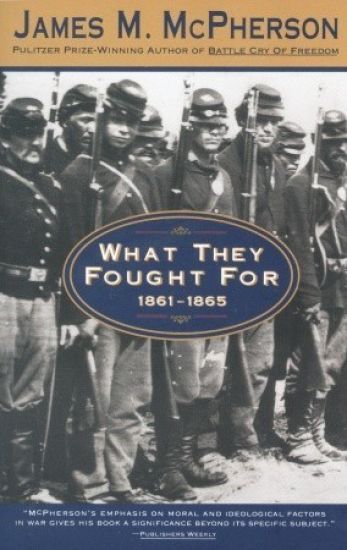
From the Pulitzer Prize-winning author of Battle Cry of Freedom--an impressive scholarly tour de force and a lively, highly accessible account of the sentiments of both Northern and Southern soldiers during the national trauma of the Civil War. In Battle Cry Of Freedom, James M. McPherson presented a fascinating, concise general history of the defining American conflict. With What They Fought For, he focuses his considerable talents on what motivated the individual soldier to fight. In an exceptional and highly original Civil War analysis, McPherson draws on the letters and diaries of nearly one thousand Union and Confederate soldiers, giving voice to the very men who risked their lives in the conflict. His conclusion that most of them felt a keen sense of patriotic and ideological commitment counters the prevailing belief that Civil War soldiers had little or no idea of what they were fighting for. In their letters home and their diaries--neither of which were subject to censorship--these men were able to comment, in writing, on a wide variety of issues connected with their war experience. Their insights show how deeply felt and strongly held their convictions were and reveal far more careful thought on the ideological issues of the war than has previously been thought to be true. Living only eighty years after the signing of the Declaration of Independence, Civil War soldiers felt the legacy and responsibility entrusted to them by the Founding Fathers to preserve fragile democracy--be it through secession or union--as something worth dying for. In What They Fought For, McPherson takes individual voices and places them in the great and terrible choir of a country divided against itself.
With 30 revised and updated chapters, the new edition of this classic text brings benefits to professors and students alike who will find new sections on proteobacteria, bottled water, food sanitizers (eletrolyzed oxidating water, ozone, chlorine, activin, chitosans, endolysins, etc.), bicontrol, biosensors quorum sensing, molecular genetic methods of analysis, food safety objectives, noroviruses, and prions. The book builds on the trusted and established sections on food preservation by modified atmosphere, high pressure and pulsed electric field processing, food-borne pathogens, food regulations, fresh-cut produce, new food products, and risk assessment and analysis. In-depth references, appendixes, illustrations, index and thorough updating of taxonomies make this an essential for every food scientist.
The study of the human-made world, whether it is called artifacts, material culture, or technology, has burgeoned across the academy. Archaeologists have for cen- ries led the way, and today offer investigators myriad programs and conceptual frameworks for engaging the things, ordinary and extraordinary, of everyday life. This book is an attempt by practitioners of one program – Behavioral Archaeology – to furnish between two covers some of our basic principles, heuristic tools, and illustrative case studies. Our greater purpose, however, is to engage the ideas of two competing programs – agency/practice and evolution – in hopes of initiating a dialog. We are convinced that there is enough overlap in goals, interests, and conceptions among these programs to warrant guarded optimism that a more encompassing, more coherent framework for studying the material world can result from a concerted effort to forge a higher-level synthesis. However, in engaging agency/ practice and evolution in Chap. 2, we are not reticent to point out conflicts between Behavioral Archaeology and these programs. This book will appeal to archaeologists and anthropologists as well as historians, sociologists, and philosophers of technology. Those who study science–technology– society interactions may also encounter useful ideas. Finally, this book is suitable for upper-division and graduate courses on anthropological theory, archaeological theory, and the study of technology.
The study of the human-made world, whether it is called artifacts, material culture, or technology, has burgeoned across the academy. Archaeologists have for cen- ries led the way, and today offer investigators myriad programs and conceptual frameworks for engaging the things, ordinary and extraordinary, of everyday life. This book is an attempt by practitioners of one program – Behavioral Archaeology – to furnish between two covers some of our basic principles, heuristic tools, and illustrative case studies. Our greater purpose, however, is to engage the ideas of two competing programs – agency/practice and evolution – in hopes of initiating a dialog. We are convinced that there is enough overlap in goals, interests, and conceptions among these programs to warrant guarded optimism that a more encompassing, more coherent framework for studying the material world can result from a concerted effort to forge a higher-level synthesis. However, in engaging agency/ practice and evolution in Chap. 2, we are not reticent to point out conflicts between Behavioral Archaeology and these programs. This book will appeal to archaeologists and anthropologists as well as historians, sociologists, and philosophers of technology. Those who study science–technology– society interactions may also encounter useful ideas. Finally, this book is suitable for upper-division and graduate courses on anthropological theory, archaeological theory, and the study of technology.
Over a century ago, psychologists who were fascinated with religion began to study and write about it. Theologians and religious practitioners have responded to this literature, producing a fascinating dialogue that deals with our fundamental und- standings about the human person and our place in the world. This book provides an introduction to the important conversations that have developed out of these interchanges. The dialogue between psychology and religion is difficult to study for a number of reasons. First, it requires knowledge of both psychology and religion. People with a background in psychology often lack a solid understanding of the religious traditions they wish to study, and theologians may not be up to date on the latest developments in psychology. Second, it requires conceptual tools to organize the material and understand the basic problems involved in any attempt to connect the science of psychology with religion. These concepts can be found in many places, for instance in the writings of philosophers of science, but they are complex and often hard to follow for those without a proper theological and philosophical ba- ground. Finally, authors who write on the topic come to the study of psychology and religion from a variety of academic and personal backgrounds. This makes for wonderful diversity in conversations, but it makes understanding and mastery of the material quite difficult.