Kirjahaku
Etsi kirjoja tekijän nimen, kirjan nimen tai ISBN:n perusteella.
1000 tulosta hakusanalla Jim Goodwin

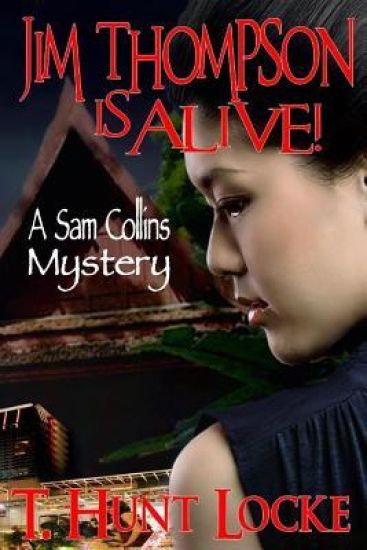
Jim Thompson Is Alive!: A Sam Collins Mystery
T. Hunt Locke
Createspace Independent Publishing Platform
2014
nidottu

Jim Rohn and Other Motivators Vs. John Piper and Other Calvinists
Andrew Bushard
Createspace Independent Publishing Platform
2013
nidottu
This Prosperity Gospel vs. Reformed Theology Book will enlighten you with religious faith, stimulate you with critical thinking, and save you with Godly wisdom. 52 pages.Cover illustration by Kenya Pineda.

(Guitar Chord Songbook). Features 37 tunes with complete lyrics, chord symbols, and guitar chord diagrams from the beloved late singer-songwriter, including: Alabama Rain * Bad, Bad Leroy Brown * Dreamin' Again * Hard Time Losin' Man * Hey Tomorrow * I Got a Name * I'll Have to Say I Love You in a Song * It Doesn't Have to Be That Way * Operator (That's Not the Way It Feels) * Photographs and Memories * Rapid Roy (The Stock Car Boy) * Time in a Bottle * Workin' at the Car Wash Blues * You Don't Mess Around with Jim * and many more.
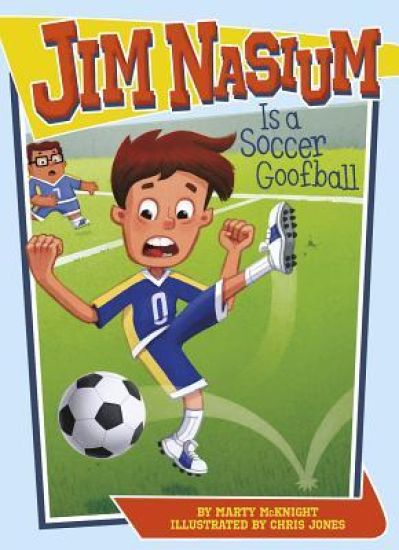
Jim Nasium is ready to try his hand (or foot) at the world's game - soccer There's only one problem... he can't stop using his hands
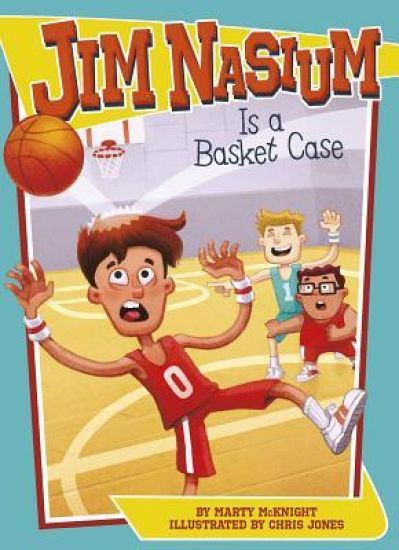
Despite his name, ten-year-old Jim Nasium is no all-star athlete. He's trying his uncoordinated hand at basketball. Lucky for Jim, he has a move that never fails. Will Jim use his secret skill to win the game and risk becoming the laughing stock of the school?
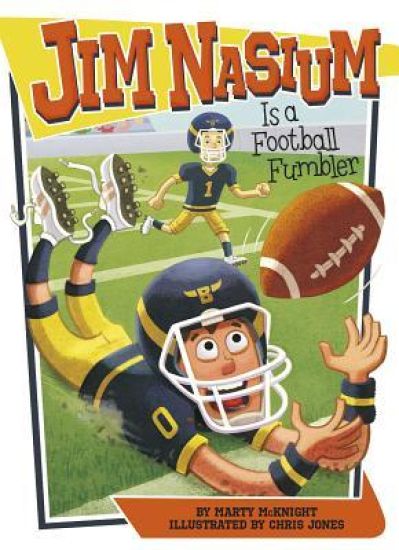
Jim is trying his luck on the gridiron. But how can Jim test his football skills when his schoolyard enemies are all on the starting line-up? Will Jim's Hail Mary pass bring his team to victory, or leave him a football disgrace?
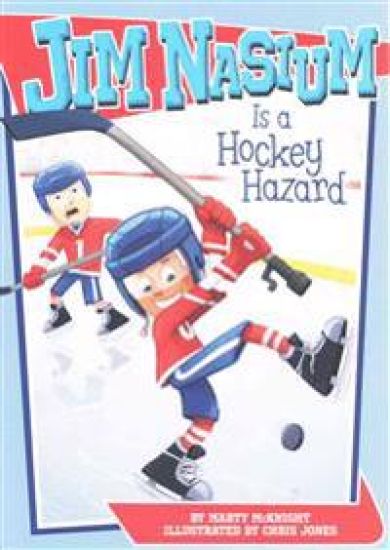
After watching a hockey game, Jim is ready to lace up some skates But when a friend asks him to enter a couple's ice-skating contest with her, he's torn.
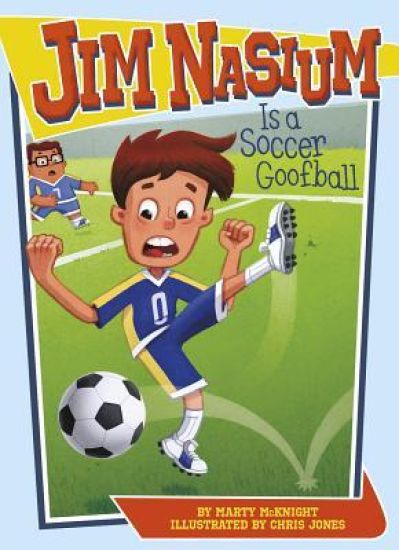
Jim Nasium is ready to try his hand (or foot) at the world's game - soccer There's only one problem... he can't stop using his hands
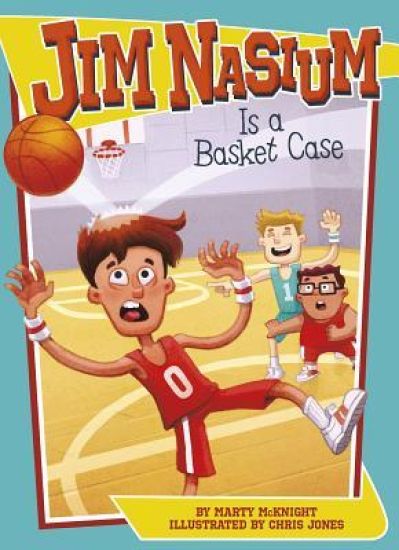
Despite his name, ten-year-old Jim Nasium is no all-star athlete. He's trying his uncoordinated hand at basketball. Lucky for Jim, he has a move that never fails. Will Jim use his secret skill to win the game and risk becoming the laughing stock of the school?
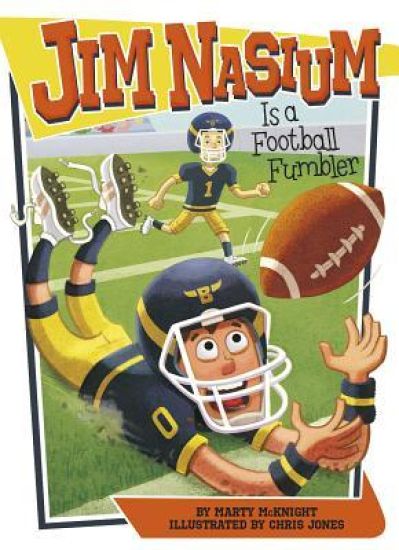
Jim is trying his luck on the gridiron. But how can Jim test his football skills when his schoolyard enemies are all on the starting line-up? Will Jim's Hail Mary pass bring his team to victory, or leave him a football disgrace?
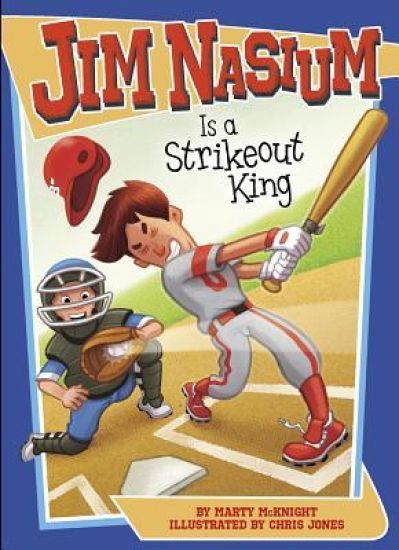
Jim Nasium loves baseball but can't hit one. What will Jim do to keep from being a strike out king?

Jim Shooter
University Press of Mississippi
2017
sidottu
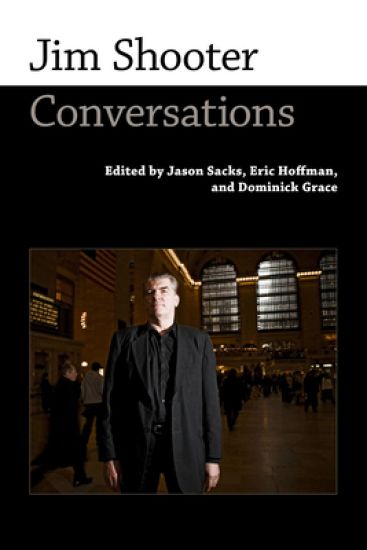
As an American comic book writer, editor, and businessman, Jim Shooter (b. 1952) remains among the most important figures in the history of the medium. Starting in 1966 at the age of fourteen, Shooter, as the young protégé of verbally abusive DC editor Mort Weisinger, helped introduce themes and character development more commonly associated with DC competitor Marvel Comics. Shooter created several characters for the Legion of Super-Heroes, introduced Superman’s villain the Parasite, and jointly devised the first race between the Flash and Superman.When he later ascended to editor-in-chief at Marvel Comics, the company, indeed the medium as a whole, was moribund. Yet by the time Shooter left the company a mere decade later, the industry had again achieved considerable commercial viability, with Marveldominating the market. Shooter enjoyed many successes during his tenure, such as Chris Claremont and John Byrne’s run on the Uncanny X-Men, Byrne’s work on the Fantastic Four, Frank Miller’s Daredevil stories, Walt Simonson’s crafting of Norse mythology in Thor, and Roger Stern’s runs on Avengers and The Amazing Spider-Man, as well as his own successes writing Secret Wars and Secret Wars II. After a rift at Marvel, Shooter then helped lead Valiant Comics into one of the most iconic comic book companies of the 1990s, before moving to start-up companies Defiant andBroadway Comics.Interviews collected in this book span Shooter’s career. Included here is a 1969 interview that shows a restless teenager; the 1973 interview that returned Shooter to comics; a discussion from 1980 during his pinnacle at Marvel; and two conversations from his time at Valiant and Defiant Comics. At the close, anextensive, original interview encompasses Shooter’s full career.
Jim Shooter
University Press of Mississippi
2018
nidottu
I think that if you're an editor, and you do what's right, you occasionally have to say 'no' to people. To the good people, the professionals, that's fine. But the people who are 'hacks,' they won't like that.""As an American comic book writer, editor, and businessman, Jim Shooter (b. 1951) remains among the most important figures in the history of the medium. Starting in 1966 at the age of fourteen, Shooter, as the young protégé of verbally abusive DC editor Mort Weisinger, helped introduce themes and character development more commonly associated with DC competitor Marvel Comics. Shooter created several characters for the Legion of Super-Heroes, introduced Superman's villain the Parasite, and jointly devised the first race between the Flash and Superman.When he later ascended to editor-in-chief at Marvel Comics, the company, indeed the medium as a whole, was moribund. Yet by the time Shooter left the company a mere decade later, the industry had again achieved considerable commercial viability, with Marvel dominating the market. Shooter enjoyed many successes during his tenure, such as Chris Claremont and John Byrne's run on the Uncanny X-Men, Byrne's work on the Fantastic Four, Frank Miller's Daredevil stories, Walt Simonson's crafting of Norse mythology in Thor, and Roger Stern's runs on Avengers and The Amazing Spider-Man, as well as his own successes writing Secret Wars and Secret Wars II. After a rift at Marvel, Shooter then helped lead Valiant Comics into one of the most iconic comic book companies of the 1990s, before moving to start-up companies Defiant and Broadway Comics.Interviews collected in this book span Shooter's career. Included here is a 1969 interview that shows a restless teenager; the 1973 interview that returned Shooter to comics; a discussion from 1980 during his pinnacle at Marvel; and two conversations from his time at Valiant and Defiant Comics. At the close, an extensive, original interview encompasses Shooter's full career.