Kirjojen hintavertailu. Mukana 12 016 292 kirjaa ja 12 kauppaa.

Kirjahaku

Etsi kirjoja tekijän nimen, kirjan nimen tai ISBN:n perusteella.

1000 tulosta hakusanalla Lee H. Butler

Walk With Me: One Hundred Days of Crazy

Walk With Me: One Hundred Days of Crazy

Ernesto H. Lee

Independently Published
2019
nidottu
At forty years old, Mark Rennie was the man that appeared to have it all. As a successful commodities trader with one of the leading London trading houses, he was happy, healthy and engaged to be married to the woman he loved. Then came the devastating news that would change his life forever. Less than two years later, his health is in tatters, his fianc e is gone, and his life is reduced to nothing more than a series of difficult choices and harsh realities. In search of answers and in search of a drink, he walks an unfamiliar part of London. He doesn't find the answers he is looking for, but he does find Karen. With Karen, he finds hope. With Karen, he finds love. With Karen, nothing is ever going to be the same again."Walk With Me, One Hundred Days of Crazy is a novel with a powerful tale of romance and one that explores the deep longings of the human heart." Ruffina Oserio for Readers Favorite. "Walk With Me, One Hundred Days of Crazy by Ernesto H Lee is a fascinating book packed with craziness, emotions, family, and love (lots of love)." Ankita Shukla for Readers Favorite.
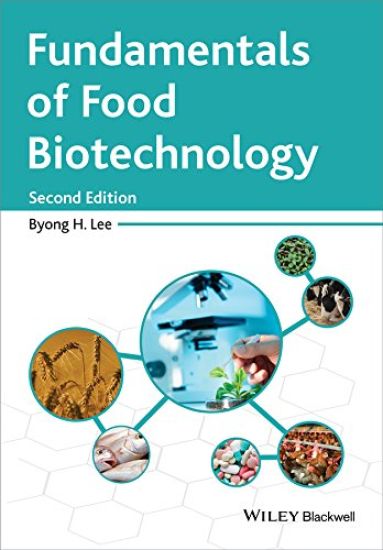
Fundamentals of Food Biotechnology

Fundamentals of Food Biotechnology

Byong H. Lee

John Wiley Sons Inc
2015
sidottu
Fundamentals of Food Biotechnology Food biotechnology is the application of modern biotechnological techniques to the manufacture and processing of food; for example, through fermentation of food (which is the oldest biotechnological process) and food additives, as well as plant and animal cell cultures. New developments in fermentation and enzyme technological processes, molecular thermodynamics, genetic engineering, protein engineering, metabolic engineering, bioengineering, and processes involving monoclonal antibodies, nanobiotechnology and quorum sensing have introduced exciting new dimensions to food biotechnology, a burgeoning field that transcends many scientific disciplines. Fundamentals of Food Biotechnology, 2nd edition is based on the author’s 25 years of experience in teaching on a food biotechnology course at McGill University in Canada. The book will appeal to professional food scientists as well as graduate and advanced undergraduate students by addressing the latest exciting food biotechnology research in areas such as genetically modified foods (GMOs), bioenergy, bioplastics, functional foods/ nutraceuticals, nanobiotechnology, quorum sensing and quenching. In addition, cloning techniques for bacterial and yeast enzymes are included in a “New Trends and Tools” section and selected references, questions, and answers appear at the end of each chapter. This new edition has been comprehensively rewritten and restructured to reflect the new technologies, products, and trends that have emerged since the original book. Many new aspects highlight the short- and longer-term commercial potential of food biotechnology. Food Biochemistry and Food Processing, 2nd EditionEdited by Benjamin K. Simpson, Leo M.L. Nollet, Fidel Toldra, et al. ISBN 978-0-8138-0874-1 Food Processing: Principles and Applications, 2nd EditionEdited by Stephanie Clark (Editor), Stephanie Jung, Buddhi Lamsal ISBN 978-0-470-67114-6
Advanced Fermentation and Cell Technology, 2 Volume Set
ADVANCED FERMENTATION AND CELL TECHNOLOGY A comprehensive and up-to-date reference covering both conventional and novel industrial fermentation technologies and their applications Fermentation and cell culture technologies encompass more than the conventional microbial and enzyme systems used in the agri-food, biochemical, bioenergy and pharmaceutical industries. New technologies such as genetic engineering, systems biology, protein engineering, and mammalian cell and plant cell systems are expanding rapidly, as is the demand for sustainable production of bioingredients, drugs, bioenergy and biomaterials. As the growing biobased economy drives innovation, industrial practitioners, instructors, researchers, and students must keep pace with the development and application of novel fermentation processes and a variety of cell technologies. Advanced Fermentation and Cell Technology provides a balanced and comprehensive overview of the microbial, mammalian, and plant cell technologies used by the modern biochemical process industry to develop new and improved processes and products. This authoritative volume covers the essential features of advanced fermentation and cell technology, and highlights the interaction of food fermentation and cell culture biopharmaceutical actives. Detailed chapters, organized into five sections, cover microbial cell technology, animal and plant cell technology, safety issues of new biotechnologies, and applications of microbial fermentation to food products, chemicals, and pharmaceuticals. Written by an internationally-recognized expert in food biotechnology, this comprehensive volume: Covers both conventional and novel industrial fermentation technologies and their applications in a range of industriesDiscusses current progress in novel fermentation, cell culture, commercial recombinant bioproducts technologiesIncludes overviews of the global market size of bioproducts and the fundamentals of cell technologyHighlights the importance of sustainability, Good Manufacturing Practices (GMP), quality assurance, and regulatory practicesExplores microbial cell technology and culture tools and techniques such as genome shuffling and recombinant DNA technology, RNA interference and CRISPR technology, molecular thermodynamics, protein engineering, proteomics and bioinformatics, and synthetic biology Advanced Fermentation and Cell Technology is an ideal resource for students of food science, biotechnology, microbiology, agricultural sciences, biochemical engineering, and biochemistry, and is a valuable reference for food scientists, researchers, and technologists throughout the food industry, particularly the dairy, bakery, and fermented beverage sectors.
The Ethical Foundations of Early Daoism

The Ethical Foundations of Early Daoism

Jung H. Lee

Palgrave Macmillan
2014
sidottu
The Ethical Foundations of Early Daoism: Zhuangzi's Unique Moral Vision argues that we can read early Daoist texts as works of moral philosophy that speak to perennial concerns about the well-lived life in the context of the Way. Lee argues that we can interpret early Daoism as an ethics of attunement.
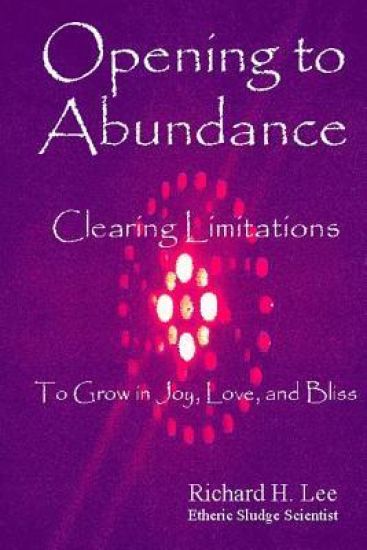
Opening to Abundance: Clearing Limitations to Grow in Joy, Love, and Bliss
Travel with the author through his life as he begins as a young scientist, devoted to the scientific method of independent observation and single variable research, through the dark and mysterious magic of Chinese Qigong, to discover and reveal the science behind the secrets of health, longevity, and manifestation. Alma is the voice that flows through the author's pen at 4 a.m. each morning, inviting you to go forth into joy, love, and bliss. Explore with him as he describes long forgotten and off-worldly technologies, discoveries from China, Australia, India, Egypt, Atlantis, and the shamans of Ecuador, who are all now emerging into our world to take us from a place of isolation and scarcity to one of wholeness, community, and abundance. "Whether you are a scientist seeking new perspectives on old technological problems, a seeker looking for new ways to understand and explain human vitality, or an avid reader of adventure, science fiction, or self-help books, Opening to Abundance delivers."
The Ethical Foundations of Early Daoism

The Ethical Foundations of Early Daoism

Jung H. Lee

Palgrave Macmillan
2015
nidottu
The Ethical Foundations of Early Daoism: Zhuangzi's Unique Moral Vision argues that we can read early Daoist texts as works of moral philosophy that speak to perennial concerns about the well-lived life in the context of the Way. Lee argues that we can interpret early Daoism as an ethics of attunement.
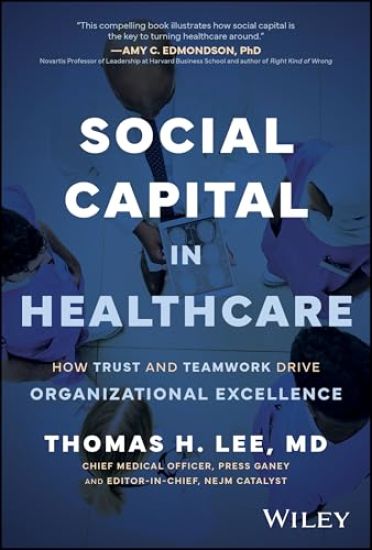
Social Capital in Healthcare

Social Capital in Healthcare

Thomas H. Lee

JOHN WILEY SONS INC
2025
sidottu
Harness the power of social capital to improve the efficacy and efficiency of healthcare organizations Written by Thomas Lee, Chief Medical Officer at Press Ganey, Social Capital in Healthcare describes a new and powerful framework for improving healthcare, arguing that managers should approach the work of building trust, teamwork, and high reliability with the same intensity and discipline as CFOs use when managing the finances of their organizations. Lee's powerful framework integrates management priorities such as safety, quality, patient experience, and workforce resilience/burnout/loyalty, demonstrating through data that these “silos” are in fact intertwined, and the work of improving them is best taken on with a single focus: improving social capital. In this book, readers will learn about: Key social capital themes in healthcare, including trust, respect, connectedness, and teamworkThe necessity of social capital in healthcare due to changes in medicine, patients, and societyBuilding social capital through transitivity, reciprocity, bridging connections, and driving the right valuesSocial capital initiatives at institutions such as the Mayo Clinic, Houston Methodist, and Vanderbilt University Medical Center Drawing upon deeply respected work from sociology, psychology, and business strategy, Social Capital in Healthcare earns a well-deserved spot on the bookshelves of all forward-thinking healthcare executives, managers, and consultants.
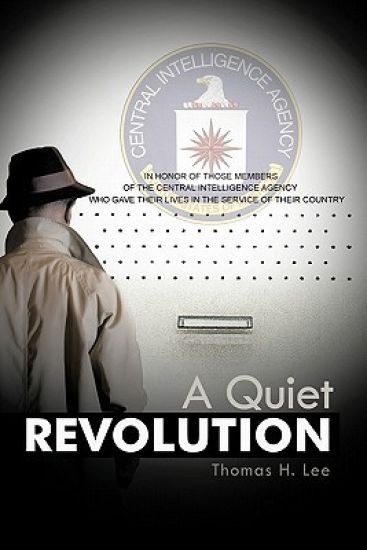
A Quiet Revolution

A Quiet Revolution

Thomas H. Lee

Trafford Publishing
2011
pokkari
On the thirtieth anniversary of the fall of Saigon, five Vietnam veterans gather for a reunion. While reminiscing about the dangerous final days of the nation's longest and most costly war, the five agree on one point. Once again, the nation has plunged into an unwarranted conflict in the Middle East-and for the same greedy reasons. Now, the veterans just need to figure out a way to stop it. Still bitter over the needless human casualties and loss of wealth in Southeast Asia, the five former covert operatives rename themselves the "phantom patriots" and begin formulating a strategy to eradicate government corruption and punish the wealthy oil executives responsible for causing it. As they embark on a quiet revolution to prevent the nation from certain demise, the five decide their enemies are political terrorists whose primary weapon is fear. The phantom patriots have but one goal-to take down the prominent corruptors and send a message to others that their days of unrestrained wealth and control are numbered. But the phantom patriots are about to discover that more than one powerful person wants them dead.In this contemporary thriller, only time will tell whether good intentions will triumph over evil plans.
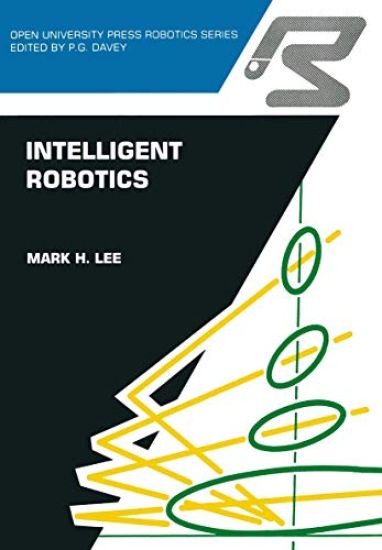
Intelligent robotics

Intelligent robotics

Mark H. Lee

Springer-Verlag New York Inc.
2012
nidottu
An industrial robot routinely carrying out an assembly or welding task is an impressive sight. More important, when operated within its design conditions it is a reliable production machine which - depending on the manufacturing process being automated - is relatively quick to bring into operation and can often repay its capital cost within a year or two. Yet first impressions can be deceptive: if the workpieces deviate somewhat in size or position, or, worse; if a gripper slips or a feeder jams the whole system may halt and look very unimpressive indeed. This is mainly because the sum total of the system's knowledge is simply a list of a few variables describing a sequence of positions in space; the means of moving from one to the next; how to react to a few input signals; and how to give a few output commands to associated machines. The acquisition, orderly retention and effective use of knowledge are the crucial missing techniques whose inclusion over the coming years will transform today's industrial robot into a truly robotic system embodying the 'intelligent connection of perception to action'. The use of computers to implement these techniques is the domain of Artificial Intelligence (AI) (machine intelligence). Evidently, it is an essential ingredient in the future development of robotics; yet the relationship between AI practitioners and robotics engineers has been an uneasy one ever since the two disciplines were born.
The Racial Railroad

The Racial Railroad

Julia H. Lee

NEW YORK UNIVERSITY PRESS
2022
sidottu
Reveals the legacy of the train as a critical site of race in the United States Despite the seeming supremacy of car culture in the United States, the train has long been and continues to be a potent symbol of American exceptionalism, ingenuity, and vastness. For almost two centuries, the train has served as the literal and symbolic vehicle for American national identity, manifest destiny, and imperial ambitions. It's no surprise, then, that the train continues to endure in depictions across literature, film, ad music. The Racial Railroad highlights the surprisingly central role that the railroad has played—and continues to play—in the formation and perception of racial identity and difference in the United States. Julia H. Lee argues that the train is frequently used as the setting for stories of race because it operates across multiple registers and scales of experience and meaning, both as an invocation of and a depository for all manner of social, historical, and political narratives. Lee demonstrates how, through legacies of racialized labor and disenfranchisement—from the Chinese American construction of the Transcontinental Railroad and the depictions of Native Americans in landscape and advertising, to the underground railroad and Jim Crow segregation—the train becomes one of the exemplary spaces through which American cultural works explore questions of racial subjectivity, community, and conflict. By considering the train through various lenses, The Racial Railroad tracks how racial formations and conflicts are constituted in significant and contradictory ways by the spaces in which they occur.
The Racial Railroad

The Racial Railroad

Julia H. Lee

NEW YORK UNIVERSITY PRESS
2022
pokkari
Reveals the legacy of the train as a critical site of race in the United States Despite the seeming supremacy of car culture in the United States, the train has long been and continues to be a potent symbol of American exceptionalism, ingenuity, and vastness. For almost two centuries, the train has served as the literal and symbolic vehicle for American national identity, manifest destiny, and imperial ambitions. It's no surprise, then, that the train continues to endure in depictions across literature, film, ad music. The Racial Railroad highlights the surprisingly central role that the railroad has played—and continues to play—in the formation and perception of racial identity and difference in the United States. Julia H. Lee argues that the train is frequently used as the setting for stories of race because it operates across multiple registers and scales of experience and meaning, both as an invocation of and a depository for all manner of social, historical, and political narratives. Lee demonstrates how, through legacies of racialized labor and disenfranchisement—from the Chinese American construction of the Transcontinental Railroad and the depictions of Native Americans in landscape and advertising, to the underground railroad and Jim Crow segregation—the train becomes one of the exemplary spaces through which American cultural works explore questions of racial subjectivity, community, and conflict. By considering the train through various lenses, The Racial Railroad tracks how racial formations and conflicts are constituted in significant and contradictory ways by the spaces in which they occur.