Kirjahaku
Etsi kirjoja tekijän nimen, kirjan nimen tai ISBN:n perusteella.
1000 tulosta hakusanalla Marie Howe

Marie Louise and the Invasion of 1814
Imbert De Saint-amand; Thomas Sergeant (TRN) Perry
Kessinger Pub
2009
pokkari



The Further Memoirs of Marie Bashkirtseff
Marie Bashkirtseff; Guy de Maupassant
Kessinger Pub
2009
pokkari



Marie Madeleine, Ou Le Triomphe de La Grace
Jean Desmarets De Saint Sorlin
KESSINGER PUBLISHING, LLC
2009
nidottu

Published to widespread acclaim, in Marie Curie and Her Daughters, science writer Shelley Emling shows that far from a shy introvert toiling away in her laboratory, the famed scientist and two-time Nobel prize winner was nothing short of an iconoclast. Emling draws on personal letters released by Curie's only granddaughter to show how Marie influenced her daughters yet let them blaze their own paths: Irene followed her mother's footsteps into science and was instrumental in the discovery of nuclear fission; Eve traveled the world as a foreign correspondent and then moved on to humanitarian missions. Emling also shows how Curie, following World War I, turned to America for help. Few people know about Curie's close friendship with American journalist Missy Meloney, who arranged speaking tours across the country for Marie, Eve, and Irene. Months on the road, charming audiences both large and small, endeared the Curies to American women and established a lifelong relationship with the United States that formed one of the strongest connections of Marie's life. Factually rich, personal, and original, this is an engrossing story about the most famous woman in science that rips the cover off the myth and reveals the real person, friend, and mother behind it.
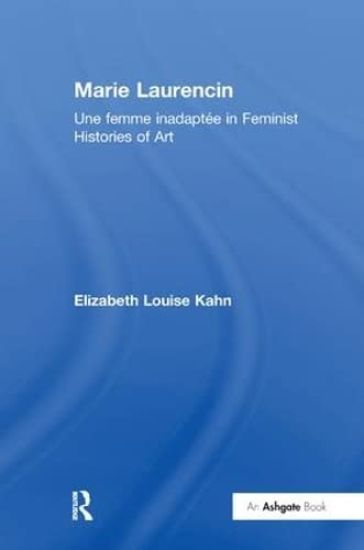
Marie Laurencin, in spite of the noticeable reputation she made in Paris in the first half of the twentieth century, has attracted only sporadic attention by late-twentieth century art historians. Until now the substance of her art and the feminist issues that were entangled in her life have been narrowly examined or reduced by an author's chosen theoretical format; and the terms of her lesbian identity have been overlooked. In this case study of une femme inadaptée and an unfit feminist, Elizabeth Kahn re-situates Laurencin in the on-going feminist debates that enrich the disciplines of art history, women's studies and literary criticism. Kahn's thorough reading of the artist's visual and literary production ensures a comprehensive overview which addresses notable works and passages but also integrates those that are less well known. Incorporating feminist theory and building on the work of contemporary feminist art historians, she avoids the heroics of conventional biography, instead allowing her subject to participate in the historical collective of women's work. Provocative and engagingly written, this fresh new study of Marie Laurencin's life and works also explores the multiple valences by which to connect the histories of, and find new connections between, women artists across the twentieth century.
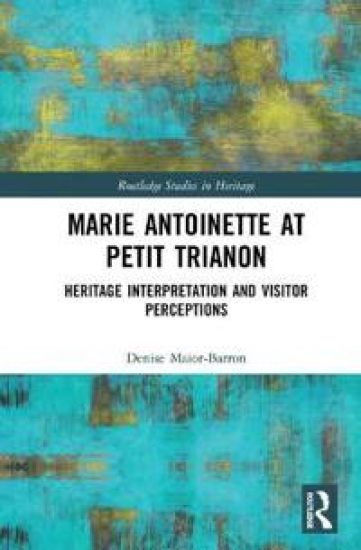
Marie Antoinette at Petit Trianon challenges common perceptions of the last Queen of France, appraising the role she played in relation to the events of French Revolution through an original analysis of contemporary heritage practices and visitor perceptions at her former home, the Petit Trianon. Controversy and martyrdom have placed Marie Antoinette’s image within a spectrum of cultural caricatures that range from taboo to iconic. With a foundation in critical heritage studies, this book examines the diverse range of contemporary images portraying Marie Antoinette’s historical character, showing how they affect the interpretation and perception of the Petit Trianon. By considering both producers and receivers of these cultural heritage exponents - Marie Antoinette’s historical figure and the historic house museum of the Petit Trianon - the book expands current understandings of twenty-first century cultural heritage perceptions in relation to tourism and popular culture. A useful case study for academics, researchers and postgraduate students of cultural heritage, it will also be of interest to historians, keepers of house museums and those working in the field of tourism studies.