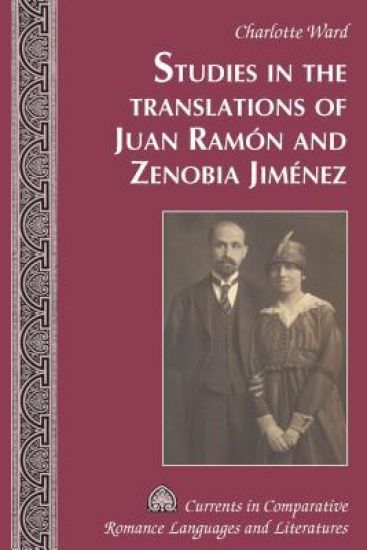
The translations by Juan Ramón Jiménez, first resident of the Caribbean to win the Nobel Prize for Literature, have been neglected, likely because many of them were published under the name of his wife, Zenobia Camprubí Aymar, along with many of his poems. Close analysis of the style, along with personal letters and diaries, reveals his significant participation in these works. The translations were a crucial source of psychological and financial support during the long exile from Spain after the Civil War. Other elements in the process were the Nobel-winners Rabindranath Tagore, William Butler Yeats, and André Gide. Intertextual incorporations from Shakespeare, the King James Bible, Rubén Darío, and Ezra Pound are noteworthy, as Juan Ramón and Zenobia maneuvered between the Symbolist and Imagist poetic movements, experimenting with different theories of translation, from Dryden to Jakobson. As Jiménez constantly revised his own work, hitherto unpublished annotations prove important to understanding this journey.
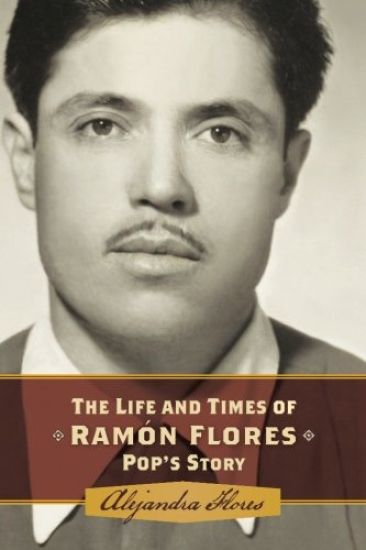
Many immigrants who went north to seek their fate in the United States lived lives of suffering and self-denial, but they accomplished great things for themselves and their families. Their lives were heroic and deserving of their own biographies. This is the life story of our father, Ram n Flores.
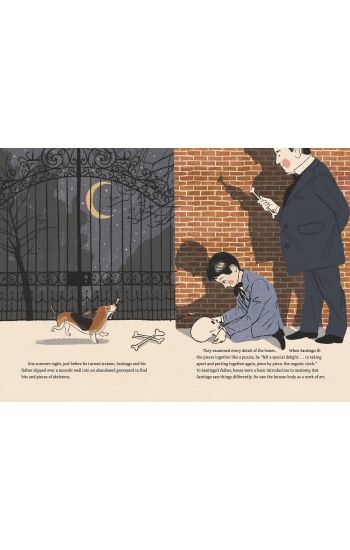
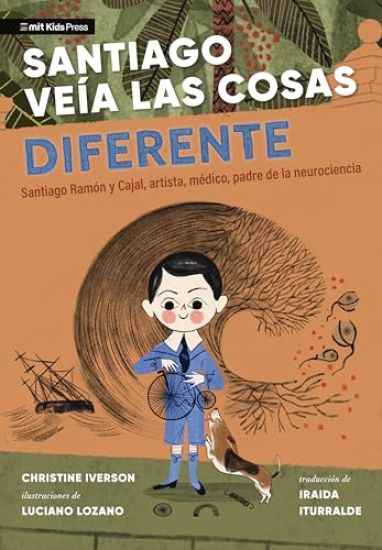
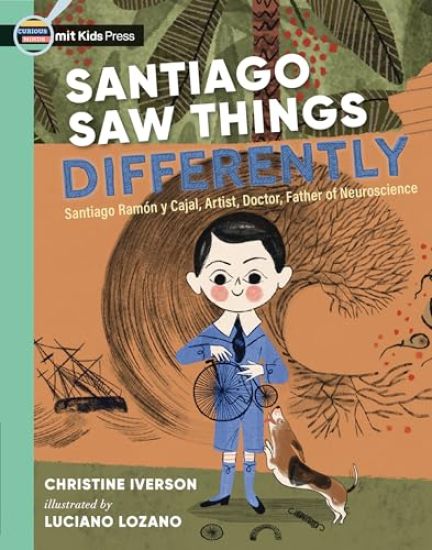
In an exquisitely illustrated nonfiction picture book about the childhood and discoveries of the "father of neuroscience," science and art--together--work wonders. Santiago Ram n y Cajal's father, the village doctor, wants Santiago to be a doctor. He discourages his willful son's love and aptitude for art. But drawing and painting are as necessary to Santiago as breathing, so when his father confiscates his art supplies, the boy finds a way to draw in secret. He draws on doors, gates, and walls, and to the neighbors, his drawings are a nuisance. But Santiago sees things differently. He's an artist and always will be, even after he grows up and becomes a doctor. And art helps him discover what no one else could: branching connections within the nervous system. Debut author Christine Iverson's vivid text evokes Santiago's pioneering nature, while Luciano Lozano's stunning visual narrative incorporates Santiago's actual art, including remarkable drawings of neural pathways. A self-portrait, facts about neurons, and the science behind Santiago Ram n y Cajal's 1906 Nobel Prize for Medicine round out this brilliant account of a boy who shaped his scientific fate as an artist.
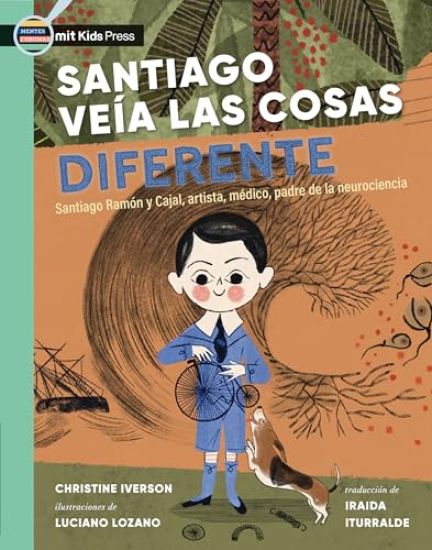
En un libro biogr fico, exquisitamente ilustrado, sobre la ni ez y los descubrimientos del «padre de la neurociencia , la ciencia y el arte se unen para hacer maravillas. El padre de Santiago Ram n y Cajal, el m dico del pueblo, quiere que Santiago tambi n sea m dico. Desalienta la aptitud y el intenso amor que su hijo siente por el arte. Pero, para Santiago, dibujar y pintar son tan necesarios como respirar. As que cuando su padre le confisca sus materiales de arte, el ni o encuentra la forma de dibujar en secreto. Dibuja en puertas, porter as y paredes, pero sus dibujos incordian a los vecinos. Sin embargo, Santiago ve las cosas diferente. Siente que es un artista y siempre lo ser , incluso despu s de que crezca y se haga m dico. Y el arte le ayuda a descubrir lo que nadie m s hab a descubierto hasta entonces: las conexiones ramificadas dentro del sistema nervioso. En este primer libro de la autora Christine Iverson, su brillante texto evoca el esp ritu pionero de Santiago, mientras que la deslumbrante narrativa visual de Luciano Lozano incorpora su arte, incluyendo asombrosos dibujos de las v as neuronales. Un autorretrato, informaci n sobre las neuronas y el trasfondo de la ciencia que llev a Santiago Ram n y Cajal a ganar el Premio Nobel en Medicina en 1906 se unen para complementar este brillante recuento de un ni o que defini su destino cient fico mediante el arte.
"An introduction to Santiago Ram n y Cajal, an artist and medical researcher who made a crucial discovery. . . . Brightly illuminates a brilliant and multitalented yet unjustly obscure scientist." --Kirkus Reviews Santiago Ram n y Cajal's father, the village doctor, wants Santiago to be a doctor. He discourages his willful son's love and aptitude for art. But drawing and painting are as necessary to Santiago as breathing, so when his father confiscates his art supplies, the boy finds a way to draw in secret. He draws on doors, gates, and walls, and to the neighbors, his drawings are a nuisance. But Santiago sees things differently. He's an artist and always will be, even after he grows up and becomes a doctor. And art helps him discover what no one else could: branching connections within the nervous system. Debut author Christine Iverson's vivid text evokes Santiago's pioneering nature, while Luciano Lozano's stunning visual narrative incorporates his actual art, including remarkable drawings of neural pathways. A self-portrait, facts about neurons, and the science behind Santiago Ram n y Cajal's 1906 Nobel Prize for Medicine round out this brilliant account of a boy who shaped his scientific fate as an artist.
En un libro biogr fico, exquisitamente ilustrado, sobre la ni ez y los descubrimientos del «padre de la neurociencia , la ciencia y el arte se unen para hacer maravillas. El padre de Santiago Ram n y Cajal, el m dico del pueblo, quiere que Santiago tambi n sea m dico. Desalienta la aptitud y el intenso amor que su hijo siente por el arte. Pero, para Santiago, dibujar y pintar son tan necesarios como respirar. As que cuando su padre le confisca sus materiales de arte, el ni o encuentra la forma de dibujar en secreto. Dibuja en puertas, porter as y paredes, pero sus dibujos incordian a los vecinos. Sin embargo, Santiago ve las cosas diferente. Siente que es un artista y siempre lo ser , incluso despu s de que crezca y se haga m dico. Y el arte le ayuda a descubrir lo que nadie m s hab a descubierto hasta entonces: las conexiones ramificadas dentro del sistema nervioso. En este primer libro de la autora Christine Iverson, su brillante texto evoca el esp ritu pionero de Santiago, mientras que la deslumbrante narrativa visual de Luciano Lozano incorpora su arte, incluyendo asombrosos dibujos de las v as neuronales. Un autorretrato, informaci n sobre las neuronas y el trasfondo de la ciencia que llev a Santiago Ram n y Cajal a ganar el Premio Nobel en Medicina en 1906 se unen para complementar este brillante recuento de un ni o que defini su destino cient fico mediante el arte.
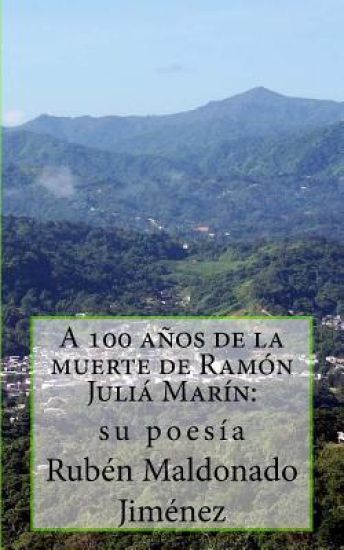
En el primer centenario de la muerte del poeta, novelista, periodista y escritor Ram n Juli Mar n, publicamos 'Adelfas' su nico libro de poemas, que se conoce hasta el momento y otros poemas dispersos en libros, peri dicos y revistas de principio de siglo XX. Tambi n revisamos algunos aspectos de su biograf a, antes publicada en mi libro 'He llorado al recordar el r o de pueblo. El periodismo de Ram n Juli Mar n', 2012. "Adelfas" fue publicado por el autor en el 1901, en la imprenta de don ngel Figueroa, en Utuado. Una segunda edici n, fue publicada por la Editorial UBEC, bajo la direcci n del doctor Pedro Hern ndez Paralitici en el 1974. Esa edici n fue impresa como dice su editor, el 15 de enero de 1974 tambi n en Utuado. La misma const de 100 ejemplares. Fue mecanografiada por el poeta utuade o Francisco Camacho Arab a. Incluye un "Apunte preliminar" a cargo del prolifero poeta tambi n utuade o Guillermo Guti rrez Morales; unas "Notas biogr ficas" sobre Juli Mar n escritas por Hern ndez Paralitici y un poema escrito por Camacho Arab a en honor a Juli Mar n titulado "Un bardo en el parnaso," el cual incluimos en la secci n de "poemas dedicados a Juli Mar n." Se incluye adem s, varios poemas que public entre el 1903 y 1904 en el peri dico "Domingo del Bolet n" y tres poemas que someti a un certamen para la celebraci n del "Cuarto Centenario de la Colonizaci n Cristiana en Puerto Rico," laureados con medalla de plata cada uno y que fueran publicados por el Ateneo Puertorrique o en el 1908. Alega el principal estudioso de la vida y obra de Juli Mar n, el igualmente utuade o Francisco Amadeo Maldonado Montalvo, quien muriera hace pocos a os, que public algunos poemas en el peri dico "El guila de Puerto Rico" y la revista "Puerto Rico Ilustrado," pero lamentablemente por momento no se ha podido dar con ellos.
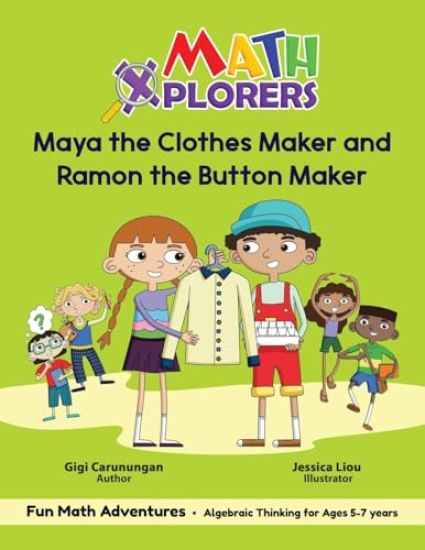
MAYA THE CLOTHES MAKER AND RAMON THE BUTTON MAKER Maya taps into her imagination to make fabulous clothing designs for her customers. She always includes her friend Ramon's very special buttons, which he makes from wood and other things from the forest. Today, Maya and Ramon have a problem. The shirt they've designed for a very tall man is not looking right. It's missing some buttons and Ramon does not have enough of any kind of the buttons he made, to fix it Bikoy, their friend, thinks math can help Maya and Ramon make this come out right. Join Maya, Ramon, and Bikoy in this math adventure. Take part in solving the problem Looking to boost your child's interest in and enjoyment of math?Give your child a head start with our innovative Math Storybook, Maya the Clothes Maker and Ramon the Button Maker Children learn math in a whole new way Teaching the math concepts that underpin children's learning through stories about kids solving real world problems with math, our Math Storybooks bring big ideas to children in a welcoming, colorful tale with a team of kids who invite the readers to join them in their math adventures.Why You'll Love this BookFun hands-on activities. Card games, puzzles, and maker & design opportunities invite children to work together with their story friends.A story full of challenges and welcoming characters. A real math storybook set in the imaginary town of Whatever.Beautiful illustrations and imaginative concepts. Children explore the town, meet characters, and write, draw, and build their way to deep-dive math concepts that are the basis of most curricula.You'll find yourself having conversations with your child that you never dreamed you'd have, and they will amaze you About MathXplorersMathXplorers engages children as active creators of their math knowledge. Visit us at www.mathxplorers.com to learn more.
Studienarbeit aus dem Jahr 2007 im Fachbereich Romanistik - Spanische Sprache, Literatur, Landeskunde, Note: 2,0, Freie Universit t Berlin (Spanische Philologie), Veranstaltung: Das Theater des Absurden, 11 Quellen im Literaturverzeichnis, Sprache: Deutsch, Abstract: Im Folgenden m chte ich mich der Darstellung und Interpretation des Absurden in Valle-Incl ns Esperpento "La hija del capit n" widmen. Ziel ist es, die Mittel zu analysieren, mit welchen der Autor Absurdit t und Distanz zum Dargestellten erzeugt. Gleichzeitig soll die Wirkungsabsicht und damit die implizite Kritik Valle-Incl ns an seiner Zeit heraus-gearbeitet werden. Zun chst stelle ich die Esperpentos und ihr Verfahren im Allgemeinen dar. Anschlie end soll das St ck "La hija del capit n" n her in den Blickpunkt ger ckt werden. Nach der Betrachtung der politisch-historischen Hintergr nde sowie der Rezeptionsgeschichte untersuche ich die Figuren des St cks, um anhand von Zitaten ihre Grenz berschreitungen und deren Wirkung zu interpretieren. Dabei bleibt das Augenmerk auf La Sinibalda, den Hauptmann, den General und den Monarchen sowie ihre distanzierte Darstellungs-perspektive beschr nkt. Es kann somit nicht auf s mtliche Figuren und Aspekte des St cks eingegangen werden. Abschlie end gehe ich der Frage nach, ob Valle-Incl n und seine Esperpentos eher dem Existenzialismus oder dem Theater des Absurden n herstehen.
En 1856, Manuel Atanasio Fuentes public un explosivo libelo biogr fico contra Ram n Castilla, el controvertido caudillo militar que asumi la presidencia despu s de la revoluci n liberal de 1854. Combinando ingenio sat rico, an cdotas escandalosas y una prosa mordaz, Fuentes reconstruye sistem ticamente la imagen p blica de Castilla, retrat ndolo como un hombre corrupto, libertino y despiadado: un traidor a los ideales de la rep blica. Con caricaturas que ridiculizaban al "Libertador", este libelo prohibido se convirti en un acto de sedici n verbal y gr fico contra el r gimen.Este libro explora la constante inestabilidad pol tica, el caudillismo, la debilidad institucional y el servilismo de los peruanos ante l deres inmorales. Singular y provocador, el texto revela las complejidades de construir una naci n republicana en una sociedad fragmentada. Una ventana al Per del siglo XIX.
A study of how biography, literary tradition, and social history intersect, showing how outstanding Hiligaynon writer Ramon Muzones reacted to the socioeconomic and political changes during his time. Considers over a hundred primary texts in order to account for the dominance of the romance mode in the Hiligaynon novel, the Ilonggo writers' attraction for the supernatural, the tradition of feisty women characters, the influence of film and the komiks, and the relationship of the novel's birth with the zarzuela's demise.
Die Lehre des mittelalterlichen Wissenschafts- und Missionstheoretikers Ramon Llull (ca. 1232-1316) beeinflusste ein Werk uber Rhetorik und Enzyklopadie in Neu-Spanien im 16. Jahrhundert. Der Nachweis dieser Rezeption gilt vor allem fur bestimmte Illustrationen, die im Hinblick auf die bildgestutzte orale Kultur der Indios besonders bedeutsam sind, da jene von Valades und seinen Ordensgenossen mit deren Hilfe missioniert wurden. Dieser Einfluss war nicht unmittelbar, und daher werden zunachst vor allem die Dokumente des Lullismus im 15./16. Jahrhundert in ihrem humanistischen Kontext untersucht; die anschliessenden Interpretationen folgen der Methode Aby Warburgs.
Ramon Llull (ca. 1232–1316), mystic, missionary, philosopher, lay theologian, and one of the founding fathers of Catalan literature, was chiefly known in his own time and in subsequent generations as the inventor of a combinatorial, semi-mechanical method of demonstration, which he called his ‘Art’ and which he had developed to free interreligious debate from its fruitless textual base. Most of the extensive modern literature has been dedicated to mapping the foundations of Llull’s system, with little attempt to see how he used and combined these foundations to produce actual demonstrations. This book, in a series of explications de textes, tries to explain what kind of demonstrative systems he developed during the two main stages of the ‘Art’, how they finally evolved into an adaptation of key aspects of medieval Aristotelian logic, and why the ‘Art’ was central to all Llull’s endeavors.