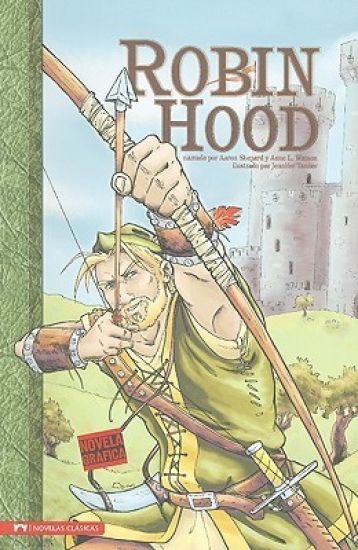
Classic stories retold in exciting graphic novel format. Each title includes high-quality artwork, simple text, discussion questions and writing prompts.
The forest was bustling with activity. As the red and orange leaves swirled in the wind, Robin started to worry.Something was changing.Finch was flying south, because Winter was coming. Squirrel was burying food, because Winter was coming. Even Owl was making his nest warm. Why? That's right – because Winter was coming. Robin decided he didn't like the sound of Winter one little bit. But that was before the snow ... A beautifully tender story of a little robin's first winter from the enormously talented creator of The Dawn Chorus.
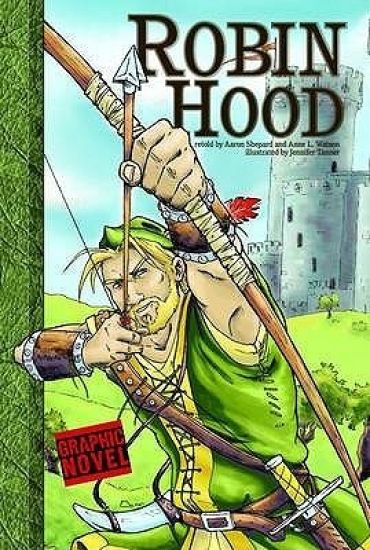
Taking from the rich and giving to the poor, Robin Hood and loyal followers fight for the oppressed against the evil Sheriff of Nottingham. Written in graphic-novel format.
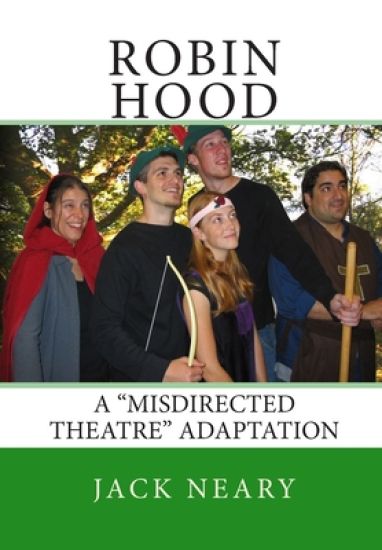
The classic adventure tale of Robin Hood is given a fresh, funny and exciting spin as the introductory title in the "Misdirected Theatre" series of plays for Young Audiences and Families.
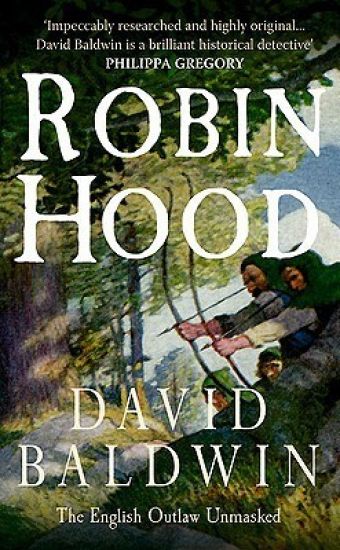
The identity of Robin Hood is one of the great historical mysteries of English history - until now. Everyone has heard of Robin Hood, the brilliant archer who 'robbed the rich to give to the poor' and who always triumphed over the forces of evil, but the man behind the legend is as mysterious as King Arthur. There were outlaws who lived in the royal forests preying on unwary travelers, and Robin Hoods whose names are recorded in historical documents: but no one has been able to prove that one of these real Robins was the individual whose exploits were commemorated in ballad and song. David Baldwin sets out to find the real Robin Hood, looking for clues in the earliest ballads and in official and legal documents of the thirteenth and fourteenth centuries. His search takes him to the troubled reign of King Henry III, his conclusions turn history on its head and David Baldwin reveals the name of the man who inspired the tales of Robin Hood.
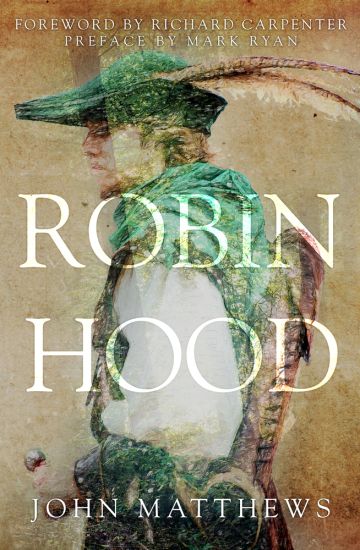
The identity of Robin Hood has been questioned many times since the Outlaw of Sherwood first sprang to fame in the twelfth century. No two authorities seem able to agree as to his origins, antecedents, or even whether or not he was a historical personage or a mythical figure. Historians, both amateur and professional, have for years been bringing out new books in which they claim to have found ‘the real Robin Hood’, but his identity remains clouded. More recent studies have sought to push the boundaries of the story further out into recorded time – seeking Robin Hood among the records of government and law enforcement, in the ballads of the twelfth to fourteenth centuries, and in the folk memory of the people of Britain. For them, Robin is a product of the ballad-maker’s muse, or a literary fabrication based on the lives and deeds of several outlaws or the garbled memory of an actual person whose real life bore little or no resemblance to the romanticised songs of the ballad-makers. This is the only contemporary book to fully explore the mythology of Robin Hood rather than concentrating on the human identity of the famous outlaw. It ties Robin to the ancient archetype of the Green Man, the lore and legends of the Faery race, to the possible Eastern influence of the English Mummers’ plays, and suggests the real identities of several of the Merry Men.