Kirjahaku
Etsi kirjoja tekijän nimen, kirjan nimen tai ISBN:n perusteella.
1000 tulosta hakusanalla Ruth Ware





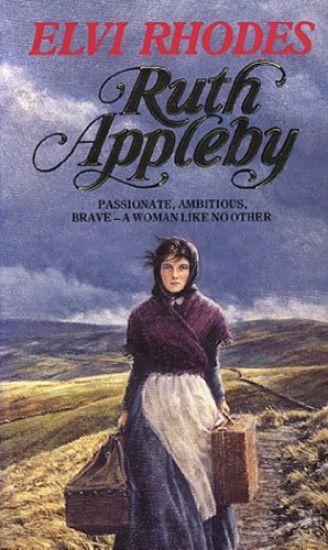
At twelve she stood by her mother's grave on a bleak Yorkshire moor. Life, as the daughter of a Victorian mill hand, had never been easy, but now she was mother and housekeeper both to the little family left behind.
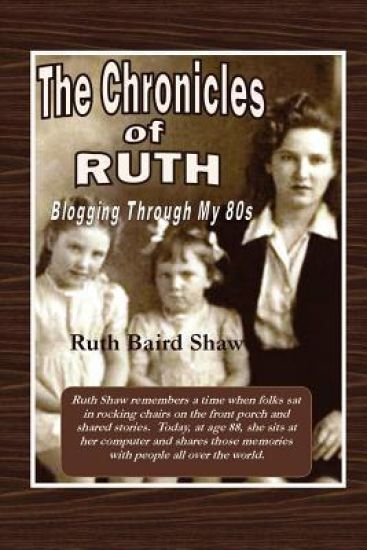
Ruth Shaw began a blog, Ruthlace, in 2006 at the age of 82, in order to write about her life growing up in the 1920s and 1930s, the Great Depression, World War II, along with stories her own mother shared with her of earlier times.
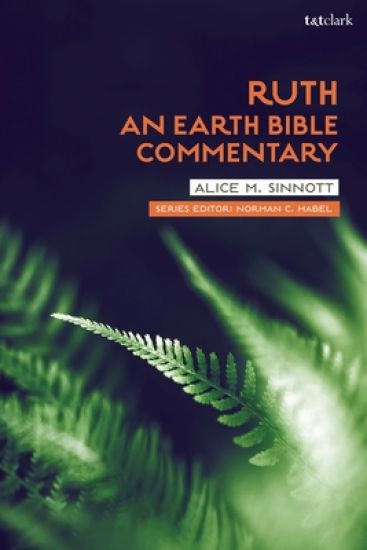
This ecological reading of the book of Ruth takes into account the power which this short story holds, speaking to the whole person by engaging each reader’s emotions, imagination, memory, and reason. Alice M. Sinnott demonstrates how the story of Ruth transcends geographical, spatial and historical boundaries by appealing to all concerned with the plight of the Earth. Sinnott highlights the ecological dimensions of the text that scholars have ignored or dismissed in the past, and explores how the narrator gives voice to the way in which the Earth functions throughout the story. Integral to her reading of the text is a concern for Earth and matters such as food, famine, death, harvests, grain, day and night and members of the Earth community. Sinnott considers non-human characters as legitimate determining factors in the structuring of the narrative, and recognizes Earth and members of the Earth community as equally valid subjects. By identifying with these aspects of Ruth, Sinnott is able to read the text with new eyes; and by placing special emphasis in how the narrator depicts the natural world, she reinforces how subjects from that world emerge as integral components.

Ann Jeffers introduces the Book of Ruth by examining the book's structure and characteristics; covering the latest Biblical scholarship, including historical and interpretive issues; and considering a range of scholarly approaches. In particular, it looks at a range of emerging methodologies ranging from literary readings to reception theory and postmodern readings. With suggestions of further reading at the end of each chapter, this guide will be an essential accompaniment to study of the Book of Ruth.

Ann Jeffers introduces the Book of Ruth by examining the book's structure and characteristics; covering the latest Biblical scholarship, including historical and interpretive issues; and considering a range of scholarly approaches. In particular, it looks at a range of emerging methodologies ranging from literary readings to reception theory and postmodern readings. With suggestions of further reading at the end of each chapter, this guide will be an essential accompaniment to study of the Book of Ruth.
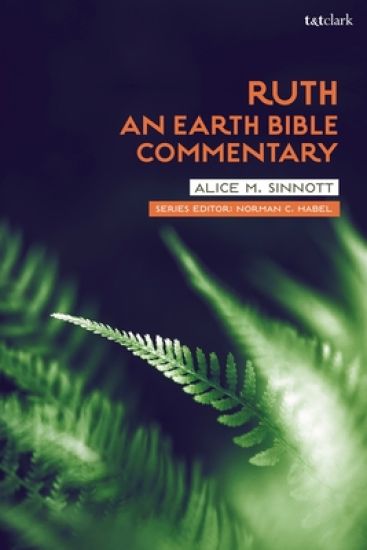
This ecological reading of the book of Ruth takes into account the power which this short story holds, speaking to the whole person by engaging each reader’s emotions, imagination, memory, and reason. Alice M. Sinnott demonstrates how the story of Ruth transcends geographical, spatial and historical boundaries by appealing to all concerned with the plight of the Earth. Sinnott highlights the ecological dimensions of the text that scholars have ignored or dismissed in the past, and explores how the narrator gives voice to the way in which the Earth functions throughout the story. Integral to her reading of the text is a concern for Earth and matters such as food, famine, death, harvests, grain, day and night and members of the Earth community. Sinnott considers non-human characters as legitimate determining factors in the structuring of the narrative, and recognizes Earth and members of the Earth community as equally valid subjects. By identifying with these aspects of Ruth, Sinnott is able to read the text with new eyes; and by placing special emphasis in how the narrator depicts the natural world, she reinforces how subjects from that world emerge as integral components.
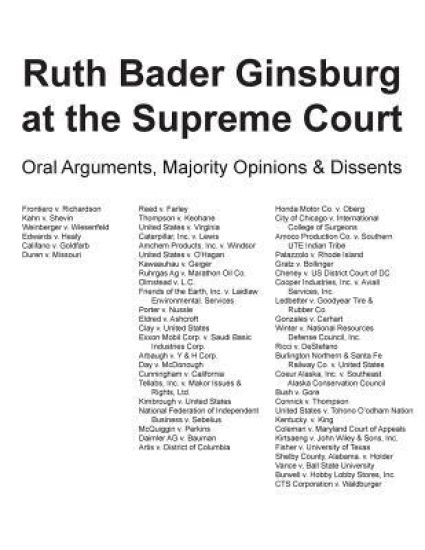
Ruth Bader Ginsburg at the Supreme Court
Mammoth Publishing
2019
pokkari
Compilation of cases decided by the Supreme Court of the United States in which Ruth Bader Ginsburg presented oral arguments as an attorney in the 1970's, and written majority opinions and dissents as a Supreme Justice from 1993 to the present. - Oral Arguments: - Frontiero v. Richardson - Kahn v. Shevin - Weinberger v. Wiesenfeld - Edwards v. Healy - Califano v. Goldfarb - Duren v. Missouri - Majority Opinions: - Reed v. Farley - Thompson v. Keohane - United States v. Virginia - Caterpillar, Inc. v. Lewis - Amchem Products, Inc. v. Windsor - United States v. O'Hagan - Kawaauhau v. Geiger - Ruhrgas Ag v. Marathon Oil Co. - Olmstead v. L.C. - Friends of the Earth, Inc. v. Laidlaw Environmental. Services - Porter v. Nussle - Eldred v. Ashcroft - Clay v. United States - Exxon Mobil Corp. v. Saudi Basic Industries Corp. - Arbaugh v. Y & H Corp. - Day v. McDonough - Cunningham v. California - Tellabs, Inc. v. Makor Issues & Rights, Ltd. - Kimbrough v. United States - National Federation of Independent Business v. Sebelius - McQuiggin v. Perkins - Daimler AG v. Bauman - Artis v. District of Columbia - Dissents: - Honda Motor Co. v. Oberg - City of Chicago v. International College of Surgeons - Amoco Production Co. v. Southern UTE Indian Tribe - Palazzolo v. Rhode Island - Gratz v. Bollinger - Cheney v. US District Court of DC - Cooper Industries, Inc. v. Aviall Services, Inc. - Ledbetter v. Goodyear Tire & Rubber Co. - Gonzales v. Carhart - Winter v. National Resources Defense Council, Inc. - Ricci v. DeStefano - Burlington Northern & Santa Fe Railway Co. v. United States - Coeur Alaska, Inc. v. Southeast Alaska Conservation Council - Bush v. Gore - Connick v. Thompson - United States v. Tohono O'odham Nation - Kentucky. v. King - Coleman v. Maryland Court of Appeals - Kirtsaeng v. John Wiley & Sons, Inc. - Fisher v. University of Texas - Shelby County, Alabama. v. Holder - Vance v. Ball State University - Burwell v. Hobby Lobby Stores, Inc. - CTS Corporation v. Waldburger -
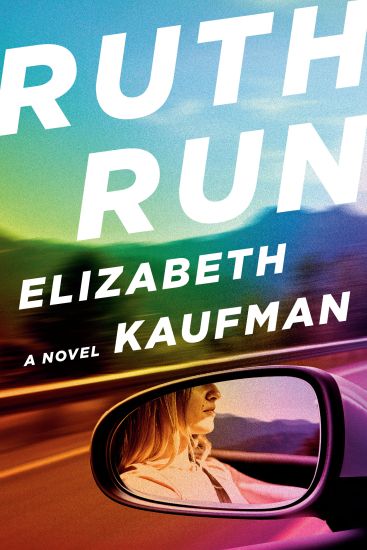
"A wildly fun and thrilling read in this age of digital theft, Ruth Run introduces us to an irresistible heroine and, in Elizabeth Kaufman, a scintillating new voice in contemporary fiction." --Maria Semple, author of Where'd You Go, Bernadette and Today Will Be Different Cybercrime leads to a cross-country pursuit as an ambitious, misfit young thief exploits a hacked microchip to rob banks, and learns too late that the wrong people have been watching her Twenty-six-year-old Ruth excels at microchip design but decides to get rich the old-fashioned way: robbing banks. She becomes a cybercriminal and devotes five years to siphoning more than $250 million out of the banking system using a hacked firewall chip that she created and only she knows how to access. Then one night an alarm goes off and she realizes she's been discovered. Five hours later she's on the run, chased across California and the West by a slew of government agents who see her as both a high-level national security threat and a potential intelligence asset. They'll catch her dead or alive--whatever it takes to make sure no one else discovers what she knows. Each of these men is obsessed with the woman he's hunting, certain he knows what makes her tick. But Ruth, always a step ahead, armed with her ironic wit and a reluctant dog, eludes their understanding; can she elude their capture, too? A nonstop oddball thriller for the age of digital theft, Ruth Run introduces an irresistible new heroine and a fantastic new voice in contemporary fiction.